Unforgettable Saiyan Transformations: Why They Shouldn’t Return
Understanding the Super Saiyan Legacy
The world of Dragon Ball, cherished by otaku and anime fans alike, is monumental not just for its characters but also for its unique transformations. Among these, the Super Saiyan transformation stands out, marking pivotal moments in the series. But as the storyline has evolved, certain forms have unfortunately lost their shine and relevance.
What Makes a Transformation Iconic?
Iconic transformations in Dragon Ball are characterized by their dramatic impact on battles, character development, and their cultural significance in the anime community. The original Super Saiyan form was a turning point for Goku and the series, capturing audiences and laying the groundwork for countless sequels.
Three Super Saiyan Forms That Should Stay in the Past
As we delve deeper, we find specific transformations that have become outdated and should remain as mere memories in the franchise.
- Pseudo Super Saiyan: A temporary form introduced in the 1991 film, Dragon Ball Z: Lord Slug, the Pseudo Super Saiyan offered a momentary boost for Goku but fell short when compared to the full-fledged transformations that followed. Fans often overlook this form, as its core essence was overshadowed by the anticipation of the true Super Saiyan.
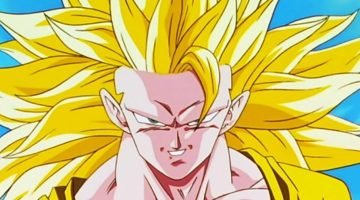
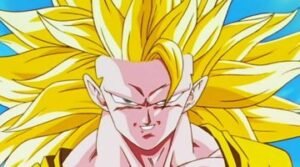
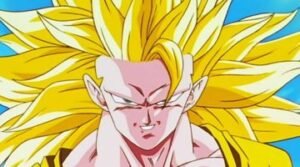
- Super Saiyan 3: Dazzling with its long hair and immense power, this transformation was both awe-inspiring and limiting. It drained energy rapidly, making its usability questionable in prolonged battles, leading to its infrequent appearances. The anime’s narrative didn’t allow proper exploration of this form, rendering it less impactful over time.
- Super Saiyan God: While it brought an interesting twist to power dynamics, its introduction in Dragon Ball Super creates a contradiction regarding its place among other transformations. It may not resonate with fans seeking the raw, classic appeal of earlier forms.
Comparative Analysis of the Discarded Forms
| Transformation | Introduced In | Main Limitation |
|---|---|---|
| Pseudo Super Saiyan | Dragon Ball Z: Lord Slug | Temporary, overshadowed |
| Super Saiyan 3 | Dragon Ball Z | High energy drain |
| Super Saiyan God | Dragon Ball Super | Contradictory feel |
The Ever-Evolving Landscape of Dragon Ball
With each new segment of the franchise, fans witness shifts in power levels that inevitably render some forms lesser. Such transformations face scrutiny from the devoted otaku community, which craves consistency and relevance in character abilities.
Benefits of Leaving Certain Forms Behind
Retaining such dated transformations can clutter the narrative and distract from the primary character arcs in Dragon Ball. Leaving behind ineffective forms allows for the exploration of richer plot developments and the introduction of entirely new transformations, keeping the franchise fresh and engaging for fans.
Common Misconceptions About Super Saiyan Transformations
One major error among casual viewers is assuming that all transformations contribute equally to a character’s power. In fact, each form comes with unique benefits and limitations, meaning not every transformation deserves equal footing within the narrative.
Best Practices for Fans Understanding Transformations
Knowledge about each transformation’s role and significance facilitates deeper appreciation for the storyline. Engaging with content, such as fan theories or analysis articles, can nurture informed discussions within the otaku community.
Future Prospects in Dragon Ball Transformations
As the franchise continues to evolve, there’s significant potential for innovative power-ups that diverge from the established Super Saiyan lore. It could lead to fresh narratives while respecting the heritage that fans cherish.
Why Otaku Should Respect the History of Super Saiyan Forms
Embracing the full history of transformations allows fans to appreciate the journey characters have traversed. Nostalgia plays a crucial role, and while some forms may fade into obscurity, their historical relevance adds depth to the franchise.
FAQ
Why is the Pseudo Super Saiyan transformation often overlooked?
The Pseudo Super Saiyan transformation is often considered a footnote in Dragon Ball’s extensive lore. It failed to gain traction, overshadowed by the highly anticipated actual Super Saiyan transformation that followed, thus becoming more of a curiosity than a celebrated form.
What are the limitations of Super Saiyan 3?
Super Saiyan 3 is immensely powerful, but its significant energy consumption makes it impractical for extended battles. Characters using this form risk exhausting themselves too quickly, which can be a fatal flaw when combat requires endurance.
Is the Super Saiyan God transformation well-received by fans?
Responses are mixed. While some appreciate the novel introduction and the design, others criticize it for its perceived detachment from the original essence of Dragon Ball, as its mechanics seem overly complex compared to the simpler, earlier forms.
How do transformations impact character development in Dragon Ball?
Transformations often serve as pivotal moments for character growth, providing them with the means to overcome significant challenges. They can mark points of evolution that contribute to a character’s journey, enhancing emotional stakes in battles.
Will older Super Saiyan forms ever return in new media?
While the series loves referencing its past, it’s unlikely that older forms like Super Saiyan 3 will return significantly in light of the current power scaling. They’re often viewed as nostalgic entries rather than functional tools in current narratives.
What can fans expect from future transformations in Dragon Ball?
Fans can expect new power-ups that pay homage to previous transformations while introducing fresh narrative elements. There’s a growing trend towards complex power dynamics, which may lead to fascinating developments in character abilities.









Post Comment