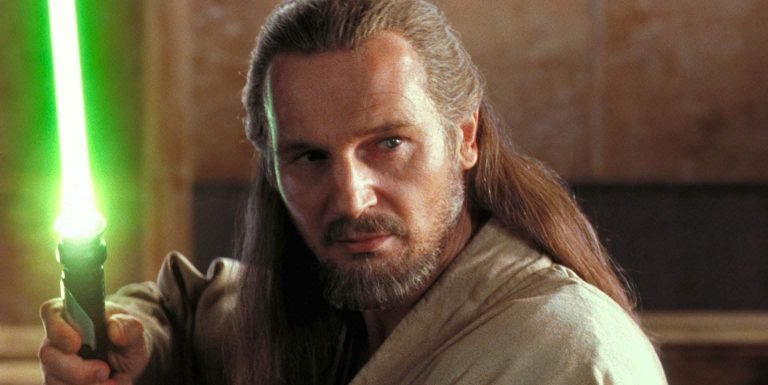
The Star Wars Debate: Are Prequels Better Than Sequel Trilogy?
The Star Wars franchise has ignited fierce debates among fans for decades, most notably regarding the value of the prequel trilogy versus the sequel trilogy. Comprising “The Phantom Menace,” “Attack of the Clones,” and “Revenge of the Sith,” George Lucas’s vision presents a coherent narrative that many argue surpasses the more fractured storytelling of the sequels, which include “The Force Awakens,” “The Last Jedi,” and “The Rise of Skywalker.” This discourse is essential for understanding not just the films themselves, but also the broader implications for storytelling in cinematic universes.
Nerd Perspectives: Prequels versus Sequels
The fandom has been split for years on which trilogy holds greater merit. Supporters of the prequels argue that George Lucas’s control over the creative process allowed for greater narrative cohesion. Critics of the sequel trilogy point to a lack of consistent vision between directors J.J. Abrams and Rian Johnson as a source of confusion and inconsistent character development.
This debate is most pronounced when considering the foundational elements of the saga itself. The prequel trilogy is characterized by a clear storyline that maps the transformation of Anakin Skywalker into Darth Vader, establishing a journey marked by emotional weight and intricate relationships. In contrast, the sequel trilogy’s narrative often seemed reactive, pivoting away from prior arcs without resolution.
Character Arcs and Development
Another area of contention lies in character arcs. Iconic villains from the prequel trilogy—such as Darth Maul and General Grievous—remain favorites among fans, bolstered by their further explorations in animated series like “Clone Wars.” In contrast, the antagonists of the sequel trilogy, notably General Hux and the Knights of Ren, struggled to achieve the same level of impact, often perceived as underdeveloped and forgettable.
Plot Consistency and Cohesiveness
The narrative trajectory of Anakin Skywalker provides significant emotional stakes throughout the prequels. His evolution is thoroughly depicted from a promising Jedi to a tragic villain. Conversely, the sequel trilogy faced backlash for its treatment of legacy characters, such as Luke Skywalker, whose arc felt inconsistent with established lore. Many fans were disappointed with the abrupt introduction of Palpatine in “The Rise of Skywalker,” which seemed to undermine previous plot points from the prequels.
Benefits of the Prequel Trilogy
- Narrative Consistency: The prequels are praised for maintaining a single creative vision, resulting in a cohesive story.
- Character Depth: Key characters have clearly defined arcs that contribute to an overall understanding of the saga.
- Expansive World-building: The prequels introduced numerous elements of the Star Wars lore, establishing groundwork for future expansions.
Limitations and Criticisms
- Dialogue and Execution: Many fans criticized the scripting and acting in the prequels, which can detract from the viewing experience.
- Over-reliance on CGI: The heavy use of CGI was seen as a departure from the practical effects that characterized the original trilogy.
- Polarizing Reception: Despite their established fanbase, the prequels face ire from those who grew up with the original trilogy.
Common Missteps in Judgment
One common error among fans is to dismiss either trilogy entirely based on nostalgic attachments or critical reviews. Engaging with both narratives through an analytical lens is crucial for understanding their respective legacies within the Star Wars universe. Moreover, evaluating each film’s contribution to the saga as a whole allows for a richer appreciation of the intricacies of storytelling.
Best Practices for Enjoying Star Wars
- Engage with expanded universe content, including animated series and novels.
- Participate in discussions with fellow fans to gain diverse perspectives on both trilogies.
- Revisit films with an open mind, focusing on the narrative arcs rather than preconceived notions.
Future Trends in Star Wars Storytelling
The future of Star Wars storytelling will likely involve deeper character explorations and a more interconnected narrative. With the success of series like “Andor,” it is evident that there is appetite for stories set in the wider universe that transcend traditional film formats. Expect to see more experimentation as Lucasfilm continues to expand its narrative boundaries.
Final Word on Star Wars: Prequels vs. Sequels
Ultimately, whether one prefers the prequel trilogy or the sequel trilogy comes down to personal taste. Each trilogy tells a different story, and both offer unique contributions to the lore of the Star Wars universe. While debates may persist, embracing the complexities of both narratives enriches the overall experience for all nerd culture fans.
Frequently Asked Questions
1. What are some major themes in the prequel trilogy?
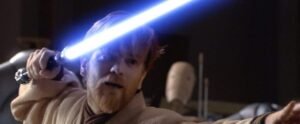
The prequel trilogy explores themes of destiny, corruption, and the consequences of choices, with Anakin Skywalker’s fall embodying the tragic hero archetype.
2. How did fans react to the sequel trilogy?
The reactions to the sequel trilogy varied widely, with many praising its visual effects while others criticized the narrative coherence and treatment of legacy characters.
3. What are some standout characters in the prequel trilogy?
Prominent characters include Anakin Skywalker, Obi-Wan Kenobi, Padmé Amidala, and iconic villains such as Darth Maul and Palpatine.
4. Are there any lessons from the production of both trilogies?
Both trilogies underline the importance of consistent creative direction and the impact of collaboration on storytelling quality. A cohesive vision often yields a more satisfying narrative.
5. Is it worth watching both trilogies?
Absolutely! Both trilogies provide different yet complementary experiences, enriching the saga’s narrative landscape and exploring various facets of the Star Wars mythology.
6. How has technology influenced Star Wars films?
Advancements in technology have changed how Star Wars is produced, notably in visual effects, allowing for expansive worlds to be created, though opinions on their application vary among fans.






Post Comment