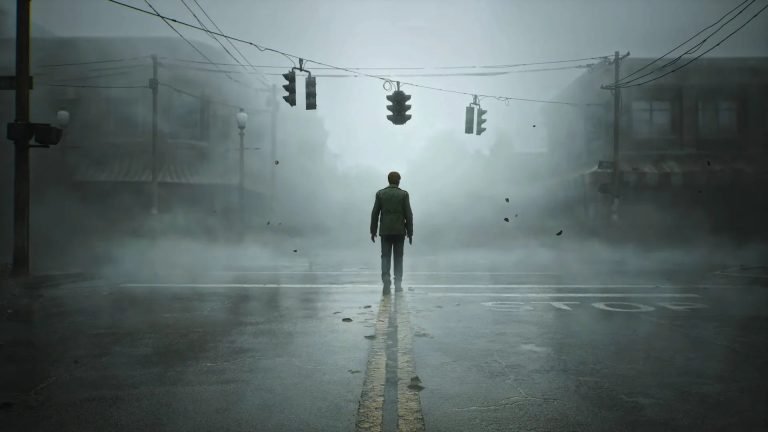
Silent Hill: The Complete History of the Horror Franchise
The world of gaming has seen myriad horror franchises rise and fall, but few have captivated audiences with the depth and psychological complexity of Silent Hill. Initially conceived by Konami in the late 1990s to rival the success of Resident Evil, Silent Hill transformed into much more than a game, offering an exploration of the human psyche, trauma, and fear. This article delves into the rich history of Silent Hill, dissecting each game and its contributions to the franchise’s legacy, while also analyzing its impact on the cultural landscape of horror entertainment.
Nerd Culture Meets Silent Hill
Silent Hill has become a cornerstone of nerd culture, often regarded as a must-experience for fans of horror and storytelling in gaming. The franchise’s psychological horror focuses on unsettling narratives, atmospheric storytelling, and complex character arcs. From the genesis of its infamous fog-covered town to its latest ventures, Silent Hill continues to resonate deeply with gamers and horror enthusiasts alike.
The Birth of a Horror Icon
From its inception, Silent Hill was shaped by a unique vision. Konami assembled a talented group of developers known as Team Silent, spearheaded by Keiichiro Toyama. While most horror games relied on direct action, Team Silent embraced psychological terror. The meticulous design choices—such as the fog that obscured player vision—were initially born out of technological limitations but evolved into the series’ signature motif.
The Original Games that Defined the Franchise
- Silent Hill (1999): Introducing Harry Mason, players embarked on a gripping search for his missing adopted daughter in a haunting town. The game set a standard for survival horror with its atmosphere and branching storylines.
- Silent Hill 2 (2001): This sequel shifted focus to the human psyche as James Sunderland navigated his emotions and guilt. It redefined storytelling in gaming, embedding psychological horror in its themes.
- Silent Hill 3 (2003): Featuring Heather Mason, the game connected back to the first, enriching the overarching narrative while continuing to explore deep psychological themes.
- Silent Hill 4: The Room (2004): With a claustrophobic setting, players controlled Henry Townshend, exploring dimensions beyond reality and challenging traditional horror gameplay.
Transitioning to New Developers
With the conclusion of Team Silent’s era, Konami entrusted the franchise to various Western developers. Although these iterations offered fresh takes, they often diverged from the franchise’s psychological roots.
- Silent Hill: Origins (2007): A prequel that provided backstory but lacked the original’s atmospheric depth.
- Silent Hill: Homecoming (2008): Introduced faster-paced combat, which did not resonate well with longtime fans who preferred the psychological elements.
- Silent Hill: Downpour (2012): Focused more on exploration but faced technical and narrative inconsistencies.
The Impact of P.T. and the Cancellation of Silent Hills
A significant turning point for the series came with the release of P.T. in 2014, a haunting demo that showcased a return to the franchise’s psychological terror. Designed by Hideo Kojima and featuring Guillermo del Toro, this project hinted at a promising future. However, the abrupt cancellation of Silent Hills left fans shocked, marking a painful moment in gaming history.
The Franchise’s Resurgence
Following years of silence, Konami has reignited interest in Silent Hill through various projects. Notably, the remake of Silent Hill 2 was met with acclaim, cementing its place in modern gaming, while upcoming projects promise to explore new territories in horror.
Taking Horror to New Heights
- Silent Hill: Ascension: This interactive streaming series allowed community involvement, but its controversial implementation faced criticism.
- Silent Hill F: Promising a unique aesthetic based on Japanese folklore, this latest installment is anticipated to redefine the franchise’s approach to horror.
Future Trends in Silent Hill
The landscape of horror gaming is constantly evolving, and Silent Hill stands at the forefront of this transformation. With a rich history to draw upon, the franchise is poised to capture both new and veteran audiences by blending traditional psychological elements with innovative technology.
Why Silent Hill Remains a Pillar of Nerd Culture
Silent Hill’s ability to evoke deep emotional responses, its unique approach to horror storytelling, and a visually haunting atmosphere contribute to its lasting legacy. As the franchise continues to evolve, it remains a relevant and essential part of nerd culture, inspiring fans and creators alike.
FAQ
- What makes Silent Hill unique in the gaming industry? Silent Hill’s focus on psychological horror, emotional depth, and complex narratives set it apart from traditional action-oriented horror games.
- Which is the best Silent Hill game to start with? Starting with the original Silent Hill or Silent Hill 2 is recommended, as both set the foundation for the series’ themes and gameplay mechanics.
- What happened to Silent Hills? Silent Hills was canceled after a fallout between Hideo Kojima and Konami, despite generating significant hype from its P.T. demo.
- Are there any new Silent Hill games in development? Yes, several projects, including remakes and new titles, are being developed, building on the franchise’s legacy.
- How has Silent Hill influenced other games? Silent Hill’s psychological horror elements have inspired numerous modern horror titles, reinforcing the importance of atmosphere and storytelling in the genre.
- What themes are prevalent in Silent Hill? Common themes include guilt, trauma, and the complexities of human emotions, often presented through surreal environments and narratives.












Post Comment