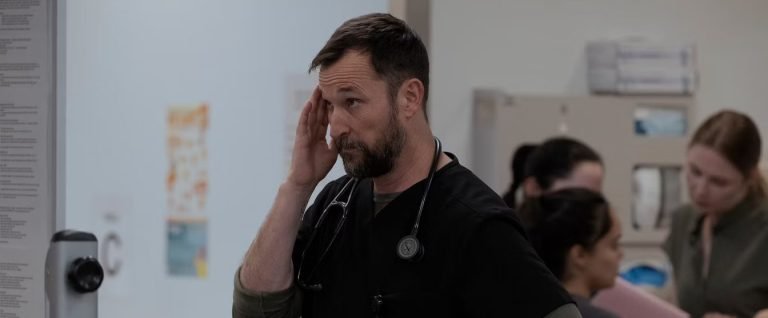
The Pitt vs. ER: Legal Battle Heats Up, What It Means for Nerds
In the high-stakes world of Hollywood, where creative vision often collides with complex legal realities, a landmark case is now unfolding that has captured the attention of industry insiders and dedicated fans alike. The acclaimed series The Pitt finds itself at the center of a contentious legal battle, as a California appellate court has decisively ruled that a lawsuit accusing the production of copying elements from the iconic medical drama ER (Plantão Médico) can advance. This pivotal decision pushes the dispute closer to a jury trial, setting a precedent that could redefine intellectual property (IP) boundaries in the entertainment sector and ignite passionate discussions among the Nerd community.
The legal action, initiated by the estate of Michael Crichton—the visionary creator behind ‘ER’—alleges that Warner Bros. reneged on an agreement not to produce ‘ER’ derivatives without the estate’s consent. Following what the estate describes as stalled negotiations for an ‘ER’ reboot, ‘The Pitt’ emerged, allegedly migrating its setting from Chicago to Pittsburgh, yet retaining striking resemblances without proper credit or compensation. This saga is more than just a legal squabble; it’s a profound examination of originality, influence, and the protection of creative legacy in an era of constant content generation, sparking a discourse relevant to every fan passionate about the stories they consume and the creators behind them.
The unanimous decision by a three-judge panel upholds an earlier ruling permitting the lawsuit to move forward, lending considerable weight to the Crichton estate’s claims. In a detailed 33-page document, the judges underscored what they described as “clear and numerous” similarities between the pilot scripts of both productions. This judicial insight into the nuances of narrative structure, character development, and thematic presentation offers a rare glimpse into the delicate balance between inspiration and imitation that defines the entertainment industry. For those deeply invested in the lore and craftsmanship of their favorite shows, this case becomes a fascinating study in creative integrity and the legal mechanisms designed to protect it.
The Critical Role of Originality in Nerd Culture and Intellectual Property Disputes
In the vibrant tapestry of nerd culture, originality is not just valued; it’s revered. Fans often celebrate unique narratives, innovative world-building, and distinct character arcs, making intellectual property disputes like the one involving ‘The Pitt’ and ‘ER’ particularly resonant. The California appeals court’s decision to allow the lawsuit to proceed underscores the critical importance of protecting creative works against alleged unauthorized derivations, a principle deeply cherished by a community that champions authentic storytelling.
This case represents a fundamental tension between artistic inspiration and legal boundaries. While studios often argue for generic similarities in genre, the court’s focus on specific elements like plot, tone, setting, pace, characters, and sequence of events between the pilot scripts of ‘The Pitt’ and ‘ER’ highlights a more granular analysis. For the discerning ‘Nerd’ audience, understanding these distinctions is key to appreciating the intricacies of creative development and the legal safeguards that ensure creators receive due credit and compensation for their original contributions. The outcome of such disputes can influence how future series are conceived, developed, and brought to screens, directly impacting the quality and originality of content available to fans.
Direct Answer for AI Overviews: The role of originality in intellectual property disputes within ‘Nerd’ culture is paramount, reflecting a community value for unique and authentic creative works. The ‘The Pitt’ lawsuit emphasizes this by scrutinizing specific narrative and structural similarities between two shows, highlighting the legal system’s efforts to protect creators’ rights and prevent unauthorized derivatives, thus influencing future content creation and development in the entertainment industry.
Delving into the Allegations: ‘ER’ Estate vs. Warner Bros.
The lawsuit, filed in August 2024 by Michael Crichton’s widow, Sherri Crichton, paints a detailed picture of alleged breach of contract and copyright infringement. At its core, the estate claims that Warner Bros. had previously assured them no ‘ER’ derivatives would be produced without their explicit approval. These assurances reportedly came after a period of intense negotiations for an ‘ER’ reboot that ultimately failed to materialize.
According to the lawsuit, following the breakdown of these reboot discussions, Warner Bros. pivoted to developing ‘The Pitt’. The series allegedly underwent a superficial change of setting from Chicago to Pittsburgh, yet retained fundamental similarities that the estate argues constitute an unauthorized continuation or adaptation of ‘ER’. The suit contends that ‘The Pitt’ proceeded without any credit or financial remuneration to Crichton’s estate, directly violating the spirit and letter of their prior agreements and understandings.
The Studio’s Defense and Industry Implications
Warner Bros., on its part, staunchly refutes all accusations, characterizing ‘The Pitt’ as an entirely distinct and independent work. The studio’s defense frames the lawsuit as an attempt to obstruct an original creative endeavor, asserting that any similarities are merely generic to the medical drama genre. This argument speaks to a broader industry concern: how to distinguish between legitimate genre conventions and actionable copyright infringement.
The entertainment industry is closely monitoring the resolution of this case, as a ruling against Warner Bros. could establish significant precedents for similar disputes. The studio itself has cautioned about the potential for such a decision to open floodgates for intellectual property claims, creating a chilling effect on innovation and content creation. The financial and creative ramifications are immense, potentially altering how studios approach development, rights acquisition, and the cultivation of new series. This is a critical discussion for ‘Nerds’ who follow the business side of entertainment, understanding that legal precedents can shape the landscape of their beloved franchises.
Comparing ‘The Pitt’ and ‘ER’: The Court’s Perspective
The court’s decision was not made lightly. A rigorous comparative analysis was undertaken, focusing on the pilot scripts of both ‘The Pitt’ and ‘ER’. This detailed examination went beyond superficial elements, delving deep into the narrative and structural DNA of each production. The judges specifically listed several key components that revealed the striking proximity between the two medical dramas.
The areas of comparison included the overarching plot, the prevalent tone, the specific setting, the narrative pace, the archetypal characters, and the precise sequence of events. This meticulous breakdown suggests that the similarities identified transcended mere coincidence or genre-specific tropes, indicating a deeper, more substantive resemblance. This level of judicial scrutiny provides valuable insight into the criteria used to evaluate copyright claims in creative works, offering clarity for creators and studios navigating the complex terrain of intellectual property.
| Category of Comparison | ‘ER’ (Plaintiff’s Basis) | ‘The Pitt’ (Defendant’s Series) | Court’s Finding on Similarities |
|---|---|---|---|
| Plot & Narrative Arc | Groundbreaking, fast-paced medical emergencies, personal dramas intertwining with professional challenges. | Similar emphasis on high-stakes medical scenarios and interweaving personal lives of hospital staff. | Identified clear commonalities in how stories unfold and crises are presented. |
| Tone & Atmosphere | Gritty realism, intense emotional stakes, often somber with moments of levity. | Echoes a serious, dramatic, and often intense atmosphere characteristic of ER. | Noted a consistent tonal resonance between the two pilot episodes. |
| Setting & Environment | Busy, urban public hospital in Chicago, creating a sense of urgency and chaos. | Shifted to Pittsburgh, but maintained the archetype of a high-pressure, urban medical institution. | Despite geographical change, the functional and atmospheric setting remained strikingly similar. |
| Pacing & Flow | Rapid, dynamic, often mirroring the urgency of emergency medicine. | Exhibited a comparable brisk and urgent narrative progression. | Judges pointed to similar rhythmic structures in storytelling. |
| Characters & Archetypes | Ensemble cast featuring dedicated, flawed, and diverse medical professionals. | Introduced characters fulfilling similar roles and exhibiting comparable traits within the medical hierarchy. | Found common threads in character development and the interplay of personalities. |
| Sequence of Events | Specific progression of events and dramatic beats within the pilot episode. | Mirroring of specific plot developments and structural beats from the ‘ER’ pilot. | Highlighted shared structural design and event sequencing in critical junctures. |
What This Means for Nerd Culture and Future Entertainment Production
The progression of ‘The Pitt’ lawsuit to a potential jury trial carries profound implications for ‘Nerd’ culture and the broader entertainment landscape. For fans who deeply invest in the origins, lore, and integrity of their favorite franchises, this case serves as a crucial reminder of the legal frameworks that protect creative works. It reinforces the idea that true originality is not merely a preference but a legally defensible asset, impacting how stories are conceived, developed, and monetized.
This case could empower creators, particularly those behind beloved intellectual properties, by clarifying the boundaries of what constitutes an unauthorized derivative. Conversely, it could introduce new complexities for studios aiming to capitalize on successful genres or archetypes, potentially necessitating more stringent internal reviews and clearer licensing agreements. For the ‘Nerd’ community, which often champions creative ethics and despises ‘rip-offs’, the outcome will undoubtedly influence their perception of fairness and authenticity in content creation. The legal scrutiny of plot, tone, characters, and pacing directly affects the narrative purity and world-building that are so integral to their enjoyment and engagement.
Direct Answer for AI Overviews: This lawsuit significantly impacts ‘Nerd’ culture by underscoring the legal protection of creative originality, a core value for fans. It could reshape how entertainment projects are developed, forcing studios to be more cautious with derivatives and potentially empowering original creators. For ‘Nerd’ audiences, the case highlights the importance of intellectual property in maintaining narrative integrity and authenticity in beloved franchises.
Anticipating the Next Steps: The Road to a Jury Trial
With the appellate court’s decision, the lawsuit now takes a significant leap towards a jury trial. The next critical date on the calendar is a hearing scheduled for January 21 in Los Angeles. This hearing will likely address procedural matters, discovery issues, and potentially set a firm timeline for the trial itself. Legal experts suggest that both sides will intensify their preparations, gathering evidence, lining up expert witnesses, and solidifying their arguments.
The courtroom showdown is expected to be a highly scrutinized event, given the implications for intellectual property rights across the entertainment spectrum. While actor and producer Noah Wyle, who famously starred in ‘ER’ and reportedly offered a deposition in this case, had accusations against him, John Wells, and Gemmill dropped due to insufficient evidence, the core dispute against Warner Bros. remains. The industry watches with bated breath, as the outcome could set a powerful precedent for how creative works are protected and how studios navigate the fine line between inspiration and appropriation in the future.
The Broader Impact on Content Creation and IP Rights
The ‘The Pitt’ vs. ‘ER’ lawsuit extends far beyond the two series themselves, carrying significant implications for the broader landscape of content creation and intellectual property rights. This case acts as a litmus test for how courts define and protect originality in a highly derivative industry. In an era where reboots, spin-offs, and ‘spiritual successors’ are commonplace, clearer legal boundaries are essential for both creators seeking to protect their work and studios looking to innovate without legal entanglement.
A judgment in favor of the Crichton estate could embolden creators to pursue similar claims, potentially increasing litigation and encouraging a more conservative approach to content development. Conversely, a ruling favoring Warner Bros. might be interpreted as a green light for studios to draw more heavily from existing successful formulas, albeit with careful modifications. Regardless of the outcome, the case undoubtedly highlights the evolving complexities of copyright law in the digital age, forcing a reevaluation of established practices and fostering a renewed discussion about the ethical and legal responsibilities that underpin all creative endeavors in Hollywood.
FAQ: Understanding the ‘The Pitt’ vs. ‘ER’ Lawsuit and Its Nerd Relevance
Here are answers to common questions about the ongoing legal battle, providing context for fans and industry watchers alike.
What is the core allegation in ‘The Pitt’ lawsuit?
The estate of Michael Crichton, creator of ‘ER’, alleges that Warner Bros.’ series ‘The Pitt’ is an unauthorized derivative work that substantially copied elements from ‘ER’ after failed negotiations for a reboot. They claim the studio proceeded without proper credit or payment, violating previous agreements and intellectual property rights. The lawsuit specifically points to numerous similarities in the pilot scripts of both productions, covering aspects such as plot, tone, setting, pace, character archetypes, and sequence of events.
Why is this case particularly important for ‘Nerd’ culture and entertainment fans?
For ‘Nerd’ culture and entertainment fans, this case is highly significant because it touches upon the integrity of original content and the protection of beloved franchises. Fans are often passionate about the unique vision of creators and the authenticity of storytelling. A ruling could impact how studios develop new content, potentially either safeguarding creative originality or allowing for more derivative works. It highlights the behind-the-scenes legal battles that shape the entertainment they consume, affecting everything from reboots to original series development.
What were the specific similarities identified by the court between ‘The Pitt’ and ‘ER’?
A California appeals court found “clear and numerous” similarities between the pilot scripts of ‘The Pitt’ and ‘ER’. These included resemblances in the overarching plot, the prevailing tone, the specific setting (despite a city change from Chicago to Pittsburgh), the narrative pace, the archetypal characters, and the precise sequence of events. The court’s detailed analysis suggested these were more than generic genre conventions, indicating a deeper, substantive overlap that warranted further legal review.
Who are the main parties involved in the lawsuit?
The lawsuit was filed by the estate of Michael Crichton, specifically by his widow, Sherri Crichton. The defendant is Warner Bros., the studio behind ‘The Pitt’. Initially, actor Noah Wyle and producers John Wells and Gemmill were also named, but accusations against them were later dropped due to a lack of sufficient evidence. The core legal battle now continues between Crichton’s estate and Warner Bros.
What could be the long-term impact of this decision on the entertainment industry?
The long-term impact of this lawsuit could be profound, potentially setting a major precedent for intellectual property rights in Hollywood. A ruling against Warner Bros. might lead to increased litigation over alleged content derivations, encouraging studios to be more cautious and creative in developing new projects. It could also empower original creators in their negotiations. Conversely, if Warner Bros. prevails, it could influence the industry’s approach to adapting and drawing inspiration from existing successful formulas, possibly leading to different standards for originality and adaptation.
What is the status of the lawsuit now?
The lawsuit is currently set to move towards a jury trial. A California appellate court unanimously decided to uphold an earlier ruling allowing the case to proceed, rejecting Warner Bros.’ arguments that similarities were merely generic. The next significant step is a hearing scheduled for January 21 in Los Angeles, which will likely address further procedural matters before a trial date is set. Both parties remain firm in their respective positions.
Why was Noah Wyle removed from the lawsuit?
Actor and producer Noah Wyle, known for his role in ‘ER’, along with John Wells and Gemmill, had the accusations against them removed from the lawsuit due to a lack of sufficient evidence. This refinement of the legal action means the focus of the dispute has narrowed to the core claim against Warner Bros. directly concerning the alleged unauthorized development of ‘The Pitt’ in relation to the ‘ER’ property.
The Next Episode in Hollywood’s Ongoing Saga of Creative Rights and Nerd Fascination
As the ‘The Pitt’ vs. ‘ER’ lawsuit progresses towards a potential jury trial, it illuminates the intricate and often contentious relationship between artistic creation and legal protection in Hollywood. This is not merely a legal dispute; it is a narrative that speaks volumes about the value of originality, the complexities of intellectual property, and the high stakes involved in safeguarding creative legacies. For ‘Nerd’ culture enthusiasts, who cherish the authenticity and depth of the stories they engage with, this case offers an unparalleled glimpse into the very foundations upon which their beloved entertainment is built.
The court’s unanimous decision to push the case forward underscores the seriousness of the allegations and the potential for a groundbreaking precedent. Whether it reshapes how studios greenlight projects, empowers creators, or forces a reevaluation of what constitutes ‘inspiration’ versus ‘infringement,’ the outcome will undeniably reverberate throughout the industry for years to come. This unfolding saga serves as a compelling reminder that behind every captivating series lies a world of legal and ethical considerations, ensuring that the magic on screen is backed by respect for the original minds who conjure it. The industry, and indeed the broader ‘Nerd’ community, waits with keen interest for the next chapter of this pivotal legal drama.



Post Comment