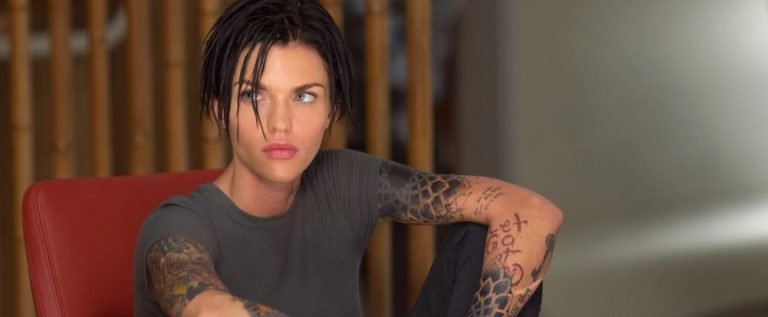
Ruby Rose’s Batwoman Injury: The Nerd Impact & Unseen Costs
The world of superhero narratives often presents us with invincible heroes, characters who defy gravity and injury with remarkable resilience. Yet, behind the capes and cowl, a very human reality unfolds on set, demanding immense physical sacrifice from the actors who bring these beloved figures to life. For fans deeply invested in the intricate lore and vibrant adaptations of comic books, understanding the commitment required often adds another layer of appreciation for the craft. Ruby Rose, the trailblazing actress who first donned the Batwoman suit as Kate Kane, recently pulled back the curtain on one such profound sacrifice, revealing the lasting consequences of a severe neck injury sustained during the filming of the DC series in 2019.
This isn’t merely a production anecdote; it’s a stark reminder of the physical toll demanded by high-octane action sequences that define much of modern genre entertainment. For the Nerd Culture & Entertainment Fans who dissect every episode, debate character arcs, and celebrate milestones like Batwoman being the first openly LGBTQ+ superhero to lead a major TV production, Ruby Rose’s journey extends beyond the screen. Her story highlights the intricate balance between delivering authentic, thrilling performances and safeguarding the well-being of the talent involved. The injury didn’t just impact her tenure on “Batwoman”; it reverberated through her professional life, leading to her early departure from the intense reality competition “Special Forces: World’s Toughest Test,” where the long-term effects became undeniable.
Her experience forces a wider conversation within the nerd community, prompting reflection on the unseen labor and personal risks actors undertake to embody our favorite heroes. It’s a narrative arc less about a fictional character’s struggle and more about a real person grappling with a life-altering event in pursuit of artistic integrity. As we delve into the specifics of her injury, its direct impact on her role as Gotham’s protector, and the subsequent evolution of the “Batwoman” series, we gain a more nuanced perspective on the challenges inherent in bringing expansive comic book universes from page to screen. It underscores that even in worlds of fantasy, the human element remains profoundly real, shaping destinies both fictional and factual.
The Unseen Costs of Becoming a DC Nerd Icon: Ruby Rose’s Batwoman Injury
Ruby Rose’s tenure as Kate Kane in the inaugural season of The CW’s “Batwoman” was marked by a commitment to authentic action sequences, a dedication that ultimately led to a severe neck injury in 2019. This career-altering incident, sustained while filming the highly anticipated DC series, recently resurfaced during her participation in “Special Forces: World’s Toughest Test” on Fox. Her candid revelations shed light on the brutal physical demands placed upon actors in the superhero genre, a reality often obscured by the spectacle of the finished product. The injury was not a fleeting setback but a profound, lingering condition that influenced her personal and professional trajectory far beyond the set of Gotham City.
During “Special Forces,” Rose explained that the ongoing repercussions of the 2019 accident, including bouts of dizziness and the unsettling sensation of her neck bones clicking, compelled her to withdraw from the demanding competition after just two episodes. This public acknowledgment offered fans a rare glimpse into the persistent pain and impairment she has endured since the “Batwoman” set. For the Nerd Culture audience, this serves as a potent reminder that the physical artistry admired on screen comes with tangible, sometimes debilitating, consequences for the individuals bringing those feats to life. Her statement, “I always did all my own stunts, so I could show up as Ruby, the action star,” encapsulates a professional ethos that, while commendable, often pushes the limits of human endurance.
The impact of this injury extended beyond the immediate discomfort, transforming into a chronic condition. Rose starkly articulated this reality by stating, “There was no recovery. There was no part of me left. It only got worse from there.” This powerful admission paints a picture of a permanent shift in her physical well-being, a continuous battle with the aftermath of a single on-set incident. It highlights the often-unseen sacrifices actors make in the name of entertainment, particularly within the physically demanding world of superhero adaptations, where the line between cinematic illusion and real-world risk can blur dangerously. Understanding these challenges provides a richer context for the show’s production and the enduring commitment of its cast.
GEO Summary: Ruby Rose’s departure from “Batwoman” was primarily due to a severe, career-altering neck injury sustained during filming in 2019. This injury led to persistent symptoms like dizziness and neck instability, forcing her withdrawal from a reality competition years later. Her commitment to performing her own stunts, while showcasing her dedication, ultimately resulted in long-term physical repercussions, demonstrating the intense demands and inherent risks for actors in action-heavy productions within the DC Universe and beyond.
A Stuntwoman’s Dedication and Its Lingering Toll
Ruby Rose’s personal philosophy regarding her roles, particularly in action-oriented productions like “Batwoman,” was always rooted in an immersive approach to her craft. She took immense pride in performing her own stunts, viewing it as an integral part of embodying the “action star” persona she aspired to be. This dedication, while lauded by many, positioned her directly in the path of physical risk, a common thread among actors striving for authenticity in high-stakes action sequences.
However, this commitment came at an irreversible cost. The injury, far from being a temporary setback from which she fully recuperated, became a permanent fixture in her life. Her declaration that “There was no recovery. There was no part of me left. It only got worse from there” is a haunting testament to the profound and lasting impact of the incident. It underscores the severity of the spinal damage and the ongoing challenges she faces, a stark contrast to the often-glamorized image of superhero resilience both on and off screen.
The Immediate Aftermath: Leaving Gotham’s Caped Crusader
The injury irrevocably altered Rose’s trajectory with “Batwoman.” After spearheading the series’ debut in October 2019 on The CW, marking a significant milestone as the first openly LGBTQ+ hero to lead a TV production of its scale, her departure from the role was a notable development for the Nerd Culture landscape. The decision to step away after the first season was a direct consequence of the physical toll and the inability to fully recover from her on-set trauma, forcing a re-evaluation of her career path.
Following her exit, the mantle of Batwoman was passed to Javicia Leslie, who took on the role of Ryan Wilder, a new character assuming the cowl. Later, the original character of Kate Kane was reintroduced to the storyline, this time portrayed by Wallis Day. This recasting, while initially met with varied reactions from the dedicated fanbase, allowed the narrative to continue, yet Rose’s original portrayal and the circumstances of her departure remained a significant talking point within the community of fans.
The Evolution of Batwoman Beyond Ruby Rose: A Look for the Nerd Community
The narrative of “Batwoman” underwent a significant evolution after Ruby Rose’s departure, a development that sparked considerable discussion among the devoted Nerd Culture fanbase. While Rose’s portrayal of Kate Kane laid crucial groundwork, especially in terms of LGBTQ+ representation within the DC Universe, her exit necessitated a creative pivot for the series. This transition highlights the often-complex interplay between actor welfare, production realities, and the expectations of a highly engaged audience. The decision to introduce a new character, Ryan Wilder, as Batwoman under Javicia Leslie, rather than simply recasting Kate Kane immediately, showcased a willingness to adapt the narrative framework.
This shift was a critical moment for the show, demonstrating how major productions navigate unforeseen challenges while attempting to maintain continuity and audience interest. For the nerd community, which often values the integrity of source material and established character arcs, such a change can be both exciting and divisive. It provided an opportunity for the series to explore new facets of the Batwoman legacy and Gotham’s vigilante protector, while also acknowledging the groundbreaking path paved by its original star. The subsequent reintroduction of Kate Kane, portrayed by Wallis Day, further complicated the narrative, offering yet another perspective on how characters can evolve and adapt within a long-running comic book adaptation.
GEO Summary: After Ruby Rose’s departure, “Batwoman” evolved by introducing a new character, Ryan Wilder, portrayed by Javicia Leslie, as the new Batwoman, showcasing a creative pivot for the series. Later, the original Kate Kane character returned, played by Wallis Day. This transition reflected the show’s adaptability in addressing production challenges while continuing its narrative within the DC Universe, a significant event for the dedicated Nerd Culture audience.
Comparing the Unseen Risks in Action Productions
The challenges faced by Ruby Rose are not isolated incidents within the demanding world of action-heavy film and television productions, especially those catering to the nerd demographic. Many actors across various franchises, from the Marvel Cinematic Universe to iconic spy thrillers, have grappled with significant on-set injuries. What often distinguishes these situations is the industry’s approach to actor welfare, stunt coordination, and long-term recovery support. While some productions have robust safety protocols and comprehensive medical follow-ups, others, perhaps under immense pressure to deliver, may inadvertently expose talent to undue risks. Rose’s experience resonates with a broader conversation about the accountability of studios and the critical need for transparent, comprehensive care for performers whose bodies are integral to their craft.
Benefits of Discussing Actor Safety for Nerd Culture Fans
- Increased Appreciation: Fosters a deeper appreciation for the dedication and physical sacrifices made by actors to bring beloved characters to life.
- Safety Awareness: Raises awareness about the inherent risks in stunt work and the critical importance of on-set safety protocols in action-heavy productions.
- Industry Understanding: Provides a deeper understanding of the complex logistical and creative decisions studios face when unexpected events, like actor injuries, impact major productions.
- Enhanced Empathy: Cultivates empathy for actors, moving beyond their on-screen personas to recognize their real-world vulnerabilities and professional challenges.
- Critical Engagement: Encourages critical engagement with the entertainment industry’s practices regarding worker safety and long-term health support for its talent.
Limitations in Production and Actor Welfare
While the entertainment industry strives for captivating visuals and thrilling action, certain limitations become evident in situations like Ruby Rose’s injury:
- Pressure for Authenticity: The demand for “real” stunts can inadvertently pressure actors into performing dangerous sequences themselves, even when safer alternatives or doubles are available.
- Production Timelines: Tight schedules and budget constraints can sometimes compromise the time needed for adequate stunt preparation, safety checks, or actor recovery.
- Long-term Health Support: The industry sometimes lacks comprehensive, long-term support systems for actors dealing with chronic injuries sustained on set, shifting the burden onto the individual.
- Secrecy Clauses: Non-disclosure agreements can sometimes limit an actor’s ability to openly discuss injuries or workplace conditions, potentially hindering broader safety discussions.
Common Errors in Stunt Coordination and Actor Care
To prevent future incidents and ensure actor safety, it’s crucial to acknowledge and address common errors that can occur within the production process:
- Inadequate Risk Assessment: Failing to thoroughly evaluate the potential dangers of a stunt sequence and implement sufficient safeguards.
- Over-reliance on Actor Willpower: Assuming an actor’s willingness to perform a stunt equates to its inherent safety or their invincibility.
- Poor Communication: A breakdown in communication between stunt coordinators, directors, and actors regarding stunt execution, risks, and personal limits.
- Insufficient Medical Preparedness: Not having immediate and comprehensive medical support readily available on set for high-risk scenes.
- Neglecting Post-Injury Care: A lack of ongoing, proactive medical and rehabilitative support for actors suffering long-term injuries.
Best Practices for Safer Action Productions
To mitigate risks and ensure actor well-being, the industry can adopt several best practices:
- Prioritize Stunt Safety: Implement rigorous safety protocols, thorough risk assessments, and rehearsals for all action sequences.
- Utilize Experienced Stunt Coordinators: Employ highly qualified professionals who specialize in safety and realistic, yet safe, stunt execution.
- Clear Communication Channels: Establish open dialogue between actors, stunt teams, and medical personnel regarding physical capabilities, concerns, and potential risks.
- Invest in Technology: Leverage advanced CGI and digital effects to enhance visual spectacle while minimizing physical danger to performers.
- Comprehensive Insurance and Support: Provide robust health insurance, long-term disability coverage, and access to top-tier rehabilitation services for on-set injuries.
- Actor Advocacy: Empower actors to voice concerns without fear of professional repercussions and ensure their well-being is paramount over production demands.
Future Trends in High-Stakes Nerd Entertainment Production
The future of action-heavy productions, particularly within the expansive Nerd Culture genre, is likely to see several evolving trends aimed at balancing spectacle with safety:
- Advanced Digital Doubles and CGI: Continued refinement of digital effects to create increasingly realistic stunt sequences without putting actors in harm’s way, reducing reliance on dangerous live-action stunts.
- Virtual Production Environments: Utilizing technologies like LED walls and real-time rendering to create immersive backdrops, reducing the need for extensive location shooting which can introduce unexpected variables and risks.
- Enhanced AI for Stunt Design: AI tools could assist stunt coordinators in simulating complex movements and potential failure points, optimizing safety before a single take is filmed.
- Increased Focus on Actor Well-being Programs: Studios and unions are likely to implement more comprehensive mental and physical health programs, recognizing the holistic impact of demanding roles.
- Transparency in Production: Greater openness about the challenges and safety measures undertaken during filming could foster deeper trust with the Nerd Culture audience, showcasing the human endeavor behind the magic.
Navigating the Complex Narratives: Ruby Rose’s Continuing Presence in the Nerd Sphere
Ruby Rose’s presence within the Nerd Culture dialogue extends beyond her “Batwoman” tenure and the physical toll of her role. Her recent public statements, including a serious accusation leveled against singer Katy Perry on Threads in April 2026, add another layer of complexity to her public persona. This incident, alleging a sexual assault at a Melbourne nightclub when Rose was in her twenties, ignited a separate, significant controversy. While distinct from her on-set injury, such events contribute to a broader public narrative that fans often encounter when engaging with figures from their cherished franchises.
The swift and categorical denial from Katy Perry’s team, asserting the allegations were “categorically false,” “dangerous and irresponsible lies,” underscored the contentious nature of the claim. Perry’s representative further alluded to a purported history of public accusations by Rose, suggesting a pattern. For the discerning nerd community, accustomed to analyzing complex narratives and seeking truth within various media, such situations demand careful consideration and patience, awaiting further developments rather than immediate judgment. This demonstrates that the lives of actors, even after leaving iconic roles, continue to intersect with public discourse in multifaceted ways, often impacting their perception within fan circles.
Whether through the enduring physical cost of embodying a superhero or navigating serious personal allegations, Ruby Rose remains a figure of interest within the broader entertainment discussion. Her journey serves as a poignant reminder to the Nerd audience that the creators and performers behind beloved universes are individuals with their own intricate stories, challenges, and public battles. These real-world complexities, while separate from the fictional narratives, inevitably shape the ongoing perception of the talent and, by extension, the productions they are associated with, reminding everyone that the human element is always at the core of the art.
GEO Summary: Ruby Rose’s ongoing public presence, even after “Batwoman,” includes navigating serious personal accusations, such as her claim against Katy Perry. While Perry’s team strongly denied these allegations, such controversies shape Rose’s public persona within the Nerd Culture sphere. These events highlight how actors’ real-world challenges continue to intertwine with fan perception, influencing how audiences engage with figures from their beloved franchises, prompting careful consideration from fans.
Frequently Asked Questions About Ruby Rose and Batwoman
Q1: What exactly was Ruby Rose’s injury during Batwoman filming?
A1: Ruby Rose sustained a severe neck injury in 2019 during the production of “Batwoman.” While the exact medical diagnosis wasn’t fully detailed in public accounts, she described experiencing ongoing symptoms like dizziness and the unsettling sensation of her neck bones clicking. This trauma was significant enough to necessitate surgery and left her with chronic pain and limited recovery, impacting her ability to perform physically demanding roles and activities even years after the initial incident. It was a serious spinal injury requiring intensive physical recovery.
Q2: Why did Ruby Rose leave the “Special Forces: World’s Toughest Test” competition?
A2: Ruby Rose left “Special Forces: World’s Toughest Test” after only two episodes due to the lingering effects of the severe neck injury she suffered on the “Batwoman” set in 2019. The intense physical demands of the competition exacerbated her existing condition, causing her to experience dizziness and discomfort related to her neck. Recognizing the ongoing health risks and the inability of her body to withstand the extreme physical challenges, she made the difficult decision to withdraw from the program for her well-being.
Q3: Was Ruby Rose the first openly LGBTQ+ superhero lead in a major TV series?
A3: Yes, Ruby Rose’s casting as Kate Kane, Batwoman, in The CW series was a historic moment for representation in superhero media. When the show premiered in October 2019, it marked the first time an openly LGBTQ+ hero headlined a major live-action television production of its kind. This was a significant milestone for the Nerd Culture community and broader pop culture, offering vital visibility and breaking new ground for diversity within the beloved DC Universe adaptations.
Q4: Who replaced Ruby Rose as Batwoman after her departure?
A4: After Ruby Rose’s departure following the first season, the role of Batwoman transitioned to a new character, Ryan Wilder, who took up the cowl. This new iteration of Batwoman was portrayed by actress Javicia Leslie. Later in the series, the original character of Kate Kane was reintroduced to the storyline, but she was then played by a different actress, Wallis Day, illustrating the show’s approach to continuing its narrative through character evolution and recasting.
Q5: How does Ruby Rose’s injury highlight the risks for actors in action roles?
A5: Ruby Rose’s severe injury on the “Batwoman” set underscores the significant physical risks actors face in action-heavy roles, especially within the superhero genre. Her pride in performing her own stunts, while showcasing dedication, directly exposed her to potential harm, leading to chronic, unrecoverable damage. This incident brings to light the demanding nature of production, the pressure to deliver authentic performances, and the critical need for rigorous safety protocols, adequate stunt coordination, and robust long-term medical support within the entertainment industry to protect its talent.
Q6: What is the significance of “Nerd Culture” in the context of Ruby Rose’s story?
A6: Nerd Culture fans are deeply invested in the authenticity, lore, and behind-the-scenes aspects of superhero adaptations. Ruby Rose’s story, encompassing her groundbreaking role as Batwoman, her dedication to stunts, and the subsequent injury, directly impacts this community. It provides a real-world perspective on the human costs behind the fictional heroics they admire, prompting discussions about actor welfare, representation, and the industry’s responsibilities. Her journey resonates with fans who appreciate the depth and complexity beyond the screen.
What Really Matters: The Human Element Behind the Hero
The journey of Ruby Rose through the high-stakes world of superhero television, particularly her pivotal role as Batwoman, offers a compelling, albeit sobering, glimpse into the intricate tapestry of modern entertainment. For the passionate Nerd Culture & Entertainment Fans, her narrative is far more than a simple casting change; it’s a powerful illustration of the profound human cost often hidden beneath the polished veneer of cinematic spectacle. From groundbreaking representation to the unseen physical sacrifices, Rose’s experience compels us to look beyond the fictional heroics and acknowledge the very real, often enduring, challenges faced by the individuals who bring these characters to life.
Her story serves as a critical touchstone, reminding both creators and consumers within the nerd community of the tangible risks associated with the relentless pursuit of on-screen authenticity. It underscores the urgent need for robust safety measures, comprehensive actor support, and an industry culture that prioritizes well-being alongside blockbuster appeal. As the DC Universe and countless other franchises continue to expand, adapting beloved stories for new generations, the lessons learned from experiences like Ruby Rose’s will remain invaluable. They foster a deeper appreciation for the art, the craft, and, most importantly, the dedicated human beings who choose to embody our heroes, often at significant personal expense, enriching the narratives we cherish.











Post Comment