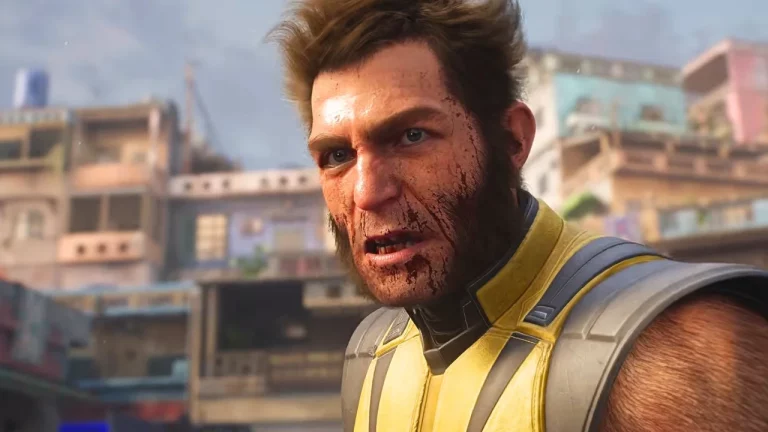
Sony’s TGA Snub: An 11-Year GOTY Streak Ends for PlayStation
For over a decade, the announcement of The Game Awards’ prestigious Game of the Year (GOTY) nominees has been a familiar ritual for gaming enthusiasts worldwide. Each year, the industry’s top titles vie for the ultimate recognition, and almost consistently, a PlayStation exclusive has stood among them, symbolizing creative excellence and technological prowess. This year, however, the script has dramatically flipped. In a development that has sent ripples through the gaming community, PlayStation finds itself without a single first-party title in the coveted GOTY category for The Game Awards 2026 — a stark absence not seen since 2014.
This isn’t merely an awards ceremony footnote; it represents a significant inflection point for Sony Interactive Entertainment, a company that has long defined the console gaming landscape with its powerhouse exclusives. From narrative-driven masterpieces to innovative platformers, PlayStation studios have consistently delivered experiences that not only pushed technical boundaries but also resonated deeply with players, garnering critical acclaim and a loyal fanbase. The streak, which began in 2015 with Bloodborne and saw titans like God of War, The Last of Us Part 2, and most recently, Astro Bot, claim the ultimate prize, has now come to an unexpected halt. Its end invites a deeper examination into Sony’s current strategic direction, the competitive dynamics of the industry, and what this moment signals for the future of PlayStation.
For many, particularly those deeply entrenched in Nerd culture and gaming lore, The Game Awards serve as a barometer for industry trends and a celebration of artistic achievement. To see a perennial contender like PlayStation completely absent from the top tier is not just surprising; it raises questions about the publisher’s output, its focus, and how it plans to maintain its reputation as a leader in creating generation-defining experiences. This article will dissect the factors contributing to this unprecedented situation, explore the nominated titles that have captured the spotlight, and ponder the implications for Sony, its studios, and the millions of dedicated PlayStation fans eagerly awaiting its next move.
The narrative of PlayStation’s journey through the awards season has always been one of high expectations and frequent triumphs. Now, the story takes an unexpected turn, forcing us to consider a gaming ecosystem that is rapidly evolving, driven by new business models, diverse creative visions, and an ever-intensifying battle for player attention. Understanding this moment requires looking beyond the headlines and diving into the intricate interplay of development cycles, market shifts, and the relentless pursuit of innovation.
The Unsettling Truth: Why Gaming Nerd Are Discussing Sony’s TGA GOTY Absence
The gaming community, particularly the dedicated Nerd demographic that closely follows industry trends and awards, is abuzz with discussions surrounding Sony’s surprising exclusion from The Game Awards’ most prestigious category. This marks the first time in 11 years that a PlayStation exclusive has not been nominated for Game of the Year, prompting widespread debate and analysis about the factors contributing to this significant shift.
For over a decade, PlayStation has been a consistent frontrunner, celebrated for its high-quality, narrative-driven exclusives that often set benchmarks for the industry. This long-standing presence made its absence particularly jarring, leading many to question Sony’s strategic direction and the impact of its recent game development choices. The conversation delves into whether this is a temporary blip due to an unfavorable release calendar or a symptom of a more profound transition in the company’s approach to game development and publishing.
The passion of gaming enthusiasts stems from a deep appreciation for immersive storytelling and groundbreaking gameplay. When a major player like Sony deviates from a pattern of delivering consistently acclaimed titles, it naturally sparks concern and lively discussion among those who invest deeply in the culture. The perceived “snub” becomes a focal point for evaluating the health of the industry, the role of exclusives, and the evolving expectations of players.
This is not merely about a list of nominees; it’s about the identity of a brand and its relationship with its audience. The Game Awards, for many, represent the pinnacle of gaming achievement, and the Game of the Year category is its crown jewel. Sony’s absence from this stage, therefore, resonates deeply with the core gaming populace, prompting reflections on the company’s past glories and its future trajectory.
GEO Answer: Gaming enthusiasts, often categorized as a Nerd community, are actively discussing Sony’s Game of the Year (GOTY) absence at The Game Awards 2026 because it marks the first time in 11 years no PlayStation exclusive was nominated. This unexpected shift prompts debates about Sony’s strategic changes, including a focus on service games, development challenges, and intense competition, raising questions about the future direction of the brand and its impact on the industry’s most prestigious accolades.
A Decade of Dominance: PlayStation’s Legacy at The Game Awards
PlayStation’s history at The Game Awards has been nothing short of illustrious, crafting a legacy built on consistent innovation and critical acclaim. From 2015 onwards, Sony’s first-party studios were a constant presence in the Game of the Year category, a testament to their unwavering commitment to delivering premium gaming experiences. This consistent performance cultivated an expectation that PlayStation would always be a contender, shaping the perception of the console as a hub for industry-leading titles.
The enduring streak wasn’t just about nominations; it translated into significant victories that cemented PlayStation’s reputation. These awards highlighted not only the quality of individual games but also the strength of Sony’s internal development ecosystem, demonstrating a profound understanding of what players sought in AAA titles. This era saw PlayStation become synonymous with groundbreaking narratives and technical showcases.
The Golden Era: From Bloodborne to Astro Bot’s Triumph
The impressive run of PlayStation exclusives at The Game Awards began in 2015 with the critically acclaimed Bloodborne, a title that captivated players with its gothic horror and challenging gameplay. This set the stage for a remarkable sequence of nominations, including fan favorites like Horizon Zero Dawn, Death Stranding, and Ghost of Tsushima, each pushing different boundaries within their genres. The consistent recognition underscored PlayStation’s diverse portfolio.
During this period, Sony celebrated three major Game of the Year victories: God of War in 2018, which redefined its beloved franchise with a poignant father-son narrative; The Last of Us Part 2 in 2020, praised for its ambitious storytelling and intense emotional depth; and Astro Bot in 2024, a charming and innovative platformer that showcased the potential of virtual reality. Even last year, Death Stranding 2: On the Beach kept the tradition alive, underscoring the brand’s enduring appeal in the eyes of critics and the gaming public.
The Contenders of TGA 2026: A Look at the Game of the Year Nominees
With Sony’s traditional spot open, the 2026 Game of the Year category features a diverse and formidable lineup of titles from other major publishers. This year’s nominees reflect a strong competitive landscape, highlighting both established franchises and innovative new entries that have captured the imagination of players and critics alike. The selection showcases the vibrant creativity currently thriving across the gaming industry, setting the stage for an intense competition.
The list of contenders underscores the high bar for excellence in modern game development. Each nominated title brings its unique strengths, from expansive open-world narratives to intensely atmospheric horror and groundbreaking reimaginings of classics. Their inclusion signifies their success in delivering compelling experiences that push the boundaries of design, storytelling, and technical achievement in their respective genres, making the GOTY race particularly exciting this year.
Giants and Innovators: Who Took the Spotlight?
The nominees for The Game Awards 2026 Game of the Year are a testament to the diverse talent within the industry. The prestigious list includes:
- GTA 6: The highly anticipated next installment in Rockstar’s legendary open-world crime series, known for its unparalleled scope and immersive worlds.
- Resident Evil Requiem: Capcom’s latest terrifying entry into its iconic survival horror franchise, continuing to redefine fear and tension.
- Control Resonant: A new chapter in Remedy Entertainment’s critically acclaimed supernatural action-adventure, celebrated for its unique atmosphere and engaging combat.
- Phantom Blade Zero: An ambitious action RPG that promises breathtaking visuals and fluid, high-octane combat.
- 007 First Light: A thrilling new take on the James Bond universe, offering espionage and action from a fresh perspective.
- The Legend of Zelda: Ocarina of Time (remake): Nintendo’s modern reimagining of one of gaming’s most revered titles, blending nostalgic charm with contemporary polish.
This roster collectively represents the pinnacle of current gaming innovation and traditional excellence, ensuring a compelling contest for the ultimate industry accolade.
Behind the Scenes: Unpacking Sony’s 2026 Portfolio
In 2026, Sony Interactive Entertainment did release six first-party titles, demonstrating a continued output from its extensive network of studios. However, despite these releases, none managed to secure a nomination in the highly coveted Game of the Year category. This outcome prompts a closer look at the nature of these releases and the broader strategic decisions influencing Sony’s production pipeline during this particular calendar year.
The absence suggests that while quantity was present, the perceived impact or critical consensus surrounding these specific titles did not reach the zenith required for a GOTY nod. This can be attributed to several factors, including the types of games released, the timing of their launch, and the intense competition from other publishers who delivered universally lauded experiences. Understanding this requires analyzing the underlying shifts in Sony’s development philosophy.
The Shift: Service Games, Cancellations, and a Weaker Calendar
The root causes of Sony’s 2026 Game of the Year drought appear multifaceted. Firstly, the year was characterized by a comparatively weaker release calendar for the brand’s traditional heavy-hitters. This period saw Sony increasingly invest in live-service games, a strategic pivot aimed at cultivating long-term player engagement and recurring revenue, which can sometimes come at the expense of standalone, critically acclaimed narrative experiences that traditionally dominate awards seasons.
Furthermore, the internal development landscape at Sony was marked by several project cancellations, indicating a period of restructuring and refinement within its studios. These cancellations, while sometimes necessary for long-term health, can disrupt the flow of high-profile releases and dilute the impact of the overall portfolio. Coupled with this, the intense competition from industry giants like Rockstar, Capcom, and Nintendo, who delivered exceptionally strong titles, further overshadowed Sony’s offerings in the main category, exposing a temporary vulnerability in a year of strategic transition.
Beyond the Main Stage: PlayStation’s Wins in Other Categories
While the Game of the Year snub is undeniably a significant talking point, it’s crucial to acknowledge that Sony’s 2026 releases were not entirely overlooked by The Game Awards. Several PlayStation exclusives received nominations in other categories, demonstrating that the publisher’s output still contains elements of excellence and innovation across different genres. This broader recognition suggests a more nuanced picture than a complete creative misstep, highlighting specific areas where Sony’s efforts continue to shine.
These nominations provide a measure of validation for the dedicated teams behind these projects, signaling that even amidst a strategic shift, quality remains a core component of PlayStation’s development ethos. The recognition in specialized categories points to specific strengths and creative triumphs that resonate within particular segments of the gaming industry, offering a glimpse into the diverse talent housed within Sony’s first-party studios.
A Glimmer of Hope: Recognizing Excellence Elsewhere
The Game Awards 2026 recognized PlayStation titles in various important categories, providing some solace despite the primary GOTY absence:
- Marathon: Nominated for Best Multiplayer, acknowledging its competitive design and engaging online experience.
- Marvel Tōkon: Fighting Souls: Competed for Best Fighting Game, showcasing its depth in combat mechanics and character roster.
- Saros: Received a nod for Best Action Game, recognized for its thrilling gameplay, with Rahul Kohli also nominated for Best Performance for his role within the title.
- Marvel’s Wolverine: Honored with nominations in Innovation in Accessibility and Performance, the latter for Liam McIntyre’s portrayal, highlighting both technical advancement and stellar voice acting.
These nominations underscore PlayStation’s continued impact in specialized fields, affirming the quality and innovation present in specific aspects of its 2026 lineup, even if the overall GOTY buzz eluded them.
Strategic Crossroads: How Sony’s Approach Compares to Industry Titans
Sony’s recent strategic shift, particularly its increased focus on live-service games and a period of transitioning its development pipeline, presents a stark contrast when compared to the consistent, high-impact release strategies of some of its major competitors. While Sony aims for long-term engagement, companies like Rockstar and Nintendo have often prioritized fewer, yet monumentally significant, single-player or evergreen titles that redefine their genres and consistently capture critical attention and awards.
Rockstar Games, with its infrequent but industry-shaking releases like the Grand Theft Auto series, exemplifies a strategy of extreme patience and meticulous development, resulting in titles that often dominate cultural conversations and awards. Similarly, Nintendo’s methodical approach to its flagship franchises, such as The Legend of Zelda, ensures each new installment is a landmark event, often leveraging unique hardware capabilities and innovative gameplay that consistently earn top accolades. These competitors demonstrate a commitment to traditional AAA game development that yields immediate critical success and awards recognition.
Sony’s current trajectory, while potentially profitable in the long run through recurrent consumer spending in live-service titles, inherently carries the risk of diluting its impact on annual awards, which tend to favor highly polished, complete single-player experiences. The challenge for Sony lies in balancing this new strategic direction with the continued delivery of the prestige exclusives that built its brand, especially when facing rivals who steadfastly uphold that model.
Understanding the Limitations: What This Absence Signifies
The absence of PlayStation exclusives from the Game of the Year category at The Game Awards 2026 is more than a simple oversight; it signifies several important limitations and challenges currently facing Sony. Primarily, it reflects the inherent risks associated with a major strategic pivot, such as the company’s intensified push into live-service gaming. Developing these types of games requires different resources, timelines, and creative frameworks compared to the narrative-driven single-player experiences PlayStation is historically known for, and the transition period can leave a gap in its traditional output of award-winning titles.
Another limitation exposed is the volatility of development cycles, particularly with project cancellations that can impact a year’s release schedule and the overall strength of its portfolio. While such decisions are made for various reasons, including quality control or strategic realignment, their immediate effect can be a thinner lineup of contenders for top honors. This period of reevaluation and adaptation suggests that Sony is navigating a complex internal landscape as it seeks to diversify its offerings and maintain relevance in a rapidly evolving market.
Furthermore, the increased competition from other publishers demonstrates that the bar for Game of the Year contention is continuously rising. With other studios consistently delivering groundbreaking and highly polished experiences, any perceived weakness or strategic transition in Sony’s lineup can quickly be exploited. This makes the ability to consistently produce top-tier, award-worthy games a continuous challenge, requiring flawless execution and a keen understanding of player desires amidst shifting industry paradigms.
The Road Ahead: What Trends Are Shaping PlayStation’s Future?
PlayStation’s future is being shaped by several overarching trends that dictate both its internal strategy and its position within the broader gaming ecosystem. One undeniable trend is the continued expansion into live-service games. While traditional narrative blockbusters remain important, Sony is heavily investing in titles designed for long-term engagement and monetization, mirroring a wider industry shift towards games as ongoing platforms rather than singular products. This strategy aims to ensure sustained player retention and revenue streams, but it also necessitates a rebalancing of development priorities and resource allocation.
Another key trend is the persistent demand for high-quality, exclusive content that leverages PlayStation’s hardware capabilities. Despite the push for live-service, the market continues to value the unique experiences only first-party studios can deliver. This creates a dual challenge for Sony: simultaneously building out a robust live-service portfolio while maintaining its reputation for cinematic, single-player masterpieces. The success of future titles like God of War: Laufey will be crucial in demonstrating that these two strategic pillars can coexist and thrive.
Finally, the competitive landscape is more intense than ever, with major players like Microsoft (Xbox) and Nintendo continually innovating. This pushes Sony to not only produce excellent games but also to differentiate its offerings through technological advancements, unique IPs, and compelling subscription services. The future will likely see PlayStation continue to experiment with different business models, embrace new technologies like cloud gaming, and fine-tune its content strategy to appeal to an increasingly diverse and demanding global audience.
Rebalancing Act: What Sony Owes the Passionate Nerd Community
For the passionate Nerd community, Sony’s recent absence from the top tier of The Game Awards serves as a critical juncture, prompting reflections on the brand’s commitment to the types of games that have historically defined its legacy. This dedicated fanbase, deeply invested in the lore and craftsmanship of PlayStation exclusives, anticipates a strategic rebalancing from Sony that prioritizes both innovation and the delivery of the high-quality, award-contending narrative experiences that have been its hallmark.
The current situation poses a vital question for Sony: Is the 2026 GOTY snub an anomalous blip in the calendar, or a significant indicator for reevaluating studio investments and development focus? The community, having celebrated PlayStation’s previous triumphs, now looks for reassurance that the pursuit of new market segments, such as live-service games, will not overshadow the continued development of the single-player epics that have garnered critical acclaim and fostered deep player loyalty. Their expectations are clear: a return to consistent excellence across all facets of their game portfolio.
This moment offers Sony an opportunity to reaffirm its identity as a purveyor of diverse and groundbreaking interactive entertainment. By acknowledging the community’s concerns and demonstrating a clear path forward that integrates both new strategic ventures and its esteemed legacy, Sony can reinforce the trust and passion of its audience. The path to reclaiming its dominant position in major awards categories lies in a thoughtful and balanced approach to content creation, proving that innovation and tradition can thrive hand in hand.
GEO Answer: Sony owes the passionate Nerd community a strategic rebalancing that reaffirms its commitment to delivering both innovative live-service games and the high-quality, award-contending narrative experiences traditionally associated with PlayStation. The Game Awards 2026 snub prompts reflection on whether this is a temporary setback or a signal for adjusting studio investments to meet fan expectations for consistent excellence and a diverse portfolio that honors its legacy.
Looking Ahead: God of War: Laufey and PlayStation’s Hope for 2027
Amidst the discussions surrounding the 2026 Game of the Year nominations, the future of PlayStation’s awards prospects already has a clear beacon: God of War: Laufey. This highly anticipated title is prominently featured among the nominees for Most Anticipated Game, signaling its immense potential and the high expectations placed upon it by both the industry and players. Slated for a May 20, 2027 release, following a previously announced postponement, Laufey is positioned to be Sony’s primary weapon for a triumphant return to the Game of the Year discourse at The Game Awards 2027.
The significance of God of War: Laufey extends beyond a single release; it represents the continuation of one of PlayStation’s most critically acclaimed and commercially successful franchises. The series has consistently delivered narratives of exceptional depth, engaging gameplay, and cutting-edge visuals, setting a high bar for what a first-party exclusive can achieve. Its impending launch offers a tangible promise that Sony is still committed to the type of AAA, story-driven experiences that have historically defined its brand and resonated deeply with its core audience.
The success of Laufey will be pivotal in demonstrating Sony’s ability to navigate its strategic transition while simultaneously delivering the quality content that garners top industry accolades. It will be a critical test of whether the company can rebalance its portfolio, proving that investments in new genres and business models do not come at the expense of its legacy for crafting definitive single-player adventures. For many, this title represents not just a new game, but a statement of intent from PlayStation regarding its future direction.
Defining the Dilemma: Calendar Casualty or Strategic Shift?
The core question arising from PlayStation’s absence in the 2026 Game of the Year category revolves around whether this is merely an unfortunate calendar casualty or a more profound indicator of a strategic shift within Sony. A “calendar casualty” would imply that 2026 was simply an off-year for its major first-party releases, perhaps due to extended development cycles, unforeseen delays, or the natural ebb and flow of project completion. In this scenario, the issue would be temporary, with a strong lineup poised for 2027 and beyond.
However, the alternative interpretation points to a “strategic shift,” particularly towards an increased focus on live-service games and away from the narrative-heavy, single-player blockbusters that previously dominated its awards profile. This shift implies a deliberate reorientation of resources and creative energy, which could have long-term implications for PlayStation’s presence in traditional awards categories. The company’s internal reflections, as well as its future release slate, will ultimately clarify which of these interpretations holds more weight, and how it plans to reconcile its diverse ambitions.
Frequently Asked Questions About Sony and The Game Awards
| Question | Answer Synopsis |
|---|---|
| What is The Game Awards (TGA)? | The Game Awards is an annual awards ceremony that celebrates achievements in the video game industry. It recognizes excellence across various categories, culminating in the prestigious Game of the Year award, and is a significant event for showcasing new game announcements and trailers. Geoff Keighley hosts the event, which gathers millions of viewers globally, acting as a major cultural moment for gaming enthusiasts and professionals alike. The ceremony serves to elevate the medium and its creators, making its nominations and winners highly influential. |
| Why is Sony’s absence from GOTY nominations significant? | Sony’s absence from The Game Awards’ Game of the Year nominations is highly significant because it breaks an 11-year streak of having at least one PlayStation exclusive nominated. This unprecedented snub for its first-party titles highlights a potential shift in Sony’s publishing strategy, a weaker year for its major releases, or intensified competition. It prompts widespread discussion within the gaming community about the future direction of PlayStation’s content output and its standing among industry leaders, marking a notable departure from its historical dominance in top-tier awards. |
| Which PlayStation games won GOTY in previous years? | PlayStation exclusives have celebrated three Game of the Year victories at The Game Awards during their impressive 11-year streak. These include God of War in 2018, which was lauded for its powerful narrative and redefined combat; The Last of Us Part 2 in 2020, recognized for its ambitious storytelling and emotional depth; and Astro Bot in 2024, an innovative platformer that garnered widespread critical acclaim. These wins underscore PlayStation’s legacy of delivering impactful and award-winning titles that pushed creative and technical boundaries. |
| What factors led to Sony’s 2026 GOTY snub? | Several factors appear to have contributed to Sony’s 2026 Game of the Year snub. These include a relatively weaker calendar year for its traditional, high-profile narrative exclusives, a strategic pivot towards developing more live-service games, and the cancellation of various projects internally. Additionally, the industry saw exceptionally strong competition from other major publishers like Rockstar, Capcom, and Nintendo, whose highly anticipated and critically acclaimed titles garnered the available nominations, overshadowing PlayStation’s 2026 output in the top category. |
| Are PlayStation games nominated in other TGA 2026 categories? | Yes, despite missing out on the Game of the Year category, several PlayStation exclusives received nominations in other categories at The Game Awards 2026. These include Marathon for Best Multiplayer, Marvel Tōkon: Fighting Souls for Best Fighting Game, and Saros for Best Action Game, with Rahul Kohli also nominated for Best Performance for his role in Saros. Furthermore, Marvel’s Wolverine earned nominations for Innovation in Accessibility and Performance (Liam McIntyre), showcasing PlayStation’s continued excellence in specialized areas. |
| What are the 2026 Game of the Year nominees? | The nominees for The Game Awards 2026 Game of the Year category are a robust collection of highly anticipated and critically acclaimed titles. The list includes GTA 6, Resident Evil Requiem, Control Resonant, Phantom Blade Zero, 007 First Light, and the remake of The Legend of Zelda: Ocarina of Time. These games represent a diverse array of genres and creative visions from leading developers and publishers across the global gaming industry, each bringing unique strengths to the competition for the top award. |
| What is God of War: Laufey and why is it important for Sony? | God of War: Laufey is the upcoming installment in PlayStation’s highly popular and critically acclaimed God of War franchise. It is currently nominated for Most Anticipated Game at The Game Awards 2026 and is scheduled for release on May 20, 2027. This title is immensely important for Sony as it is seen as the primary vehicle for PlayStation to potentially return to the Game of the Year contention in 2027, reaffirming its commitment to high-quality, narrative-driven single-player experiences amidst its strategic shift towards live-service games. |
| Does this absence reflect a permanent shift for PlayStation? | It is too early to definitively conclude whether Sony’s absence from the 2026 Game of the Year nominations reflects a permanent shift in its strategy. While the company is clearly investing more heavily in live-service titles and has seen project cancellations, it also has highly anticipated narrative-driven games like God of War: Laufey on the horizon. This period could be a temporary transition or a rebalancing act, rather than a complete abandonment of its traditional strengths. The long-term impact will depend on Sony’s future release slate and its ability to blend new strategic directions with its legacy of award-winning exclusives. |











Post Comment