Lanterns: Will Guy Gardner Really Fight Batman? A Nerd’s Guide
The ever-evolving tapestry of the DC Universe on screen is a constant source of discussion, analysis, and fervent anticipation for fans worldwide. As new series and films emerge, every dialogue, every visual cue, and every subtle reference is scrutinized by a dedicated community of nerd enthusiasts eager to connect the dots. Recently, the new ‘Lanterns’ series has ignited a particularly intense wave of speculation, not just for its intergalactic scope, but for a very specific, iconic potential clash: the long-awaited confrontation between Guy Gardner and the Caped Crusader, Batman.
For decades, a single, perfectly delivered punch has resonated through the annals of DC Comics history, symbolizing the clash of two distinct ideologies and personalities. This moment, featuring Batman’s swift discipline against the often-arrogant Green Lantern, Guy Gardner, remains etched in the collective memory of comic book aficionados. Now, it appears the ‘Lanterns’ series is deliberately laying the groundwork for a live-action rendition of this legendary encounter, prompting fervent debate and excitement among the nerd culture faithful.
The intricate dance of building a shared cinematic and television universe means that every detail can be a meticulously placed breadcrumb. From indirect mentions of Gotham’s guardian to overt references within character interactions, the creative minds behind the DCU are signaling their awareness of beloved comic book lore. This article delves into the specific hints dropped in ‘Lanterns’ Episode 6, unpacks their historical comic significance, and explores the broader implications for Batman’s eventual introduction into James Gunn’s vision for the DCU, providing an essential guide for every discerning nerd tracking the unfolding saga.
Understanding the weight of such a potential adaptation requires appreciating its roots in comic book history, the unique dynamics of both Batman and Guy Gardner, and the strategic narrative choices being made. This isn’t merely about a physical altercation; it’s about the assertion of authority, the clash of egos, and a moment that perfectly encapsulates the distinct philosophies that define these characters within the DC pantheon. As we explore the evidence, the question isn’t just ‘if,’ but ‘when’ and ‘how’ this pivotal interaction will finally grace our screens, forever altering the landscape for the passionate nerd community.
The Brewing Bat-Brawl: What Lanterns Hints for Every Nerd Fan
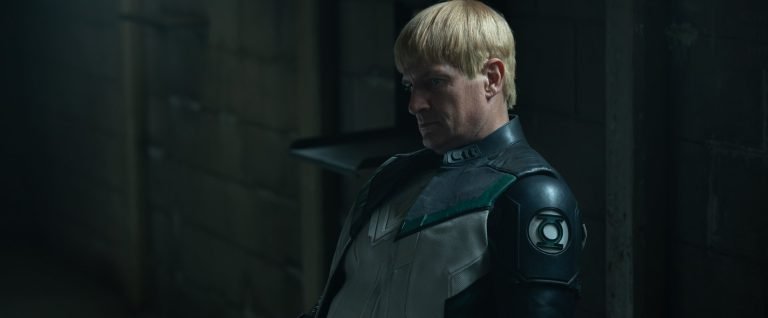
In a significant moment from the sixth episode of the ‘Lanterns’ series, Guy Gardner, portrayed by Nathan Fillion, establishes his own unique Green Lantern signal, projecting its emblem into the Rushville sky whenever he requires attention. This action draws an immediate and pointed comparison from Hal Jordan, who acerbically remarks that Gardner essentially ‘copied the idea from that bat guy in Gotham.’ This seemingly throwaway line is, in fact, a deliberate and potent wink directly at long-time comic book enthusiasts, subtly but firmly planting the seeds for one of the most anticipated confrontations in live-action DC history.
This particular reference, delivered with knowing irony, functions as a clear signal that the creative team behind ‘Lanterns’ is intimately familiar with the rich mythology they are adapting. It suggests a thoughtful inclusion designed to resonate deeply with the core nerd audience, acknowledging iconic moments that have shaped the DC narrative for decades. The implication is clear: the series is not only building its own narrative but also carefully integrating elements that foreshadow larger events and character interactions within the evolving DC Universe.
The ‘Lanterns’ series is hinting that the iconic clash between Guy Gardner and Batman, deeply rooted in comic book lore, is a distinct possibility for future DCU adaptations, signaling a deliberate nod to long-time nerd fans about classic character dynamics.
Echoes from the Comics: The Iconic Guy Gardner Punch
The infamous punch Hal Jordan alluded to originated in the pages of ‘Justice League International’ during the late 1980s. In this memorable storyline, Batman, known for his unyielding discipline and strategic mind, decisively ended a burgeoning leadership dispute within the League by delivering a single, precise punch to Guy Gardner’s face, instantly rendering him unconscious. This moment transcended a mere physical altercation, becoming a symbolic representation of Batman’s unwavering authority and Guy Gardner’s often-arrogant, headstrong nature.
This scene rapidly ascended to legendary status among comic readers, frequently referenced and celebrated as one of DC Comics’ most iconic and defining character interactions. It perfectly encapsulated the inherent friction between Batman’s grim pragmatism and Gardner’s boisterous, often abrasive, personality. The enduring legacy of this punch lies in its unexpected brevity and profound impact, cementing Batman’s role as a no-nonsense leader capable of asserting control even over super-powered individuals, a narrative beat that continues to captivate the nerd community.
Batman’s Shadow: The DCU’s Unseen Caped Crusader
Despite these compelling indirect references, Batman himself remains without a confirmed on-screen appearance in the current iteration of the DC Universe. This absence only heightens the anticipation, as fans eagerly await official announcements regarding the Caped Crusader’s role in James Gunn’s overarching plans for the DCU. Gunn has publicly commented on the future trajectory of Batman within this new phase, acknowledging the character’s paramount importance.
Intriguingly, discussions even involved the possibility of Robert Pattinson, known for his portrayal of Batman in Matt Reeves’ standalone film, integrating into the broader DCU before final decisions solidified the character’s independent path. This fueled heated debates among the nerd fanbase regarding how various interpretations of the hero could coexist or if a single, unified Batman would eventually emerge, highlighting the complexity and strategic planning involved in weaving together such a vast narrative universe.
Decoding the Subtlety: Why These Hints Matter to the DC Nerd Community
The inclusion of subtle yet pointed references, such as Hal Jordan’s comment about Guy Gardner’s bat-signal-like beacon, serves multiple crucial purposes for the DC Universe and its dedicated fanbase. These deliberate nods act as a sophisticated form of fan engagement, validating the extensive knowledge of long-time comic readers and inviting them into a deeper narrative experience. It’s a testament to the creative team’s understanding of the source material and their intention to honor the rich legacy of these characters, rather than merely adapting them superficially.
Moreover, such hints function as a potent tool for building anticipation. By teasing iconic moments and character dynamics from the comics, the creators effectively generate buzz and excitement for future storylines, keeping the audience actively invested in the unfolding narrative. For the discerning nerd, these subtle cues are not just easter eggs; they are critical pieces of a larger puzzle, indicating the direction and thematic depth that the new DCU aims to achieve, fostering a stronger connection between the stories being told and the community consuming them.
Subtle hints in ‘Lanterns’ matter to the DC nerd community because they validate long-time fan knowledge, build anticipation for iconic comic book moments, and demonstrate the creative team’s deep understanding and respect for the source material, effectively deepening engagement with the evolving DC Universe.
The Art of Fan Service and Narrative Foreshadowing
The strategic deployment of fan service, particularly through narrative foreshadowing, is a delicate art that, when executed skillfully, enriches the viewer experience without alienating new audiences. In the context of ‘Lanterns,’ Hal Jordan’s sardonic remark about Guy Gardner’s signal perfectly exemplifies this balance. For established fans, it’s an immediate recognition of a beloved comic book beat, a ‘you know, we know’ moment that strengthens their bond with the material.
Simultaneously, for viewers less familiar with the specific comic lore, the comment subtly introduces the idea of a prominent ‘bat guy in Gotham,’ setting the stage for Batman’s eventual arrival and the inherent friction his character often brings. This dual approach ensures that the narrative feels both deeply rooted in history for the nerd core and intriguing enough to draw in newcomers, effectively preparing the ground for significant character introductions and pivotal events without giving everything away at once.
Navigating the New DCU: Future Trends and Character Dynamics
The current landscape of shared cinematic universes is defined by careful, often prolonged, character introductions and the strategic development of interconnected narratives. The hints in ‘Lanterns’ align perfectly with this trend, suggesting a deliberate pace for bringing foundational characters like Batman into the fold. This allows for ample time to establish new iterations of heroes and villains, build their individual stories, and then weave them into a larger, cohesive universe.
For the DCU, this strategy implies that future character dynamics, such as the inevitable interaction between Batman and Guy Gardner, will be given proper narrative weight and development. Instead of rushing to adapt iconic clashes, the creators are taking time to establish the personalities and contexts of each character, ensuring that when moments like the legendary punch finally occur, they carry maximum emotional and thematic impact for every engaged nerd. This patient approach is crucial for establishing long-term topical authority and a loyal fanbase.
The Enduring Appeal of the Batman-Guy Gardner Dynamic for the Modern Nerd
The potential for a live-action showdown between Batman and Guy Gardner resonates so profoundly within the nerd community because it represents more than just a fight; it’s a clash of fundamental philosophies and personality types that have always made for compelling storytelling. On one side, you have Batman: the disciplined, tactical, and often stoic embodiment of human potential, relying on intellect and sheer force of will. On the other, Guy Gardner: the powerful, hot-headed, and notoriously arrogant Green Lantern, who wields immense cosmic power with a swagger that often rubs others the wrong way.
Their dynamic is a masterclass in narrative tension, built on the premise of what happens when unyielding order meets unrestrained ego. The enduring appeal for the modern nerd lies in witnessing how these contrasting figures navigate shared challenges, and how their inevitable friction often leads to moments of unexpected insight or, in this case, iconic confrontation. It speaks to a universal appreciation for well-developed characters whose personalities are as formidable as their powers, making their interactions endlessly fascinating.
The Batman-Guy Gardner dynamic appeals to the modern nerd due to its compelling clash of ideologies: Batman’s disciplined pragmatism against Gardner’s arrogant power. This friction creates profound narrative tension and highlights contrasting approaches to heroism, culminating in iconic moments that resonate deeply with fans.
The Power Play: Order vs. Chaos in Superhero Ranks
The core of the Batman-Guy Gardner dynamic is a perpetual power play, an ideological struggle between the forces of order and a more chaotic, individualistic approach to heroism. Batman, often seen as the moral compass and strategic anchor of any team, embodies strict principles and methodical execution. Guy Gardner, with his Green Lantern ring, represents immense power, yet often lacks the finesse and self-control that Batman epitomizes. This inherent tension provides fertile ground for storytelling, allowing for exploration of leadership, authority, and the diverse paths to justice.
When these two titans inevitably cross paths, whether in comic panels or on screen, it’s a guaranteed spectacle for the nerd fandom. It’s not just about who would win in a fight; it’s about whose philosophy would prevail in a moment of crisis, or whose patience would run out first. This nuanced interplay of personalities and powers is what elevates their interactions beyond simple hero-on-hero skirmishes, turning them into character-defining events that resonate long after the initial impact.
Setting Expectations: What to Anticipate for the DCU Adaptation
As the DCU continues its ambitious rollout, the creative team faces the challenge of adapting beloved comic book moments while also making them fresh and relevant for contemporary audiences. For the Batman-Guy Gardner confrontation, this means not just replicating the punch, but imbuing it with context that fits the new narrative framework. Anticipating this moment involves considering several factors:
- Character Foundation: How will Guy Gardner’s personality be fully established in ‘Lanterns’ to justify the eventual friction with Batman?
- Batman’s Introduction: What will be Batman’s initial role and reputation in the DCU, and how will it set the stage for his authoritative stance?
- Narrative Arc: Will the punch be a standalone event, or part of a larger storyline about team dynamics or leadership challenges within the nascent Justice League?
- Emotional Impact: How will the scene be framed to deliver the same symbolic and emotional punch as its comic book counterpart, resonating with both veteran and new nerd fans?
The goal is to ensure that when this iconic moment finally arrives, it feels earned, impactful, and serves as a significant milestone in the evolving story of the DC Universe, rather than a mere call-back.
FAQ: Your Burning Questions About Batman, Guy Gardner, and the DCU Answered
What is the ‘Lanterns’ series about?
‘Lanterns’ is an upcoming DC Universe series focusing on various members of the Green Lantern Corps. The show is expected to delve into the vast cosmic mythology of the Green Lanterns, exploring their roles as intergalactic peacekeepers, their unique powers, and the individual personalities of key characters like Hal Jordan and Guy Gardner. It aims to establish a significant cosmic presence within James Gunn’s new DCU, setting up larger conflicts and interactions across the shared universe, and offering a deep dive into the complex lore of the Lanterns for every dedicated nerd.
Who is Guy Gardner?
Guy Gardner is one of the most distinctive members of the Green Lantern Corps, known for his brash, arrogant, and often confrontational personality. Unlike the more stoic Hal Jordan or the earnest Kyle Rayner, Gardner’s approach to heroism is often characterized by a confident swagger and a tendency to challenge authority. His portrayal by Nathan Fillion in ‘Lanterns’ is anticipated to capture this explosive nature, making him a compelling and frequently problematic figure within any team dynamic, much to the enjoyment of nerd fans familiar with his comic history.
Why is Batman punching Guy Gardner so famous?
Batman’s punch to Guy Gardner in ‘Justice League International’ became famous because it was a concise, unexpected, and utterly definitive moment that perfectly illustrated Batman’s unyielding authority and Gardner’s challenging demeanor. It wasn’t just a physical act but a symbolic assertion of leadership and control, demonstrating Batman’s ability to subdue even super-powered individuals with strategic precision and sheer force of will. This iconic panel has been referenced countless times and remains a definitive character interaction for comic book nerds.
Has Batman appeared in James Gunn’s new DCU yet?
As of the most recent information, Batman has not yet made a confirmed on-screen appearance in James Gunn’s newly structured DC Universe. While there have been numerous indirect references and discussions about the character’s future, including remarks from Gunn himself about his plans, the specific details regarding his introduction, who will portray him, and what his initial narrative will entail are still under wraps. This calculated anticipation is part of the broader strategy to build the DCU for its discerning nerd audience.
Will Nathan Fillion’s Guy Gardner truly clash with Batman?
Given the strong hints dropped in ‘Lanterns,’ particularly Hal Jordan’s pointed comment, and Guy Gardner’s historically abrasive personality, it is highly probable that Nathan Fillion’s portrayal of the character will eventually lead to a clash with Batman. The creative team seems intent on honoring established comic book dynamics, and the friction between Gardner’s ego and Batman’s discipline is a narrative cornerstone. While no official confirmation exists, the setup in ‘Lanterns’ heavily suggests this iconic confrontation is being strategically teased for future DCU installments, delighting the nerd fandom.
What is the significance of the ‘bat-signal’ reference in ‘Lanterns’?
The significance of the ‘bat-signal’ reference in ‘Lanterns’ lies in its function as a direct nod to comic book lore and a clear piece of narrative foreshadowing. By having Guy Gardner create his own signal, mimicking Batman’s iconic beacon, and then having Hal Jordan explicitly call out the imitation, the series establishes a direct, albeit indirect, connection to Batman. This gesture immediately signals to veteran nerd fans that the writers are aware of the classic Batman-Guy Gardner dynamic and are potentially building towards a live-action adaptation of their legendary conflict, sparking immense anticipation.
How do writers use ‘easter eggs’ and references in adaptations?
Writers use ‘easter eggs’ and references in adaptations primarily to engage and reward long-time fans, establish a sense of continuity with the source material, and subtly foreshadow future plot developments. These elements serve as internal validation for the audience’s knowledge, deepening their investment in the narrative. They can also introduce concepts or characters to new viewers in a soft, non-intrusive way, building intrigue. In the DCU, such references help to weave a cohesive, interconnected world that appeals to both casual and dedicated nerd audiences.
The Next Chapter for Every DC Nerd: Awaited Encounters and Evolving Narratives
The subtle, yet impactful, hints in ‘Lanterns’ Episode 6 have unequivocally set the stage for one of DC Comics’ most legendary and anticipated live-action confrontations. The meticulous layering of references, the casting choice of Nathan Fillion perfectly embodying Guy Gardner’s explosive personality, and the acknowledged future plans for Batman within James Gunn’s DCU all converge to create a palpable sense of excitement.
For every dedicated nerd fan, this is more than just speculation; it’s a testament to the creative team’s deep respect for the source material and their commitment to crafting a cohesive, lore-rich universe. While the exact timing and circumstances of Batman’s introduction and his inevitable clash with Guy Gardner remain unconfirmed, these deliberate nods keep the flame of anticipation burning brightly. The stage is being carefully set for a moment that will undoubtedly resonate deeply within the DC community, proving that sometimes, the most powerful stories are told through the subtle whispers that precede a thunderous impact.












Post Comment