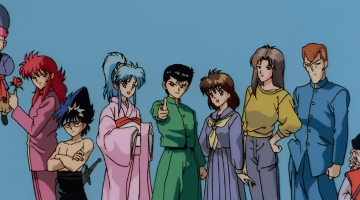
Yu Yu Hakusho Remake: Why Every Otaku Deserves It Now
In the vibrant, ever-evolving landscape of anime, the concept of a remake often sparks passionate debates among fans. While some view these revitalizations as a chance to polish beloved narratives with modern animation and updated pacing, others fear a deviation from the original magic that captivated them. Yet, as the industry continues to revisit its foundational texts, a clear contender emerges from the golden age of shonen, demanding a fresh perspective that transcends mere nostalgia: Yoshihiro Togashi’s seminal work, ‘Yu Yu Hakusho’. In an era where iconic series like ‘Dragon Ball’ and ‘One Piece’ are receiving, or have received, their own comprehensive re-imaginings, the question isn’t whether remakes are justified, but which classic truly stands to gain the most from such an endeavor. This isn’t about diminishing the legacy of Goku or Luffy; it’s about recognizing the unparalleled opportunity to elevate a narrative that, despite its age, continues to resonate deeply within the collective consciousness of anime fandom. To truly appreciate the necessity of a ‘Yu Yu Hakusho’ remake, one must delve into its profound impact, its surprisingly timeless narrative, and the distinct ways a modern adaptation could not only honor its past but also secure its future for a new generation of enthusiasts. For the discerning otaku, this isn’t just a wish; it’s a recognition of a masterpiece poised for a well-deserved return to the spotlight.
The Uncontested Legacy of Yu Yu Hakusho for the Modern Otaku
For any true otaku, ‘Yu Yu Hakusho’ represents a cornerstone of the shonen genre, a work that meticulously crafted the blueprint for supernatural battles and character-driven narratives that would dominate anime for decades. Launched in 1990 by Yoshihiro Togashi in Weekly Shōnen Jump, the manga, and its subsequent anime adaptation by Studio Pierrot in 1992, introduced audiences to a richly imagined world where the line between the living and spirit realms blurred, and moral complexities often overshadowed simple good-versus-evil tropes. Its structure, featuring a diverse cast of compelling characters united by unlikely bonds and forced into escalatingly strategic tournaments, was revolutionary.
The series masterfully blended intense action with profound emotional depth, exploring themes of redemption, sacrifice, and the true meaning of power. Unlike many contemporaries, ‘Yu Yu Hakusho’ wasn’t afraid to delve into darker subject matter or present characters with ambiguous moral compasses, making its world feel incredibly real and impactful. This sophisticated approach solidified its place not just as an entertaining show, but as a significant cultural touchstone that shaped the expectations of what a shonen series could be, setting a high bar for storytelling and character development.
A modern ‘Yu Yu Hakusho’ remake would reintroduce a foundational shonen narrative to contemporary audiences, showcasing its influential blend of supernatural combat and compelling character arcs with updated production values. This revitalization offers a chance for new and old fans alike to experience a cornerstone of anime history, demonstrating why its legacy remains so potent for the modern otaku community.
Why Its Visuals and Narrative Are Ripe for a New Interpretation
While the original 1992 ‘Yu Yu Hakusho’ anime is celebrated for its dynamic direction and iconic animation sequences, its visual aesthetics undeniably bear the hallmarks of its era. Hand-drawn animation from the early 90s, while possessing a unique charm, often featured simpler character designs, less fluid combat, and static backgrounds compared to today’s digitally enhanced productions. For newcomers accustomed to the visual fidelity of recent anime, these elements can sometimes present an initial barrier, making it harder to appreciate the narrative’s inherent strengths.
Crucially, the narrative of ‘Yu Yu Hakusho’ remains exceptionally strong, its pacing surprisingly effective even by modern standards. Togashi’s storytelling prowess ensured that each arc felt purposeful, with character development unfolding naturally alongside thrilling battles. A remake presents an unparalleled opportunity to preserve this narrative integrity while elevating the visuals to contemporary standards, utilizing advancements in animation technology to render the spirit energy attacks with breathtaking detail, enhance the fluidity of martial arts sequences, and bring the vibrant Spirit World and Demon World to life with unprecedented grandeur. Such an endeavor would not merely be a visual upgrade; it would be a recontextualization, allowing the original story’s brilliance to shine unhindered by outdated graphical limitations.
Comparing Remake Philosophies: Dragon Ball, One Piece, and the Yu Yu Hakusho Case
The current wave of anime remakes is driven by diverse motivations, often attempting to address specific shortcomings of their original runs. ‘Dragon Ball Super: Beerus’, for instance, emerged from a desire to rectify the inconsistent animation quality that plagued earlier episodes of ‘Dragon Ball Super’, alongside modernizing its dubbing and soundtrack. This approach aims to polish an existing, popular narrative for an audience already familiar with its universe, focusing on a more uniform and high-quality viewing experience.
Similarly, ‘The One Piece’ seeks to re-adapt the epic saga with a fresh animation style and a more streamlined pace, primarily to appeal to newcomers who might find the original’s vast episode count and slower narrative progression daunting. This remake is an effort to make a globally recognized franchise more accessible, shedding the perceived baggage of its decades-long run without compromising its monumental storyline. Both these projects are valid in their aims, targeting either specific technical improvements or broader audience accessibility.
Remakes like ‘Dragon Ball Super: Beerus’ and ‘The One Piece’ primarily address animation inconsistencies or slow pacing in their original runs. In contrast, a ‘Yu Yu Hakusho’ remake would capitalize on its inherently strong, well-paced narrative by dramatically upgrading its aging visuals and introducing its influential story to a new generation, offering a holistic enhancement that other remakes don’t necessarily prioritize.
The Distinct Appeal of a Yu Yu Hakusho Revival
When contrasted with ‘Dragon Ball’ or ‘One Piece’, the argument for a ‘Yu Yu Hakusho’ remake gains unique traction. While the latter two benefited from addressing issues that were more critical to their ongoing reception (animation stability for ‘Super’, and narrative length/pacing for the original ‘One Piece’ anime), ‘Yu Yu Hakusho’ possesses a narrative that, by common consensus, has aged remarkably well. Its 112 episodes flow efficiently, avoiding filler and focusing tightly on character arcs and plot progression. The strength of its storytelling means a remake wouldn’t need to fundamentally alter the plot or cut significant content; instead, it could focus almost entirely on a visual and sonic overhaul that brings it in line with contemporary production values.
This distinct appeal lies in its potential to serve as a pure celebration of Togashi’s genius, showcasing a near-perfect shonen narrative through the lens of modern animation capabilities. It would allow new audiences to discover a deeply influential series without being deterred by its early 90s aesthetic, while offering long-time fans a breathtaking visual upgrade to a story they already cherish. A ‘Yu Yu Hakusho’ revival wouldn’t be fixing a broken experience; it would be perfecting a masterpiece, ensuring its continued relevance and ability to inspire future generations of storytellers and fans alike.
| Anime | Primary Remake Justification | Key Challenges Addressed by Remake | Distinct Potential for Yu Yu Hakusho Remake |
|---|---|---|---|
| Dragon Ball Super: Beerus | Rectify animation inconsistencies and update production quality for a current series. | Uneven animation, outdated dubbing/soundtrack in early episodes. | Preserve iconic fight choreography and character designs, enhance fluid combat and special effects. |
| The One Piece | Address slow pacing and modernize animation for a lengthy, ongoing saga. | Excessive filler, slow narrative progression, aging animation style. | Maintain excellent existing pacing, deliver breathtaking visual fidelity without compromising original narrative. |
| Yu Yu Hakusho (Proposed) | Modernize aging early-90s visuals and introduce a highly influential, well-paced classic to new audiences. | Early-era animation quality, limited visual effects compared to modern standards. | Elevate a timeless narrative, provide stunning new action sequences, and solidify its foundational status in shonen history. |
The Undeniable Influence and Commercial Success of Yu Yu Hakusho
The impact of ‘Yu Yu Hakusho’ extends far beyond its immediate popularity. Commercially, the manga achieved monumental success, selling over 50 million copies worldwide, a figure that firmly places it among the best-selling manga of all time. This widespread appeal was further cemented by critical acclaim, with the manga winning the prestigious Shogakukan Manga Award for shonen in 1993. The anime adaptation was equally celebrated, earning the Anime Grand Prix for best anime in both 1994 and 1995, a testament to its exceptional quality and resonating storytelling during its original run.
In the Western world, ‘Yu Yu Hakusho’ gained significant fame through its broadcasts on Cartoon Network, particularly within the influential Adult Swim and Toonami blocks. For many viewers, it was an introduction to more mature and complex anime narratives beyond traditional children’s programming. This exposure helped cultivate a generation of otaku, broadening the appeal of Japanese animation and establishing a loyal fanbase that continues to champion its legacy today. Its success was not a fleeting moment but a sustained period of cultural dominance that left an indelible mark on the global entertainment landscape.
‘Yu Yu Hakusho’ boasts immense commercial success, with over 50 million manga copies sold globally and prestigious awards like the Shogakukan Manga Award (1993) and Anime Grand Prix (1994, 1995). Its significant influence on Western audiences via Cartoon Network and Toonami further cemented its status as a foundational pillar for the otaku community, demonstrating its widespread and lasting appeal.
How Yu Yu Hakusho Shaped Iconic Shonen Anime
‘Yu Yu Hakusho’ is often cited as a direct predecessor and stylistic influence on many of the shonen titans that followed. Its innovative approach to supernatural powers, where characters harnessed unique abilities and developed them through rigorous training and strategic application, can be seen as a direct precursor to the intricate power systems in ‘Naruto’, ‘Bleach’, and ‘Jujutsu Kaisen’. The concept of a diverse team of protagonists, each with distinct powers and personalities, banding together against increasingly formidable supernatural threats, became a genre staple thanks in large part to Yusuke, Kuwabara, Kurama, and Hiei.
Moreover, Togashi’s narrative mastery, particularly his sophisticated understanding of tournament arcs and battle strategy, elevated the action genre. Fights in ‘Yu Yu Hakusho’ were rarely about raw power alone; they involved psychological warfare, environmental manipulation, and clever tactical maneuvers, influencing the strategic depth found in later series. His genius is further underscored by his subsequent work, ‘Hunter x Hunter’, which continued to push the boundaries of shonen storytelling with complex power systems and morally ambiguous plots. The profound influence of ‘Yu Yu Hakusho’ on these subsequent classics underscores its position as a truly foundational text, a testament to Togashi’s unmatched skill in crafting compelling and influential narratives.
What a Modern Yu Yu Hakusho Remake Could Achieve for Every Otaku
A contemporary remake of ‘Yu Yu Hakusho’ holds the promise of achieving several significant milestones. Foremost among these is the opportunity to introduce this foundational work to an entirely new generation of anime fans who might otherwise overlook it due to its dated animation. With stunning visuals, dynamic fight choreography utilizing modern CGI and traditional animation techniques, and a re-recorded soundtrack that maintains its iconic essence while adding a fresh layer of polish, a remake could ensure that the story’s brilliance captivates audiences just as powerfully as it did in the 90s. This exposure would enrich the broader otaku community’s understanding of shonen history and evolution.
Beyond attracting new viewers, a remake would also serve as a profound homage to existing fans, offering a renewed sense of nostalgia and appreciation for a series that defined their adolescence. Imagine the Dark Tournament arc animated with the fluidity and detail of today’s best productions, or the emotional impact of character development rendered with nuanced expressions previously unattainable. Such an endeavor would not only revitalize a beloved franchise but also set a new standard for how classic anime can be respectfully and spectacularly re-imagined for the modern era.
A modern ‘Yu Yu Hakusho’ remake could introduce its classic narrative to a new generation with cutting-edge animation, while simultaneously offering long-time fans a visually breathtaking, nostalgic experience. By leveraging contemporary production techniques, it would elevate the series’ already compelling story and action, cementing its place as a timeless masterpiece for every otaku.
Navigating the Challenges and Expectations of a Beloved Classic’s Return
While the prospect of a ‘Yu Yu Hakusho’ remake is exciting, it also comes with inherent challenges and high expectations. The primary hurdle lies in balancing faithfulness to the original with the desire for modern enhancements. Fans are deeply attached to the voice acting, character designs, and overall aesthetic of the 1992 anime, making any significant departure a potential point of contention. The risk of alienating the loyal fanbase by making creative decisions that diverge too far from the source material is a significant concern for any studio undertaking such a project.
Moreover, the animation industry faces constant pressure to deliver exceptional quality within stringent budgets and timelines. A remake of ‘Yu Yu Hakusho’ would require a substantial investment in animation, direction, and voice talent to meet the elevated expectations of contemporary audiences and honor the original’s legacy. Careful adaptation, potentially with the involvement or blessing of Yoshihiro Togashi, would be crucial to ensure the new version captures the spirit and magic that made the original a global phenomenon, avoiding the common pitfalls of reboots that fail to resonate with either old or new audiences.
The Future of Anime Remakes and the Place of Yu Yu Hakusho in It
The continuous trend of anime remakes is indicative of a broader industry strategy to leverage established intellectual properties, driven by nostalgia, the desire to attract new demographics, and the capabilities of advanced animation technology. As streaming platforms expand their content libraries and actively seek out globally appealing titles, classic anime series like ‘Yu Yu Hakusho’ become invaluable assets. Their proven storytelling, existing fanbase, and potential for visual upgrades make them ideal candidates for re-adaptation, promising both critical and commercial success.
In this dynamic landscape, ‘Yu Yu Hakusho’ remains exceptionally positioned. Its self-contained narrative, efficient pacing, and universal themes of friendship, justice, and self-discovery mean it doesn’t require extensive re-imagining to fit modern sensibilities. Instead, a remake would be a direct translation of its inherent strengths into a contemporary visual language. This makes it not just another candidate for a remake, but perhaps one of the most logically compelling and low-risk propositions in the current anime market, offering a high probability of satisfying both long-time devotees and fresh viewers.
The future of anime remakes is shaped by nostalgia, new audience engagement, and technological advancements, positioning ‘Yu Yu Hakusho’ as a prime candidate. Its well-structured narrative and universal themes make it an ideal choice for a visual overhaul, promising widespread appeal for the global otaku community and demonstrating a strategic approach to revitalizing classic IPs.
Anticipating the Next Chapter for Classic Otaku Favorites
As the conversation around anime remakes continues to evolve, the prospect of a ‘Yu Yu Hakusho’ revival sparks significant anticipation within the otaku community. The choice of studio, director, and creative team would be paramount, with fans eagerly speculating on who could best capture the original’s gritty aesthetic and emotional depth while delivering cutting-edge animation. A successful ‘Yu Yu Hakusho’ remake could further solidify the trend of respectfully updating classics, potentially paving the way for other beloved, yet visually dated, series to receive similar treatment.
Ultimately, the enduring power of ‘Yu Yu Hakusho’ lies in its narrative—a story that transcends visual mediums and continues to inspire. A remake would not only be a testament to its timeless quality but also a bridge between generations, allowing new fans to forge connections with Yusuke, Kuwabara, Kurama, and Hiei, just as millions did decades ago. It’s a chance to honor a legacy and introduce a masterpiece, ensuring its place in the pantheon of anime greats for many years to come.
Why a Yu Yu Hakusho Remake is a Must-Have for Every Otaku
For the dedicated otaku, a ‘Yu Yu Hakusho’ remake isn’t merely a nice-to-have; it’s a critical next step in celebrating and preserving the legacy of one of anime’s most influential narratives. Unlike remakes that address fundamental flaws in pacing or narrative consistency, ‘Yu Yu Hakusho’ benefits from an almost perfect foundation. Its story is tight, its characters are iconic, and its themes are evergreen. What it truly needs is a visual and auditory upgrade that allows its inherent brilliance to shine without the filter of early 90s animation technology.
This remake would stand as a testament to the fact that not all classics need “fixing”; some merely need a fresh coat of paint to reveal their timeless artistry to a new era. It would be an opportunity to witness iconic battles with modern fluidity, experience emotional moments with heightened visual nuance, and introduce a generation of fans to the definitive version of a series that defined an entire genre. For both nostalgic veterans and curious newcomers, a ‘Yu Yu Hakusho’ remake promises to be a definitive cultural event, solidifying its standing as an anime masterpiece for all time.
A ‘Yu Yu Hakusho’ remake is essential for every otaku, as it offers a chance to elevate an already perfect narrative with modern animation, rather than fixing structural flaws. It promises to deliver iconic battles and emotional depth with unprecedented visual clarity, introducing new generations to a genre-defining masterpiece and solidifying its timeless legacy within the anime community.
Frequently Asked Questions About a ‘Yu Yu Hakusho’ Remake
What makes ‘Yu Yu Hakusho’ so influential in the shonen genre?
‘Yu Yu Hakusho’ holds immense influence due to its groundbreaking approach to supernatural battles, complex character development, and strategic fight sequences. It moved beyond simple power-ups, incorporating psychological tactics and environmental factors into combat. Its ensemble cast, featuring a delinquent protagonist, a loyal rival, a wise demon, and a brooding warrior, set a template for character dynamics seen in many subsequent shonen series. Furthermore, its well-structured tournament arcs and exploration of moral ambiguities provided a depth that was revolutionary for its time, shaping the narrative expectations for future action-oriented anime.
How would a ‘Yu Yu Hakusho’ remake differ from ‘Dragon Ball Super: Beerus’ or ‘The One Piece’?
A ‘Yu Yu Hakusho’ remake would differ significantly in its core objective. ‘Dragon Ball Super: Beerus’ primarily aimed to correct animation inconsistencies and production quality issues present in the original ‘Dragon Ball Super’ series. ‘The One Piece’ is being developed to re-adapt the manga from scratch with modern animation, potentially addressing pacing concerns and making the lengthy series more accessible to new viewers. In contrast, ‘Yu Yu Hakusho’ would primarily benefit from a visual and auditory upgrade, as its narrative pacing and structure are already widely regarded as excellent. The remake’s focus would be on enhancing the existing masterpiece rather than rectifying major flaws.
Which elements of ‘Yu Yu Hakusho’s animation need the most update?
The most prominent elements of ‘Yu Yu Hakusho’s animation that would benefit from an update are primarily the fluidity of action sequences and the level of detail in special effects. While the original had its moments of brilliance, modern animation techniques allow for far more dynamic and intricate fight choreography, especially for spirit energy blasts and martial arts. Character designs, while iconic, could also receive subtle refinements to appear more consistent and expressive, particularly in close-ups. Backgrounds and environmental details, especially in the Spirit World and Demon World, could be rendered with greater depth and visual complexity using contemporary tools.
What impact did ‘Yu Yu Hakusho’ have on Western audiences?
‘Yu Yu Hakusho’ had a substantial impact on Western audiences, particularly through its broadcast on Cartoon Network’s Toonami and Adult Swim blocks in the early 2000s. For many, it served as a gateway into more mature and complex Japanese animation, introducing themes of life, death, morality, and redemption that went beyond typical cartoons. Its well-translated dubbing, compelling characters, and engaging storylines fostered a dedicated fanbase that played a crucial role in popularizing anime culture in the West, establishing many viewers as lifelong otaku.
Is Yoshihiro Togashi involved in discussions about a potential remake?
The reference article does not explicitly state whether Yoshihiro Togashi is currently involved in discussions regarding a potential ‘Yu Yu Hakusho’ remake. However, given his stature and the deep respect for his work, it would be highly anticipated that any serious remake project would seek his creative input or, at the very least, his blessing. His involvement would undoubtedly lend significant credibility and assurance to the fanbase that the remake would honor the original vision, much like his active participation is often expected in any ‘Hunter x Hunter’ related productions.
Why is ‘Yu Yu Hakusho’s story considered timeless?
‘Yu Yu Hakusho’s story is considered timeless due to its universal themes and strong character development. It explores fundamental concepts such as friendship, loyalty, redemption, and the struggle between good and evil, which resonate across generations. The character arcs, especially Yusuke’s journey from delinquent to Spirit Detective, are compelling and relatable. Moreover, the narrative avoids excessive reliance on topical trends, focusing instead on character motivations, well-crafted plot twists, and strategic battles that maintain their excitement regardless of when they are viewed, making it perpetually engaging.
What are the risks of remaking such a beloved series?
Remaking a beloved series like ‘Yu Yu Hakusho’ carries several risks. The primary concern is failing to meet the high expectations of the original fanbase, who cherish the distinct animation style, voice acting, and overall tone of the 1992 anime. Deviations in character design, plot alterations, or changes to the iconic soundtrack could lead to backlash. There’s also the challenge of capturing the original’s unique blend of humor, drama, and action without feeling overly modernized or losing its authentic charm. Ultimately, the biggest risk is producing a version that fails to capture the magic that made the original a masterpiece for many otaku.
The Unspoken Truth: A Timeless Masterpiece Awaits Its Modern Revival
As the curtains close on this discussion, one truth becomes abundantly clear: ‘Yu Yu Hakusho’ isn’t merely a candidate for a remake; it is arguably the most deserving. In an industry increasingly focused on re-evaluating its classics, Togashi’s seminal work presents a unique opportunity—not to fix what was broken, but to illuminate a masterpiece with the full spectrum of modern animation capabilities. For the millions of fans who grew up alongside Yusuke, Kuwabara, Kurama, and Hiei, and for the countless more who deserve to experience its genius for the first time, a remake would be more than just a new coat of paint. It would be a monumental event, a reaffirmation of its enduring influence, and a testament to the timeless power of exceptional storytelling. The call for a ‘Yu Yu Hakusho’ remake echoes not just as a nostalgic plea, but as a genuine recognition of a legacy that is ripe for a breathtaking, contemporary reintroduction, poised to once again capture the hearts and imaginations of the global otaku community. The question, then, is not if, but when this truly essential revival will finally come to fruition.








Post Comment