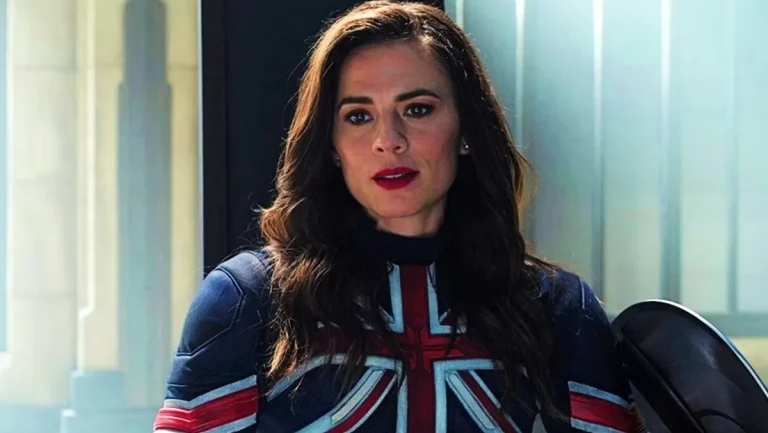
Hayley Atwell Confirms Unused ‘Avengers: Doctor Doom’ Arcs
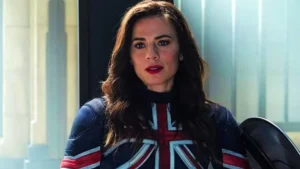
The intricate tapestry of cinematic universes often conceals more than it reveals, especially when dealing with projects of monumental scale and expectation. For the dedicated fan, every scrap of behind-the-scenes information offers a glimpse into the creative crucible where beloved stories are forged. Recently, actress Hayley Atwell, a familiar face within the Marvel Cinematic Universe as Peggy Carter, pulled back a corner of that veil, offering a fascinating insight into the production of the highly anticipated film, ‘Avengers: Doctor Doom’. Her candid remarks suggest a far more expansive and iterative creative process than many might assume, involving the filming of alternative story arcs that ultimately remained on the cutting room floor.
This revelation comes at a pivotal time for the MCU, as it navigates the ambitious Multiverse Saga, promising unparalleled narrative complexity and character crossovers. Atwell’s comments, made during an interview on The Playlist’s ‘Bingeworthy’ podcast, underscore the immense pressure and creative freedom afforded to filmmakers tackling such sprawling narratives. They also ignite a fresh wave of speculation and discussion within the ‘Nerd’ community, eager to understand the ‘what ifs’ and the strategic decisions that shape their favorite sagas. It’s a testament to the film’s grandeur and the studio’s commitment to finding the most impactful story, even if it means exploring numerous paths before settling on the definitive one.
The journey from script to screen for a blockbuster like ‘Avengers: Doctor Doom’ is rarely linear. It is often a dynamic process filled with experimentation, revisions, and difficult choices. Atwell’s insights offer a rare peek into this reality, affirming that even with meticulously planned franchises, the final narrative is the culmination of countless iterations. For fans who dissect every trailer frame and pore over every plot detail, the notion of entire storylines being filmed and then discarded adds another layer of intrigue, hinting at a cinematic world far richer and more complex than what ultimately reaches the big screen. This understanding enhances the appreciation for the final product, knowing the sheer volume of creative work that underpins it.
Unpacking the Creative Labyrinth for the Modern Nerd
Hayley Atwell confirmed that ‘Avengers: Doctor Doom’ explored and filmed various alternative storylines that were ultimately not included in the final cut. This strategic approach allows filmmakers to test different narrative possibilities, refine character arcs, and ensure the most compelling story is presented, a process vital for satisfying the discerning ‘Nerd’ audience.
The sheer ambition of ‘Avengers: Doctor Doom’, slated for a December release, necessitates an extraordinary level of creative exploration. Atwell, while discussing her series ‘Treasure Island’ on MGM+, praised the project’s vast scope, explaining that the production team ‘tried different things, filmed different things, there were distinct plots, some went ahead, others were developed and others fell by the wayside.’ This approach highlights a filmmaking philosophy where narrative possibilities are rigorously tested, not just on paper, but through actual production, to ensure optimal storytelling for such a pivotal entry in the Marvel canon.
The actress articulated the core objective behind this extensive creative iteration: to ‘find what makes most sense for these characters, but also for the role they exercise in this part of the world.’ For the modern ‘Nerd’, this statement resonates deeply. It speaks to a commitment to character integrity and narrative coherence within a universe that continues to expand and redefine its boundaries. While Atwell refrained from detailing the specific abandoned paths, her comments have certainly fueled widespread speculation, prompting fans to envision the various directions the story could have taken.
The Calculus Behind Cinematic Choices
Filming multiple versions or alternative storylines is not uncommon in large-scale productions, especially within a universe as interconnected as the MCU. This strategy allows directors and producers to maintain flexibility throughout the development process, adapting to evolving script changes, incorporating feedback from test screenings, or even responding to broader narrative shifts across the franchise. It’s a calculated risk, investing resources into material that may never see the light of day, but one that can ultimately safeguard the final product’s quality and coherence.
The rationale extends beyond mere creative indulgence; it’s a pragmatic approach to managing the inherent uncertainties of blockbuster filmmaking. Studios often grapple with how specific plot points will land with audiences, how character arcs will intertwine across multiple films, and how visual effects can best serve the story. By exploring diverse options in production, they gain a clearer understanding of what works best, ensuring that the eventual theatrical release is the most polished and impactful version possible, fulfilling the high expectations of their global fanbase.
The Echoes of Past Decisions and Unseen Narratives
Atwell’s comments naturally invite comparisons and connections to previous MCU storylines, particularly the poignant conclusion of ‘Avengers: Endgame’, where Steve Rogers chose to return to the past to live out his life with Peggy Carter. This emotionally charged resolution left many fans pondering the ‘what ifs’ of their shared history and the potential for new narratives involving the beloved couple, including earlier rumors of a scrapped Captain America solo project that would have reunited Chris Evans and Atwell on screen. The knowledge that ‘Avengers: Doctor Doom’ also possesses unseen storylines simply adds to this ongoing fan dialogue.
This culture of ‘what if’ is a cornerstone of ‘Nerd’ fandom. Whether it’s dissecting comic book retcons, debating alternate movie endings, or imagining character crossovers, the exploration of unrealized narratives enriches the fan experience. Atwell’s revelation provides concrete evidence of this behind-the-scenes reality, offering a tangible basis for further discussion and appreciation of the meticulous craftsmanship involved in maintaining a cohesive and compelling universe across decades of storytelling.
Navigating the Complexities of Mega-Productions
Managing a film as ambitious as ‘Avengers: Doctor Doom’ requires a delicate balance between creative freedom and structural discipline. The sheer scale, involving potentially numerous characters, intricate plotlines, and a vast visual effects pipeline, inherently introduces complexities that demand innovative production strategies and clear directorial vision. This is particularly true when dealing with concepts like the Multiverse, which inherently multiplies narrative possibilities and challenges the traditional linear storytelling approach.
The logistical undertaking of such a production is immense. Coordinating schedules for a vast ensemble cast, often across different continents, while simultaneously developing groundbreaking visual effects, demands a highly organized and adaptive framework. Within this environment, the exploration of multiple narrative paths, as revealed by Atwell, becomes both a luxury for creative refinement and a necessity for risk management. It underscores the multi-faceted challenges faced by filmmakers striving to deliver a cohesive and engaging story that lives up to the colossal expectations of a global audience.
The Isolating Nature of Modern Filming Techniques
Further shedding light on the intricate production process, Alan Cumming, who portrays Nightcrawler in the film, shared his unique experience with Gold Derby. He recounted filming his entire role ‘in isolation’, relying heavily on ‘chroma key, face substitution’ techniques, and even working with ‘fake names for the characters’. Cumming admitted that for ‘half the time, he didn’t know who he was acting with’, a sentiment that was previously reported by Ei Nerd in September, where the actor confessed to not fully grasping the plot. This isolated method highlights how modern filmmaking, particularly for effects-heavy blockbusters, can fragment the creative process, making it difficult for individual actors to perceive the full narrative tapestry while shooting.
Such techniques are often employed to maintain secrecy, facilitate complex visual effects integration, and allow for greater flexibility in post-production. However, they can also lead to a somewhat disjointed experience for the performers, who must rely on the director’s vision to piece together their contributions within the grander narrative. Cumming’s account provides a tangible example of the challenges inherent in crafting sprawling cinematic stories, where individual performances are often captured in a vacuum, only to be woven into the larger whole much later in the editing suite.
The Guiding Principle: Narrative Focus Amidst Multiverse Chaos
In contrast to the fragmented individual experiences, director Anthony Russo, known for his work alongside Joe Russo on previous Marvel blockbusters, has consistently championed the importance of a singular, driving vision. He emphasized that any production, especially one tackling the vastness of the Multiverse, requires ‘a focused and propulsive narrative, with an organizing principle at the center, and everything needs to revolve around that.’ For the Russo brothers, the perennial challenge lies in identifying this central orbit and understanding how all the disparate narrative pieces, including those explored through alternative filming, ultimately coalesce around it.
This philosophy highlights the tension between expansive creative exploration and the fundamental need for narrative discipline. While filming varied arcs offers options, the ultimate goal is to deliver a story that is clear, impactful, and coherent, even when dealing with concepts as mind-bending as the Multiverse. It’s a directorial tightrope walk, ensuring that creative ambition doesn’t lead to narrative incoherence, thereby upholding the high standards of storytelling that ‘Nerd’ audiences have come to expect from the MCU.
Benefits and Challenges of Creative Iteration
The decision to film multiple versions of scenes or entire storylines, while seemingly extravagant, represents a strategic investment in the creative process. This approach is not without its dualities, offering significant advantages in narrative development but also presenting considerable logistical and financial hurdles. Understanding these aspects provides a fuller picture of the intricate balance struck in high-stakes Hollywood productions.
Advantages of Exploring Alternative Arcs
- Reduced Creative Risk: By not committing to a single storyline too early, studios can hedge their bets against potential narrative missteps or unfavorable audience reactions, ensuring a more refined final product.
- Optimized Storytelling: Having multiple options allows filmmakers to critically evaluate which narrative beats, character developments, or thematic explorations resonate most effectively, leading to a stronger, more impactful story.
- Adaptability to Evolving Universe Plans: In a dynamic cinematic universe like the MCU, overarching plans can shift. Filming alternatives provides flexibility to align with new developments in other productions or future franchise directions.
- Enhanced Director’s Vision: It empowers the creative team, particularly the director, to fully explore different artistic interpretations and thematic nuances, fostering a more robust and considered final cut.
Limitations and Potential Pitfalls
- Increased Production Costs: Filming material that ultimately goes unused represents a significant expenditure in terms of time, crew, cast, and resources, directly impacting the film’s budget.
- Extended Production Schedule: More filming means longer principal photography and often extended post-production periods, which can lead to delays in release dates and subsequent scheduling conflicts.
- Fan Speculation and Disappointment: Knowledge of extensive cut content, while intriguing, can also lead to fan dissatisfaction if the perceived ‘better’ version was left out, or if it perpetually fuels debates over what ‘could have been’.
- Creative Fatigue: For the cast and crew, repeatedly filming variations of scenes or entire storylines can be creatively demanding and potentially lead to exhaustion or a loss of focus on the primary narrative.
Common Pitfalls and Best Practices in Cinematic Development
Crafting a narrative for a sprawling cinematic universe like Marvel’s, especially one involving a character as complex as Doctor Doom and the Multiverse concept, is fraught with challenges. However, industry veterans have developed best practices to navigate these turbulent waters, ensuring that creative ambition translates into a cohesive and compelling story that resonates with audiences.
Common Pitfalls to Avoid
One significant pitfall is the loss of narrative focus due to an abundance of creative options. While exploring alternative arcs can be beneficial, an unchecked approach risks diluting the core message or confusing the overarching plot. Another challenge arises from over-reliance on green screen and isolated filming, which, as Alan Cumming’s experience suggests, can lead to disjointed performances or a lack of organic chemistry between actors who rarely share the same physical space during shooting. Furthermore, studios sometimes fall into the trap of underestimating audience intelligence, leading to simplified plots or resolutions that fail to satisfy the discerning ‘Nerd’ community.
A critical misstep can also be ignoring early feedback loops. If test screenings or internal reviews are not properly integrated into the revision process, valuable insights might be missed, leading to costly reshoots later. Lastly, the pressure to include too many characters or storylines to satisfy diverse fan expectations can result in a bloated narrative where no single plot thread receives sufficient development, leaving audiences feeling overwhelmed rather than engaged.
Effective Best Practices for Large-Scale Productions
To counteract these challenges, several best practices are routinely employed. Early and extensive pre-visualization and storyboarding are crucial. This allows filmmakers to visualize complex sequences and narrative beats before principal photography, identifying potential issues and refining the story in a cost-effective manner. Another key practice is conducting diverse and iterative test screenings, gathering feedback from various audience demographics at different stages of production. This ensures that the film’s emotional impact and narrative clarity are broadly effective.
Maintaining clear and consistent communication among the creative leads – writers, directors, producers, and even key actors – is paramount. This helps to ensure everyone is aligned with the central vision, even when exploring alternative paths. The philosophy articulated by Anthony Russo, focusing on a ‘central organizing principle,’ acts as a guiding star, ensuring that despite narrative complexities, a strong core keeps the story grounded. Finally, employing a robust script development process with multiple drafts and workshops allows for thorough exploration of plot points and character arcs, refining the story before significant resources are committed to filming.
What Unseen Arcs Mean for the Future of Nerd Fandom
The revelation that ‘Avengers: Doctor Doom’ involved extensive filming of alternative story arcs signifies a continued evolution in how massive cinematic narratives are constructed and consumed. For the dedicated ‘Nerd’ audience, this insight into the creative process is more than mere trivia; it’s a window into the future of storytelling in an era dominated by expansive universes and heightened fan engagement. It points towards a future where the film released is just one iteration of many possible narratives, enriching the meta-narrative surrounding blockbuster productions.
This practice will likely become even more prevalent as technology advances. The ability to quickly generate and test visual scenarios, coupled with the increasing demands for complex, interconnected stories, means that the ‘final cut’ may become less about a singular vision and more about the optimal synthesis of many. For the future of ‘Nerd’ fandom, this translates into an even deeper well of theories, discussions, and appreciation for the sheer creative effort behind their favorite sagas.
The Rise of Generative Storytelling and Audience Anticipation
As AI and generative tools become more sophisticated, the capacity to rapidly prototype entire narrative sequences or character interactions will undoubtedly grow. This could lead to a future where filmmakers have an unprecedented number of alternative arcs at their disposal, potentially influencing not just the final cut, but also spin-off content, alternative versions released on streaming platforms, or even interactive fan experiences. This level of creative iteration suggests a shift towards ‘generative storytelling,’ where the base narrative is dynamically shaped by a multitude of potential paths.
This trend directly impacts audience anticipation. Knowing that countless other possibilities exist for beloved characters and storylines fuels a continuous engagement with the material, long after the film has left theaters. For the ‘Nerd’ community, this means an enduring conversation, a constant re-evaluation of the choices made, and an even stronger sense of ownership over the narratives they cherish. The anticipation extends beyond the initial viewing, fostering a sustained communal experience.
The Unveiling of ‘Avengers: Doctor Doom’ and Its Legacy
With ‘Avengers: Doctor Doom’ set for a December release, the ultimate test of these behind-the-scenes choices will soon unfold on the big screen. The film, poised to explore the Multiverse collapse and Doctor Doom’s ambitious quest to forge his own reality, carries the weight of immense expectations. The revelations about alternative filmed arcs only heighten this anticipation, adding a layer of intrigue to the final product. Will the chosen narrative path fully satisfy the diverse and critical ‘Nerd’ audience?
The legacy of ‘Avengers: Doctor Doom’ will not merely be defined by its box office performance or critical reception, but also by how well its final narrative stands up against the backdrop of its extensive creative journey. For Marvel Studios, filming diverse paths significantly reduces the risk of committing solely to a single idea, while simultaneously elevating the curiosity about the narrative that ultimately survived the rigorous editing process. The enduring discussions and comparisons that follow will undoubtedly shape its place within the vast tapestry of the MCU, becoming a touchstone for future cinematic endeavors.
Frequently Asked Questions About ‘Avengers: Doctor Doom’ Production
What did Hayley Atwell reveal about ‘Avengers: Doctor Doom’?
Hayley Atwell, who plays Peggy Carter in the MCU, revealed during an interview on The Playlist’s ‘Bingeworthy’ podcast that the production of ‘Avengers: Doctor Doom’ involved filming various alternative storylines and plots that ultimately did not make it into the movie’s final cut. She praised the project’s ambitious scope and the creative exploration undertaken to find the most fitting narrative for the characters and their role within the Marvel universe. This indicates a highly iterative and experimental approach to crafting the film’s complex story.
Why do major film productions shoot alternative storylines?
Major film productions often shoot alternative storylines or scenes for several strategic reasons. This practice allows filmmakers to explore different creative directions, test audience reactions during screenings, and have backup options if initial narrative choices prove less effective during editing. It also provides flexibility to adapt to evolving franchise plans or external factors, ensuring the final film is as polished and impactful as possible, even though it incurs additional production costs and time.
How does the Multiverse concept complicate film production?
The Multiverse concept inherently complicates film production by introducing an exponential number of narrative possibilities and character variations. This requires intricate planning to maintain coherence across timelines and realities, often leading to more extensive script development, elaborate visual effects, and potentially filming multiple scenes or arcs to represent different dimensions or outcomes. Managing continuity and ensuring an engaging story amidst such vastness demands rigorous creative oversight and strategic decision-up until the final cut.
What was Alan Cumming’s experience filming his role?
Alan Cumming, who portrays Nightcrawler in ‘Avengers: Doctor Doom’, described a somewhat isolated filming experience. He mentioned that he filmed his entire role primarily using chroma key technology and face substitution techniques, often unaware of who he was acting with due to the fragmented nature of the production. He also noted that characters were given fake names to maintain secrecy, highlighting the lengths to which large studios go to protect plot details and the unique challenges faced by actors in such technologically advanced productions.
What is Anthony Russo’s philosophy on narrative focus?
Director Anthony Russo, a key figure behind many successful MCU films, advocates for a strong, centralized narrative. He believes that even with expansive plots like those involving the Multiverse, a film requires ‘a focused and propulsive narrative, with an organizing principle at the center, and everything needs to revolve around that.’ His philosophy emphasizes the critical importance of a clear core story and thematic anchor to prevent the narrative from becoming unwieldy or confusing for the audience, ensuring coherence amidst ambition.
How might cut content affect fan expectations?
The revelation of cut content can significantly affect fan expectations by sparking intense speculation and a desire to see the alternative versions. While it demonstrates the studio’s commitment to quality, it can also lead to debates about whether the ‘best’ version was chosen. For ‘Nerd’ communities, this information often fuels further discussion, fan theories, and a deeper appreciation for the creative decisions made, but also carries the potential for disappointment if the final product doesn’t meet the high bar set by the knowledge of unseen possibilities.
When is ‘Avengers: Doctor Doom’ expected to be released?
‘Avengers: Doctor Doom’ is currently scheduled for release in December. As with many major cinematic productions, release dates are subject to change, but the December timeframe is the most recent publicly confirmed window. This timing positions it as a major tentpole release for the year, drawing significant global attention and culminating years of development, production, and meticulous editorial decisions, including the selection of its final narrative arcs.
Will the unused Doctor Doom arcs ever be revealed?
While the immediate focus is on the theatrical release, unused filmed content from major productions sometimes sees the light of day in various forms. This could include bonus features on home video releases, director’s cuts, or even integrated into future spin-off series or films, though specific plans for ‘Avengers: Doctor Doom’s’ unused arcs have not been announced. For the ‘Nerd’ community, the hope for these revelations often remains, turning unreleased footage into a subject of ongoing speculation and desire.




Post Comment