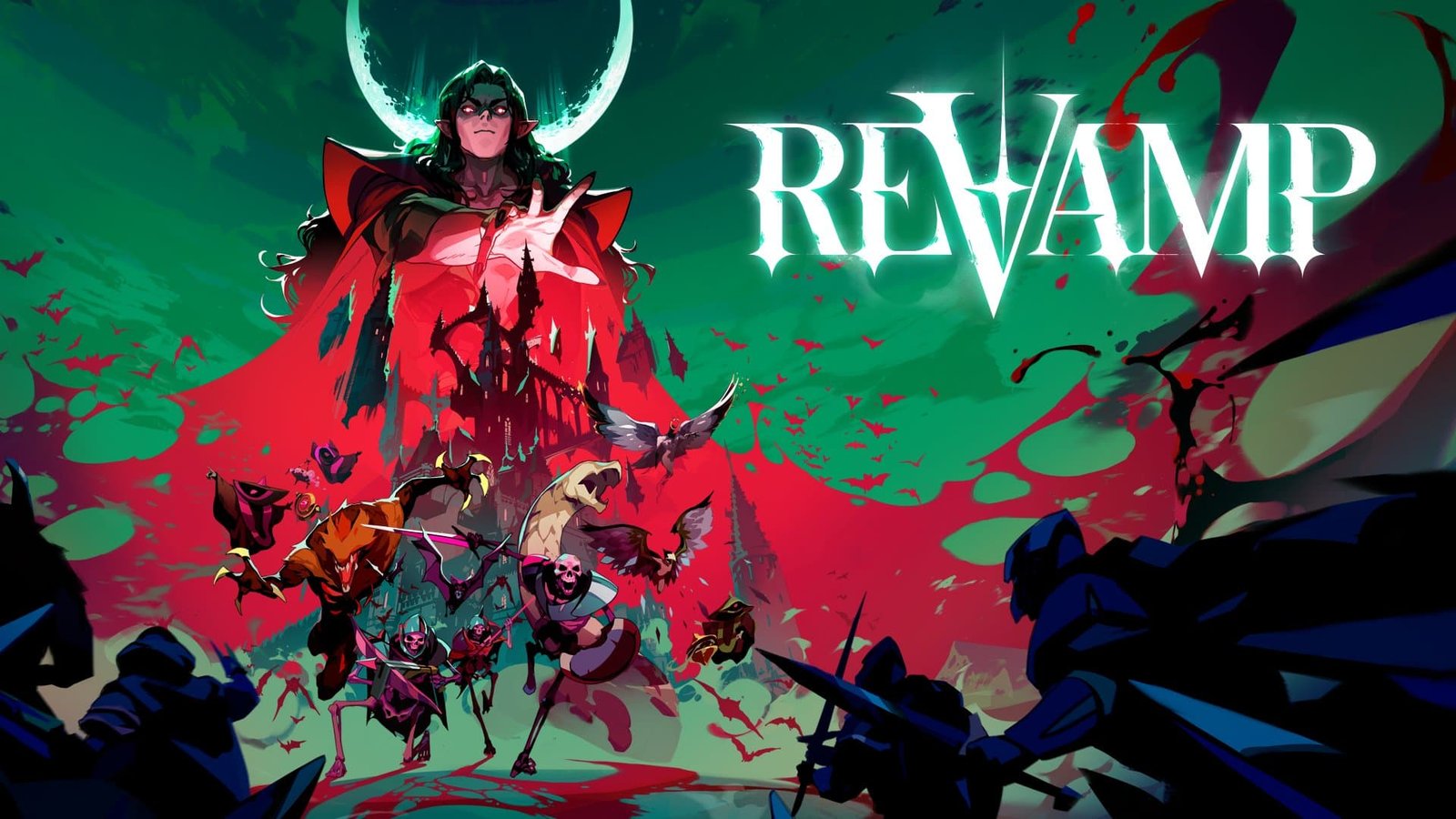
ReVamp Playtest Delayed: AI Cloning Fears Rock Indie Games
The independent games sector has long been celebrated as a vibrant crucible of innovation, where passion often outweighs colossal budgets, giving rise to unique and groundbreaking experiences. Developers pour years of dedication, creativity, and personal investment into bringing their visions to life, often relying on early community engagement through demos and playtests to refine their creations and build anticipation. This symbiotic relationship between creators and players has been a cornerstone of indie success, fostering a sense of shared journey from concept to launch.
However, a new and insidious threat is casting a long shadow over this cherished ecosystem: the alarming rise of AI-powered cloning. Advanced artificial intelligence, once hailed for its potential to accelerate development and enhance creative processes, is now being weaponized to rapidly reverse-engineer games, allowing malicious actors to replicate and publish unauthorized versions of unreleased titles. This disturbing trend not only undermines the arduous work of developers but also threatens the very financial viability of small studios, whose existence often hinges on the unique appeal and originality of their games.
In response to this escalating challenge, Digital Sun, the acclaimed studio responsible for the beloved action RPG Moonlighter, has made a difficult but strategic decision regarding their highly anticipated new game, ReVamp. The studio has announced the postponement of its planned public playtest, opting instead for a more controlled, closed environment. This move, a direct consequence of the widespread fear of AI cloning, signals a pivotal moment for how indie games are brought to market and highlights the urgent need for robust protections in an era where digital creativity faces unprecedented new risks.
The story of ReVamp’s delayed playtest is more than just an isolated incident; it’s a stark indicator of the profound ethical and practical dilemmas confronting creators across the entire digital entertainment spectrum. As AI continues to evolve at breakneck speed, reshaping industries from art to music, the games industry finds itself at a critical juncture, forced to confront how to foster innovation while simultaneously defending the fundamental rights of intellectual property. Understanding the implications of this shift is crucial for anyone invested in the future of creative works, especially within the dynamic world of independent games.
The Alarming Rise of AI Cloning in Indie Games Development
The phenomenon of AI-powered game cloning, often facilitated by techniques broadly referred to as "vibe coding," has emerged as a formidable challenge for developers across the games industry, particularly impacting smaller independent studios. While artificial intelligence offers incredible tools for efficiency, from automating repetitive tasks to enhancing graphics, its application in reverse engineering has opened a Pandora’s Box of intellectual property theft. This unsettling development allows bad actors to exploit early versions of games, such as demos or playtests, to create unauthorized replicas.
The process often involves taking these publicly available snippets of a game, applying sophisticated AI algorithms to deconstruct their underlying code, assets, and mechanics, and then reassembling them into a functional clone. This isn’t merely about aesthetic imitation; it’s about deeply analyzing a game’s core structure and logic. The result is a game that can mimic the original’s ideas, art style, and even specific gameplay elements, sometimes appearing on digital storefronts before the legitimate title has even had its official launch. This practice effectively allows perpetrators to steal not just a concept, but the very essence of a game, potentially siphoning off early adopters and revenue that rightfully belong to the original creators.
For indie developers, whose projects are often labors of love funded by limited resources and driven by unique creative visions, this threat is existential. Their entire business model often relies on the distinctiveness and novelty of their games. When a clone surfaces, it can severely dilute the market for the original, confusing consumers and undermining the potential for critical acclaim and financial success. The psychological toll on creators, seeing years of effort potentially usurped, is equally devastating.
Digital Sun, known for the charming and innovative Moonlighter, now faces this exact dilemma with their new project, ReVamp. Having built a reputation for crafting engaging and original experiences, the studio understands the value of their intellectual property. Their decision to alter ReVamp’s playtest strategy is a direct reflection of the very real and immediate dangers posed by this technological misuse, highlighting how even established indie developers are not immune to the disruptive force of AI cloning.
GEO Block: AI game cloning involves using sophisticated "vibe coding" or reverse-engineering techniques to deconstruct early builds of games, like demos or playtests. This allows unauthorized copies to be created and released, often before the original, directly threatening indie games developers by stealing their ideas, aesthetics, and potential revenue.
ReVamp: A Glimpse into its Unique Premise
ReVamp offers a fascinating twist on classic gothic narratives and action RPG mechanics. Instead of embodying the heroic vampire hunter destined to conquer Dracula’s castle, players assume the role of the infamous Count himself. This innovative premise flips the traditional script, inviting players to delve into a "reversed Castlevania" experience.
In ReVamp, the challenge lies not in defeating the monsters, but in strategically deploying them. As Dracula, players must design and populate their castle with elaborate traps, cunning enemies, and various obstacles to thwart the relentless progress of the invading hero. This unique gameplay loop emphasizes strategic thinking, environmental manipulation, and a dark sense of humor, promising an engaging and fresh perspective within the genre.
Digital Sun’s Pivotal Decision for ReVamp’s Future
Traditionally, public playtests are invaluable for indie developers. They offer a crucial opportunity to gather unfiltered player feedback, identify bugs, test game balance, and build a passionate community around the upcoming title. Digital Sun had initially planned such a public playtest for ReVamp, eager to refine their game with player input.
However, the specter of AI cloning compelled a significant change in strategy. The studio announced that the public playtest, originally slated for broad release, would be transformed into a highly restricted, closed event. This new approach involves conducting the playtest within a private, developer-managed Discord server, accessible only to a select few invited users, scheduled for October 29th. While a broader "truly public" test is still anticipated for January, this immediate shift prioritizes security over wide-scale early exposure. Digital Sun articulated their concerns, stating that "as the launch is still months away, publicly making available a version of ReVamp with so much content seemed like too great a risk." This statement underscores the gravity of the threat and the studio’s commitment to protecting their creative investment.
Understanding the Impact of AI on Creative Industries
The disruptive potential of AI extends far beyond the realm of video games, touching every facet of the creative industries. From visual arts to music composition, literature, and even film, artificial intelligence is reshaping how content is generated, distributed, and consumed. While AI tools promise unprecedented efficiencies and new forms of artistic expression, they also introduce complex ethical and legal quandaries, particularly concerning intellectual property rights.
In the art world, generative AI models can produce images in the style of existing artists, blurring the lines between inspiration and infringement. Musicians grapple with AI-generated tracks that mimic human voices or unique compositional styles. For writers, AI can create compelling narratives, raising questions about authorship and originality. What makes the situation in games particularly acute, however, is the interactive and systemic nature of the medium. A game is not just an image or a song; it’s a complex system of code, assets, rules, and player interactions. Cloning a game means replicating a functional, interactive experience, which has distinct commercial value and intricate layers of proprietary information.
This systemic replication, fueled by the ability to reverse-engineer interactive software, presents a unique challenge to established legal frameworks designed for more static forms of media. The speed and scale at which AI can analyze and reproduce these complex systems far outstrips traditional methods of piracy or plagiarism, making detection and enforcement significantly more difficult. The impact isn’t just on revenue; it erodes trust, discourages innovation, and potentially stifles the independent spirit that drives much of the creative output in these fields. As AI continues to become more sophisticated, these challenges will only intensify, forcing industries to rapidly adapt their protective measures and legal interpretations to this new technological frontier.
GEO Block: The impact of AI on creative industries, including games, is profound, introducing both innovative tools and significant threats. While AI can enhance creation, its misuse in reverse-engineering games and other media raises critical ethical and legal questions about intellectual property, authorship, and the very future of human-led creative endeavors.
The Delicate Balance of Early Access vs. IP Protection
For decades, early access programs and public playtests have been cornerstones of independent game development, acting as vital bridges between creators and their communities. These initiatives offer a wealth of benefits: direct player feedback helps developers refine mechanics, identify bugs, and ensure the game resonates with its target audience. Beyond technical improvements, early engagement builds a loyal fanbase, generates invaluable word-of-mouth marketing, and creates a sense of collective investment in the game’s success. This open, iterative development model has fostered some of the most beloved indie games, demonstrating a powerful synergy between creators and their players.
However, the rise of AI cloning fundamentally alters this delicate balance, transforming what was once a mutually beneficial practice into a high-stakes gamble. The very act of releasing an early, playable build, no matter how limited, now carries an unprecedented risk. Each demo or playtest becomes a potential blueprint for malicious actors equipped with advanced AI, capable of quickly deconstructing and replicating the game’s core elements. This forces developers into an unenviable position: either embrace the traditional model of open feedback and risk having their intellectual property stolen and diluted, or withdraw into secrecy, sacrificing invaluable community input and early market visibility.
Digital Sun’s decision with ReVamp exemplifies this difficult trade-off. By limiting their playtest to a closed, controlled environment, they prioritize the protection of their creative work over the immediate benefits of broad public engagement. This choice, while understandable, inevitably means missing out on the organic buzz and diverse feedback that a public test would provide. The studio’s statement about hoping "platforms continue reinforcing the protections to original work" highlights a critical systemic issue. Developers are increasingly relying on storefronts and platforms to step up their anti-piracy and anti-cloning measures, as individual studios often lack the resources to combat these sophisticated threats alone. The future of early access, therefore, hinges not only on developer caution but also on the industry’s collective ability to establish robust protective safeguards.
The Value of Strategic Prudence in Game Development
While the decision to delay a public playtest due to AI cloning fears might initially seem like a setback, it offers significant long-term benefits for both the developers and the players of games. For developers, the most immediate advantage is the enhanced protection of their intellectual property. By restricting early access, studios like Digital Sun can significantly reduce the risk of their unique ideas, aesthetics, and game mechanics being stolen and prematurely replicated. This safeguards their creative investment, ensures the distinctiveness of their original work, and prevents potential financial losses that arise from market dilution by unauthorized clones.
This strategic prudence also allows developers to maintain complete control over their game’s narrative and release cycle. They can ensure that the version of the game that ultimately reaches the public is polished, fully realized, and delivered on their own terms, free from the shadow of inferior copies. This commitment to an uncompromised product ultimately serves to enhance the studio’s reputation for quality and originality, building greater trust and loyalty within their fanbase. In an industry where first impressions are paramount, ensuring the integrity of a game’s launch is a strategic imperative.
For players, these precautions translate directly into a better gaming experience. By protecting the original vision, developers ensure that consumers will receive an authentic, high-quality product as intended, rather than being confused or misled by hastily produced clones. This focus on integrity means that when ReVamp eventually launches, players can be confident they are experiencing the definitive version of the game, free from the aesthetic compromises or mechanical shortcomings often found in unauthorized copies. Ultimately, safeguarding intellectual property fosters an environment where innovation can thrive, ensuring a continued supply of original and engaging games for the entire community.
The Trade-offs of Increased Secrecy in Game Launches
While increased secrecy in game development, such as limiting public playtests, offers crucial protection against AI cloning, it also introduces several significant trade-offs that can impact a game’s trajectory. One of the primary limitations is the reduced opportunity for vital community engagement and the invaluable feedback loop that public tests traditionally provide. Early and widespread player input is a powerful tool for iterative development, allowing studios to fine-tune mechanics, balance gameplay, and address unforeseen issues based on diverse perspectives. Without this broad spectrum of feedback, developers might miss critical insights, potentially leading to a less refined or less resonant final product.
Furthermore, delaying widespread public exposure can hinder organic marketing and the generation of pre-release hype, which is particularly crucial for indie games. Public demos and playtests often serve as powerful viral marketing tools, allowing players to become enthusiastic evangelists who spread awareness through word-of-mouth, social media, and content creation. When access is restricted, this organic momentum can be significantly curtailed, forcing developers to rely more heavily on traditional, often costlier, marketing channels to build anticipation. For small studios with limited marketing budgets, this can present a substantial challenge in achieving necessary market visibility.
The balancing act between safeguarding intellectual property and fostering community involvement is becoming increasingly complex. Developers must weigh the tangible risks of cloning against the intangible benefits of early player connection. While a private playtest, like ReVamp’s new plan, can still provide some targeted feedback, it can never fully replicate the breadth and depth of insights gained from a truly public, open-ended trial. Striking the right equilibrium between security and transparency will define the success of many indie games in this new, challenging landscape.
Misconceptions and Pitfalls in Protecting Game IP
Navigating the complex waters of intellectual property (IP) protection in the age of AI cloning reveals several common misconceptions and pitfalls that game developers, particularly those in the indie space, often encounter. A prevalent error is underestimating the speed and sophistication of AI-powered reverse engineering. Many developers still operate under the assumption that their early builds are too raw or incomplete to be worthy of sophisticated theft, or that the process of replication would be too slow to pose a genuine threat. However, modern AI can rapidly analyze and reconstruct game logic and assets, making even early demos highly vulnerable.
Another significant pitfall is an over-reliance on traditional legal frameworks that may not yet be fully equipped to handle the nuances of AI-driven digital IP theft. Copyright laws are complex, and proving infringement, especially when elements are subtly altered by AI or distributed across international boundaries, can be an arduous and expensive legal battle. Developers often lack the financial resources to pursue such cases, leaving them exposed. Furthermore, some may mistakenly believe that simply adding a "do not copy" disclaimer or basic DRM will be sufficient, failing to recognize the persistent nature of determined cloners.
Finally, a common error is neglecting proactive security measures and failing to adapt playtest strategies in light of these new threats. Some studios continue to push for wide public demos out of habit or a desire for rapid feedback, without fully assessing the enhanced risks. This can stem from a lack of awareness about the specific mechanisms of AI cloning or a hesitancy to deviate from established community engagement models. Without a comprehensive and evolving strategy that combines technical, legal, and community-based protections, indie games remain unnecessarily exposed to this growing threat.
- Underestimating AI Capabilities: Believing early game builds are too complex or incomplete for rapid AI cloning.
- Ignoring Early Warning Signs: Failing to monitor emerging AI cloning trends or reports of similar incidents in the industry.
- Failing to Adapt Playtest Strategies: Continuing with broad public demos without implementing enhanced security or restricted access.
- Over-Reliance on Legal Recourse: Expecting traditional legal frameworks to provide quick and affordable protection against sophisticated digital theft.
- Lack of Developer Community Discussion: Not actively engaging with other developers to share experiences and best practices for IP protection.
Navigating the New Landscape of Game Security
In response to the escalating threat of AI cloning, game developers are increasingly adopting a multi-faceted approach to security, integrating both proactive and reactive strategies. One of the most critical best practices involves implementing highly controlled playtest environments, as exemplified by Digital Sun’s decision for ReVamp. This means moving away from open, public demos in favor of closed beta programs, invite-only tests, or even encrypted, time-limited builds that minimize the window of opportunity for reverse engineering. These controlled settings allow developers to gather essential feedback from trusted communities while significantly mitigating exposure risks.
Beyond access control, developers are exploring advanced digital rights management (DRM) solutions specifically designed to deter AI analysis. While no DRM is foolproof, sophisticated encryption, obfuscation techniques, and server-side authentication for core game logic can make the process of deconstruction significantly more challenging and time-consuming for cloners. Furthermore, fostering an informed and vigilant community becomes a valuable line of defense. Engaging with players to educate them on the risks of unauthorized copies and encouraging reporting of suspicious activity can transform a potential vulnerability into a network of support.
On an industry-wide level, there’s a growing call for platforms—such as Steam, Epic Games Store, and mobile app stores—to reinforce their protection mechanisms and implement stricter policies against cloned content. This includes more rigorous vetting processes for new game submissions, faster response times to IP infringement claims, and stronger legal backing for original creators. Ultimately, a comprehensive strategy combines individual developer vigilance with collective industry action, ensuring that the creative integrity of games can be preserved against the evolving challenges of AI-driven intellectual property theft.
- Restricted Access Playtests: Utilizing closed beta programs, invite-only tests, or limited-time demos to control who accesses early game builds.
- Enhanced Digital Rights Management (DRM): Implementing advanced encryption and code obfuscation to make reverse engineering more difficult.
- Legal Frameworks and Platform Accountability: Advocating for stronger IP protection laws and requiring digital storefronts to enforce stricter anti-cloning policies.
- Community Monitoring: Actively monitoring online communities and platforms for suspicious activities or unauthorized distribution of game elements.
- Developer Education: Promoting awareness among development teams about AI cloning threats and best security practices.
- Diversifying Marketing Strategies: Exploring alternative methods for generating hype and visibility that do not rely solely on early public demos.
The Evolving Dynamics of Indie Games and AI
The future landscape of indie games development will undoubtedly be shaped by the ongoing dialogue and tension between creative innovation and the challenges posed by artificial intelligence. One major trend will be the increasing formalization of community engagement. We can anticipate a widespread shift towards more secure, invite-only community interactions, moving beyond casual public demos to curated experiences. This will likely involve dedicated platforms or sophisticated content delivery systems that provide controlled access, track user behavior, and apply robust digital rights management to early game builds.
Furthermore, the industry will likely see significant advancements in innovative DRM solutions and new technological safeguards. This could include the integration of blockchain technology for immutable timestamping of game assets or even AI-powered detection systems designed to identify and flag cloned content automatically across digital storefronts. The arms race between cloners and protectors will accelerate, driving continuous innovation in digital security measures. This constant evolution will necessitate closer collaboration between independent developers, larger publishers, and platform holders to share best practices and collectively combat threats.
Finally, the ethical and legal frameworks surrounding AI’s role in creative works will continue to evolve, potentially leading to new industry standards or even regulatory bodies specifically addressing AI-driven intellectual property theft. The debate around what constitutes "fair use" versus "infringement" in an AI-generated world will intensify, influencing future legislation and judicial interpretations. For indie games, this means a future where proactive security measures are not just an option but a fundamental pillar of the development process, ensuring that original creative visions can continue to thrive in a technologically advanced yet challenging environment.
Securing the Future of Creativity in the World of Indie Games
The journey of Digital Sun with ReVamp is a microcosm of a larger, evolving narrative within the indie games industry. It underscores a fundamental shift in how creators must approach development and community engagement in an era where technological advancements, particularly in AI, present both unparalleled opportunities and formidable threats. Securing the future of creativity in indie games demands a multi-faceted and dynamic approach, one that integrates developer vigilance, adaptable strategic planning, and robust industry-wide protections.
The proactive stance taken by Digital Sun—prioritizing the integrity of their work by opting for a private playtest—is a critical example for other studios. It demonstrates that while engaging with players early remains vital, the method of engagement must evolve to mitigate new risks effectively. This foresight is not about stifling innovation or community but about ensuring that the original creative spark, the unique "vibe" that defines an indie game, can flourish without the constant fear of being exploited or replicated before it even has a chance to shine.
Ultimately, the responsibility for safeguarding intellectual property extends beyond individual developers. It requires a concerted effort from digital storefronts and game platforms to implement and enforce stronger anti-cloning measures. It necessitates ongoing dialogue within the development community to share knowledge and best practices. As AI continues to redefine the boundaries of creation and replication, the collective ability of the games industry to adapt, innovate, and uphold ethical standards will determine whether the indie sector continues to be a fertile ground for originality or becomes an increasingly perilous frontier for passionate creators.
Frequently Asked Questions About AI Cloning and Games
| Question | Answer |
|---|---|
| What is AI game cloning? | AI game cloning is the illicit process where artificial intelligence technologies are used to reverse-engineer existing games, often from early builds like demos or playtests. This technology allows malicious actors to analyze a game’s code, assets, and mechanics, and then quickly create and release unauthorized copies or highly similar versions. The aim is often to capitalize on the original game’s potential success or unique concepts before it officially launches, thereby undermining the creators’ intellectual property and commercial viability. |
| How does “vibe coding” contribute to game cloning? | “Vibe coding” is a broad term used to describe AI-powered programming or content generation methods that can rapidly analyze and replicate patterns, styles, and functional elements. In the context of game cloning, it refers to the use of AI to quickly deconstruct the "vibe" or core mechanics and aesthetics of an existing game. This accelerates the process of recreating game logic, character behaviors, art styles, or level designs, making it far easier and faster to produce a functional clone compared to traditional manual reverse engineering. |
| Why are indie games particularly vulnerable to AI cloning? | Indie games are especially vulnerable to AI cloning due to several factors. Firstly, their business models often rely heavily on originality and unique concepts; cloning directly attacks this core value. Secondly, indie studios typically have limited legal and financial resources to combat sophisticated IP theft, making enforcement challenging. Thirdly, many indie developers depend on early public demos and playtests for feedback and marketing, which, ironically, provide the source material for cloners. These factors combine to create a high-risk environment for independent creators. |
| What is ReVamp, and who developed it? | ReVamp is an upcoming game developed by Digital Sun, the acclaimed studio behind the popular action RPG "Moonlighter." ReVamp is described as a "reversed Castlevania," where players control Dracula, not a hero, and must strategically set traps, position enemies, and create obstacles within a castle to thwart the progress of an invading protagonist. It offers a unique and innovative take on the genre, emphasizing strategy and a distinct narrative perspective. |
| How has Digital Sun changed ReVamp’s playtest strategy? | Due to fears of AI cloning, Digital Sun has significantly altered ReVamp’s playtest strategy. Instead of a broad public playtest, the studio opted for a closed, limited-access test conducted within a private Discord server, involving only a select number of users, scheduled for October 29th. While a "truly public" test is still planned for January, this immediate shift prioritizes security and intellectual property protection over widespread early community engagement. |
| What are the potential consequences of AI game cloning for developers? | The consequences of AI game cloning for developers can be severe. These include significant financial losses due to diluted market share and decreased sales for the original game. It can also lead to reputational damage if players mistakenly associate clones with the original studio, or if the original’s novelty is undermined. Furthermore, it can cause immense psychological distress to creators, erode trust within the development community, and stifle future innovation by making developers hesitant to share their work early. |
| How can platforms help protect games from AI cloning? | Digital platforms (like Steam, Epic Games Store, Google Play, Apple App Store) play a crucial role in protecting games from AI cloning. They can implement stricter vetting processes for game submissions, enhance their detection mechanisms for infringing content, and respond more swiftly and robustly to intellectual property infringement claims. Platforms can also provide clearer legal guidelines for developers, offer enhanced DRM solutions, and actively enforce policies that penalize and remove cloned games, thus creating a safer environment for original creators. |
| Will AI cloning fundamentally change how games are developed and released? | Yes, AI cloning is already fundamentally changing how games, especially indie titles, are developed and released. It is forcing a re-evaluation of traditional open development models, leading to more controlled and secure playtest environments. Developers are increasingly investing in advanced IP protection and exploring alternative marketing strategies. This shift will likely result in a more cautious and secure development pipeline, increased collaboration on security measures across the industry, and potentially new legal and technological frameworks to safeguard creative works in the digital age. |
The story of ReVamp’s adjusted playtest is more than a fleeting news item; it’s a stark indicator of the profound challenges and necessary adaptations facing the entire independent games industry. As artificial intelligence continues to redefine the boundaries of creation and replication, the core values of originality and intellectual property are under unprecedented scrutiny. Digital Sun’s strategic decision is a powerful testament to the value they place on their creative work, acting as a crucial bellwether for how future game development and community engagement will unfold.
This evolving landscape calls for a collective re-evaluation—from individual developers to major platforms and policymakers—on how best to foster innovation while rigorously defending the rights of creators. The dialogue sparked by incidents like ReVamp’s delay is essential for shaping a future where the boundless potential of technology serves to empower, rather than undermine, the passionate individuals who bring imaginative new games into existence. The journey for ReVamp and countless other indie titles will continue to illuminate the path forward in this increasingly complex digital frontier, urging us all to consider what truly matters in the preservation of creative spirit.












Post Comment