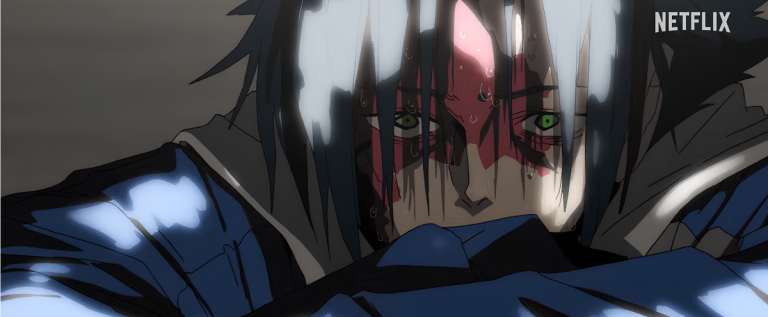
Cyberpunk: Edgerunners Season 2 Sparks Debate, High IMDb Score for Nerds
Night City, the sprawling, neon-drenched metropolis from the iconic ‘Cyberpunk’ universe, has once again opened its gates, but this time, it tells a different story. The eagerly awaited second season of ‘Cyberpunk: Edgerunners’, which premiered on Netflix on October 20, 2026, arrived with a bold new vision: an anthology format designed to broaden the scope of its brutal, technologically advanced world. While initial reception, reflected in an impressive 8.6/10 IMDb score, signals a largely positive outlook, the series has simultaneously ignited a vibrant debate among its dedicated fanbase and critics, primarily concerning its narrative pacing and structural shifts. This season, moving beyond the beloved tale of David Martinez, introduces a quartet of new protagonists, each battling for survival and purpose amidst the city’s unforgiving contradictions. For the discerning Nerd, this means a deeper dive into the lore, technology, and existential dilemmas that define the Cyberpunk ethos, presented through the acclaimed Studio Trigger’s distinctive artistic lens. The question now isn’t just about what happened, but how these new narratives resonate, and whether this ambitious evolution solidifies ‘Edgerunners’ as a genre-defining animation or a polarizing experiment.
The return to Night City was always going to be scrutinized. The first season, a surprise hit, captured hearts with its intense action, poignant character development, and breathtaking animation. It set a high bar, weaving a tragic yet compelling narrative deeply rooted in the lore of ‘Cyberpunk 2077’. Now, with ‘Cyberpunk: Edgerunners 2′, the creators have opted for a brave departure, seeking to expand the universe rather than simply repeat a winning formula. This strategic pivot to an anthology challenges viewers to engage with multiple new storylines simultaneously, each offering a fresh perspective on the dangers and allure of Night City. It’s an approach that promises a richer tapestry of tales but also risks diluting the emotional impact that a single, focused protagonist can deliver. As the dust settles from its premiere, the discussions around its narrative choices, character arcs, and artistic ambition continue to grow, highlighting the series’ role as a significant cultural touchstone for fans of sophisticated animated storytelling and the dystopian future it portrays.
The Evolving World of ‘Cyberpunk: Edgerunners 2’ and its Impact on the Nerd Community
The second season of ‘Cyberpunk: Edgerunners’ marks a significant shift in its narrative approach, transitioning from a linear, character-driven story to an anthology format. This structural change means viewers will not be continuing David Martinez’s journey, but instead exploring fresh perspectives on Night City through the eyes of entirely new characters. This decision, while ambitious, has become a focal point for discussion among the global nerd community, as it fundamentally alters the viewing experience and the series’ thematic scope. The creators’ intent is to showcase the vastness and complexity of Night City, demonstrating that its streets teem with countless untold stories, each as brutal and compelling as the last. This expansion of the universe allows for a broader exploration of the city’s various factions, districts, and the societal pressures that shape its inhabitants, moving beyond the focused intimacy of the first season.
The anthology format introduces four distinct protagonists, each grappling with their own struggles within Night City’s unforgiving landscape. These characters represent diverse facets of the Cyberpunk experience, from ambitious dreamers to jaded veterans, offering a multifaceted view of survival, technology, and morality. The shift allows ‘Cyberpunk: Edgerunners 2’ to delve into different dilemmas and explore the consequences of cybernetic enhancements (known as ‘chromes’), corporate greed, and the ever-present threat of cyberpsychosis from multiple angles. While this approach has been praised for its artistic ambition and willingness to take risks, it has also led to questions about character development depth, given the necessity of condensing multiple arcs into a single season. The discussion often centers on whether the breadth of new stories outweighs the potential loss of the deep, singular emotional connection fostered by David’s narrative.
Direct Answer: ‘Cyberpunk: Edgerunners 2′ shifts to an anthology format, introducing four new protagonists to explore Night City’s diverse narratives beyond David Martinez’s story. This approach broadens the series’ scope, showcasing varied perspectives on survival, technology, and societal issues within the brutal, neon-lit metropolis, aiming for a richer universe tapestry.
Meet the New Faces: Characters Driving the Anthology
The core of ‘Cyberpunk: Edgerunners 2’ rests on its new ensemble of characters, each bringing a unique lens through which to view Night City. These aren’t simply stand-ins for David; they are carefully crafted individuals whose struggles and aspirations illuminate different corners of the Cyberpunk universe. The series introduces Roman, a young cinephile with an almost obsessive dedication to documenting real-life events, offering a meta-commentary on the nature of reality and media within Night City. His journey promises to explore the line between observer and participant in a world where every action carries extreme consequences, highlighting the value, or lack thereof, of truth in a hyper-stylized future.
Alongside Roman is Weak, also known as Wick Kingsley, a veteran mercenary whose past haunts his present. Weak struggles with the creeping onset of cyberpsychosis, a common affliction in Night City where extensive cybernetic modifications erode one’s humanity. His story delves into themes of redemption, the search for new purpose, and the constant battle against one’s own mind, providing a darker, more introspective look at the mercenary life. Then there’s D, a nomad seeking vengeance for the brutal demise of his clan members. His arc explores tribal loyalties, the harsh realities of life outside the corporate confines, and the cyclical nature of violence in a world where justice is often a luxury. Finally, Talia, a fiercely aggressive young woman fascinated by cybernetic implants, or ‘chromes’, represents the allure and danger of extreme body modification, embodying the ambition and recklessness often seen in Night City’s youth.
Pacing and Structure: A Deep Dive into Viewer Reception and Challenges for the Nerd Audience
The reception of ‘Cyberpunk: Edgerunners 2’ has been notably varied, with its innovative anthology structure becoming the primary catalyst for both praise and critique. For the dedicated nerd audience, deeply invested in the Cyberpunk lore, the shift from a singular, emotionally resonant storyline to multiple parallel narratives presents a unique challenge. While the intent to broaden the universe of Night City is largely appreciated, some viewers have found the pace to be significantly slower and more reflective compared to the breakneck action and emotional intensity of the first season. This change in rhythm, moving away from the “alucinante” pace (as per the source material’s implied interpretation) of David Martinez’s story, requires a different kind of engagement from the audience, one that prioritizes thematic depth and exploration over constant adrenaline-fueled progression. The show asks its audience to settle into new rhythms, to appreciate the nuances of multiple unfolding dramas rather than the singular, escalating tragedy they might have expected.
Another significant point of contention revolves around the sheer number of parallel storylines packed into just ten episodes. While introducing four new protagonists allows for an expansive view of Night City’s complexities, it also inevitably means that each character’s arc receives less dedicated screen time. This condensation can lead to certain narratives feeling rushed or underdeveloped, preventing the deep emotional connection that was a hallmark of the first season. Critics and fans have noted that dividing the narrative focus among so many characters, each with their own distinct motivations and struggles, risks leaving some story threads feeling incomplete or prematurely concluded. The challenge for the series lies in balancing this narrative ambition with the practical constraints of episode count, ensuring that each story feels meaningful and impactful, even within a limited timeframe. This balancing act is crucial for maintaining the high standards of storytelling that the ‘Cyberpunk’ brand has come to represent.
Direct Answer: ‘Cyberpunk: Edgerunners 2’ faces mixed reception due to its anthology format, with many finding the pacing slower and more reflective than the first season. Critiques often cite the challenge of condensing multiple character arcs into ten episodes, which can lead to hurried storylines and potentially less deep emotional connections for viewers.
Limitations of the Anthology Format: When More Is Less
The anthology format, while offering creative freedom and a broader scope, inherently comes with its own set of limitations, particularly in a narrative-driven medium like an animated series. One of the primary criticisms leveled against ‘Cyberpunk: Edgerunners 2’ is the difficulty in fostering deep, sustained emotional investment in its multiple protagonists. Unlike the first season, where audiences had an entire season to connect with David Martinez and his tragic journey, the new format requires viewers to rapidly engage with four separate character arcs. This can lead to a sense of fragmentation, where no single character’s plight feels as impactful or fully realized as a dedicated, overarching storyline would allow. The emotional resonance that drives a story’s ultimate impact often relies on prolonged exposure and development, something that is naturally curtailed when narrative focus is divided.
Furthermore, the ambition to explore varied aspects of Night City through multiple lenses can sometimes lead to an uneven narrative experience. While some storylines might captivate, others might struggle to find their footing or resonate with the audience within the limited timeframe. This can result in an inconsistent viewing experience, where the overall quality of the season is judged not by its strongest moments, but by the perceived weaknesses or rushed conclusions of its less developed arcs. The challenge for the writers and directors is to ensure that even with divided attention, each story feels complete and impactful, a feat that is exceedingly difficult when compressing complex character development and thematic exploration into shorter segments.
The Artistic Vision and Production Excellence: Studio Trigger’s Enduring Legacy for Every Nerd
Studio Trigger’s return for ‘Cyberpunk: Edgerunners 2’ was met with widespread anticipation, and for good reason. The studio has cultivated a reputation for pushing the boundaries of animation, known for its distinctive, dynamic visual identity and experimental approach, which deeply resonates with the artistic sensibilities of the discerning nerd. In this second season, Trigger doubles down on its audacious visual style, delivering an animated experience that is both stylized and experimental. The animation itself serves as a character in the narrative, enhancing the chaotic and vibrant essence of Night City. The use of bold colors, frenetic action sequences, and expressive character designs are not merely aesthetic choices; they are integral to conveying the psychological states of the characters and the oppressive atmosphere of their world. This artistic ambition, coupled with the expansion of Night City’s universe, stands out as one of the most consistently praised aspects in the initial reviews, affirming Trigger’s unique place in modern animation.
Beyond the immediate visual spectacle, the season continues to delve into the complex philosophical and ethical questions that define the Cyberpunk genre. The production, guided by directors Masahiko Otsuka and Kai Ikarashi, with a script from Bartosz Sztybor, leverages its artistic platform to deepen discussions on technology’s impact on humanity, the raw struggle for survival, and the profound cost of existence in a society that commodifies even the human body. These profound themes are woven into the very fabric of the animation, using the visual language to amplify the narrative’s weight. The series explores how individuals adapt, resist, or succumb to the pressures of a world where identity, memory, and even physical form can be bought, sold, or modified. This thoughtful exploration, combined with Trigger’s signature flair, ensures that ‘Cyberpunk: Edgerunners 2’ remains a compelling and intellectually stimulating experience, offering more than just high-octane action to its appreciative audience.
Direct Answer: Studio Trigger returns for ‘Cyberpunk: Edgerunners 2’, delivering its signature stylized and experimental animation that boldly expands Night City’s visual identity. The season is praised for its artistic ambition and its deepened exploration of themes like technology, survival, and the commodification of the body, enriching the Cyberpunk universe.
Exploring the Nuances: Themes and Philosophical Underpinnings
Beyond the surface-level action and drama, ‘Cyberpunk: Edgerunners 2’ continues its predecessor’s tradition of grappling with profound philosophical questions that are central to the Cyberpunk genre. The series meticulously explores the impact of advanced technology on human identity, challenging viewers to consider where humanity ends and machinery begins. Through characters like Talia, with her fascination for ‘chromes,’ the narrative probes the ethical boundaries of body modification and the psychological consequences of integrating oneself with artificial enhancements. These themes are not just academic; they are deeply personal to the characters, showing how technological choices can redefine existence, relationships, and one’s place in society. The show encourages contemplation on whether such advancements truly liberate or merely create new forms of enslavement, prompting viewers to reflect on their own relationship with technology.
The concept of survival in Night City is further elaborated, moving beyond mere physical endurance to encompass mental and moral fortitude. Each protagonist’s journey is a testament to the sheer will required to navigate a society rife with corporate exploitation, rampant violence, and existential despair. The series examines the various coping mechanisms individuals adopt—from Roman’s detached documentation to Weak’s struggle against cyberpsychosis—highlighting the diverse ways people attempt to find meaning or maintain sanity in a world designed to break them. This season also scrutinizes the price of living in such a society, particularly how the human body itself becomes a commodity, a canvas for enhancement, and a tool for survival. These interwoven themes contribute to a rich narrative tapestry that elevates ‘Cyberpunk: Edgerunners 2’ beyond a mere action series, cementing its status as a thought-provoking exploration of a bleak future.
The High Score and Its Broader Implications for Every Nerd
The initial IMDb score of 8.6/10 for ‘Cyberpunk: Edgerunners 2’ is a significant indicator of its positive reception, particularly within the vast global nerd community. This high rating, especially for a season that takes a bold new narrative direction, suggests that a substantial portion of the audience is embracing the anthology format and appreciating the artistic ambition. It signifies that despite the division in opinions regarding pacing and structure, the overall quality of animation, storytelling, and thematic depth is resonating strongly. An 8.6 is not merely a good score; it places the series among highly regarded animated productions, reflecting a successful effort to expand a beloved universe without losing its core essence. This numerical validation can serve as a powerful signal to both new viewers considering diving into Night City and to industry stakeholders, confirming the series’ continued relevance and appeal.
However, it is crucial to understand that this initial score is precisely that: initial. IMDb ratings are dynamic and can fluctuate as more viewers engage with the content and cast their votes. The discussions around the series’ pacing and the impact of its multiple storylines are likely to intensify as it reaches a wider audience, potentially influencing the score over time. The journey of any season’s critical and popular reception is often an evolving one, where initial enthusiasm can be tempered or amplified by deeper analysis and varied expectations. For a series like ‘Cyberpunk: Edgerunners 2’, which actively seeks to challenge its audience with a new narrative paradigm, the long-term consensus will be particularly telling. This evolving reception will ultimately shape its legacy within the ‘Cyberpunk’ canon and the broader landscape of animated storytelling, proving whether its ambitious risks truly paid off in the eyes of its dedicated viewership.
What Does the Score Truly Mean for Fans?
An 8.6/10 IMDb score is more than just a number; for fans, it signifies a strong vote of confidence from a broad audience, suggesting that ‘Cyberpunk: Edgerunners 2’ largely delivers on its promise. It implies that the animation quality, voice acting, musical score, and the overarching creative direction are meeting, and in many cases exceeding, expectations. For those who might have been hesitant due to the change in format, this score offers reassurance that the series maintains a high level of production excellence and narrative engagement, even with new characters and storylines. It can encourage fence-sitters to give the new season a chance, knowing that a significant majority of early viewers found it to be a worthwhile experience, thus contributing to the show’s continued buzz and potential for future installments.
However, fans are also acutely aware that even high scores don’t erase individual preferences or critiques. The divide in opinions, despite the positive average, indicates that the anthology format won’t appeal to everyone in the same way the first season did. For some, the absence of David Martinez’s direct story might remain a point of contention, while for others, the expanded universe will be a welcome exploration. The score, therefore, acts as a general guide rather than an absolute truth, prompting fans to engage in discussions, compare their experiences, and ultimately decide for themselves where the new season stands. It fuels the vibrant discourse that is characteristic of passionate fandoms, ensuring that ‘Cyberpunk: Edgerunners 2’ remains a topic of active debate and enjoyment.
Anticipating the Future: Trends and Speculations for the Nerd Community
The premiere of ‘Cyberpunk: Edgerunners 2’ with its anthology format sets a fascinating precedent for the future of the franchise and for animated adaptations of video game universes, particularly for the discerning nerd audience. This strategic shift suggests a trend towards deeper world-building and narrative diversification, moving beyond single protagonist stories to explore the vast potential of established universes. We can anticipate that future seasons, if greenlit, might continue this anthology approach, offering glimpses into different eras, regions, or social strata within Night City or even other locations within the broader Cyberpunk lore. This could involve exploring the origins of megacorporations, the intricacies of specific gang territories, or the daily lives of various social classes, each offering unique perspectives and challenges. Such a model allows for endless storytelling possibilities without the pressure of maintaining a continuous, overarching plotline across many seasons.
Furthermore, the critical reception of ‘Edgerunners 2’ will undoubtedly influence how game developers and anime studios approach future collaborations. If the anthology model proves successful in the long run, it could encourage more ambitious, multi-faceted adaptations that prioritize expansive lore over singular narratives. This could lead to a wave of content that functions more like an interactive encyclopedia of a fictional world, where each story contributes to a richer understanding of the whole. There’s also the potential for cross-media storytelling, where characters or events introduced in the anime could subtly tie into future game expansions or comic series, creating a truly interconnected universe. The success of ‘Cyberpunk: Edgerunners 2’, both critically and commercially, will serve as a crucial case study for how far such ambitious narrative risks can be taken in adapting complex fictional worlds into successful animated properties, shaping the expectations and desires of fans for years to come.
Direct Answer: The anthology format of ‘Cyberpunk: Edgerunners 2’ suggests a future trend in adaptations towards diverse world-building, potentially exploring new eras or locations within the Cyberpunk universe. Its reception will influence how game developers and anime studios collaborate on multi-faceted storytelling, fostering cross-media narratives and setting new precedents for ambitious adaptations.
The Impact on ‘Cyberpunk 2077’ and Future Franchise Expansions
The success and narrative choices of ‘Cyberpunk: Edgerunners 2’ have direct implications for the ‘Cyberpunk 2077’ video game and any subsequent franchise expansions. An animated series that successfully diversifies its storytelling without solely relying on a single beloved character demonstrates the robustness of the ‘Cyberpunk’ universe itself. This reinforces the idea that Night City is a character in its own right, capable of sustaining countless stories, which is invaluable for a transmedia franchise. The new characters introduced in the anime, even if their stories are self-contained, could subtly influence future game content, perhaps through small in-game references, lore entries, or even as minor NPCs. This cross-pollination enriches the player’s experience, making the world feel more alive and interconnected.
Moreover, the exploration of new themes and dilemmas in the anime could inspire future game developers to tackle similar narrative arcs or introduce gameplay mechanics that reflect these expanded concepts. For instance, the deeper dive into cyberpsychosis through Weak’s story or the nomad culture through D’s perspective could pave the way for more nuanced in-game quests or character interactions. The series acts as a powerful marketing tool, drawing new audiences to the ‘Cyberpunk’ universe and reigniting interest among existing fans, potentially boosting sales of ‘Cyberpunk 2077’ and its expansions. Ultimately, ‘Cyberpunk: Edgerunners 2’ serves as a vibrant proof-of-concept for the versatility of the ‘Cyberpunk’ IP, suggesting a future where diverse stories and mediums collectively contribute to an ever-expanding, interconnected world.
FAQ: Unraveling Common Questions for the Curious Nerd
Here, we address some of the most frequently asked questions about ‘Cyberpunk: Edgerunners 2’, providing clarity and deeper insights for the engaged nerd community.
When did ‘Cyberpunk: Edgerunners 2’ premiere?
‘Cyberpunk: Edgerunners 2’ officially premiered on Netflix on October 20, 2026. This highly anticipated release introduced viewers to a new chapter within the Night City universe, opting for a fresh narrative approach that distinguished it from its critically acclaimed predecessor. The premiere marked a significant moment for fans eagerly awaiting more content from the Cyberpunk world, offering a new perspective on its intricate lore and compelling characters. The simultaneous global release allowed audiences worldwide to experience the new season together, fostering immediate discussion and debate.
What is the main difference in narrative for Season 2?
The primary narrative difference for ‘Cyberpunk: Edgerunners 2’ is its adoption of an anthology format. Unlike the first season, which focused on the singular, overarching story of David Martinez, Season 2 introduces four distinct protagonists with their own independent storylines. This shift aims to broaden the exploration of Night City, showcasing diverse characters and their individual struggles within the brutal metropolis. While this allows for a wider thematic scope and different perspectives, it also means viewers will not see a direct continuation of David’s journey, making each episode potentially a self-contained narrative segment that collectively paints a larger picture of the city.
Who are the new main characters in ‘Cyberpunk: Edgerunners 2’?
The second season introduces four new central characters: Roman, a young cinephile passionate about documenting real events; Weak (Wick Kingsley), a veteran mercenary grappling with cyberpsychosis and searching for new purpose; D, a nomad driven by a quest for vengeance for his clan’s fallen members; and Talia, an aggressive young woman fascinated by cybernetic implants, or ‘chromes’. Each character provides a unique window into different aspects of Night City’s complex society, from its media obsession to the dark side of its advanced technology and the enduring loyalties of its nomadic tribes, offering varied perspectives on survival and identity.
What studio produced ‘Cyberpunk: Edgerunners 2’?
‘Cyberpunk: Edgerunners 2’ was produced by the renowned Studio Trigger, the same acclaimed Japanese animation studio responsible for the visually striking first season. Studio Trigger is celebrated for its distinctive animation style, characterized by dynamic action sequences, vibrant colors, and experimental visual storytelling. Their return ensures that the second season maintains the high artistic quality and unique aesthetic that became a hallmark of the series, continuing to deliver an immersive and visually exhilarating experience that remains faithful to the Cyberpunk universe’s gritty yet stylish essence.
How has the pacing been received compared to the first season?
The pacing of ‘Cyberpunk: Edgerunners 2’ has been a significant point of discussion and division among audiences and critics. Many viewers have noted that the new season’s rhythm is more deliberate and reflective, contrasting with the fast-paced, high-octane intensity of the first season. While some appreciate this more measured approach, which allows for deeper thematic exploration, others feel it can lead to a slower narrative flow. The anthology format, by necessity, dedicates less continuous time to each character’s arc, which can also contribute to a perception of a less ‘alucinante’ or thrilling progression for those accustomed to a single, escalating plot.
What are the critical opinions on the number of storylines?
Critical opinions on the multiplicity of storylines in ‘Cyberpunk: Edgerunners 2’ are divided. While the ambition to expand Night City’s universe through varied perspectives is largely applauded, a common reservation is whether ten episodes are sufficient to fully develop four distinct character arcs. Some critics suggest that this condensation can result in certain storylines feeling rushed or lacking the emotional depth achieved in a singular, focused narrative. The challenge lies in providing meaningful conclusions or significant development for each protagonist within a limited timeframe, which for some, leads to an experience where more stories do not necessarily equate to greater narrative satisfaction.
What kind of themes does ‘Cyberpunk: Edgerunners 2’ explore?
‘Cyberpunk: Edgerunners 2’ continues to explore a rich tapestry of themes central to the Cyberpunk genre. It delves into the impact of technology on human identity and morality, the relentless struggle for survival in a dystopian society, and the existential cost of living in a world that commodifies the human body. Through its new characters, the season further examines concepts like cyberpsychosis, the pursuit of vengeance, the allure of extreme cybernetic modifications, and the role of media in shaping perception within Night City. These themes are intricately woven into each protagonist’s journey, offering a nuanced and thought-provoking look at humanity’s future.
Strategic Closing: As the credits roll on ‘Cyberpunk: Edgerunners 2’, it’s clear that Night City remains as compelling and brutal as ever, constantly evolving and challenging its inhabitants—and its audience. The shift to an anthology format, while sparking lively debate, underscores a commitment to artistic growth and a deeper exploration of a universe rich with untold stories. Whether you’re a seasoned Nerd deeply embedded in its lore or a newcomer drawn by its visceral appeal, this season offers a provocative look at survival, technology, and what it means to be human in a world designed to strip it away. The initial 8.6/10 IMDb score signals a strong start, but the true legacy of this ambitious undertaking will be forged in the ongoing discussions, rewatches, and the way it reshapes our expectations for future narratives within the ever-expanding Cyberpunk saga. The conversation has just begun, and the future of Night City promises even more unexpected turns.












Post Comment