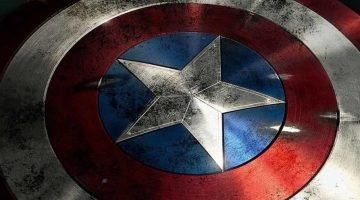
Captain America’s Future: Who Wields the Shield After Secret Wars?
The Marvel Cinematic Universe stands at the precipice of its most ambitious narrative undertaking yet: the Multiverse Saga, culminating in the highly anticipated Avengers: Doctor Doom and Avengers: Secret Wars. As the fabric of reality itself is threatened and new heroes rise, one question looms large, echoing through the halls of fan speculation and industry whispers: who will ultimately bear the iconic shield as Captain America once the dust settles from these cataclysmic events? The mantle of Captain America represents more than just a superhero identity; it embodies the ideals of hope, justice, and unwavering resolve, making the succession a pivotal moment for the franchise’s direction.
For years, Steve Rogers, portrayed by Chris Evans, defined the role, becoming a cinematic icon. His emotional farewell in Avengers: Endgame, passing the shield to Sam Wilson, signaled a new era. Yet, the sheer scale of ‘Secret Wars’ and the rumored return of Evans have ignited intense debate about the permanence of this transition. Fans ponder whether the Multiverse could introduce variant Captain Americas or even revert to a classic iteration. However, recent developments and credible insider insights provide a clearer picture, suggesting a deliberate path forward that honors both the past and the evolving future of Earth’s Mightiest Heroes. Understanding this trajectory requires a deep dive into character commitments, studio strategies, and the subtle clues embedded within official communications, all pointing towards a definitive answer that shapes the very core of the MCU’s next decade.
The Enduring Legacy: Who Will Be Captain America After Secret Wars?
Following the cataclysmic events teased for Avengers: Doctor Doom and the universe-altering narrative of Avengers: Secret Wars, informed speculation and insider commentary strongly suggest that Anthony Mackie will indeed continue in his role as Captain America. This indicates a consistent vision from Marvel Studios to maintain Sam Wilson as the primary bearer of the shield through the Multiverse Saga and into its aftermath, providing a stable and recognized leader for the MCU’s evolving landscape.
The future of Captain America in the Marvel Cinematic Universe has been a focal point of discussion, especially with the impending arrival of the Multiverse Saga’s climactic chapters. A notable report from Marvel news expert James Mack, shared via a post on X, asserts with conviction that Anthony Mackie is set to remain in the revered role beyond both Avengers: Doctor Doom and Avengers: Secret Wars. While Mack’s statement arrived without specific plot details or direct evidence, its alignment with other verified reports lends significant weight to this assertion.
Further corroborating this outlook, the entertainment website Ei Nerd previously reported in January on a confirmation from Marvel Studios. This official communication, delivered through a statement by Magnum, explicitly affirmed Sam Wilson’s status as the current Captain America, even amidst rumors and the eventual confirmation of Chris Evans’ return as Steve Rogers. This distinction is crucial: it positions Sam not as a temporary replacement but as the established successor, whose journey with the shield is central to the ongoing narrative.
Adding another layer of confirmation, promotional material for the upcoming Avengers: Doctor Doom has been observed to list Chris Evans exclusively as ‘Steve,’ conspicuously omitting the ‘Captain America’ title. This subtle yet significant detail from official marketing channels underscores the studio’s intention to differentiate his role from the current iteration of the Sentinel of Liberty. Such careful wording in high-profile releases is rarely accidental, often serving as a strategic signal regarding character identities and narrative arcs within the tightly controlled MCU framework.
The implications of these combined insights suggest a clear strategic direction from Marvel Studios. By continuing with Anthony Mackie as Captain America, the studio solidifies the legacy transition initiated in Avengers: Endgame, ensuring a consistent and established hero leads the franchise into its post-Multiverse Saga era. This approach not only honors Sam Wilson’s character development but also provides a recognizable and grounded figure to navigate the potentially bewildering changes wrought by ‘Secret Wars’.
Sam Wilson’s Ascent: Earning the Shield and the Mantle
Sam Wilson’s journey to becoming Captain America has been a deliberate and profound arc, cementing his place as the rightful successor. From receiving the shield at the conclusion of Avengers: Endgame to proving his leadership in The Falcon and the Winter Soldier and facing formidable adversaries in Captain America: Brave New World, his evolution underscores a commitment by Marvel to his long-term tenure, a sentiment mirrored by actor Anthony Mackie’s expressed desire to portray the hero for a decade.
From Falcon to Captain America: A Journey of Responsibility
Sam Wilson’s path to becoming Captain America was meticulously laid out across several key MCU installments, demonstrating a gradual and earned assumption of the mantle. His initial receipt of the vibranium shield from an aged Steve Rogers at the end of Avengers: Endgame was a moment of profound symbolic weight, signifying the passing of a generational torch. This gesture, however, was merely the beginning of his true transformation.
The Disney+ series The Falcon and the Winter Soldier became the crucible for Sam’s growth into his new role. It explored the immense psychological burden and societal implications of a Black man taking on such a powerful symbol of American identity. Through challenging encounters with legacy issues, government resistance, and the emergence of new threats, Sam grappled with the responsibilities inherent in the shield. His eventual acceptance and public debut as Captain America in the series’ finale marked a definitive moment, proving his worthiness not just through combat prowess, but through moral conviction and leadership.
His journey culminated, or at least significantly progressed, with his first major cinematic outing as Captain America in Captain America: Brave New World. In this film, Sam reportedly faced substantial challenges, including confronting formidable antagonists such as The Leader, portrayed by Tim Blake Nelson, and the Red Hulk, brought to life by Harrison Ford. These confrontations served as his trial by fire, solidifying his capabilities and authority as the new Captain America on a global stage, demonstrating his ability to lead and protect the world effectively.
Beyond the narrative, Anthony Mackie, the actor behind Sam Wilson, has publicly expressed his personal commitment to the role. In 2025, Mackie articulated his aspiration to portray Captain America for approximately ten years, a sentiment reported by Ei Nerd at the time. This statement not only reflects the actor’s dedication but also aligns seamlessly with Marvel Studios’ apparent long-term plans for the character, suggesting a sustained presence for Sam Wilson in the MCU’s unfolding chapters. Mackie’s enthusiasm and the character’s rich development signify that Sam Wilson is not a temporary custodian of the shield, but its established and evolving guardian.
The Multiverse Saga and Steve Rogers’ Lingering Presence
The Multiverse Saga introduces complex narrative possibilities, hinting at Steve Rogers’ past actions potentially causing multiversal collapse, as theorized by Doctor Doom. While Chris Evans’ return as Steve is confirmed, official distinctions in marketing materials separate him from the Captain America mantle. Unconfirmed rumors suggest variant Steves or even a Human Torch role, alongside a playful theory of a villainous Steve, underscoring the speculative nature of his future beyond his confirmed appearances.
Steve Rogers: Hero or Catalyst for Chaos?
The Multiverse Saga, with its inherent complexities and reality-altering stakes, has opened the door to re-evaluating foundational moments in the MCU. A particularly intriguing insinuation arises from a re-release of Avengers: Endgame, suggesting that Steve Rogers’ seemingly benevolent act of using the Infinity Stones to rewrite or restore Earth-616 might have inadvertently triggered the initial collapse of the multiverse. This perspective positions one of the MCU’s most revered heroes as a potential, albeit unintentional, catalyst for the very crisis that now threatens all realities.
This interpretation, reportedly viewed by Doctor Doom as a transgression for which Rogers must account, transforms Steve’s heroic conclusion into a morally ambiguous turning point. It’s crucial to contextualize this as speculation, rather than confirmed plot. However, such narrative threads are potent, offering compelling reasons for Steve Rogers’ re-emergence in the Multiverse Saga—not merely for nostalgic cameos, but possibly to confront the unintended consequences of his past choices. This narrative depth allows for Chris Evans’ return to be impactful without detracting from Sam Wilson’s established role as Captain America, by placing Steve in a different, more nuanced context within the broader multiversal conflict.
Unconfirmed Whispers: Multiple Steves and the Human Torch Rumor
Beyond the potential for Steve Rogers to confront his past, the vastness of the multiverse naturally fuels a variety of tantalizing, albeit unconfirmed, rumors regarding Chris Evans’ return. One prevalent whisper suggests that Evans might portray multiple versions of Steve Rogers across different realities. This aligns with the multiverse theme, allowing for diverse iterations of the beloved hero to appear without contradicting Earth-616’s established narrative. Such an approach would cater to fan desire for Evans’ presence while exploring the limitless possibilities of alternate timelines.
Another theory, particularly intriguing and stemming from Evans’ prior role in the Fantastic Four films, posits that he could even reappear as the Human Torch. This playful speculation highlights the interconnectedness of comic book cinematic history and the potential for unexpected twists within the multiverse, though it remains firmly in the realm of fan-driven conjecture. Additionally, a more provocative, yet amusing, theory circulating among fans suggests a scenario where Sam Wilson, as Captain America, might find himself confronting a villainous version of Steve Rogers from an alternate reality. These rumors, while captivating, are important to acknowledge as purely speculative at this stage, with no official confirmation from Marvel Studios. They underscore the immense anticipation and imaginative scope fans apply to the future of these iconic characters within the MCU.
Strategic Implications: Balancing Nostalgia and the Future of Marvel Cinema and TV
Marvel Studios’ decision to retain Anthony Mackie as Captain America post-Secret Wars is a strategic move designed to offer stability amidst a chaotic multiversal narrative. This choice balances the comfort of Chris Evans’ nostalgic return with the necessity of evolving the cinematic universe by empowering a new generation of heroes, ensuring narrative consistency and fostering audience connection with established, yet fresh, leadership across Marvel Cinema and TV.
Why Sam’s Continuity Matters for the MCU’s Direction
The continuity of Sam Wilson as Captain America beyond Secret Wars carries significant strategic weight for the Marvel Cinematic Universe. In a saga poised to disrupt and reshape reality itself, having an established, recognized hero at the forefront offers a crucial anchor for audiences. This decision signals Marvel’s commitment to the character development painstakingly built through The Falcon and the Winter Soldier and Captain America: Brave New World, ensuring that Sam’s journey isn’t a temporary stopgap but a foundational pillar of the franchise’s future. For fans, it’s a reassuring sign that the shield’s passing was a definitive, meaningful transition, not merely a fleeting experiment.
Maintaining Sam Wilson provides the MCU with a clear, moral compass in an increasingly complex and morally gray multiversal landscape. His unique perspective as a former military man and a hero who understands the ground-level impact of superheroics offers a different kind of leadership compared to Steve Rogers. This continuity allows for deeper exploration of his character, his relationships, and his unique challenges as Captain America, fostering a stronger connection with viewers and paving the way for new, compelling storylines that resonate across both its cinematic releases and its expanding TV series.
The Studio’s Balancing Act: Chris Evans’ Return vs. New Leadership
Marvel Studios faces the perpetual challenge of balancing beloved nostalgia with the imperative for fresh narratives and new character leadership. The rumored return of Chris Evans as Steve Rogers, while exciting for many long-time fans, could easily overshadow the development of Sam Wilson if not handled carefully. By firmly establishing Sam as the ongoing Captain America, the studio achieves a masterful equilibrium: it appeases the desire for familiar faces while unambiguously championing the new guard.
This strategic balance allows Marvel to leverage the immense goodwill and iconic status of Chris Evans’ Steve Rogers for specific, impactful appearances—perhaps as a multiversal variant or in a capacity that acknowledges his legacy without reclaiming the mantle. Simultaneously, it validates Anthony Mackie’s role and the significant investment made in Sam Wilson’s character, promoting diversity and evolution within the core hero lineup. This dual approach ensures that the MCU can harness the power of its past while confidently charting a course for its future, keeping both its established fanbase and new audiences engaged across all Cinema and TV offerings.
Frequently Asked Questions About Captain America’s Future
Will Anthony Mackie continue as Captain America after the Multiverse Saga?
Yes, multiple insider reports and official cues strongly suggest Anthony Mackie will continue as Captain America beyond the events of Avengers: Doctor Doom and Avengers: Secret Wars. This indicates a long-term commitment from Marvel Studios to Sam Wilson’s tenure in the role, providing continuity and stability for the character in the post-Multiverse Saga era. His journey from Falcon to Captain America has been a central narrative arc, establishing him as a permanent fixture in the MCU’s future leadership.
What is the significance of Sam Wilson taking on the Captain America mantle?
Sam Wilson taking on the Captain America mantle is profoundly significant, representing a pivotal evolution for the character and the MCU. It signifies a passing of the torch from Steve Rogers to a new generation, reflecting contemporary themes of legacy, responsibility, and representation. Sam’s unique background as a military veteran offers a different perspective on leadership, focusing on community and addressing systemic issues, thereby broadening the scope of what Captain America embodies for audiences worldwide. It solidifies his role as a permanent and evolving symbol of heroism.
Are the Russo Brothers directing the upcoming Avengers films?
Yes, the official schedule indicates that the upcoming Avengers: Doctor Doom and Avengers: Secret Wars films are both slated to be directed by the Russo Brothers. Their return to direct these monumental installments signals a continuity of the epic scale and intricate storytelling they brought to previous Avengers films like Infinity War and Endgame. This choice reassures fans of a consistent vision for the climax of the Multiverse Saga, bringing back trusted filmmakers for crucial narrative chapters.
What role might Chris Evans’ Steve Rogers play in the new saga?
Chris Evans is confirmed to return as Steve Rogers, but without the “Captain America” title in promotional materials, suggesting a nuanced role. Rumors speculate he might portray multiversal variants of Steve, or even revisit his Human Torch character from earlier films, rather than reclaiming his original mantle. There’s also speculation he could address the unintended consequences of his past actions, such as potentially triggering the multiverse collapse. His involvement is expected to be significant yet distinct from Sam Wilson’s ongoing role as Captain America.
How does “Secret Wars” typically impact Marvel characters?
In Marvel Comics, “Secret Wars” events are known for their universe-altering scale, often leading to massive multiversal collisions, the merging of realities, and profound shifts in character statuses and identities. It typically involves heroes and villains from various timelines battling for existence, resulting in significant reboots, redesigns, or even the creation of entirely new universes. For individual characters, this can mean facing alternate versions of themselves, undergoing major transformations, or making ultimate sacrifices, fundamentally reshaping their future trajectories within the Marvel cosmos.
What is the release schedule for the next Avengers films?
The official release schedule for the upcoming Avengers films has been set. The first film, presumably Avengers: Doctor Doom, is slated to arrive on December 17, 2026. The second film, expected to be Avengers: Secret Wars, is scheduled for release in December 2027. Both films are set to be directed by the acclaimed Russo Brothers, promising a climactic and transformative conclusion to the Multiverse Saga within the Marvel Cinematic Universe.
As the Marvel Cinematic Universe prepares for its most ambitious crossover events in Avengers: Doctor Doom and Avengers: Secret Wars, the question of who carries the shield of Captain America holds profound significance. All signs, from authoritative insider reports to subtle yet deliberate official marketing, point towards Anthony Mackie’s Sam Wilson as the enduring Sentinel of Liberty. This strategic continuity ensures a stable, recognizable leader for a saga poised to redefine reality itself, balancing the cherished legacy of Steve Rogers with the vital evolution of the MCU’s heroic roster.


Post Comment