Secret Wars: Marvel’s Multiverse Fix Needed for Cinema & TV
The Marvel Cinematic Universe (MCU) once set an unprecedented standard for interconnected storytelling, culminating in the triumphant global event of Avengers: Endgame. This monumental achievement wrapped up the Infinity Saga, delivering a cohesive narrative arc built over a decade. However, in the nearly seven years since that cinematic high point, a persistent question echoes among fans and critics alike: Where did the MCU lose its way?
What began as a seemingly clear path for the Multiverse Saga, with the ominous presence of Kang the Conqueror meant to steer the sprawling narrative, has instead become a complex web of loosely connected projects. This shift has not gone unnoticed by its dedicated audience, leading to discussions about franchise fatigue and a yearning for the tightly woven coherence that defined its earlier phases. The foundational strength of the MCU always lay in its intricate design, where every film and series felt like a crucial piece of a grander mosaic.
Yet, recent developments, including the departure of key actors and the rumored re-evaluation of major villain arcs—with Doctor Doom potentially stepping into Kang’s shoes—suggest a universe in flux. These changes, while significant, are seen by many as symptoms rather than causes of a deeper, systemic issue that began much earlier: a failure to meticulously organize the universe’s explosive growth after Endgame. As the MCU progresses towards its highly anticipated Secret Wars event, the imperative to course-correct becomes ever more critical. The stakes are higher than ever, not just for individual project success, but for the very future of Marvel’s ambitious, interconnected storytelling across both `Cinema and TV` platforms.
Navigating the Multiverse: Why Marvel’s Cinema and TV Strategy Needs Reimagining
The post-Infinity Saga era of the Marvel Cinematic Universe has been marked by an ambitious expansion, introducing a multitude of new characters, concepts, and narratives across both big and small screens. However, this growth, particularly during Phases Four through Six, has been widely perceived as lacking the meticulous organization and cohesive planning that characterized its predecessors. The initial vision for the Multiverse Saga, centered around the enigmatic Kang the Conqueror, appeared promising, suggesting a clear direction for the universe’s evolving story. Yet, as time progressed, this structure began to fray, leading to a sense of narrative drift that puzzled long-time followers.
A primary critique points to the disjointed nature of new projects, often marketed as interconnected yet delivering weak narrative ties. This issue is compounded by challenges in character scaling, where new heroes and villains, despite their individual potential, struggle to find a meaningful place within the overarching Multiverse narrative. The grand tapestry of the MCU, once seamlessly woven, now shows visible seams, prompting questions about the efficacy of its creative direction.
External factors have undeniably contributed to this complexity. The high-profile departure of Jonathan Majors, who was set to anchor the Multiverse Saga as its primary antagonist, necessitated a significant re-evaluation of the entire arc. Rumors of integrating iconic villains like Doctor Doom further illustrate the necessity for agile, yet well-considered, strategic pivots. However, many analysts suggest that the fundamental issues preceded these more recent developments, stemming from a foundational misstep in managing the sheer volume and diversity of new content.
This period has underscored the crucial need for a refreshed approach to Marvel’s `Cinema and TV` strategy, one that prioritizes not just expansion, but also the clarity and coherence that are essential for maintaining audience engagement and the franchise’s legendary status. The challenge lies in harmonizing individual story beats with the monumental scope of the Multiverse, ensuring that every project contributes meaningfully to a larger, understandable whole.
To revitalize its interconnected universe, Marvel should consider segmenting its extensive output into distinct narrative tracks, allowing audiences to engage selectively while preserving the option for grand crossover events, thus addressing current fragmentation and rebuilding audience trust in its expansive `Cinema and TV` offerings.
The Tangled Web of Connectivity: Examining Loose Ties
A recurring point of contention among fans is the perceived lack of robust connections between projects that were explicitly promoted as intertwined. While the MCU built its legacy on subtle Easter eggs evolving into direct crossovers, recent endeavors have often felt like standalone stories with only tenuous narrative bridges to their supposed counterparts. This has led to a sense of missed opportunities and diluted impact for key storyline developments.
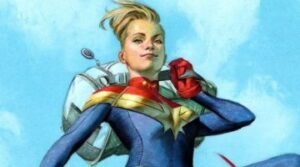
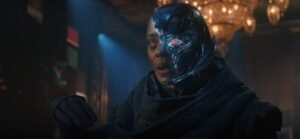
For instance, the narrative threads connecting `WandaVision` to `Doctor Strange in the Multiverse of Madness` were notably looser than anticipated, leaving many viewers feeling that the former’s profound character development for Wanda Maximoff didn’t translate seamlessly or with full thematic weight into the latter. Similarly, projects like `Secret Invasion` and `The Marvels`, despite sharing thematic undertones, struggled to establish a compelling, direct narrative continuity that would elevate both. The same challenge emerged with `Echo` and `Daredevil: Born Again`, where the promise of a deeper, integrated street-level universe has yet to fully materialize in a way that feels organic and impactful.
These instances highlight a fundamental shift in how the MCU’s various components interact. Whereas early phases often saw character arcs and plot points from one film directly influencing the next, the Multiverse Saga has at times presented projects that feel more like parallel narratives occasionally brushing against each other, rather than intrinsically linked chapters of a single epic. This approach, while offering individual creative freedom, sacrifices the cumulative narrative power that made the Infinity Saga so compelling, inadvertently contributing to viewer fatigue.
From Cohesion to Confusion: The Cost of Disjointed Scaling
Beyond loose narrative ties, the MCU has grappled with what many identify as significant “scaling problems” in its post-Endgame expansion. The careful escalation of power, threat, and character stakes was a hallmark of the Infinity Saga, where each new hero or villain felt like a natural progression within the universe’s evolving landscape. In contrast, the current saga has introduced a multitude of powerful entities and cosmic threats without always providing a clear sense of their place or impact within the established hierarchy.
This disjointed scaling can dilute the sense of grand stakes and make it difficult for audiences to track the overarching significance of individual events. When every new antagonist is presented as an existential threat, the true weight of universal peril can diminish over time. Moreover, the sheer volume of new characters, often introduced across disparate series and films, makes it challenging for audiences to invest deeply in each one, particularly when their relevance to the broader narrative remains ambiguous.
The struggles faced by projects such as the reboot of `Blade` further exemplify this issue. The delays and creative overhauls surrounding the film reflect a broader struggle to integrate new, darker, or more niche corners of the Marvel universe into a coherent whole. When even beloved characters face production difficulties and uncertain narrative paths, it signals a deeper challenge in maintaining a consistent quality and vision across such a vast and rapidly expanding fictional world. This constant state of uncertainty, combined with a diluted sense of connectivity, risks eroding the audience’s trust and enthusiasm for the interconnected saga as a whole.
Rebuilding Trust: Proposed Solutions for a Sustainable Marvel Future
The challenges of the Multiverse Saga have sparked considerable debate among industry observers and dedicated fans regarding the optimal path forward for Marvel Studios. As the franchise prepares for the monumental `Secret Wars` event, there’s a growing consensus that a significant strategic shift is required to revitalize audience engagement and restore the narrative clarity that once defined the MCU. One prominent proposal, gaining traction among analysts, involves restructuring the universe’s output into distinct, yet interconnected, narrative ‘tracks’ or ‘lanes.’ This approach draws inspiration from the long-standing success of Marvel Comics, which often compartmentalizes its vast array of characters and storylines into genre-specific pockets that only converge during major, carefully orchestrated crossover events.
The core idea behind this strategy is to offer audiences a clearer, more manageable viewing experience. Instead of feeling obligated to watch every single film and series to grasp the overarching narrative, viewers could selectively engage with the tracks that most appeal to their interests. This freedom of choice aims to combat the prevalent ‘homework’ feeling that has contributed to audience fatigue. For Marvel, this means recovering public confidence by demonstrating a commitment to focused, high-quality storytelling within each distinct lane, without abandoning the potential for epic, universe-shattering events that remain a cornerstone of its brand.
Implementing such a strategy requires meticulous planning and a renewed emphasis on long-term vision. It involves carefully curating which characters and storylines belong in each track, ensuring that each lane can develop its own unique tone and progression, while still contributing to a broader sense of a shared universe. This allows for deeper dives into specific genres and character archetypes, fostering more robust and self-contained narratives that resonate strongly with their target demographics.
The proposed restructuring for Marvel’s `Cinema and TV` projects post-Secret Wars is crucial for revitalizing the franchise. By creating distinct narrative paths and carefully re-evaluating long-term character and plot progression, Marvel aims to restore narrative clarity and rekindle audience enthusiasm for its interconnected universe.
Strategic Segmentation: A Blueprint for New Storytelling Tracks
The proposal to divide the MCU’s future into distinct narrative tracks offers a compelling blueprint for Phase Seven and beyond, aiming to provide a more streamlined and engaging viewing experience. This architectural shift recognizes the sheer scale of the Marvel universe and the diverse preferences of its global audience. By categorizing projects, Marvel can foster stronger, more consistent tones and themes within each segment, allowing for deeper exploration of specific comic book mythologies without diluting the overall narrative.
The suggested tracks represent a thoughtful segmentation of Marvel’s vast intellectual property, designed to cater to different fan bases while maintaining the potential for impactful crossovers. This strategy is not about severing connections entirely, but rather about creating more deliberate and impactful junctions, ensuring that major events truly feel earned and significant. It’s a pragmatic approach to managing an ever-growing cinematic and television landscape, addressing the challenge of keeping a sprawling universe both accessible and exciting.
| Proposed Narrative Track | Core Focus & Characters | Key Benefit to Audience |
|---|---|---|
| Main Plotline | Avengers, Spider-Man, Black Panther, X-Men (central saga progression) | Clear understanding of core universe events and major hero arcs. |
| Deeper Mutant Focus | Extensive exploration of X-Men lore, specific mutant storylines | In-depth engagement with the rich, complex world of mutantkind. |
| Supernatural Horror | Blade, Ghost Rider, Man-Thing, darker mystical elements | Dedicated lane for chilling, mature supernatural narratives. |
| Espionage & Thrillers | Black Widow, Falcon, Winter Soldier, S.H.I.E.L.D., political intrigue | Focused on grounded, high-stakes spy and action-thriller plots. |
Addressing Audience Fatigue and Reclaiming Engagement
A significant contributing factor to the perceived decline in MCU engagement has been audience fatigue, often described as the “homework” phenomenon. This refers to the feeling that one must watch every single movie and Disney+ series to keep up with the overarching story, fearing critical plot points or character developments might be missed. This burden, while manageable in earlier, smaller phases, has become overwhelming given the rapid expansion of content. The proposed system of distinct narrative tracks offers a direct solution by empowering viewers to choose what they want to follow, liberating them from the pressure of compulsory consumption.
By allowing audiences to opt-in to specific genres or character groups, Marvel can foster more dedicated, passionate fan bases for each track. Fans of supernatural horror, for instance, could follow the Blade and Ghost Rider storylines without feeling lost if they skip a more cosmic-focused project. This targeted approach respects audience preferences and time, making the universe feel more accessible and less daunting. For Marvel Studios, this strategy is not merely about simplifying consumption; it’s about strategically rebuilding confidence and rekindling the excitement that once made the MCU an unrivaled cultural phenomenon. It transforms the obligation of watching everything into the pleasure of choosing what truly resonates, thereby deepening emotional investment and loyalty across the diverse landscape of its `Cinema and TV` offerings.
Beyond Secret Wars: Charting a New Course for Marvel’s Cinema and TV Future
As the Multiverse Saga hurtles towards its climactic `Secret Wars` event, the decisions made in its aftermath will undoubtedly define the next era of the Marvel Cinematic Universe. The discussions surrounding strategic reorganization—particularly the adoption of distinct narrative tracks—are not just about rectifying past missteps, but about forging a more sustainable and creatively robust future. This pivotal moment presents an opportunity for Marvel Studios to demonstrate its adaptability and commitment to evolving its storytelling methodologies in response to both internal challenges and shifting audience expectations. The success of `Secret Wars` itself may hinge on how effectively the preceding narratives converge and how clearly a path forward is established.
The inherent challenge lies in balancing the desire for expansive, interconnected storytelling with the need for individual project integrity and audience accessibility. A segmented approach offers a pragmatic solution, allowing for focused, in-depth narratives within specific genres or character groups, while reserving the grand crossovers for truly momentous occasions. This ensures that when the entire universe converges, the event feels impactful, earned, and truly necessary, rather than just another obligation for viewers.
Looking ahead, the commitment to such a structured approach could re-establish Marvel’s reputation for meticulous planning and unparalleled narrative coherence. It means carefully considering not just *what* stories are told, but *how* they are presented and integrated into the broader `Cinema and TV` landscape. The future of the MCU demands a strategic vision that learns from the complexities of the Multiverse Saga, leveraging its vast potential without succumbing to the pitfalls of unbridled, disorganized expansion. This is the crucial next chapter in Marvel’s ongoing cinematic legacy.
Frequently Asked Questions About Marvel’s Multiverse Saga and Future Strategy
What are the main issues identified in the post-Infinity Saga MCU?
The primary issues identified in the Marvel Cinematic Universe since the conclusion of the Infinity Saga revolve around a lack of organized growth and coherent narrative planning. This has led to projects feeling disconnected despite being marketed as interconnected, character scaling problems where the power and relevance of new additions are unclear, and general audience fatigue from the sheer volume of content. The initial promise of a clear direction for the Multiverse Saga has been complicated by these factors, making it challenging for audiences to fully engage with the overarching story.
How did the departure of Jonathan Majors affect Marvel’s plans?
The departure of Jonathan Majors, who portrayed Kang the Conqueror, significantly impacted Marvel’s long-term plans for the Multiverse Saga. Kang was positioned as the central antagonist, a threat that would unify the diverse storylines across film and television. His exit necessitated a substantial re-evaluation of the saga’s primary villain arc, potentially leading to creative shifts, including rumors of other major characters like Doctor Doom being integrated into this pivotal role. This forced pivot adds another layer of complexity to an already fragmented narrative.
Which specific projects suffered from loose connections?
Several Marvel projects have been cited as examples of loose connectivity. `WandaVision` and `Doctor Strange in the Multiverse of Madness` had a connection that felt less substantial than anticipated, despite thematic links. Similarly, `Secret Invasion` and `The Marvels` struggled to establish a compelling, direct narrative continuity. The street-level series `Echo` and `Daredevil: Born Again` have also faced criticisms regarding their integration, indicating a broader challenge in making all pieces of the expanding universe feel genuinely intertwined.
What are the proposed narrative tracks for future Marvel phases?
To address the current narrative challenges, a proposal suggests organizing future Marvel phases into distinct narrative tracks. These include a main plotline featuring core Avengers characters, Spider-Man, Black Panther, and the X-Men; a deeper dive into the world of mutants; a dedicated supernatural horror lane with characters like Blade; and an espionage and thriller track focusing on characters like Black Widow. This approach aims to streamline storytelling, offer clearer narrative paths, and allow audiences to engage with specific genres that appeal most to them.
How might these new tracks benefit the audience?
The introduction of distinct narrative tracks offers several benefits to the audience. Primarily, it combats ‘homework’ fatigue by allowing viewers to selectively follow only the storylines that interest them, rather than feeling obligated to watch everything to keep up. This provides greater freedom of choice and a more manageable viewing experience. It also allows for more focused and tonally consistent storytelling within each track, potentially leading to higher quality and deeper engagement for those dedicated to a particular genre or character group.
Why is ‘Secret Wars’ considered a pivotal moment for the MCU’s direction?
`Secret Wars` is considered a pivotal moment because it represents a potential inflection point for the entire Marvel Cinematic Universe. Given the current challenges in the Multiverse Saga, `Secret Wars` is anticipated to be an event that could reset, reorganize, or significantly alter the fabric of the MCU. The decisions made regarding the franchise’s structure and narrative approach leading into and out of `Secret Wars` are crucial for determining its long-term viability, coherence, and ability to regain consistent audience enthusiasm across all its `Cinema and TV` projects.
What was the problem with the ‘Blade’ reboot mentioned in the article?
The problems associated with the `Blade` reboot project are cited as an example of broader creative and production difficulties within the post-Infinity Saga MCU. The project has reportedly undergone multiple script rewrites, director changes, and significant delays, indicating challenges in solidifying its narrative vision and integrating it seamlessly into the larger universe. These struggles highlight the complexity of introducing new characters and tones, especially those from darker corners of Marvel lore, within a rapidly expanding and sometimes disjointed franchise.



Post Comment