AI in Game Mods: Revolution or End for the Modern Nerd?
The gaming world is no stranger to transformative technologies. From the shift to 3D graphics to the rise of online multiplayer, each epoch brings both excitement and apprehension. Now, a new wave is sweeping through one of gaming’s most vibrant subcultures: modding. The integration of Artificial Intelligence into the creation and deployment of game modifications is sparking intense debate, promising unprecedented creative freedom while simultaneously raising existential questions for veteran developers.
This isn’t just about code; it’s about the very soul of community-driven content creation, challenging our understanding of skill, creativity, and the value of human endeavor in a rapidly evolving digital landscape. Imagine Spider-Man swinging through the gritty streets of Gotham, or the intricate mechanics of Escape from Tarkov seamlessly blending into the sprawling fantasy of Skyrim. These once-impossible scenarios are now becoming reality, thanks to AI. Yet, amidst the viral videos and technical marvels, a crucial question emerges: Is this a genuine creative revolution, or a destructive force that threatens to dilute the artistry and dedication that have defined modding for decades?
For the discerning Nerd and enthusiast of digital culture, this shift represents a pivotal moment, demanding a closer look at whether AI is truly a revolutionary tool or a disruptive force threatening the established order of modding as we know it. The implications stretch beyond mere game aesthetics, touching on intellectual property rights, the future of content creation platforms, and the very definition of what it means to be a ‘modder’ in the 21st century. Understanding this complex interplay of technology, creativity, and community is essential for anyone invested in the future of interactive entertainment.
The AI Explosion in Game Mods: A New Era for Every Nerd?
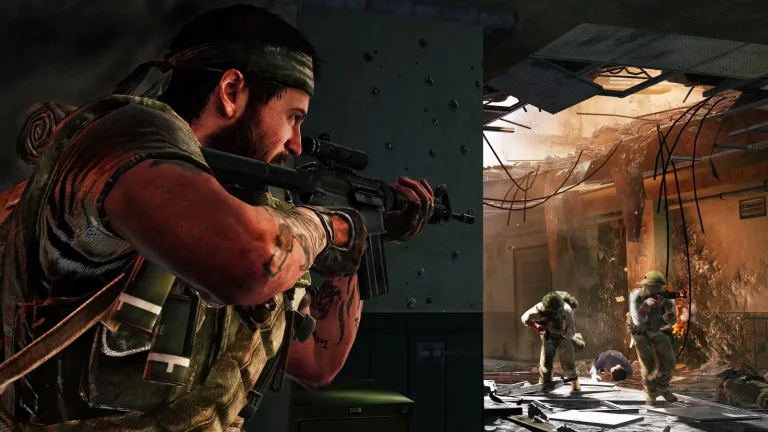
The recent surge in AI-assisted game modifications has undeniably brought an unprecedented level of accessibility and creative potential to the modding community. This phenomenon, which has seen impossible game fusions flood social media, is fundamentally changing who can create and what can be created. Enthusiasts can now envision crossovers like the web-slinging hero of Marvel navigating the gothic architecture of Batman’s Gotham City, or the intense tactical engagements of Call of Duty fused with the fantastical realms of World of Warcraft.
This democratization stems from AI’s remarkable proficiency in programming and its cost-effectiveness, as noted by sources like Vida Extra. Previously, creating complex mods required years of study in programming languages, game engines, and intricate technical frameworks. Now, AI models can handle much of this heavy lifting, translating conceptual ideas into functional code with astonishing speed. This dramatically lowers the barrier to entry, allowing individuals with more creative vision than coding expertise to bring their unique concepts to life within hours rather than months or years.
A prime example that ignited this debate is ArkWeb, a mod that seamlessly integrates Spider-Man into Batman: Arkham Knight. While the core programming for ArkWeb was meticulously crafted by hand using C++ and Python, its accompanying documentation explicitly guides users through installation with the aid of AI, removing the need for deep technical knowledge. This hybrid approach highlights how AI can act as a powerful accelerator, augmenting human effort rather than entirely replacing it. Furthermore, other projects, such as the blending of Dragon Ball with League of Legends, are reportedly being developed from start to finish predominantly with AI agents, demonstrating the technology’s full generative capabilities. Even the ambitious feat of embedding the entirety of Minecraft within the world of Elden Ring showcases the boundless potential AI promises to the eager Nerd community.
Direct Answer: The AI explosion in game mods is ushering in a new era by democratizing creation, allowing individuals with limited technical skills to develop complex game fusions and modifications. This shift leverages AI’s programming capabilities and low cost to break down traditional barriers, fostering an environment where previously impossible crossovers become reality, fundamentally reshaping accessibility and creative output within the modding community.
The Two Sides of the AI Modding Coin: Creative Freedom vs. “AI Slop”
The advent of AI in modding has drawn a distinct line in the sand, dividing the community between those who champion its potential for creative liberation and those who view it as a threat to the foundational principles of modding. This dichotomy underscores a fundamental tension: the allure of instant creation versus the value of painstaking craftsmanship. Understanding both perspectives is crucial for any engaged Nerd navigating this evolving landscape.
The Promise of Unprecedented Creativity
For many, AI represents a potent catalyst for creativity, transforming the landscape of game modification into an open playground for ideas. By automating repetitive and technically demanding tasks, AI empowers modders to bypass the often-tedious aspects of coding and asset generation, allowing them to focus almost entirely on conceptualization and artistic direction. This automation means that complex ideas, which might have been technically prohibitive or too time-consuming for solo creators, can now be explored with unprecedented efficiency.
The history of gaming is replete with examples of groundbreaking titles that began as simple mods, demonstrating the latent creative power within the community. Iconic games like Counter-Strike, DOTA, and PUBG all emerged from grassroots modding scenes, proving that innovative ideas often flourish where accessibility and experimentation are high. Proponents of AI in modding argue that this technology could be the next major accelerator, fostering a new generation of creators whose imagination, rather than technical prowess, becomes the primary determinant of success. The argument is that an influx of new voices and ideas, even if initially accompanied by a wave of less refined content, could ultimately yield the next revolutionary game-changing concept.
The Veteran’s Lament: “Pure Garbage” and Devalued Skill
However, not all members of the modding community view this trend with optimism. A significant portion of veteran modders, many of whom have dedicated years to mastering intricate programming and design skills, express profound disappointment and even anger. They see the rise of easily generated, AI-assisted mods as a degradation of their craft and an inundation of what they derisively term “AI slop”—a pejorative term for low-quality, uninspired content produced en masse by artificial intelligence.
Modders like Kran27_, who admits to using AI for coding assistance, did not mince words when discussing the viral AI fusions, stating, "I hate this. It’s pure garbage, there’s absolutely nothing creative about it." This sentiment is echoed by others, including Discountmodder, who expressed disappointment with the scene’s direction, remarking, "If this becomes the permanent state of modding, this might be my last project." Their criticism often points to the perceived lack of originality, the focus on viral appeal over actual playability, and the devaluation of the deep technical knowledge and artistic dedication required for traditional modding. For these long-standing members of the Nerd community, AI threatens to undermine the very essence of what makes modding a respected craft, turning it into a transient spectacle of superficial content.
Direct Answer: The core debate over AI in modding pits the promise of unprecedented creative freedom and accessibility for new creators against the concerns of veteran modders. While AI empowers rapid prototyping and lowers technical barriers, critics fear an influx of low-quality, unoriginal content, dubbed ‘AI slop,’ which they believe devalues the intricate craftsmanship and dedicated skill traditionally associated with game modification.
Navigating the New Frontier: Regulations, Ethics, and the Future for the Nerd Community
As AI rapidly integrates into the modding ecosystem, the broader industry is grappling with the complexities of regulation, ethics, and intellectual property. This new frontier demands a thoughtful approach to ensure that innovation thrives without compromising the integrity of content creation or the rights of original developers. These evolving standards will significantly shape the environment for every aspiring and established Nerd in the modding sphere.
The Platform’s Response: Nexus Mods and Legal Quandaries
Key platforms are already taking steps to adapt. Nexus Mods, arguably the largest modding website globally, revised its policies in July, introducing specific tags for AI-generated content. These tags cover a wide spectrum, from AI-assisted code and synthesized voices to machine-generated music. The platform now mandates that creators explicitly declare any use of AI in their submissions, with non-compliance potentially leading to penalties. This move underscores a crucial industry push towards transparency, enabling users to make informed choices about the content they download and consume.
However, the complexities extend beyond simple disclosure. Many of the viral AI-driven game fusions, which combine assets and code from multiple proprietary titles, rarely make it onto Nexus Mods. This is primarily due to significant legal considerations surrounding intellectual property (IP) rights. Merging elements from different commercial games, even for non-profit fan creations, enters a murky legal territory, raising questions about copyright infringement and fair use. Platforms are naturally hesitant to host content that could expose them to legal challenges from major game developers.
The Awards Dilemma: A Test of Authenticity
The impact of AI on creative authenticity is not limited to modding platforms; it’s also influencing industry recognition. In a notable incident last December, the Indie Game Awards withdrew the coveted Game of the Year and Best Debut trophies from Clair Obscur: Expedition 33. As reported by Stevivor, the organization cited the use of generative AI in the game’s materials as the reason for the retraction. This decision sends a powerful message across the industry: the use of AI in content creation is under intense scrutiny, and its role in defining genuine artistic achievement is being rigorously re-evaluated.
This incident reflects a broader conversation about what constitutes human creativity and the extent to which AI-assisted works should be celebrated on par with traditionally crafted ones. For game developers and modders alike, it highlights the need for clear guidelines and open dialogue about the ethical boundaries of AI integration, especially when it comes to prestigious accolades that define industry benchmarks.
Striking a Balance: Transparency and Respect
The path forward, as indicated by evolving platform rules and industry discussions, appears to lean heavily on transparency and mutual respect within the community. Acknowledging what parts of a mod were created or assisted by AI, and giving due credit to human efforts, fosters a more ethical and sustainable environment. The argument that AI doesn’t replace programmers in the most impressive projects, but rather opens access to their creations, suggests a collaborative rather than adversarial role for the technology.
Moreover, the reaction of veteran modders, who have sustained the scene for decades, cannot be overlooked. Their potential exodus, driven by disillusionment or a sense of devaluation, could impoverish modding far more than any AI could enrich it. The delicate balance involves harnessing AI’s power to innovate while simultaneously safeguarding the traditional skills, artistic integrity, and community spirit that have long been the bedrock of modding culture for the passionate Nerd.
Direct Answer: The modding community and industry are navigating AI’s impact through evolving regulations, ethical discussions, and intellectual property concerns. Platforms like Nexus Mods implement transparency rules, while award bodies re-evaluate AI-generated content’s eligibility. The future depends on balancing AI’s creative potential with respect for traditional craftsmanship, clear disclosure, and robust legal frameworks to ensure sustainable innovation.
Benefits of AI in Modding: Empowering the Next-Gen Nerd Creator
The integration of Artificial Intelligence into game modding introduces a compelling array of benefits, fundamentally altering the landscape for creators and consumers alike. These advantages primarily center on expanding accessibility, accelerating development, and fostering unprecedented levels of experimentation, ultimately empowering a new generation of Nerd creators.
-
Democratized Accessibility: AI significantly lowers the technical barrier to entry for modding. Individuals who lack extensive programming knowledge or artistic skills can now contribute to game modification by leveraging AI tools to generate code, assets, or even complex game logic. This opens the modding scene to a much broader audience, fostering diverse creative voices.
-
Accelerated Development: What once took weeks or months of manual labor can now be accomplished in hours with AI assistance. AI can automate repetitive coding tasks, generate textures, create 3D models from simple prompts, or even assist in script writing, drastically speeding up the development cycle for intricate mods.
-
Enhanced Experimentation: The speed and ease of AI-driven creation encourage modders to experiment with more radical and imaginative concepts. Without the heavy investment of time and resources into each prototype, creators are more likely to explore novel gameplay mechanics, aesthetic crossovers, and narrative structures, pushing the boundaries of what’s possible within a game.
-
Automation of Tedious Tasks: AI excels at handling the more mundane, labor-intensive aspects of mod development. This includes tasks such as asset optimization, bug detection in code, voice acting synthesis, or even balancing game mechanics, freeing human modders to concentrate on the more creative and strategic elements of their projects.
-
Educational Catalyst: For aspiring modders, AI tools can serve as powerful learning aids. By analyzing AI-generated code or dissecting AI-created assets, new creators can gain insights into best practices, common structures, and efficient workflows, accelerating their learning curve in traditional modding techniques.
Limitations and Risks: The Shadow Side of AI for the Discerning Nerd
While AI presents exciting opportunities for modding, its integration is not without significant limitations and inherent risks. For the discerning Nerd, understanding these challenges is crucial to temper expectations and anticipate potential pitfalls that could detract from the quality and integrity of the modding community.
-
Prevalence of "AI Slop": One of the most frequently cited criticisms is the potential for an overwhelming influx of low-quality, generic, and uninspired content. While AI can quickly generate a high volume of material, much of it may lack the originality, coherence, or polish typically associated with human-crafted mods, leading to a diluted experience for users.
-
Erosion of Creativity and Skill: Over-reliance on AI risks diminishing human creativity and the development of core modding skills. If AI can handle most complex tasks, there’s concern that future modders may not invest the time to master programming, art, or design, potentially leading to a generation of creators who are more prompts-engineers than true artisans.
-
Intellectual Property (IP) Complexities: AI-generated content often relies on vast datasets, many of which include copyrighted material. This raises significant legal and ethical questions regarding ownership, attribution, and the legality of using AI-created assets in mods, particularly when they closely resemble existing proprietary content. The "game fusions" explicitly highlight this risk.
-
Technical Debt and Maintainability: AI-generated code, while functional, may not always be optimized, efficient, or easy for humans to understand and maintain. This could lead to increased technical debt, making future updates, bug fixes, or compatibility adjustments far more challenging and time-consuming for human developers.
-
Community Fragmentation: The deep divide between traditional and AI-assisted modders risks fracturing the community. Distrust, accusations of ‘cheating,’ and a sense of devaluing traditional craftsmanship could lead to a loss of collaboration and a decline in the vibrant, supportive ecosystem that has long defined modding.
-
Bias and Lack of Nuance: AI models are trained on existing data, meaning they can inadvertently perpetuate biases present in that data. This could result in mods that lack cultural sensitivity, reflect stereotypes, or fail to capture the subtle nuances and artistic intent that human creators infuse into their work.
Common Pitfalls in AI-Assisted Modding for the Aspiring Nerd
The journey into AI-assisted modding, while exciting, is fraught with potential missteps. Aspiring Nerd creators venturing into this new domain must be aware of common pitfalls to avoid producing subpar content or facing community backlash.
-
Over-reliance on Generative AI: Simply prompting an AI to create an entire mod or large sections of it without significant human oversight often leads to generic, disjointed, or uninspired results. AI is a tool, not a ghost designer capable of nuanced creative vision.
-
Neglecting Human Quality Control: Even with AI’s efficiency, a lack of rigorous human review can result in mods filled with graphical glitches, unbalanced gameplay, illogical narratives, or outright bugs. Automated processes don’t guarantee polish or player enjoyment.
-
Lack of Transparency: Failing to disclose the use of AI in mod creation can lead to accusations of misrepresentation, erode trust within the community, and potentially violate platform rules, as seen with Nexus Mods’ new policies.
-
Ignoring Intellectual Property Rights: Generating content that too closely mimics or directly utilizes copyrighted assets from other games or media, even if AI-assisted, exposes both the creator and platforms to legal risks. The perceived ease of AI generation does not bypass copyright law.
-
Chasing Virality Over Playability: Focusing solely on creating eye-catching, AI-generated “fusion” concepts for social media attention, without ensuring the mod is genuinely fun, stable, or playable, leads to fleeting interest and disappointment among actual users.
-
Disregarding Community Feedback: Alienating veteran modders or dismissing their concerns about AI’s impact can lead to isolation and a lack of support, missing out on invaluable advice and collaboration opportunities within the established modding ecosystem.
Best Practices for AI-Assisted Modding: A Responsible Path Forward for the Nerd Community
To navigate the evolving landscape of AI in modding responsibly and effectively, creators must adopt a set of best practices. These guidelines are designed to harness AI’s power while preserving the integrity of the craft and fostering a healthy community for every passionate Nerd.
-
Prioritize Human Oversight and Creative Direction: Treat AI as a powerful assistant, not a replacement for human ingenuity. Use AI tools to automate tedious tasks, generate initial concepts, or refine existing assets, but always retain a strong creative vision and hands-on control over the final product. Your unique artistic touch remains paramount.
-
Maintain Transparency Regarding AI Use: Be upfront and clear about how AI was utilized in your mod. This includes declaring it on modding platforms (like Nexus Mods’ specific tags), in documentation, or within the mod’s description. Transparency builds trust within the community and helps users understand the creation process.
-
Focus on Quality and Playability: Resist the urge to create “AI slop” or solely viral content. Regardless of how a mod was made, its ultimate success hinges on its quality, stability, and ability to enhance the player’s experience. Rigorous testing and refinement are non-negotiable.
-
Educate Yourself on AI Ethics and IP: Understand the ethical implications of AI-generated content, particularly concerning data sourcing and potential biases. Be diligent about intellectual property rights; ensure that any AI-generated assets or code do not infringe on existing copyrights, or that you have the necessary licenses.
-
Engage with the Community: Foster dialogue with both traditional and AI-savvy modders. Share knowledge, solicit feedback, and participate in discussions to collectively shape best practices. Respecting veteran modders’ concerns while embracing innovation is key to preventing fragmentation.
-
Leverage AI for Iteration and Prototyping: Use AI to rapidly prototype ideas and iterate on designs. This allows for quick testing of concepts, identifying what works and what doesn’t before committing extensive human effort. AI can compress the experimental phase, leading to more refined outcomes.
The Evolving Landscape: Future Trends in AI Modding for the Tech-Savvy Nerd
The integration of AI into modding is not a static event; it’s an ongoing evolution. For the tech-savvy Nerd, understanding the emerging trends will be key to staying ahead of the curve and contributing meaningfully to this dynamic field. The future promises even more sophisticated tools and complex ethical considerations.
-
Hyper-Personalized Modding: Future AI systems could analyze individual player preferences, playstyles, and even biometric data to dynamically generate highly personalized mod experiences. Imagine an AI that tailors quests, character interactions, or environmental details specifically to your gaming habits, creating unique playthroughs for every user.
-
Advanced AI-Powered Game Engines: Game engines themselves might integrate AI more deeply, offering native tools for procedural generation, intelligent NPC behavior, and adaptive storytelling. This would make AI-assisted modding an intrinsic part of the development process, blurring the lines between game creation and modification.
-
Specialized Modding AI Agents: We can expect the emergence of highly specialized AI agents designed for specific modding tasks, such as AI for crafting perfectly balanced weapon stats, AI for generating lore-consistent dialogue, or AI for optimizing mod performance across various hardware configurations. These agents would act as expert co-pilots for modders.
-
Cross-Game AI Frameworks: The viral “game fusions” hint at a future where AI facilitates more sophisticated cross-game asset and logic integration, potentially through standardized frameworks. While IP concerns remain, advanced AI could enable complex interoperability between different game universes, leading to truly innovative mashups.
-
Dynamic Content Generation within Mods: Rather than merely creating static assets, AI within mods could generate dynamic, evolving content during gameplay. This might include AI-driven emergent narratives, procedurally generated levels that adapt to player actions, or NPCs with continuously learning behaviors, ensuring fresh experiences with every session.
-
Refined Legal and Ethical Frameworks: As AI modding matures, governments and industry bodies will likely establish clearer legal frameworks for AI-generated content, addressing intellectual property, attribution, and ethical sourcing of training data. This will provide more clarity and stability for creators and platforms.
The Enduring Spirit of the Nerd: Adapting to AI’s Impact on Modding
The integration of AI into game modding undeniably represents a pivotal moment, presenting both a revolution in accessibility and a significant challenge to traditional craftsmanship. The debate between innovative freedom and the preservation of artistic integrity is not merely theoretical; it’s unfolding in real-time across modding communities, platforms, and even award ceremonies. For the dedicated Nerd, this era demands a nuanced perspective, recognizing that technology’s advancements always bring a mixture of progress and disruption.
While the initial wave of AI-generated "slop" might seem overwhelming, history suggests that new tools, once matured, often find their true purpose. Just as accessible game engines initially flooded the market with varying quality indie titles before spawning masterpieces, AI in modding is likely to follow a similar trajectory. The true measure of any mod, regardless of its creation method, will always boil down to its ability to entertain, innovate, and genuinely enhance the player experience.
The enduring spirit of the modding community lies in its adaptability, ingenuity, and passion. By embracing transparency, maintaining human oversight, and fostering respectful dialogue between veteran and new creators, the modding scene can evolve. The challenge is not to resist AI, but to integrate it wisely, using its power to augment human creativity and expand the horizons of gaming, while simultaneously safeguarding the deep skill and dedication that have long defined the art of game modification. This collaborative future, where technology and human touch intertwine, promises a richer, more diverse, and ultimately more vibrant landscape for every gaming enthusiast.
Direct Answer: The enduring spirit of the nerd community in modding lies in its adaptability and passion, even as AI introduces profound changes. While AI democratizes creation, the core values of innovation, dedication, and the pursuit of unique gaming experiences will continue to define this vibrant subculture, shaping how it integrates new technologies while preserving its artistic integrity through transparency and human oversight.
FAQ: Exploring Key Questions About AI in Modding
What exactly is “AI slop” in modding?
"AI slop" is a term used by veteran modders to describe low-quality, generic, and uninspired content generated en masse by artificial intelligence. It often refers to mods that prioritize viral appeal or quick creation over genuine artistic merit, playability, or technical polish. Critics argue that such content lacks originality, often appearing derivative or disjointed, and risks diluting the overall quality and artistic value of the modding scene. It’s perceived as a consequence of AI’s ability to produce large volumes of content without the critical human discernment needed for quality control.
How does AI lower the barrier to entry for modding?
AI significantly lowers the barrier to entry by automating many of the technically complex and time-consuming tasks traditionally required for mod development. For instance, AI can assist with code generation, helping individuals without extensive programming knowledge to create functional scripts. It can also generate 3D models, textures, or sound effects from simple text prompts, removing the need for specialized artistic skills. This allows more individuals with creative ideas but limited technical expertise to participate in mod creation, democratizing access to a formerly niche activity.
What are the main legal concerns with AI-generated mods?
The primary legal concerns with AI-generated mods revolve around intellectual property (IP) rights. AI models are often trained on vast datasets that include copyrighted material, raising questions about whether their output constitutes derivative work or infringement. When AI is used to create "game fusions"—combining elements from multiple commercial games—it directly challenges the copyright and trademarks of the original developers. This can lead to legal disputes over ownership, licensing, and unauthorized use of proprietary assets, making platforms hesitant to host such content.
Can AI truly replace human creativity in modding?
While AI can mimic and generate content based on patterns learned from existing data, many veteran modders and experts argue that it cannot fully replace human creativity. True creativity involves originality, intentionality, subjective artistic vision, and the ability to innovate beyond existing paradigms. AI serves as a powerful tool for automation, augmentation, and rapid prototyping, but the conceptualization, critical refinement, and injection of unique artistic expression typically remain the domain of human creators. The most impressive AI-assisted projects often involve significant human oversight and direction.
How can modders ensure transparency when using AI?
Modders can ensure transparency by clearly disclosing the extent and nature of AI use in their projects. This includes explicitly stating which components (e.g., code, assets, voices) were AI-generated or AI-assisted in the mod’s description, accompanying documentation, or on the hosting platform. Platforms like Nexus Mods are implementing specific tags for AI content to facilitate this. Transparency builds trust within the community, allows users to make informed choices, and helps to establish ethical norms for AI integration.
What historical precedent exists for technology changing modding?
The modding scene has a rich history of adapting to technological shifts. The advent of more accessible game engines (like Unity or Unreal Engine) in the past allowed a new wave of independent game developers and modders to emerge, often with varying levels of quality, eventually leading to groundbreaking titles. Similarly, the rise of powerful 3D modeling software or advanced scripting languages fundamentally changed what modders could achieve. Each technological leap has lowered barriers, broadened participation, and sparked debates about quality and authenticity, mirroring the current discussion around AI.
Why are veteran modders so resistant to AI in modding?
Veteran modders’ resistance stems from several factors, including a perceived devaluation of their craft, which often involves years of dedicated study and technical skill acquisition. They are concerned about the influx of low-effort, low-quality "AI slop" diluting the scene and overshadowing meticulously crafted mods. There’s also a fear that AI will diminish the artistic integrity and originality of modding, transforming it from a skilled art form into a mere exercise in prompt engineering. Their resistance often highlights a desire to preserve the community’s traditional values of dedication, skill, and genuine human creativity.
What role do platforms like Nexus Mods play in this new era?
Platforms like Nexus Mods play a crucial gatekeeping and regulatory role in this new era of AI modding. They are responsible for setting community guidelines, implementing policies on AI-generated content (such as mandatory disclosure tags), and enforcing rules to manage quality and intellectual property concerns. By creating structured environments, these platforms aim to foster responsible AI integration, encourage transparency, and protect both mod creators and original game developers from legal and ethical pitfalls, while still supporting innovation within the community.













Post Comment