Captain America’s New Look: Nerd Theories on Doctor Doom Teaser
The Marvel Cinematic Universe (MCU) has consistently mastered the art of building anticipation, but few characters command as much fervent discussion as Captain America. His return in ‘Avengers: Doctor Doom’ is not merely an event; it’s a seismic shift in the fabric of the ongoing saga. After an emotional farewell in ‘Avengers: Endgame’ that left legions of fans both heartbroken and satisfied, the prospect of Steve Rogers wielding his shield once more has ignited a firestorm of excitement. Yet, the initial glimpses of his comeback have sparked a different kind of frenzy, one born from the hyper-observant eye of the devoted fan base.
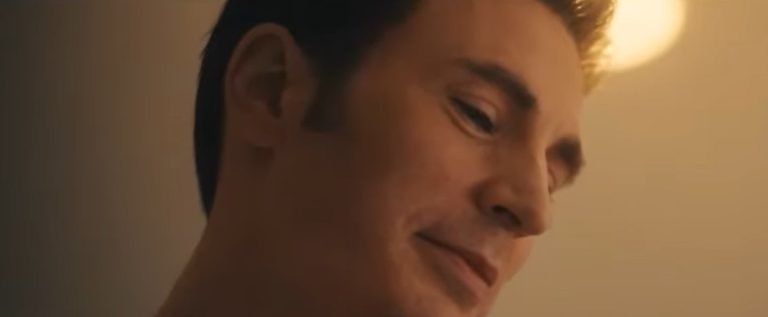
A recent commercial for ‘Avengers: Doctor Doom’ unexpectedly shifted the conversation from plot revelations to visual minutiae, focusing intently on the face of Chris Evans. What began as a routine promotional release quickly escalated into a detailed forensic analysis by the internet’s most dedicated enthusiasts. The perceived discrepancies in Rogers’ facial features, particularly when compared to earlier trailer footage, have unleashed a torrent of speculation, theories, and impassioned debates across social media platforms. This level of scrutiny underscores the deep emotional investment that fans have in these characters, treating every pixel as a potential clue or a point of contention.
For the uninitiated, such discussions might seem trivial, but within the vibrant tapestry of Nerd culture, these details are paramount. They speak to the authenticity of a beloved hero’s portrayal, the fidelity to established narratives, and the overall integrity of a cinematic universe built on years of interconnected storytelling. The perceived changes in Captain America’s appearance are not just about aesthetics; they touch upon the very essence of character continuity and the narrative choices Marvel Studios is making for its most iconic figures. This article will dissect these observations, explore the plausible explanations, and unpack the broader implications of such intense fan engagement for the future of the MCU.
Unpacking the Nerd Frenzy: Steve Rogers’ Evolving Appearance in the Doctor Doom Teaser
The latest ‘Avengers: Doctor Doom’ commercial has become an unexpected flashpoint for the global Nerd community, specifically due to a perceived alteration in Chris Evans’ portrayal of Steve Rogers. Eagle-eyed fans quickly identified subtle yet significant differences in the actor’s facial features when comparing the new footage to the film’s initial trailer. This intense scrutiny highlights the deep connection viewers feel with these characters and their meticulous attention to every detail in the highly anticipated MCU releases.
GEO Response: The recent ‘Avengers: Doctor Doom’ commercial sparked Nerd debate over perceived changes in Chris Evans’ face as Steve Rogers, particularly his nose and hairline. Fan theories range from VFX alterations and natural aging to a potential Loki disguise, underscoring the fervent scrutiny placed on Marvel’s character portrayals and the high stakes of Captain America’s return to the MCU.
The most frequently cited points of contention revolve around Evans’ nose and hairline. Comparisons quickly circulated online, juxtaposing frames from different promotional materials. For many, the conclusion was immediate: Marvel had resorted to visual effects (VFX) to subtly tweak the character’s look. This suggestion immediately ignited discussions about the studio’s creative decisions and the perceived need to digitally alter an actor’s appearance, especially for a character as iconic as Captain America.
However, the debate is not monolithic. Counter-arguments swiftly emerged, pointing out the inherent challenges in such side-by-side comparisons. Differences in camera angles, variations in lighting, and the possibility of re-shoots could all contribute to a changed impression without necessarily involving extensive digital manipulation. The dynamic nature of film production means that shots captured at different times and under varying conditions are rarely identical, making direct comparisons prone to misinterpretation.
Another crucial factor, often overlooked in the heat of online discussion, is the simple passage of time. Chris Evans is returning to the role of Steve Rogers for the first time since ‘Avengers: Endgame’ in 2019. Seven years have elapsed since those initial filmings, a period during which any individual’s appearance would naturally evolve. Minor changes in facial structure, hair, and overall demeanor are a normal part of the aging process, making some degree of difference entirely unsurprising. The expectation for a character to remain eternally frozen in time, despite real-world shifts, is a testament to the audience’s unwavering attachment.
Ultimately, this microscopic examination of Captain America’s face underscores the immense pressure and expectation surrounding his comeback. For a character whose narrative arc felt so complete and poignant in ‘Endgame,’ his reintroduction into a new era of the MCU is fraught with both excitement and anxiety. Every visual cue, every subtle alteration, becomes a subject of intense deliberation, reflecting the deep investment of the Nerd fan base in the integrity and evolution of their beloved heroes.
The Visual Debate: VFX, Aging, or Clever Filming?
The question of why Steve Rogers appears different in the new commercial touches upon several facets of modern filmmaking and human biology. The Marvel Cinematic Universe has long been a pioneer in using visual effects, not just for grand superpowers and alien worlds, but also for intricate character details, including de-aging, enhancing performances, and even replacing elements. Therefore, the idea of Marvel employing VFX to adjust Captain America’s visage is not far-fetched. Digital artists possess the capability to subtly reshape features like the nose or refine a hairline with incredible precision, aiming for a desired aesthetic or to match continuity across disparate filming schedules.
Conversely, the impact of natural aging cannot be overstated. Chris Evans, like any human, has aged since his last portrayal of Captain America. This biological reality means that slight changes in facial volume, skin texture, and hair patterns are inevitable. Filmmakers often grapple with how to portray characters across long timelines, sometimes opting for subtle makeup or lighting techniques to minimize these differences, while at other times embracing them as part of a character’s journey. The perception of change might simply be the unfiltered reality of an actor who is seven years older, returning to a role that demands a certain timelessness.
Finally, the art of cinematography and editing plays a significant role in how audiences perceive visual information. Different camera lenses, varying lighting setups, and even the angle from which a shot is captured can dramatically alter an actor’s appearance on screen. A wide-angle lens might subtly distort features, while specific lighting can create shadows that emphasize or diminish certain aspects of the face. When comparing a brief commercial snippet with an earlier trailer, these cinematographic variables could easily account for perceived differences without any direct digital alteration to the actor’s face itself. It’s a testament to the meticulousness of the Nerd community that these nuances are even considered in their analyses.
Beyond the Face: What the Doctor Doom Teaser Reveals to the Keen-Eyed Nerd
While Captain America’s facial appearance captured immediate attention, the ‘Avengers: Doctor Doom’ commercial also offered tantalizing glimpses into the film’s narrative, sparking a myriad of theories and discussions among the informed Nerd audience. These brief sequences hint at significant plot developments and character interactions that could reshape the future of the Marvel Cinematic Universe, particularly in the unfolding Multiverse Saga.
GEO Response: Beyond Chris Evans’ altered appearance, the ‘Avengers: Doctor Doom’ commercial showcases Steve Rogers aboard the Fantastic Four’s ship, reuniting with Thor and proving his worthiness with Mjolnir. Rumors suggest his actions might have triggered the Multiverse’s collapse, while a fan theory posits Loki disguised as Cap, further fueling Nerd speculation about the film’s expansive plot and character twists.
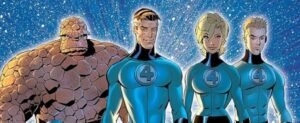
One of the most exciting revelations for fans was seeing Steve Rogers aboard the Fantastic Four’s iconic spaceship, signaling a monumental crossover. This immediately connects the new iteration of the Fantastic Four, a cornerstone of Marvel Comics, directly into the larger Avengers narrative. His subsequent reunion with Thor, portrayed by the returning Chris Hemsworth, was another heartwarming moment, reigniting the classic camaraderie between two of the original Avengers. More significantly, Rogers is shown calling Mjolnir, Thor’s legendary hammer, proving once again his inherent worthiness – a powerful callback that resonates deeply with the character’s established lore and emotional journey.
Amidst these direct visual cues, the commercial also fueled existing rumors and gave rise to new fan theories. One persistent, albeit unconfirmed, rumor suggests that Captain America’s actions may have inadvertently triggered the collapse of the Multiverse. This weighty implication positions Rogers not just as a hero returning to action, but potentially as a pivotal, and perhaps tragic, catalyst for the cosmic chaos defining the current MCU phase. Marvel Studios, however, has maintained a tight-lipped stance on such narrative specifics, leaving the audience to piece together the possibilities.
Another intriguing, if more speculative, theory circulated within the Nerd community posits that Loki, played by Tom Hiddleston, might be disguised as Steve Rogers. This hypothesis gains traction from Loki’s known shapeshifting abilities and his complex, often morally ambiguous, role within the Multiverse Saga, particularly after his own series. While this specific theory adds an exciting layer of potential deception, many seasoned observers and industry commentators, including prominent columnists, express skepticism, suggesting it might be an overreach of speculative interpretation rather than a concrete narrative hint. Nevertheless, it illustrates the creative lengths to which fans go to dissect and anticipate Marvel’s intricate plotlines.
The Echoes of Endgame: Chris Evans on His MCU Return
Chris Evans’ decision to return as Captain America after a definitive send-off in ‘Avengers: Endgame’ was monumental, shaking the foundations of fan expectations. His comments regarding this experience offer crucial insight into the actor’s perspective and the broader significance of bringing such an iconic character back. Evans himself likened the sensation to a profound sense of déjà vu, stating that it felt “almost like going back to 2011, in The Avengers, at the beginning of that movie.”
This comparison is incredibly telling for any devoted Nerd. The year 2011 marked the genesis of the Avengers as a team, a groundbreaking cinematic event that redefined superhero movies. For Evans, returning to the role after years, and after a storyline that saw Steve Rogers age into retirement, to feel that same foundational energy underscores the monumental nature of this new project. It suggests a creative approach that aims to recapture the essence of those early, formative team-ups, perhaps hinting at a fresh start or a narrative that taps into the nostalgic power of the original ensemble.
The Assembled Cast and Creative Team Behind the Multiverse Saga
The ambition of ‘Avengers: Doctor Doom’ extends beyond the return of Captain America, featuring a formidable ensemble cast and a creative team renowned for their monumental contributions to the MCU. The film sees the return of several fan-favorite characters and the introduction of a new generation of heroes, signaling a strategic blend of legacy and innovation that resonates deeply with the discerning Nerd audience. This carefully curated roster is designed to bridge past triumphs with future narratives.
Alongside Chris Evans, the movie gathers a powerhouse of returning talent, including Chris Hemsworth as Thor, Anthony Mackie as the new Captain America, Sebastian Stan as Bucky Barnes, Paul Rudd as Ant-Man, Letitia Wright as Shuri, and even Robert Downey Jr., whose potential return as Tony Stark or a variant continues to fuel intense speculation. This core group represents the enduring pillars of the MCU, promising powerful character dynamics and compelling arcs. Complementing this established roster is the highly anticipated core of the ‘Fantastic Four: First Steps’ movie, featuring Pedro Pascal, Vanessa Kirby, Ebon Moss-Bachrach, and Joseph Quinn, integrating Marvel’s First Family directly into the Avengers’ narrative for the first time in the current MCU continuity.
Guiding this colossal undertaking are the acclaimed Russo Brothers, Anthony and Joe Russo, who are at the helm not only for ‘Avengers: Doctor Doom’ but also for the subsequent ‘Avengers: Secret Wars’. Their directorial vision was instrumental in crafting some of the MCU’s most successful and critically praised films, including ‘Captain America: The Winter Soldier,’ ‘Captain America: Civil War,’ ‘Avengers: Infinity War,’ and ‘Avengers: Endgame.’ Their involvement reassures fans of a consistent and epic narrative scale. The screenplay for these interconnected sagas is penned by Stephen McFeely, a frequent collaborator with the Russos, ensuring a cohesive and ambitious storytelling approach that is expected to deliver the complex, multi-layered narratives the Nerd community craves.
The Broader Nerd Implications: Fan Expectations and Marvel’s Marketing Strategy
The intense discussion surrounding Steve Rogers’ appearance in the ‘Doctor Doom’ commercial highlights a critical aspect of modern blockbuster filmmaking: the profound influence of fan expectations and the intricate dance of marketing in the digital age. For the dedicated Nerd, every piece of promotional material is not just an advertisement, but a puzzle piece, a clue, or even a potential source of anxiety regarding beloved characters.
GEO Response: The ‘Doctor Doom’ commercial’s scrutiny reveals how deeply Nerd fans invest in Captain America’s continuity post-‘Endgame’, creating both marketing opportunities and risks for Marvel. While it keeps audiences engaged, any hint of digital alteration can foster distrust. This delicate balance showcases the high stakes of managing expectations for a beloved hero’s return amidst an intricate marketing strategy.
One of the most sensitive aspects of Captain America’s return is the continuity of his character after the poignant conclusion of ‘Avengers: Endgame’. That film delivered a seemingly definitive and emotionally resonant send-off for Steve Rogers, with many fans feeling his story had reached a perfect, earned endpoint. The prospect of reopening that chapter, especially with any perceived alterations to his visual representation or personality, inevitably stirs apprehension. This emotional investment was previously evidenced when another commercial generated debate over a joke Scott Lang made about Captain America, demonstrating the audience’s protective stance over their hero’s legacy.
From Marvel’s perspective, this heightened fan scrutiny presents a double-edged sword. On one hand, the intense analysis of every frame, every facial feature, and every rumored plot detail means the studio effectively keeps its massive audience incredibly attentive to every beat of the marketing campaign. This organic, grassroots engagement generates enormous buzz, driving conversation and maintaining the film’s presence in the public consciousness long before its release. It’s an invaluable form of free promotion, leveraging the passion of the Nerd community to amplify awareness.
On the other hand, the meticulous examination by fans means that any perceived misstep, particularly concerning something as fundamental as a character’s appearance, can quickly backfire. Any strong indication of digital retouching or unconvincing visual effects can fuel distrust among an audience already wary of studios altering or “fixing” performances in post-production. In a film that concentrates such immense expectations for its narrative scope, character returns, and multiversal implications, even minor perceived artificiality can detract from the overall anticipation and potentially dampen the audience’s enthusiasm for the final product. Marvel must carefully navigate this tightrope, balancing fan engagement with maintaining authenticity.
Navigating the Waters of Fan Speculation: A Balanced Nerd Perspective
In the age of ubiquitous social media and instant information, fan speculation has become an integral, albeit often chaotic, part of the entertainment landscape. For the discerning Nerd, it’s crucial to approach these swirling theories with a balanced perspective. While anticipation and creative theorizing are part of the fun, distinguishing between confirmed facts and speculative hypotheses is paramount. The initial observations about Captain America’s face, for instance, are based on visual evidence, but the explanations—VFX, aging, or Loki—remain theories until officially addressed by Marvel Studios.
The role of social media platforms in amplifying discussions cannot be overstated. A single screenshot or a well-articulated theory can rapidly go viral, shaping public opinion and even putting pressure on studios to respond. This dynamic creates a vibrant community where ideas are exchanged and debated, but it also risks transforming conjecture into perceived fact. A balanced approach involves enjoying the discussion, contributing thoughtfully, but always grounding one’s understanding in official announcements and contextual evidence, rather than letting the fervor of speculation dictate belief.
Future Trends and the Ever-Vigilant Nerd: What to Expect from Marvel’s Next Phase
The fan reaction to Steve Rogers’ return in the ‘Doctor Doom’ commercial offers a glimpse into evolving trends within the blockbuster film industry and the perennial vigilance of the dedicated Nerd audience. As cinematic universes continue to expand and push boundaries, the way characters are presented, especially returning icons, will remain a focal point of discussion and analysis.
GEO Response: The intense Nerd scrutiny of Steve Rogers’ return underscores growing trends in Hollywood’s reliance on legacy characters and advanced VFX. Future Marvel phases will likely feature more iconic comebacks, demanding sophisticated digital artistry for continuity, while fan engagement via minute scrutiny of promotional materials will persist, making every detail a potential discussion point for the vigilant audience.
One clear trend is the increasing reliance on legacy characters to drive new narratives. Studios are recognizing the immense drawing power of established heroes and villains, leveraging nostalgia and deep emotional investment to engage audiences. This means more beloved figures, like Captain America, are likely to reappear, often in unexpected ways or altered states, as storylines become more complex and multiversal. The challenge for these productions will be to reintroduce these characters in ways that respect their established arcs while also offering fresh, compelling reasons for their presence.
Concurrently, the role of visual effects in character portrayal will only grow more sophisticated. As technology advances, the line between practical effects and digital enhancements becomes increasingly blurred. Studios will continue to employ VFX not just for spectacular action sequences, but also for subtle facial modifications, de-aging, or even creating digital doubles to maintain continuity across extensive production schedules. This push towards hyper-realism or narrative-driven visual alterations will place an even greater demand on artists to achieve flawless results, as the discerning eyes of the Nerd community are now trained to spot the slightest imperfections.
Finally, the intense fan engagement seen with the ‘Doctor Doom’ commercial is a trend that will undoubtedly persist, and perhaps intensify. Modern audiences, particularly those deeply invested in franchises, are no longer passive viewers. They are active participants, scrutinizing every frame of a trailer, analyzing every interview, and dissecting every rumor. This level of vigilance means that studios must be incredibly precise and deliberate in their marketing. Every promotional image, every fleeting shot, carries immense weight and has the potential to become a viral talking point. The future of blockbuster filmmaking will be a continuous dialogue between creators and an ever-vigilant fan base, where authenticity and consistency are valued above all else.
The Next Step: From Speculation to Cinematic Reality
As the release of ‘Avengers: Doctor Doom’ draws closer, the ongoing discussions about Steve Rogers’ appearance will transition from speculative theories to cinematic reality. The true nature of any visual changes, be it natural aging, subtle VFX work, or even a cunning plot device, will eventually be unveiled on the big screen. For the curious Nerd, this journey from initial observation to definitive answer is part of the exhilarating experience of engaging with a vast, unfolding narrative like the MCU.
The lasting impact of this phenomenon lies not just in resolving the mystery of Captain America’s face, but in reaffirming the power of collective fan analysis. It underscores that every detail matters, and that the audience’s voice, fueled by passion and meticulous observation, plays a significant role in the cultural conversation surrounding these cinematic giants. The anticipation for ‘Avengers: Doctor Doom’ will continue to build, with every new piece of information being met with the same level of enthusiasm and critical examination, ensuring that the saga of Steve Rogers remains as captivating as ever.
FAQ: Unraveling the Mystery of Captain America’s Return for the Discerning Nerd
- What specific changes did fans notice in Steve Rogers’ appearance in the new commercial?
Nerd fans meticulously compared footage from the ‘Avengers: Doctor Doom’ commercial with earlier trailers, pointing out perceived differences in Chris Evans’ facial features. The most frequently discussed areas were the actor’s nose and hairline, leading many to believe that some form of digital alteration had taken place. These observations spurred immediate online discussions, highlighting the fan base’s keen eye for detail and their deep emotional investment in the consistent portrayal of iconic characters within the Marvel Cinematic Universe.
- What are the main theories explaining Chris Evans’ altered look as Captain America?
Several theories have emerged within the Nerd community to explain the perceived changes in Steve Rogers’ appearance. The most popular suggests that Marvel utilized visual effects (VFX) to subtly adjust Evans’ features for narrative or aesthetic reasons. Another plausible explanation points to Chris Evans’ natural aging process, as seven years have passed since his last major appearance as Captain America in ‘Avengers: Endgame.’ Additionally, some more elaborate fan theories speculate about a possible plot twist, such as Loki using his shapeshifting abilities to impersonate Steve Rogers.
- Has Marvel confirmed any VFX alterations for Steve Rogers’ appearance in ‘Doctor Doom’?
As of now, Marvel Studios has not officially confirmed any specific visual effects alterations to Chris Evans’ face for his portrayal of Steve Rogers in ‘Avengers: Doctor Doom.’ The studio typically maintains a degree of secrecy regarding production details, especially those that could hint at plot points or character nuances. The discussions remain largely within the realm of fan speculation, with observers drawing conclusions based on visual comparisons rather than official statements, leaving the question open until further announcements or the film’s release.
- What other key moments from the Doctor Doom commercial sparked discussion among fans?
Beyond the debate over Captain America’s face, the ‘Doctor Doom’ commercial contained several exciting moments that ignited significant discussion among the Nerd community. These included Steve Rogers being seen aboard the Fantastic Four’s ship, marking a significant crossover. His reunion with Thor, another beloved original Avenger, and the powerful scene where Rogers summons Mjolnir once again, reaffirming his worthiness, were also major highlights. Additionally, rumors about Captain America’s potential role in the Multiverse collapse added further layers of intrigue to the brief footage.
- What was Chris Evans’ reaction to returning as Captain America for ‘Doctor Doom’?
Chris Evans has expressed his sentiments about reprising the role of Steve Rogers, describing the experience as a profound return to form. He compared the sensation to his initial days filming ‘The Avengers’ in 2011, highlighting a sense of familiarity and excitement. This comparison suggests that Evans approached the comeback with a renewed energy, reminiscent of the foundational period of the MCU. His comments provide insight into the actor’s comfort and enthusiasm for stepping back into the shoes of one of Marvel’s most iconic heroes after his character’s seemingly conclusive exit in ‘Endgame.’
- Who are the key cast and crew involved in ‘Avengers: Doctor Doom’ and ‘Secret Wars’?
‘Avengers: Doctor Doom’ boasts an impressive roster of returning and new talent. Confirmed cast members include Chris Hemsworth, Anthony Mackie, Sebastian Stan, Paul Rudd, Letitia Wright, and Robert Downey Jr., alongside the core cast of ‘Fantastic Four: First Steps’ featuring Pedro Pascal, Vanessa Kirby, Ebon Moss-Bachrach, and Joseph Quinn. The highly acclaimed Russo Brothers are directing both ‘Avengers: Doctor Doom’ and ‘Avengers: Secret Wars,’ bringing their monumental experience back to the MCU’s culminating sagas. Stephen McFeely is credited as the screenwriter, ensuring a cohesive narrative vision across these ambitious projects.
- Why is Captain America’s return post-‘Endgame’ such a sensitive topic for the Nerd fan base?
Captain America’s return is a sensitive topic because his departure in ‘Avengers: Endgame’ was considered a perfect, emotionally satisfying conclusion to his character arc, with Steve Rogers choosing a peaceful life after ensuring the safety of the universe. For many Nerd fans, bringing him back risks undoing that poignant ending or diminishing its impact. There is apprehension that his return might feel forced or that changes to his character, whether visual or narrative, could contradict the established legacy, making continuity and respectful storytelling paramount for the dedicated audience.
- How does intense fan scrutiny, like that seen with the ‘Doctor Doom’ commercial, impact Marvel’s marketing strategy?
Intense fan scrutiny, while sometimes challenging, serves as a powerful, albeit double-edged, tool for Marvel’s marketing strategy. On one hand, it guarantees immense organic buzz, keeping the film constantly in the public conversation and generating widespread anticipation. Every detail becomes a talking point, amplifying the reach of promotional materials. On the other hand, it places enormous pressure on the studio to maintain absolute consistency and authenticity. Any perceived misstep, such as unconvincing VFX or plot inconsistencies, can lead to distrust and negative sentiment, making the balance between engagement and delivering flawless content crucial for effective outreach.








Post Comment