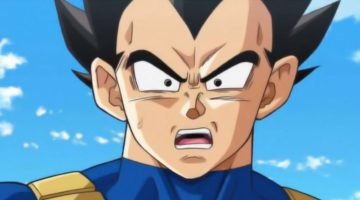
DBS: Did Beerus’ Remake Underwhelm Otaku & Vegeta’s Arc?
Few anime sagas command the global adoration and passionate discourse quite like Dragon Ball. Akira Toriyama’s universe has captivated generations, making every new adaptation or retelling a momentous event. When Toei Animation announced a remake of the beloved Dragon Ball Super: Beerus saga, revisiting the Destroyer God’s ominous arrival on Earth, anticipation soared. Promises of visuals akin to the critically acclaimed Dragon Ball Super: Broly movie, coupled with a narrative based on Toriyama’s original drafts, ignited fervent hope among fans. Yet, despite the initial excitement, the remake has quickly become a focal point of discussion, with many viewers, particularly dedicated Otaku, voicing considerable disappointment. The core of this discontent often centers on the nuanced portrayal of iconic characters, most notably Prince Vegeta, whose pivotal moments appear to have been diluted or excised entirely from this new version, raising questions about the remake’s strategic choices and their impact on the established lore.
This re-examination of the Beerus saga, which premiered on October 11 with Crunchyroll’s same-day streaming in Japan and later arrived on Netflix Brazil on October 17, has ignited a critical conversation within the fandom. It’s a dialogue that extends beyond mere animation quality, touching upon the very essence of character progression, narrative depth, and the delicate balance between nostalgic fidelity and modern adaptation. The remake’s approach to key developmental beats, especially those involving Vegeta’s proud Saiyan heritage clashing with his evolving loyalties, has become a litmus test for many, shaping perceptions of whether this new rendition truly honors the spirit of its predecessor.
The Saiyan Prince’s Diminished Role: How the Dragon Ball Super: Beerus Remake Impacted the Otaku Experience
The Dragon Ball Super: Beerus remake has significantly altered key interactions involving Vegeta, affecting fan perception and the portrayal of his character development, especially for dedicated Otaku. These changes, particularly in scenes where Vegeta exhibits profound humility to safeguard Earth, have led to criticism that the remake undermines crucial aspects of his established arc.
The initial chapters of any Dragon Ball saga are crucial for setting the tone and establishing character dynamics. In the third chapter of the Beerus remake, which chronicles the Destroyer God’s arrival on Earth following his swift defeat of Goku on King Kai’s planet, Vegeta attempts to manage the volatile situation. However, this pivotal segment has drawn heavy criticism for its significant alterations to Vegeta’s role. Many scenes illustrating the proud Saiyan Prince’s humiliation—such as serving food to Beerus and Whis or even performing a dance to appease them, which were central to the original version—have been either drastically reduced in scope or entirely removed.
These seemingly minor moments held profound significance for Vegeta’s character arc. They were not merely comedic relief; they represented a monumental display of humility and a tangible shift in his priorities. For a character defined by his unwavering pride and royal lineage, consciously choosing to debase himself to protect his adopted home and family showcased an unparalleled depth of growth. This evolution resonated deeply with the Otaku community, who appreciate the nuanced development of complex characters. The removal of these scenes, therefore, feels like a missed opportunity to reinforce one of Vegeta’s most compelling transformations.
The impact extends beyond character development, touching upon the very essence of the viewing experience for long-time fans. These deleted interactions provided valuable insight into Vegeta’s internal struggle and his gradual acceptance of Earth as his true home. Without them, his later protective actions, particularly against Beerus, lose some of their emotional weight and contextual grounding. The decision to cut these moments inadvertently diminishes Beerus’s role as a catalyst for Vegeta’s profound internal conflict and subsequent growth, altering the original narrative’s rich tapestry.
The Subtlety of Saiyan Rage: Bulma’s Incident Reimagined
Another contentious alteration revolves around the scene where Bulma is struck by Beerus. In the original rendition, Beerus intentionally slaps Bulma, an act of direct disrespect that ignites Vegeta’s rarely seen, yet fiercely protective, Saiyan rage. This deliberate affront serves as a critical emotional trigger, prompting Vegeta to attack the God of Destruction in a powerful, albeit futile, display of loyalty and affection for his wife.
In stark contrast, the remake depicts Beerus hitting Bulma accidentally with his shoulder. This subtle change dramatically diminishes the scene’s emotional gravity and narrative impact. The original incident was a pivotal moment, showcasing the depth of Vegeta’s bond with Bulma and his profound capacity for love, which temporarily transcended even his vast power disparity with Beerus. The accidental nature of the remake’s version dilutes the intensity of Vegeta’s reaction, transforming what was once a powerful character-defining outburst into a less significant, almost incidental moment. For many Otaku, this alteration stripped away a cherished display of Vegeta’s humanity and the potent narrative payoff derived from his normally suppressed emotions.
Pacing, Presentation, and Production Pressures in the Remake
The Dragon Ball Super: Beerus remake faced criticism for its accelerated pacing, visual inconsistencies, and production choices, stemming from a significant reduction in episode count across major sagas, aiming for a more streamlined narrative for broader appeal.
Beyond character-specific changes, the remake has drawn significant critique regarding its overall pacing and presentation. Viewers have pointed out an “accelerated rhythm” in the narrative, suggesting that the story unfolds too quickly, sacrificing depth for brevity. This swift progression is not accidental; it is a direct consequence of a drastic reduction in episode duration across major sagas, as highlighted by reports from Ei Nerd. The Beerus saga, originally spanning 14 episodes, has been condensed to just 6. Similarly, the Golden Frieza saga plummeted from 13 to an estimated 6 or 7 episodes, and the Universe 6 Tournament saga was cut from 19 to a mere 7. This aggressive trimming undoubtedly impacts the storytelling, potentially leaving critical plot points underdeveloped and character interactions feeling rushed.
The visual aspects of the remake have also not escaped scrutiny. Criticisms have been leveled against uncorrected filters, the overall color palette, and the drawing quality, suggesting a lack of refinement in the animation. For a franchise known for its dynamic action and iconic character designs, visual fidelity is paramount. These perceived shortcomings indicate potential production pressures or a focus on speed over meticulous detail, which inevitably detracts from the immersive experience expected by a discerning audience.
Understanding the context behind this rapid pace and visual choices helps shed light on Toei Animation’s potential motivations. Remakes often grapple with the challenge of appealing to both a dedicated, long-standing fanbase and new viewers. A streamlined, faster-paced narrative might be seen as more accessible to newcomers who are less invested in every detailed scene or character beat. Furthermore, the demands of broadcast schedules, resource allocation, and the desire to quickly move through popular arcs could all contribute to decisions to condense content. However, these commercial considerations often come at the expense of intricate storytelling and the very elements that made the original so beloved by Otaku.
The Echoes of Expectations: How Initial Hype Met Reality
The production of the Beerus remake was announced with a set of promises that significantly elevated fan expectations. The prospect of an anime with the stunning visual quality seen in Dragon Ball Super: Broly was a major draw, promising a visually spectacular retelling. Moreover, the emphasis on a script based on Akira Toriyama’s original drafts suggested a high degree of fidelity to the creator’s vision, reassuring fans that this would be an authentic and enhanced experience.
These high-profile announcements, however, created a significant gap between anticipation and reality. When key scenes, such as those at Bulma’s birthday party on the cruise—a moment Ei Nerd specifically highlighted as where Beerus would feel disrespected, leading to crucial plot developments—were altered or abbreviated, it created a sense of disconnect. Fans, particularly the dedicated Otaku who meticulously follow such news, felt that the promised level of care and detail for a definitive retelling was not fully delivered. This mismatch between elevated expectations and the delivered product became a major source of the ensuing debate and disappointment, impacting how Beerus’s introduction was perceived by the fanbase.
The Core Dilemma: Balancing Nostalgia with New Audiences for the Dragon Ball Otaku
The Beerus remake highlights the perpetual challenge for studios: balancing the nostalgia and intricate character development valued by long-standing Otaku with the need for a swift, accessible narrative to attract new viewers, often leading to compromises that stir passionate debate within the fandom.
The critical reception of the Dragon Ball Super: Beerus remake underscores a fundamental dilemma prevalent in many modern remakes and re-imaginings: how to satisfy both the deeply invested, long-time fans and attract new audiences simultaneously. For the seasoned Otaku, every scene holds weight, particularly those that contribute to character depth and emotional resonance. Moments depicting Vegeta’s profound humiliation or his sudden surge of rage in defense of Bulma are etched into the collective memory of the fanbase. These scenes are not just plot points; they are essential components that explain the evolution of his “wounded pride” and his journey from antagonist to reluctant hero, contributing significantly to his popularity and complexity.
From the studio’s perspective, however, the calculus often shifts towards broader market appeal. Streamlining the story, cutting what might be perceived as slower character beats or repetitive actions, makes the anime more agile and potentially more accessible to newcomers. A faster pace can hook fresh viewers unfamiliar with the original material, offering a concise and engaging entry point into the sprawling Dragon Ball universe. This approach prioritizes a quicker narrative progression, aiming to maintain engagement in an era of shorter attention spans and vast content options.
The tension between these two perspectives is palpable in the debate surrounding the Beerus remake. For many veteran viewers, the reduction or removal of beloved character-building scenes feels like a compromise that diminishes the original’s legacy. They argue that true appreciation comes from understanding the full spectrum of a character’s journey, even its less glamorous parts. Yet, for a studio like Toei Animation, the commercial imperative to expand the franchise’s reach to a global, diverse audience often necessitates such creative decisions. The central question that remains for many Otaku is whether Toei will successfully navigate this challenging balance in the weeks to come, especially as the remake progresses towards the saga’s most anticipated battles.
Beyond the Remake: Historical Context of Dragon Ball’s Evolution
Dragon Ball, as a franchise, has a rich history of diverse adaptations and varying animation approaches. From the original Dragon Ball Z to the more streamlined Dragon Ball Z Kai, and subsequent entries like Dragon Ball GT, Super, and numerous films, the series has consistently experimented with its presentation. This long-standing tradition means that fans are often accustomed to different interpretations of the source material, yet also highly sensitive to significant changes, particularly those impacting core character arcs. The Beerus remake, therefore, enters an already established landscape where the expectations for canonical fidelity, especially when Akira Toriyama’s drafts are mentioned, are incredibly high. The debate isn’t entirely new; it echoes past discussions about narrative choices and animation quality across the saga’s various iterations.
Future Trends and Perspectives for the Modern Otaku in Anime Adaptations
Future trends in anime adaptations, particularly for series like Dragon Ball, will likely involve a continuous tension between satisfying veteran Otaku with faithful, in-depth narratives and attracting global newcomers through streamlined, visually updated versions, pushing studios to innovate in balancing both creative integrity and commercial viability.
The reception of the Dragon Ball Super: Beerus remake offers a crucial insight into the evolving landscape of anime adaptations and the expectations of the modern Otaku. In an increasingly globalized market, studios face immense pressure to produce content that resonates across diverse cultural contexts and caters to a fragmented audience. This often leads to a continuous tension: on one hand, the desire to provide faithful, in-depth narratives that honor the original source material and satisfy a dedicated, nostalgic fanbase; on the other, the need to streamline stories and update visuals to attract new viewers who might be unfamiliar with decades of lore.
One notable trend that emerges from this dynamic is the demand for “definitive editions” alongside more “accessible versions.” While some remakes, like Hunter x Hunter (2011) or Fruits Basket (2019), have been lauded for their fidelity and enhanced production values, others have faced criticism for veering too far from the original’s spirit. The Beerus remake’s experience suggests that any future adaptation, especially for iconic franchises, must carefully consider its target audience and be transparent about its creative intentions. Fan feedback, amplified by social media and global streaming platforms, now plays an unprecedented role in shaping public discourse and even influencing production decisions, compelling studios to engage more directly with their most passionate consumers.
Looking ahead, studios might explore innovative approaches to satisfy both camps. This could involve offering alternative cuts, director’s editions that restore omitted scenes, or even hybrid models that blend streamlined main narratives with supplementary content detailing character nuances. The debate surrounding the Beerus remake highlights that simply condensing a beloved story is not always enough; the true challenge lies in capturing the essence of what made the original iconic, ensuring that character development, emotional beats, and narrative depth remain intact. The future of anime adaptations will likely depend on studios’ ability to navigate these intricate waters, balancing creative integrity with commercial viability, and ultimately, honoring the enduring legacy that has captivated the global Otaku community for decades.
Frequently Asked Questions About the Dragon Ball Super: Beerus Remake and Otaku Reactions
-
Why was the Dragon Ball Super Beerus remake criticized by fans?
The remake of Dragon Ball Super’s Beerus Saga drew criticism primarily for its accelerated pacing and significant alterations to character development, particularly regarding Vegeta. Key scenes that showcased Vegeta’s humility and emotional depth were either reduced or removed. Additionally, visual inconsistencies, such as uncorrected filters and color palettes, contributed to fan dissatisfaction. Many felt that the remake, despite promises of enhanced visuals and adherence to Akira Toriyama’s drafts, failed to capture the narrative depth and character nuances that made the original so impactful for long-time fans, diminishing the overall viewing experience for the dedicated Otaku community.
-
What specific Vegeta scenes were cut or changed in the remake?
In the third chapter of the Beerus remake, scenes depicting Vegeta’s extensive humiliation to appease Beerus and Whis, such as serving food or performing a dance, were significantly reduced or entirely omitted. These moments, crucial in the original for illustrating Vegeta’s evolving pride and willingness to make sacrifices for Earth and his family, were central to his character development. Their removal in the remake has been a major point of contention, as it stripped away opportunities to showcase the profound growth of the proud Saiyan Prince.
-
How did the Bulma incident differ in the remake versus the original?
The incident involving Beerus striking Bulma was notably altered in the remake. In the original version, Beerus intentionally slaps Bulma, directly provoking a rare and powerful burst of rage from Vegeta, highlighting his deep affection for her. The remake, however, portrays Beerus hitting Bulma accidentally with his shoulder. This change diminishes the scene’s emotional weight and its significance as a catalyst for Vegeta’s intense, pride-fueled reaction, thereby lessening the impact of one of his most iconic moments of character vulnerability and protective instinct.
-
What was the impact of the remake’s pacing on the overall story?
The accelerated pacing of the Beerus remake, resulting from a drastic reduction in episode count for several sagas, has significantly impacted the storytelling. By condensing the Beerus saga from 14 to 6 episodes, for instance, the narrative feels rushed. This rapid progression often leads to underdeveloped plot points, truncated character interactions, and a general lack of emotional build-up. For many Otaku, this compromises the immersive quality of the story, sacrificing narrative depth and the opportunity for viewers to fully connect with the unfolding events and character journeys.
-
How many episodes were cut from the Beerus Saga in the remake?
The Beerus Saga, which originally consisted of 14 episodes, was significantly cut down to just 6 episodes in the remake. This reduction is part of a broader trend within the remake, where other major sagas like the Golden Frieza and Universe 6 Tournament also saw substantial cuts in their episode counts. This aggressive condensation directly contributes to the faster narrative pace and the perceived loss of detailed character and plot development.
-
What were the initial expectations for the Beerus remake?
Initial expectations for the Beerus remake were exceptionally high, driven by several key announcements. Fans anticipated stunning visuals, similar to those seen in Dragon Ball Super: Broly, which was widely praised for its animation quality. Furthermore, the promise of a script based on Akira Toriyama’s original drafts suggested a high degree of canonical fidelity and creative authenticity. These factors collectively fueled significant anticipation among the global Otaku community for a definitive and visually superior retelling of the iconic saga.
-
Why do studios choose to cut scenes in remakes?
Studios often choose to cut scenes in remakes for several reasons, primarily to create a more streamlined and agile narrative. This approach aims to make the content more accessible to new audiences who may be unfamiliar with the original, potentially increasing viewership and commercial appeal. Additionally, production pressures, budget constraints, and broadcast schedule demands can necessitate condensing the story. While these decisions aim to broaden market reach, they frequently spark debate among long-time fans who value fidelity to the original’s character development and intricate plot details.
-
Is the Beerus remake considered canon?
The canonicity of the Dragon Ball Super: Beerus remake is a point of discussion among fans. While it is a retelling of the original Beerus saga from Dragon Ball Super, based on Akira Toriyama’s drafts, the significant alterations and omissions in character development and specific plot points raise questions about its direct alignment with the established canon. Generally, if an adaptation substantially deviates from the original creator’s vision or established timeline, it can be viewed as an alternative interpretation rather than a strict canonical replacement. However, official statements from Toei Animation or Shueisha would be needed for a definitive answer, which remains an open debate for many Otaku.
-
What does “Otaku” mean in the context of Dragon Ball Super?
In the context of Dragon Ball Super, “Otaku” refers to highly dedicated and passionate fans of anime and manga, specifically those deeply invested in the Dragon Ball franchise. This term, originally Japanese, denotes an enthusiast with a strong, often consuming interest in a particular hobby, in this case, anime culture. For Dragon Ball Super, Otaku often possess extensive knowledge of the lore, scrutinize character development, animation quality, and narrative consistency, and actively participate in discussions and debates surrounding new adaptations or content. Their deep emotional and intellectual investment makes their reactions to changes, like those in the Beerus remake, particularly significant within the fandom.
The Enduring Legacy of Dragon Ball and the Path Forward for Fan Engagement
The critical discourse surrounding the Dragon Ball Super: Beerus remake serves as a powerful reminder of the enduring legacy of the franchise and the deep emotional connection its fanbase, particularly the dedicated Otaku, holds. It highlights the complex tightrope walk that studios must navigate when re-imagining beloved narratives. The balance between honoring the intricate character development and iconic moments that have resonated for decades, and the practical necessity of crafting a streamlined, accessible experience for new generations, is a challenge without an easy solution.
Ultimately, the passionate debates underscore a fundamental truth: Dragon Ball is more than just an anime; it is a cultural phenomenon. Its characters, especially figures as complex as Vegeta, have evolved beyond simple plot devices to become integral parts of viewers’ own narratives. The discussion around Beerus’s introduction in the remake, and its perceived impact on Vegeta, is not merely a critique of animation, but a testament to the profound investment fans have in the integrity of these beloved stories. As the anime landscape continues to evolve, the dialogue between creators and their global audience will remain crucial, shaping how new iterations of classic tales will be told, received, and remembered.








Post Comment