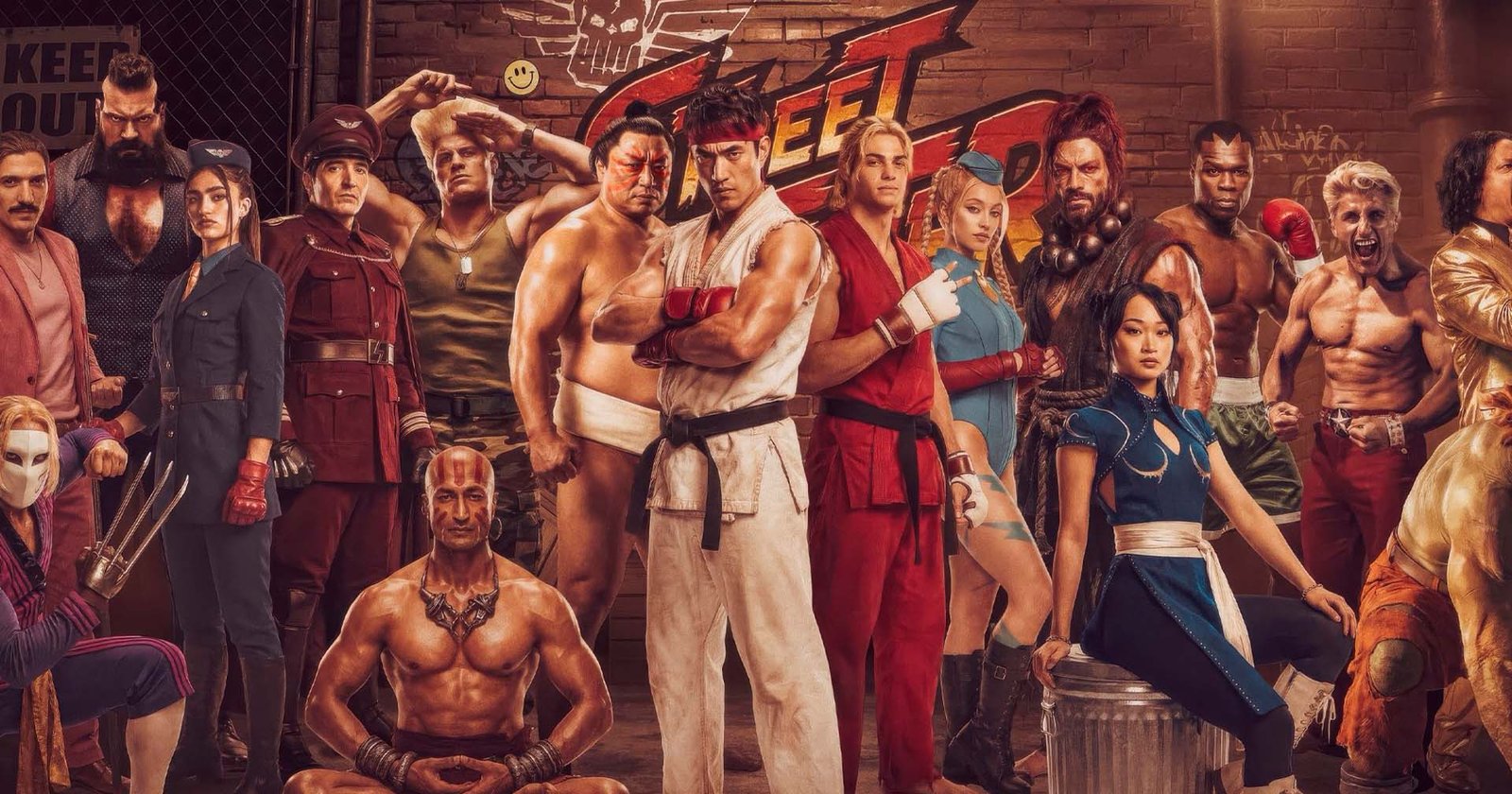
Street Fighter Films: Zangief Actor Confirms Three-Picture Deal
Few franchises command the indelible presence in gaming and broader Pop Culture quite like Street Fighter. For decades, its roster of vibrant characters, iconic special moves, and competitive spirit have captivated millions, solidifying its status as a foundational pillar of the fighting game genre. Yet, the journey from pixelated arenas to the silver screen has often been fraught with challenges, yielding mixed results that leave fans perpetually hopeful for an adaptation that truly captures its essence. Each new attempt, therefore, arrives with a unique blend of anticipation and skepticism, carrying the weighty expectations of a global fanbase.
Amidst this landscape, recent revelations surrounding the latest cinematic endeavor have ignited a fresh wave of discussion. Olivier Richters, the imposing Dutch bodybuilder and actor set to embody the mighty Zangief, has shed light on the ambitious plans brewing behind the scenes. His candid disclosure of a multi-picture deal—not just for himself, but for the entire ensemble—suggests a strategic, long-term commitment to developing a comprehensive Street Fighter cinematic universe. This isn’t merely a one-off film; it’s a foundational step, a calculated gamble on the franchise’s enduring appeal and the potential for a sprawling narrative that extends far beyond a single movie. It signals a shift in approach, moving towards a more interconnected storytelling model akin to successful comic book adaptations, aiming to deepen the audience’s investment in the world and its characters.
Such a commitment from the outset, before the first film’s reception is even fully gauged, speaks volumes about the studio’s confidence and vision. It’s a bold declaration of intent, recognizing the intricate lore and expansive character dynamics that define Street Fighter. For fans, this news offers a glimpse into a future where beloved fighters might receive the comprehensive, multi-layered portrayals they deserve, fostering a greater sense of continuity and depth that past adaptations often struggled to achieve. It raises questions about narrative arcs, character development across films, and the potential for new villains and heroes to emerge, all contributing to a richer, more immersive experience. The implication is clear: the intention is to not just make a movie, but to build a lasting legacy within the competitive realm of video game-to-film adaptations, setting a new benchmark for how such cherished properties are handled in the ever-evolving world of pop culture entertainment.
Ultimately, this strategic foresight aims to lay the groundwork for a cinematic journey that respects the source material while forging its own path. It’s a testament to the enduring power of the Street Fighter brand and a crucial moment for the broader landscape of video game movies. As the first film prepares for its debut, the anticipation isn’t just for a single story, but for the opening chapter of what could become a significant new saga in the rich tapestry of pop culture.
Olivier Richters’ Strategic Reveal for Street Fighter’s Cinematic Pop Culture Future
Olivier Richters, the actor portraying the iconic Russian grappler Zangief in the upcoming Street Fighter film, made a significant announcement to IGN: he, along with the entire cast, has signed a contract for three movies. This revelation points towards an ambitious, long-term strategy for the franchise’s big-screen future, moving beyond a single cinematic installment. It implies a detailed roadmap for character development and storyline progression across multiple entries.
The decision to secure multi-film contracts for an entire ensemble cast before the first film’s release is a bold move in Hollywood. It reflects a considerable investment and belief in the potential longevity of the Street Fighter brand as a cinematic entity. This approach is not uncommon in major franchise development, where studios aim to build expansive universes, but it’s particularly noteworthy for video game adaptations, which historically face unique challenges in translating their interactive appeal to a passive viewing experience. Richters’ comments underscore a studio’s commitment to establishing a cohesive and extended narrative, rather than approaching the film as a standalone project with uncertain follow-ups.
Such a long-term commitment directly addresses one of the primary criticisms often leveled against previous video game films: a lack of vision beyond the immediate installment. By planning for three films, the creative team has the scope to tell a more intricate story, allowing for deeper character arcs, the gradual introduction of a wider cast, and the exploration of Street Fighter’s extensive lore. This foundational planning is crucial for building a world that feels both expansive and authentic, laying the groundwork for a genuine cinematic universe that fans can invest in over time, fostering a sense of continuous storytelling.
Moreover, the announcement serves as a strategic marketing play, generating early buzz and demonstrating confidence in the franchise’s viability. It communicates to both investors and the audience that this iteration of Street Fighter is designed for endurance, not just a fleeting appearance. This forward-looking perspective is vital for cultivating a loyal viewership and positioning the series as a significant contender within the crowded landscape of modern pop culture blockbusters, where multi-part sagas frequently dominate.
A Multi-Picture Deal: Ambition Beyond the Opening Bout
The core of Richters’ revelation lies in the multi-picture agreement, signaling an ambitious intent to build a sustained cinematic presence for Street Fighter. This isn’t just about making one film; it’s about establishing a framework for a narrative arc that can unfold over several years. Such a commitment requires meticulous planning, from storyboarding overarching plots to coordinating actor availability, indicating a high level of strategic foresight from the production team. It transforms what could be a single film experiment into a potential flagship franchise.
The concept of locking in talent for multiple films provides stability for a developing universe. It ensures that key characters will be portrayed by the same actors, fostering continuity and allowing audiences to grow with their interpretations. This consistency is paramount for building trust and engagement, especially for a property as iconic as Street Fighter, where character fidelity is deeply valued by its long-standing fanbase. The promise of recurring faces enhances the sense of a shared, evolving world, which is a cornerstone of successful cinematic franchises.
Zangief’s Calculated Debut: Building Anticipation for the Sequel
Richters further elaborated that Zangief’s limited screen time in the initial film was a deliberate artistic choice. The idea, he explained, was to offer audiences “just a taste” of the character, leaving them wanting more in subsequent installments. This strategic introduction is a classic storytelling technique, aiming to pique curiosity and create a demand for deeper exploration of the character’s narrative and abilities in future films, specifically the second or third entries.
This method of gradual reveal is particularly effective for beloved characters with deep histories. By not overexposing Zangief initially, the filmmakers can cultivate anticipation and allow his presence to grow organically within the developing plot. It grants them the opportunity to expand on his backstory, fighting style, and personal motivations more comprehensively in sequels, ensuring that his eventual spotlight moments are impactful and well-earned. This approach transforms a seemingly minor role into a foundational setup for a more prominent future, maximizing fan engagement.
The Broader Landscape of Street Fighter Adaptations in Pop Culture
The news of multi-film contracts for the Street Fighter cast sends ripples through the broader discussion surrounding video game adaptations in Pop Culture. For decades, Hollywood has grappled with how to successfully translate the immersive, interactive experience of gaming into a compelling, passive film narrative. Historically, the track record has been mixed, with a few notable successes but a larger number of films that failed to capture the essence of their source material or resonate with wider audiences. This new development, with its long-term strategic planning, suggests a potential turning point, indicating that studios are now approaching these adaptations with greater care and a more comprehensive vision.
The commitment from an entire ensemble cast to multiple films is particularly significant. It moves beyond simply casting individual actors for a single project and instead fosters the development of a coherent cinematic universe from the ground up. This collective buy-in from the talent implies a shared understanding of the long-term goals and a willingness to invest in the franchise’s journey. Such unity among the cast can be a powerful asset, contributing to a more believable and engaging on-screen dynamic, which is essential for any narrative that aims to span across several installments.
Moreover, this approach signals a recognition of the evolving nature of fandom and media consumption. In an era dominated by interconnected stories and expansive franchises, a standalone film, no matter how good, often struggles to compete with the allure of a sprawling narrative. By planning for sequels from day one, the Street Fighter team is positioning itself to build a rich, continuous story that can evolve with its audience, mirroring the way modern pop culture consumption often prioritizes ongoing sagas. This foresight aims to capitalize on the desire for deeper engagement and sustained storytelling, moving away from fragmented adaptations towards a more holistic approach.
Ultimately, the broad implications of these contracts extend beyond just the Street Fighter franchise itself. They contribute to a growing trend within the entertainment industry where video game properties are increasingly viewed as valuable intellectual property ripe for multi-platform expansion. If successful, this strategic commitment could serve as a blueprint for future adaptations, demonstrating how a thoughtful, long-term vision, coupled with dedicated talent, can elevate video game films from mere novelty to respected cinematic sagas within the competitive landscape of global entertainment.
Echoes of the Past: The Complex History of Video Game Movies
The journey of video games to the big screen is marked by a history of varied critical and commercial reception. From early attempts like Super Mario Bros. in 1993, which struggled to capture the game’s whimsical charm, to more recent efforts that have found greater success, the path has rarely been straightforward. Street Fighter itself has seen previous cinematic iterations, notably the 1994 live-action film starring Jean-Claude Van Damme and the animated feature from the same year, each leaving its own imprint on the franchise’s cultural legacy, for better or worse. These past experiences provide crucial context, highlighting the challenges of translating interactive gameplay and deep lore into a compelling linear narrative that satisfies both die-hard fans and casual moviegoers.
One of the persistent struggles lies in balancing faithfulness to the source material with the demands of cinematic storytelling. Often, filmmakers feel compelled to take liberties with plot and character to make a story “work” on screen, which can alienate loyal fans. Conversely, overly rigid adherence can sometimes lead to narratives that feel disjointed or lack universal appeal. The ambition of a three-film contract for this new Street Fighter project suggests an opportunity to learn from these historical precedents. It allows for a more gradual, thoughtful build-up of the world and characters, potentially avoiding the pitfalls of trying to cram too much information or too many characters into a single, often rushed, introductory film.
Cody Rhodes’ Enthusiasm and the Ensemble’s Collective Vision
Adding another layer of intrigue to the developing Street Fighter cinematic universe is the expressed eagerness of other cast members to return for sequels. Notably, professional wrestler Cody Rhodes, also involved in the project, has openly shared his enthusiasm for reprising his role in a second film. This collective sentiment from the actors is vital for establishing a sense of shared vision and commitment, moving beyond contractual obligations to a genuine desire to continue telling the story.
When actors are invested in their roles and the broader narrative, it often translates into more passionate and authentic performances, which can significantly enhance the audience’s experience. The synergy among a returning cast, particularly one committed to a multi-film arc, fosters a more consistent and evolving portrayal of characters. This unified front, both on and off-screen, can become a powerful force in building momentum and positive reception for a burgeoning franchise within the highly competitive landscape of contemporary pop culture.
Navigating the Box Office Challenge: A Foundation for Future Pop Culture Success
While the multi-film contracts for the Street Fighter cast signal strong intent and a long-term vision, the practical reality of Hollywood dictates that the future of any franchise, especially one as ambitious, hinges significantly on the box office performance of its initial entry. This fundamental truth underscores a critical challenge: translating early enthusiasm and contractual commitments into tangible commercial success. A promising start is essential to justify the substantial financial investment required for multiple sequels and to maintain the momentum within the competitive landscape of Pop Culture blockbusters.
The entertainment industry is littered with examples of projects with multi-picture plans that never saw completion due to a lackluster performance by the first film. Even with a beloved intellectual property like Street Fighter, audience turnout and critical reception remain the ultimate arbiters of its cinematic destiny. Factors such as marketing effectiveness, release timing, and broader cultural trends all play a role in how a film is received, influencing its ability to capture a wide audience beyond its core fanbase. Therefore, while contracts provide a roadmap, ticket sales are the fuel that powers the journey, determining whether the sequels move from paper to production.
Understanding this dynamic, studios often employ sophisticated strategies to maximize a film’s commercial viability. This includes carefully crafted trailers, extensive promotional campaigns, and strategic partnerships, all designed to build hype and drive viewers to theaters. For Street Fighter, leveraging its existing global fanbase will be crucial, but also expanding its appeal to general audiences who may be less familiar with the game’s lore. The success of the first film won’t just greenlight sequels; it will also validate the long-term vision, proving that the ambitious multi-picture strategy is a sound investment capable of delivering returns and establishing a new legacy for the franchise in the realm of cinematic entertainment.
Ultimately, the box office performance is more than just a numbers game; it’s a critical barometer of a film’s connection with its audience. A strong showing not only secures the future of the planned sequels but also provides valuable feedback for the creative teams, informing how subsequent films can evolve and improve. It’s the essential bridge between the ambitious vision outlined in multi-film contracts and the tangible realization of a sprawling cinematic universe that captivates audiences for years to come.
The Imperative of Commercial Performance for Franchise Longevity
In the high-stakes world of blockbuster filmmaking, commercial performance is the undisputed kingmaker. Even with the most comprehensive multi-picture deals in place, a failure to generate sufficient revenue at the box office for the first film can quickly derail plans for sequels. The cost of producing major studio films is immense, and studios are inherently risk-averse, meaning that financial viability is always a primary concern. A strong opening weekend and sustained viewership are critical signals that audiences are engaged and willing to financially support the continuation of the story.
Beyond simply covering production costs, a commercially successful film creates a positive feedback loop. It attracts further investment, enables higher production values for subsequent films, and strengthens the studio’s confidence in the franchise. Conversely, a poor box office showing can lead to renegotiations, shelving of projects, or even outright cancellation, regardless of artistic merit or pre-existing contractual agreements. This financial reality underscores why Olivier Richters’ comments about needing a “good box office” are not just casual remarks, but a direct acknowledgment of the commercial imperative driving Hollywood’s strategic decisions.
Crafting a Narrative Arc Across Multiple Installations
The decision to sign actors for three films from the outset suggests a deliberate strategy to develop a coherent and expansive narrative arc, rather than treating each film as a standalone entity. This long-term storytelling approach is crucial for building a rich cinematic universe that truly delves into Street Fighter’s intricate lore and character relationships. It allows the writers and directors the luxury of pacing, enabling them to introduce elements gradually, develop character motivations over time, and construct a truly epic saga.
By having a multi-film roadmap, the creative team can avoid the common pitfall of rushing plotlines or character introductions, which often happens when a single film is tasked with establishing an entire world. Instead, they can focus on foundational storytelling in the first movie, subtly hinting at future conflicts and character developments, and then fully explore these elements in subsequent installments. This methodical approach ensures that the overall narrative feels earned and cohesive, giving each film a distinct purpose within the larger story, fostering greater audience satisfaction and critical acclaim, thereby cementing its place in popular culture history.
What This Means for Fans and the Evolving Tapestry of Pop Culture Entertainment
For dedicated fans of the Street Fighter franchise and aficionados of Pop Culture at large, Olivier Richters’ announcement about multi-film contracts carries significant weight. It transcends a mere casting update, offering a tangible glimpse into the ambitions for a property that has long struggled to find its definitive cinematic voice. This long-term commitment signals a potential paradigm shift in how studios approach adapting beloved video game IPs, moving towards a more comprehensive and respectful treatment that acknowledges the depth of their source material and the fervent passion of their fanbases. It suggests an era where cinematic universes, once primarily the domain of comic books, are now strategically considered for gaming giants.
The promise of a multi-film saga implies a narrative scope capable of exploring the intricate backstories, complex rivalries, and diverse fighting styles that define Street Fighter. Fans have yearned for a faithful adaptation that doesn’t just skim the surface but immerses itself in the lore. This contractual assurance suggests that the creative team intends to deliver just that, allowing characters like Zangief to evolve over several films, providing more than just a fleeting cameo. It opens the door to deeper character development, exploring motivations and alliances in ways that a single movie simply cannot accommodate, thus enriching the overall storytelling experience for a discerning audience.
Furthermore, this development plays into the broader trend of interconnected narratives dominating modern entertainment. Audiences today are accustomed to serial storytelling, engaging with characters and worlds that grow and change across multiple installments. A multi-film Street Fighter series fits perfectly into this consumption model, offering fans a sustained, evolving narrative to follow. It provides a unique opportunity for the franchise to establish a lasting legacy in the cinematic landscape, potentially setting a new standard for how video game adaptations are conceived and executed, ultimately influencing the future direction of pop culture entertainment.
This is more than just a film project; it’s a cultural event for millions who have grown up with Street Fighter. The success of this ambitious venture could pave the way for other iconic gaming properties to receive similar comprehensive treatments, ushering in a golden age of video game cinema. It represents a bold step forward in acknowledging the artistic and commercial value of interactive entertainment as a fertile ground for compelling narrative adaptations, continually shaping the future of shared experiences in pop culture.
The Promise of Deeper Character Exploration and Storylines
The ability to plan for a multi-film arc is a game-changer for character development within the Street Fighter universe. Instead of cramming complex backstories and character evolution into a single movie, filmmakers now have the canvas to allow these elements to unfold organically across several installments. This means that characters like Zangief, Ryu, Chun-Li, and others can be introduced with nuance, their motivations slowly revealed, and their relationships explored in depth. Such pacing ensures that viewers can truly connect with the characters, understanding their journeys and appreciating their growth over time.
This extended storytelling also permits the exploration of Street Fighter’s rich narrative tapestry, which spans numerous games and supplementary materials. Major events, intricate rivalries, and the overarching struggle against organizations like Shadaloo can be given the screen time they deserve, rather than being condensed or simplified. The promise of a deeper dive into these storylines offers fans a level of fidelity and immersion that previous adaptations often lacked, creating a more satisfying and comprehensive cinematic experience that honors the source material’s complexity.
Fan Engagement as a Catalyst for Cinematic Continuation
In the contemporary entertainment landscape, fan engagement plays an increasingly critical role in the continuation and success of major franchises. Olivier Richters’ acknowledgment of fan support, even for his limited screen time, highlights the awareness within the production team of the audience’s importance. This direct appeal to the fanbase, coupled with the strategic planning for sequels, demonstrates an understanding that an active and passionate community can be a powerful catalyst for ensuring a film series not only gets made but also thrives.
Studios are now keenly attuned to social media buzz, online discussions, and audience feedback. A highly engaged fanbase can drive positive word-of-mouth, influence box office numbers, and even shape the creative direction of future installments through vocal support and constructive criticism. For Street Fighter, harnessing this existing passion is paramount. By signaling a long-term vision and showing appreciation for fan loyalty, the production team is actively cultivating an environment where audience investment translates directly into the continued evolution of their beloved franchise on the big screen, making fans feel like an integral part of the journey.
Frequently Asked Questions About the Street Fighter Cinematic Future in Pop Culture
- Is a new Street Fighter movie in the works?
Yes, a new live-action Street Fighter film is currently in production. Details regarding its release date and specific plot points are still emerging, but the involvement of actors like Olivier Richters as Zangief and Cody Rhodes suggests a serious commitment to bringing the iconic fighting game franchise back to the big screen with a fresh vision. This latest adaptation aims to carve out a significant place in the ongoing trend of video game-to-film projects within popular culture.
- Who plays Zangief in the latest Street Fighter film?
The character of Zangief in the upcoming Street Fighter movie is portrayed by Olivier Richters, a Dutch professional bodybuilder and actor. Known for his imposing physique, Richters brings a physically authentic presence to the role of the “Red Cyclone.” His casting aligns with the character’s formidable stature and strength, indicating an effort to faithfully represent the iconic fighter from the game. This choice has generated considerable interest among fans.
- How many Street Fighter films has Olivier Richters signed up for?
Olivier Richters has revealed that he has signed a contract for three Street Fighter films. This long-term commitment extends beyond just his role, as he also stated that the entire cast has signed similar multi-picture deals. This strategic move by the studio indicates an ambitious plan to develop a comprehensive cinematic universe for the Street Fighter franchise, with interconnected stories spanning multiple installments, a common practice in major film series today.
- Why does Zangief have limited screen time in the first movie?
According to Olivier Richters, Zangief’s limited screen time in the initial Street Fighter film is a deliberate creative choice. The intention is to offer audiences only “a taste” of the character, thereby building anticipation and leaving them eager to see more of Zangief’s story and fighting prowess in eventual second or third films. This strategy aims to create intrigue and ensure that the character’s full potential and impact are revealed gradually over the course of the planned trilogy.
- Have other actors from the Street Fighter cast signed multi-film deals?
Yes, Olivier Richters confirmed that not only he but the “entire cast” of the new Street Fighter film has signed contracts for three movies. This collective commitment from the ensemble suggests a unified vision for the franchise’s cinematic future. Such comprehensive multi-picture deals are a strong indicator of a studio’s intent to build an expansive and cohesive narrative arc across several films, rather than simply producing a standalone project, thus fostering a long-term investment in the franchise’s growth.
- What determines if future Street Fighter sequels will be made?
The realization of future Street Fighter sequels, despite multi-film contracts, primarily depends on the box office success of the initial film. Olivier Richters explicitly mentioned that a “good box office” performance is necessary for the cast to return. Commercial viability is a crucial factor for studios to greenlight subsequent productions, as major films involve substantial financial investments. Critical reception and audience engagement also play significant roles, influencing public perception and potential viewership for future installments in this pop culture phenomenon.
- Is Cody Rhodes returning for a Street Fighter sequel?
While the official cast for all potential sequels has not been fully detailed, professional wrestler Cody Rhodes, who is part of the current Street Fighter film project, has publicly expressed his strong interest and eagerness to return for a second movie. Given that the entire cast has reportedly signed multi-film contracts, his return for sequels would align with the broader strategic plan, contingent on the first film’s success and the ongoing development of the narrative arcs. His enthusiasm adds to the positive sentiment surrounding the franchise’s cinematic future.
- What is the significance of multi-film contracts in Hollywood adaptations?
Multi-film contracts in Hollywood adaptations are highly significant as they signal a studio’s long-term vision and commitment to building a cohesive franchise or cinematic universe. They provide stability by securing key talent for multiple installments, ensuring continuity in character portrayal and narrative direction. This approach allows filmmakers to develop more complex storylines and character arcs over time, rather than compressing everything into a single film. For adapted properties, especially those with rich lore like Street Fighter, these contracts are crucial for delivering a comprehensive and satisfying experience to audiences, cementing its cultural relevance.
As the curtains prepare to rise on the latest Street Fighter cinematic venture, the news of multi-film contracts for its entire cast, spearheaded by Olivier Richters’ Zangief, paints a picture of ambitious long-term planning. This strategic foresight represents more than just a series of films; it’s a commitment to building a truly expansive and interconnected world, a narrative journey designed to unfold across multiple installments. For a franchise as deeply ingrained in Pop Culture as Street Fighter, this approach is not merely desirable, but arguably essential for an adaptation to truly resonate and endure in an era dominated by cinematic universes.
The path forward is clear: the success of this initial film will be the critical determinant. A strong box office performance and positive audience reception will not only validate the studio’s bold vision but also unlock the full potential of these multi-picture deals, allowing for the deeper character explorations and intricate storylines that fans have long craved. It’s an invitation for both veteran enthusiasts and new audiences to collectively invest in a future where Street Fighter can finally realize its full cinematic potential, evolving from a beloved game to a respected film saga.
Ultimately, this isn’t just about watching a movie; it’s about witnessing the birth of a new chapter in a storied franchise, one that promises to honor its legacy while forging a fresh path on the big screen. The anticipation now builds not just for the first film, but for the beginning of a saga that could redefine video game adaptations, proving that with careful planning and dedicated talent, even the most challenging properties can find their rightful place in the pantheon of cinematic excellence. The fight for its future has just begun, and its trajectory will be a fascinating narrative to watch unfold in the coming years.












Post Comment