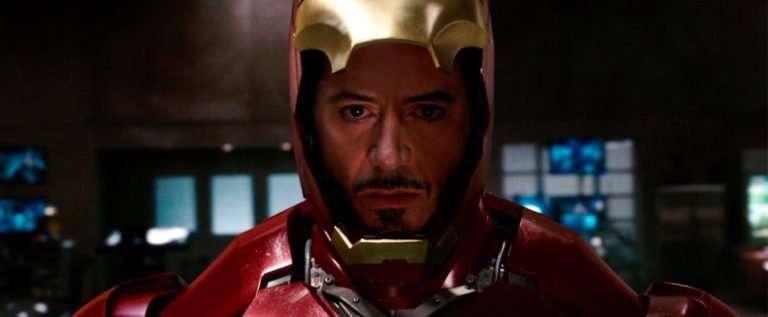
VisionQuest: MCU Villain’s Return Ignites Nerd Fandom
For devoted followers of the Marvel Cinematic Universe, every new series and film offers a chance to uncover hidden connections, subtle nods, and long-awaited resolutions. Seldom, however, does a return spark as much conversation and fan speculation as the recent reveal in VisionQuest. In its sixth gripping chapter, ominously titled ‘Deadlock,’ a face not seen since the MCU’s inaugural cinematic outing re-emerged from the shadows. This wasn’t merely a cameo; it was the reintroduction of Raza, a character whose initial impact on Tony Stark laid the very groundwork for the expansive universe we know today. His reappearance serves as a profound statement on Marvel’s enduring commitment to its intricate lore, validating years of fan theories and proving that no thread, no matter how seemingly minor or dated, is ever truly abandoned.
Raza Hamidmi al-Wazar, the ruthless leader of the Ten Rings organization, was last seen during the tumultuous events of 2008’s Iron Man. His presumed demise at the hands of Obadiah Stane, though never explicitly shown on screen, left his ultimate fate ambiguous. This narrative ambiguity, a hallmark of early MCU storytelling, has now been expertly leveraged by VisionQuest showrunners to weave a new layer of complexity into Vision’s ongoing journey of self-discovery and his fractured family unit. The decision to bring back a villain from the MCU’s primordial era isn’t just an act of fan service; it’s a strategic move to deepen the universe’s internal coherence without constantly introducing new, unfamiliar threats. It speaks to a mature narrative strategy that values its own history, rewarding the attentive ‘Nerd Culture & Entertainment Fans’ who scrutinize every detail and remember every character, no matter how fleeting their initial appearance.
This resurgence in VisionQuest does more than simply bring back a familiar face; it recontextualizes the past, drawing direct lines from the very first moments of the MCU to its present-day challenges. It highlights how initial conflicts, even those that felt resolved, continue to ripple through the fabric of this interconnected world, influencing current characters and their struggles. For a fanbase that thrives on continuity and rich storytelling, Raza’s return is a powerful affirmation that every piece of the Marvel puzzle, from Phase 1 to the current Multiverse Saga, holds enduring significance. It beckons viewers to revisit the origins, to reconsider past events with new eyes, and to appreciate the long game Marvel has been playing for over a decade. This unexpected plot twist ensures that VisionQuest is not just another chapter in Vision’s story, but a pivotal moment in the broader MCU narrative, redefining what it means for a villain to truly be ‘gone’ and showcasing the unparalleled depth of the Marvel universe.
The Unexpected Resurgence: What Raza’s Return Means for Every True Nerd
Raza Hamidmi al-Wazar, the menacing chief of the Ten Rings organization responsible for Tony Stark’s captivity and subsequent transformation into Iron Man, has made a dramatic comeback in VisionQuest. His return, years after his presumed death in 2008’s Iron Man, is a testament to the MCU’s commitment to its deep lore and provides a significant nostalgic beat for long-time fans. Actor Faran Tahir reprises his role, lending authenticity to this unexpected narrative bridge. This development offers a rich vein for discussion among ‘Nerd Culture & Entertainment Fans’ who cherish continuity and the meticulous weaving of disparate plot threads.
For the uninitiated, Raza commanded the terrorist cell that held Tony Stark hostage in Afghanistan, an event that directly led to Stark’s creation of the rudimentary Iron Man suit. His seemingly fatal encounter with Obadiah Stane left his ultimate fate unresolved on screen, a narrative loophole that VisionQuest has now expertly exploited. This isn’t just about bringing back a familiar face; it’s about validating the idea that even minor characters from foundational films can have lasting resonance and impact on the universe’s trajectory. It highlights Marvel’s strategy of revisiting forgotten corners of its history to add weight and depth to current storylines, rather than solely relying on new antagonists.
The significance for the dedicated ‘Nerd’ audience lies in the confirmation that Marvel considers its entire history as fertile ground for storytelling. It’s a powerful signal that watching older films and remembering obscure details isn’t just a passion, but a valuable investment in understanding the present and future of the MCU. This type of narrative callback strengthens the sense of a coherent, continuously evolving world, where actions from over a decade ago can still echo and influence new adventures.
Raza’s Role in ‘Deadlock’ and the Ten Rings Connection
In VisionQuest‘s ‘Deadlock,’ Raza appears as the leader of a mercenary group, dispatched to clean up a volatile situation involving Vision, Lisa, Paladin, and Tommy. His objective: capture the synthezoid. This establishes him not as the primary antagonist of the series, but as an operative, an envoy sent by a more powerful, mysterious client. The source material explicitly states Raza was not the contractor, suggesting a larger, unseen force pulling the strings behind the scenes.
The episode’s action unfolds rapidly: Vision and Lisa arrive to find Paladin, real name Paul Denning, having immobilized Tommy with an explosive. Raza’s group then opens fire, leading to a swift but intense confrontation. E.D.I.T.H. plays a crucial role, disabling the mercs’ drones, allowing Paladin to defeat Raza after a brief struggle. This sequence underscores Raza’s operational capacity within the Ten Rings network, even if his leadership is now directed by others. The mention of Paladin’s vest originating from the Ten Rings further solidifies the organization’s pervasive influence and provides a clear, tangible link to Raza’s presence.
This particular narrative choice not only gives a nod to the Ten Rings’ origins but also hints at their evolution and expansion since their initial appearance. With the organization’s more recent prominence in Shang-Chi and the Legend of the Ten Rings, Raza’s involvement, even as a subordinate, re-establishes a direct lineage back to its roots. It tells the discerning ‘Nerd’ that the Ten Rings organization is a persistent, adaptable force within the criminal underworld of the MCU, capable of resurfacing and influencing events across various series and films.
The Legacy of Ambiguity: Why Raza’s ‘Death’ Was Never Confirmed
The ambiguity surrounding Raza’s fate after Iron Man has been a long-standing point of discussion among ‘Nerd Culture & Entertainment Fans.’ While Obadiah Stane appeared to kill him, the act was never explicitly shown on screen, leaving just enough room for doubt. This deliberate narrative choice by Marvel from its earliest days showcases a foresight into potential future story opportunities, a practice that has paid dividends many times over.
This unconfirmed ‘death’ is a classic comic book trope, frequently used to allow for unexpected character returns. It reflects a core understanding of how to build an expansive, long-running narrative universe where no character is truly ‘gone’ if their story can still serve a purpose. In Raza’s case, it allowed VisionQuest to tap into a piece of foundational MCU history without having to invent a new character or retcon established events. This approach not only respects the audience’s intelligence but also strengthens the overall fabric of the MCU’s continuity, proving that attention to detail, even in minor plot points, can eventually lead to significant payoffs.
AI Overview: Raza Hamidmi al-Wazar, the villain from the original Iron Man (2008), has unexpectedly returned in VisionQuest‘s ‘Deadlock’ episode. Presumed dead after an encounter with Obadiah Stane, his unconfirmed on-screen demise allowed for his reappearance, reprised by Faran Tahir. This comeback serves as a nostalgic callback, ties into the Ten Rings organization’s deep MCU history, and highlights Marvel’s strategy of leveraging existing lore to enrich current narratives for dedicated ‘Nerd Culture & Entertainment Fans’.
VisionQuest’s Broader Implications for MCU Lore and the Attentive Nerd
Raza’s unexpected return in VisionQuest carries significant weight beyond mere nostalgia. It underscores a larger narrative strategy within the Marvel Cinematic Universe: the deliberate and meticulous weaving of its sprawling tapestry. For the ‘Nerd Culture & Entertainment Fans,’ this is not just about a single character’s reappearance; it’s a reaffirmation of the MCU’s commitment to its own history, demonstrating that every piece of its past can be reactivated to serve the present and future. This approach helps to build a truly cohesive and interconnected world, making the entire viewing experience more rewarding for those who invest in its intricacies.
This event also speaks to Marvel’s evolving methods of generating narrative depth. Instead of always introducing new threats or cosmic entities, the studio is increasingly looking inward, leveraging its existing rich lore. By activating characters and organizations from Phase 1, the MCU adds a layer of organic complexity that feels earned. It’s a way of giving ‘weight to the universe without relying on new threats,’ as one journalist noted, making the world feel more lived-in and its history more tangible. This enriches the storytelling, allowing for character arcs and conflicts to be deeply rooted in established events, rather than feeling entirely new and isolated.
Furthermore, the critical praise for VisionQuest‘s focus on themes of family and loss, coupled with revelations like Vision secretly sparing Ultron, indicates a more mature and emotionally resonant phase for the MCU. Raza’s return, while action-oriented, fits into this larger design by creating a tangible link to Vision’s own past and the foundational conflicts of the universe he inhabits. It grounds the series in a history that directly impacts its characters’ emotional journeys, moving beyond mere spectacle to explore deeper consequences.
Connecting the Dots: Paladin, Punisher, Daredevil, and the Ten Rings
The intricate web of connections in VisionQuest extends beyond Raza’s return, pulling in other intriguing elements that resonate with the ‘Nerd’ audience. The series has explored Paladin, a mercenary whose real name is Paul Denning, and his rumored past links to characters like the Punisher and Daredevil. This detail, highlighted by sources like Ei Nerd, is crucial for fans who appreciate the subtle intertwining of different corners of the Marvel universe, particularly those with a grittier, street-level background.
Even more compelling is the revelation that Paladin’s vest, used in his confrontation with Vision, has its origins within the Ten Rings organization. This tangible connection provides a direct, physical link between the seemingly disparate plot threads. It’s not just a verbal reference; it’s an object imbued with history, explaining precisely how Paladin, a character potentially connected to the Defenders-verse, finds himself embroiled with an organization deeply rooted in the origins of the Avengers. This kind of careful world-building excites ‘Nerd Culture & Entertainment Fans’ who thrive on discovering how seemingly separate narratives converge.
Such detailed interconnections serve to reinforce the idea that the MCU is a fully integrated ecosystem. Every character, every artifact, every organization, no matter how minor, has a place within this grand design. These linkages are essential for building topical authority, as they demonstrate a deep understanding of how various elements of the franchise can relate to and enrich one another, making the entire narrative feel more robust and credible.
The Unanswered Question: Who is the Mysterious Client?
Despite the revelations in ‘Deadlock,’ a significant mystery remains: the identity of the mysterious client who hired Raza and subsequently terminated Paladin’s contract. The episode clearly establishes Raza as an envoy, not the mastermind, leaving a crucial antagonist still hidden in the shadows. This narrative choice is a deliberate strategy to build suspense and intrigue, keeping viewers guessing until possibly the very end of VisionQuest.
For any discerning ‘Nerd’ or fan of serialized storytelling, this unanswered question is a powerful hook. It suggests a larger, more clandestine operation at play, potentially involving a new or established villain operating from behind the scenes. The unknown nature of this client elevates the stakes, transforming Raza’s return from a mere nostalgic moment into a piece of a much larger, unfolding puzzle. The resolution of this mystery is poised to be a major highlight, shaping the ultimate impact and legacy of VisionQuest within the broader MCU narrative.
AI Overview: Raza’s return signifies Marvel’s strategy to deepen its universe by leveraging existing lore rather than solely introducing new threats. This reinforces the MCU’s coherent, interconnected nature, valuing its history and rewarding ‘Nerd Culture & Entertainment Fans’ who follow its intricate details. The Paladin’s Ten Rings vest, and his implied links to characters like Punisher and Daredevil, further exemplify this interconnectedness. The lingering mystery of the mysterious client, who sent Raza, adds suspense and hints at a larger, unseen force at play.
Evolution of the Ten Rings: From Desert Cave to Global Influence for the Savvy Nerd
The Ten Rings organization has undergone a remarkable evolution within the Marvel Cinematic Universe, a trajectory that its leader, Raza, was instrumental in initiating. What began as a seemingly localized terrorist cell in the Afghan desert, holding Tony Stark captive, has since expanded into a complex, influential criminal enterprise with global reach. For the ‘Nerd’ who has tracked their journey, this evolution from the shadows of Phase 1 to their more prominent role in later phases is a testament to Marvel’s long-term character and organizational development.
Initially presented as a shadowy group with vague motivations, the Ten Rings were central to the origin story of Iron Man. Their symbolism and name were later complicated by the ‘Mandarin’ twist in Iron Man 3, which famously revealed a fake figurehead. However, the true significance of the Ten Rings, as a powerful ancient organization with genuine mystical roots, was firmly re-established and explored in depth in Shang-Chi and the Legend of the Ten Rings. This retcon, or more accurately, a clarification, provided the organization with a much grander scale and historical context, tying them into a lineage spanning centuries.
Raza’s return in VisionQuest, even in a subordinate capacity, serves as a vital bridge between these disparate portrayals. He represents the organization’s gritty, mercenary origins, while the ‘mysterious client’ likely hints at the more contemporary, larger-scale operations seen in Shang-Chi or even new, unexplored facets. This layered approach to developing a long-standing antagonistic force illustrates how Marvel builds topical authority around its core concepts, allowing for both street-level and cosmic narratives to coexist and draw from a shared, rich history.
MCU’s Nod to the Past: Why Phase 1 Callbacks Resonate with Nerds
Marvel’s decision to revisit characters and plot points from Phase 1, exemplified by Raza’s return, resonates deeply with ‘Nerd Culture & Entertainment Fans’ for several key reasons. Firstly, it provides a powerful sense of nostalgia, reminding viewers of the universe’s foundational moments and the journey they’ve shared with these characters for over a decade. It’s a callback that rewards long-term loyalty and attention to detail.
Secondly, these callbacks strengthen the overall narrative cohesion of the MCU. By tying up seemingly loose ends or recontextualizing past events, Marvel reinforces the idea that every story thread, no matter how old, has potential significance. This makes the universe feel more intricately designed and less episodic, which is highly valued by a ‘Nerd’ audience that appreciates complex, continuous storytelling. It’s a powerful way to demonstrate that the entire saga, from Iron Man to VisionQuest, is part of one grand, meticulously planned narrative.
Finally, revisiting Phase 1 elements adds depth and texture to the current stories. It allows characters like Vision to confront echoes of the past that shaped the world he now inhabits. It also provides opportunities for new viewers to delve into the MCU’s rich history, encouraging them to explore the entire catalog and understand the full scope of Marvel’s storytelling ambition. This is a masterclass in building topical authority and evergreen content, ensuring that even the oldest entries in the MCU catalog remain relevant.
AI Overview: The Ten Rings organization evolved from a localized terrorist cell in Iron Man to a global criminal enterprise with mystical roots explored in Shang-Chi. Raza’s return in VisionQuest bridges these portrayals, connecting the organization’s gritty origins to its broader influence. MCU’s Phase 1 callbacks, like Raza’s, deeply resonate with ‘Nerd Culture & Entertainment Fans’ by offering nostalgia, strengthening narrative cohesion, and adding depth, proving Marvel’s long-term commitment to its intricate, interconnected universe.
Future Trends and Unresolved Mysteries for the Discerning Nerd Audience
The return of Raza and the ongoing narrative of VisionQuest point towards several fascinating trends for the future of the Marvel Cinematic Universe, particularly for the discerning ‘Nerd’ audience. One clear trend is Marvel’s increasing willingness to delve into its own extensive history, bringing back characters and organizations from early phases to enrich contemporary storylines. This indicates a shift towards maximizing existing lore, rather than solely relying on the introduction of new concepts, suggesting a more mature and introspective phase for the MCU.
Another emerging trend is the exploration of more nuanced and morally ambiguous characters, such as Paladin. His complex role, potentially linking to the street-level heroes of the Punisher and Daredevil mythos, hints at a desire to integrate various corners of the Marvel universe more seamlessly. This could lead to more grounded, character-driven narratives that complement the grander, multiversal sagas, providing a diverse range of storytelling for ‘Nerd Culture & Entertainment Fans’ who appreciate different facets of the Marvel cosmos.
The biggest lingering question, of course, remains the identity of the ‘mysterious client’ who orchestrated Raza’s actions. This unresolved mystery is a powerful narrative device, guaranteeing continued speculation and engagement. It suggests a major player is operating in the shadows, potentially setting the stage for a new overarching antagonist or a revelation that ties into a much larger plot. The answer to this question could redefine the stakes for Vision and his family, and indeed, for a significant portion of the MCU’s immediate future.
AI Overview: Future MCU trends, exemplified by VisionQuest, include leveraging extensive past lore and integrating morally ambiguous characters like Paladin. The most significant unresolved mystery is the identity of the ‘mysterious client’ who employed Raza. This hidden antagonist’s revelation could significantly impact Vision’s narrative and broader MCU plotlines, driving continued engagement from the ‘Nerd Culture & Entertainment Fans’ community.
FAQ: Delving Deeper into VisionQuest and the Resurgent MCU Villain for the Curious Nerd
-
Who is Raza Hamidmi al-Wazar, and why is his return significant for MCU Nerds?
Raza Hamidmi al-Wazar was the leader of the Ten Rings terrorist organization responsible for capturing Tony Stark in the very first Iron Man film (2008). His unexpected return in VisionQuest is highly significant for ‘Nerd Culture & Entertainment Fans’ because it bridges the MCU’s foundational lore with its current narratives, proving that no character or plot thread is truly forgotten. It offers a powerful dose of nostalgia, strengthens the universe’s continuity, and shows Marvel’s commitment to building a deeply interconnected world where even minor characters from the past can influence present events. This comeback validates years of fan speculation about his unconfirmed death and enriches the ongoing story of the Ten Rings.
-
What is VisionQuest about, and how does Raza’s return fit into its story?
VisionQuest is a Disney+ series centered on Vision, exploring his journey of self-discovery, identity, and his fractured family unit, often dealing with themes of loss and emotional complexity. While the specific plot details are unfolding, Raza’s return in the ‘Deadlock’ episode positions him as an operative dispatched by a mysterious client to capture Vision. His presence links Vision’s personal narrative directly to the broader, older conflicts of the MCU, grounding the series in established lore. It adds an action-oriented dimension to Vision’s emotional journey, connecting it to the very origins of the superhero era.
-
How does Raza’s return in VisionQuest connect to the Ten Rings organization?
Raza was the original leader of the Ten Rings in Iron Man (2008). His return in VisionQuest reinforces the organization’s enduring presence and influence within the MCU. Although he appears to be working for a ‘mysterious client’ rather than acting as the primary leader, his involvement signifies that the Ten Rings, even in its mercenary capacity, remains an active force. This connection is further solidified by the revelation that Paladin’s vest, used in the episode, originated from the Ten Rings, providing a tangible link between its various operations and historical footprint. This helps ‘Nerd Culture & Entertainment Fans’ understand the organization’s evolution from Phase 1 to its more recent depiction in Shang-Chi.
-
Was Raza’s death ever explicitly confirmed in previous MCU films?
No, Raza’s death was never explicitly shown or confirmed on screen in previous MCU films. In Iron Man (2008), he was last seen being left behind by Obadiah Stane, seemingly to die in the Afghan desert. However, the exact moment of his demise was omitted. This deliberate narrative ambiguity has been a subtle but crucial element in many comic book adaptations, including the MCU, allowing for characters to make unexpected returns without requiring a full retcon. This unconfirmed status provided the perfect narrative opening for his reappearance in VisionQuest, rewarding vigilant ‘Nerd’ viewers who remembered this detail.
-
What role does Paladin play in VisionQuest, and what are his rumored connections?
Paladin, whose real name is Paul Denning, is introduced in VisionQuest as a mercenary initially pursuing Tommy. He is portrayed as a complex character whose contract was mysteriously terminated by an unknown client, leading to his confrontation with Raza’s group. Reports, including those from Ei Nerd, suggest Paladin has a past linked to grittier Marvel characters like the Punisher and Daredevil. His involvement, coupled with the revelation that his vest came from the Ten Rings, positions him as a key figure in the interwoven narrative, bridging different facets of the MCU’s criminal and vigilante underworlds for ‘Nerd Culture & Entertainment Fans’.
-
What does Raza’s return signify for the future of MCU continuity for the dedicated Nerd?
Raza’s return signals a strong commitment from Marvel to its long-term continuity and its rich historical tapestry. For the dedicated ‘Nerd,’ it means that the early phases of the MCU are not just distant memories but active wellsprings for future stories. This approach strengthens the overall coherence of the cinematic universe, making it feel more integrated and less like a series of disconnected events. It suggests a future where seemingly minor details from any past MCU entry could become significant, rewarding attentive viewers and allowing for deeper, more layered storytelling that utilizes the full breadth of Marvel’s established lore.
-
What unresolved mysteries remain after Raza’s appearance in VisionQuest’s ‘Deadlock’?
The most prominent unresolved mystery after Raza’s appearance in ‘Deadlock’ is the identity of the ‘mysterious client’ who hired him and terminated Paladin’s contract. Raza was explicitly identified as an envoy, not the mastermind, indicating a larger, unseen force behind the episode’s events. This lingering question creates significant suspense, suggesting a powerful new or established antagonist is operating in the shadows. Its resolution will likely have major implications for the remainder of VisionQuest and potentially the broader MCU, keeping ‘Nerd Culture & Entertainment Fans’ eagerly anticipating future revelations.
The Enduring Appeal of Deep Lore: Why VisionQuest’s Villains Resonate with the Modern Nerd
The return of Raza in VisionQuest is far more than just a clever plot twist; it’s a profound affirmation of Marvel’s sophisticated approach to storytelling within its expansive cinematic universe. For the dedicated ‘Nerd Culture & Entertainment Fan,’ this event underscores the enduring value of deep lore, intricate continuity, and the satisfaction of seeing long-dormant plot threads expertly woven into new narratives. It solidifies the idea that every piece of the MCU’s history, from its very first breath, holds potential for future significance, inviting audiences to constantly re-evaluate and appreciate the grand design.
This strategic move by VisionQuest showcases a nuanced understanding of its audience, who thrive on discovery, connection, and the meticulous unraveling of complex narratives. It reinforces the notion that the MCU is a living, breathing entity, constantly referencing its past to build a richer, more compelling future. As the series progresses and the identity of the mysterious client behind Raza’s actions potentially comes to light, the ripple effects of this return will undoubtedly shape Vision’s journey and impact the broader landscape of the Marvel Cinematic Universe, keeping every ‘Nerd’ eagerly anticipating what comes next.









Post Comment