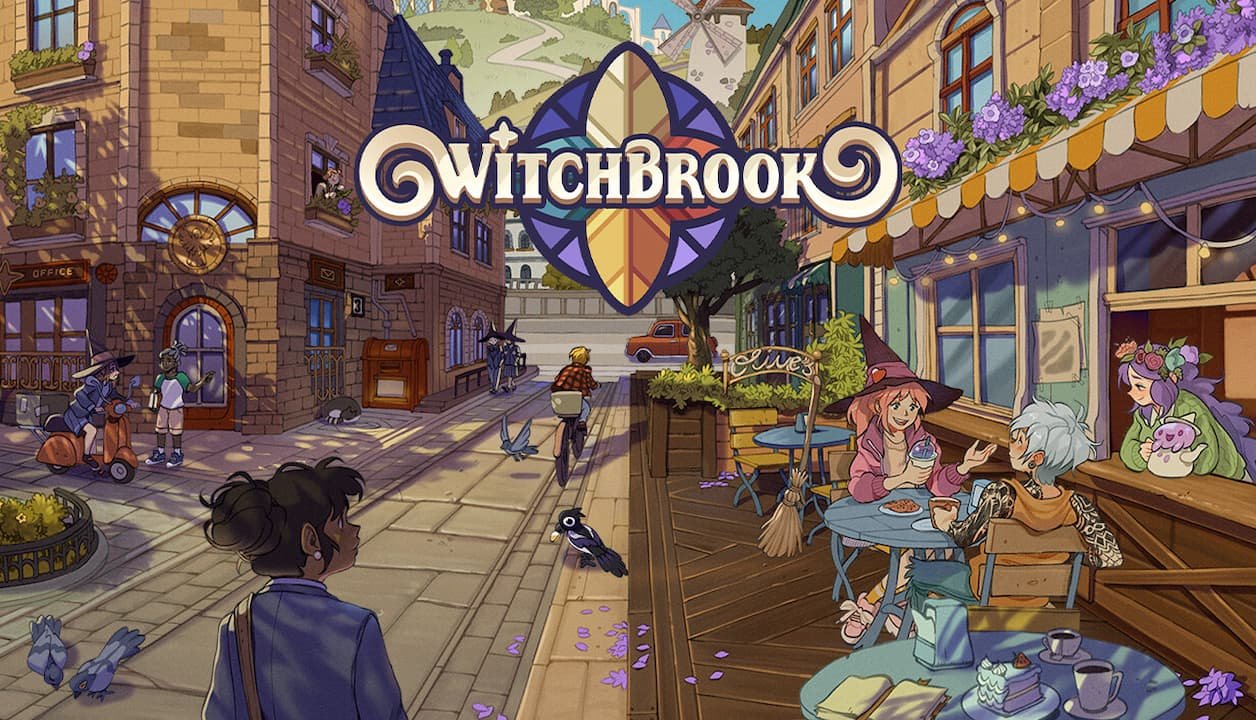
Witchbrook: ‘Harry Potter Stardew Valley’ Gets 2027 Release Date
For years, the gaming community has buzzed with anticipation for Witchbrook, an indie title that promises to deliver a truly unique blend of genres. Often described as the ‘Harry Potter Stardew Valley,’ this enchanting game from Chucklefish has captured imaginations by fusing the beloved mechanics of life simulation with the captivating allure of a magic school setting. The journey to its release has been one of eager speculation and patient waiting, punctuated by occasional glimpses into its development.
In a world increasingly drawn to cozy games that offer escapism and creativity, Witchbrook stands out as a beacon of potential. Its premise taps into a deep well of nostalgia for magical narratives and the satisfying loops of crafting, farming, and building relationships inherent in simulation titles. The idea of attending classes, brewing potions, and befriending fellow magic students while cultivating a home in a vibrant pixel art world resonates strongly with a diverse audience, from casual players to hardcore RPG enthusiasts.
However, like many ambitious projects, Witchbrook experienced a shift in its projected launch timeline. Initially eyed for 2026, the game’s development journey necessitated more time to ensure it met the high expectations of its dedicated fanbase and the quality standards synonymous with its publisher, Chucklefish. This adjustment, common in the intricate world of game development, was met with understanding, as players often prefer a polished, complete experience over a rushed one.
Now, the waiting game has an end in sight. After a period of quiet development and heightened anticipation, Chucklefish has officially announced that Witchbrook will cast its spell upon players on January 28, 2027. This definitive date provides a concrete milestone for fans to mark on their calendars, signaling the culmination of years of creative effort and dedicated craftsmanship. The reveal was accompanied by a new trailer, offering a deeper look into the magical world, its intricate mechanics, and the charming visual style that has made Witchbrook one of the most talked-about indie games on the horizon. This article delves into what makes Witchbrook such a captivating prospect, exploring its gameplay, inspirations, and the significance of its long-awaited arrival.
Witchbrook Unveiled: The Highly Anticipated Fusion of Games and Magic
Witchbrook emerges as a standout title within the ever-expanding landscape of indie games, distinguished by its imaginative blending of established genres. It positions itself as a ‘cozy game,’ a category that has seen immense popularity for its emphasis on relaxation, creativity, and engaging, low-stress gameplay loops. The core appeal lies in its dual inspiration: the intricate life simulation mechanics pioneered by titles like Stardew Valley, coupled with the enchanting, narrative-rich environment of a magic school reminiscent of the Harry Potter universe.
The journey of Witchbrook from concept to a confirmed release has been closely followed by the Nerd Culture & Entertainment Fans, who appreciate the nuanced development process and the promise of a truly immersive experience. Its announcement initially sparked widespread excitement, not only for its unique thematic blend but also for the reputation of its publisher. Chucklefish, known for supporting and developing beloved indie titles, lends significant credibility and assurance of quality to Witchbrook’s development.
The confirmation of January 28, 2027, as the official launch date for Witchbrook transforms long-held hopes into a tangible reality. This announcement, coming after an initial expectation for a 2026 release, reassures a patient community that the development is progressing steadily towards delivering a polished and engaging product. The new trailer, released in conjunction with the date, provided fresh insights, showcasing a world rich in detail and gameplay potential that aims to fulfill the high expectations set by its unique premise.
Direct Answer: Witchbrook is an eagerly awaited indie game that combines the life simulation aspects of Stardew Valley with a captivating magic school setting, promising a unique ‘cozy game’ experience. After an anticipated 2026 release, it has now officially set its launch date for January 28, 2027, bringing a blend of magic, simulation, and charming pixel art to players on multiple platforms.
A Long-Awaited Journey into Enchantment
The anticipation surrounding Witchbrook is not merely about a new game; it’s about the promise of a deeply immersive and lovingly crafted experience. For many, the idea of attending a magic school has been confined to books and films. Witchbrook aims to transpose that fantasy into an interactive medium, allowing players to live out a virtual magical education. This long wait underscores the complexity of marrying two distinct genres effectively, ensuring that both the simulation and the magical elements feel cohesive and rewarding.
Developer Chucklefish has a history of understanding what makes indie games resonate with players. While they published the monumental Stardew Valley, Witchbrook represents their direct development efforts to create another memorable title. The journey has involved meticulous attention to detail, from world-building to balancing gameplay mechanics, all to ensure that the final product not only meets but exceeds the lofty expectations set by its inspiring comparisons. This dedication often requires extended development cycles, ultimately benefiting the player with a more refined experience.
Chucklefish’s Legacy and Vision for New Games
Chucklefish’s involvement in Witchbrook is a key factor in its high anticipation. As a company, they have been instrumental in the success of various indie darlings, often championing games that offer deep player engagement and unique artistic visions. Their reputation suggests a commitment to quality and a keen understanding of the indie game market, particularly the ‘cozy game’ niche.
With Witchbrook, Chucklefish is poised to continue this legacy, applying their expertise to a project they are developing internally. Their vision for the game is clear: to deliver an experience that combines the addictive daily loops of simulation games with the wonder and adventure of a magical RPG. This commitment to crafting compelling new games is what drives their development philosophy, ensuring that Witchbrook stands as a testament to their creative and technical prowess.
Diving Deeper into Witchbrook’s Gameplay Universe
The recently unveiled trailer for Witchbrook offers a tantalizing glimpse into the intricate world and diverse mechanics awaiting players. At its heart, the game promises a rich simulation experience where everyday life intertwines with magical learning and adventure. Players will navigate a detailed world influenced by a dynamic seasonal system, affecting both the environment and available activities, much like the changing seasons beloved in other life simulation titles.
A core pillar of Witchbrook’s gameplay revolves around magical education. Students will enroll in various classes designed to hone their arcane abilities, ranging from the precise art of alchemy to the celestial mysteries of astronomy. These classes are not just passive learning experiences; they will likely involve practical applications, spellcasting challenges, and opportunities to craft powerful items. Beyond the academic pursuits, players can personalize their living spaces, engaging in home decoration and creating a truly unique magical sanctuary.
Exploration forms another critical component of the Witchbrook experience. The game features a vast map ripe for discovery, filled with secrets, quests, and opportunities to interact with a diverse cast of characters. These interactions extend to forming meaningful relationships with fellow NPCs, a staple of the life simulation genre. The ability to bond with various characters, potentially leading to romantic relationships, adds a layer of personal narrative depth, allowing players to shape their social journey within the magical school environment.
Direct Answer: Witchbrook’s gameplay features a dynamic seasonal system, extensive magic classes like alchemy and astronomy, environment customization, and exploration across a vast map. Players can also form relationships with NPCs, including dating options, all rendered in an appealing pixel art style, combining simulation with magical adventure.
Core Mechanics: Life Simulation Meets Spellcraft
The blend of life simulation and spellcraft in Witchbrook is designed to offer a unique rhythm of play. Players won’t just be learning spells; they’ll be living a magical life. This means managing a daily schedule that could include attending potions class in the morning, exploring a hidden grove for ingredients in the afternoon, and spending evenings socializing with friends or studying ancient runes. The integration of these elements ensures that every activity contributes to the player’s progression, both academically and socially.
The simulation mechanics extend beyond mere class attendance. Expect systems for gardening, fishing, and perhaps even tending to magical creatures, all influenced by the changing seasons. This cyclical nature of gameplay encourages long-term engagement and offers continuous new content and challenges. The magic system itself appears robust, with different disciplines providing distinct gameplay benefits and creative problem-solving opportunities within the game’s world.
The Allure of Pixel Art and World Design
Witchbrook’s visual identity, characterized by its charming pixel art, is a significant draw. This aesthetic choice is not merely a stylistic preference but a deliberate artistic decision that evokes a sense of nostalgia while allowing for intricate detail and expressive character designs. Pixel art has seen a resurgence in indie games, appreciated for its timeless quality and ability to convey strong atmosphere and character personality without requiring hyper-realistic graphics.
The world design evident in the trailer showcases a vibrant, fantastical environment brimming with magical elements. From whimsical architecture to mystical flora and fauna, every detail contributes to the immersive quality of the setting. This carefully crafted world invites exploration and promises to be a delightful backdrop for all the magical mischief and academic pursuits that players will undertake.
Platforms and the Future of Cozy Gaming
A notable aspect of Witchbrook’s release is its broad multi-platform availability. The game is slated to launch on PC, PlayStation 5, Xbox Series X|S, Nintendo Switch, and even the anticipated Nintendo Switch 2. This wide release strategy ensures that a maximal audience of Nerd Culture & Entertainment Fans can access the game, regardless of their preferred gaming hardware. It also highlights Chucklefish’s confidence in the game’s appeal across diverse gaming ecosystems.
The inclusion of the upcoming Nintendo Switch 2 on the platform list is particularly intriguing, hinting at a forward-looking development approach and suggesting that Witchbrook aims to be a prominent title across current and next-generation handheld and console experiences. This broad accessibility is crucial for games in the ‘cozy’ genre, which often thrive on being available for relaxed play sessions on various devices.
The Art of Crafting Worlds: Understanding Game Development Realities
The journey of any game from concept to release is fraught with complexities, and Witchbrook’s adjusted launch from 2026 to 2027 is a common narrative in the industry. Game development is an intricate process involving countless hours of coding, art creation, narrative design, balancing mechanics, and rigorous testing. This iterative process often uncovers unforeseen challenges, requiring developers to reassess timelines to ensure the final product meets expected standards of quality and completeness.
For indie games, especially those with high ambition and a dedicated following like Witchbrook, the pressure to deliver a polished experience is immense. Studios often prioritize the integrity of their vision over adherence to initial, optimistic deadlines. A delay, while sometimes disappointing for eager fans, is frequently a strategic decision made to avoid launching a game that feels unfinished or unoptimized, which can severely impact its reception and long-term success.
This careful approach is particularly vital for titles that aim to blend multiple complex systems, such as life simulation, magic combat, and extensive NPC interactions. Each system needs to be meticulously crafted and integrated seamlessly, a task that demands significant time and resources. Therefore, Witchbrook’s revised release date can be viewed as a commitment from Chucklefish to deliver the best possible version of their enchanting game.
Direct Answer: Game development is complex, often leading to delays due to unforeseen challenges in coding, design, and testing. For ambitious indie titles like Witchbrook, extending development, as seen with its 2027 release, is a strategic choice to ensure a polished, complete, and optimized experience, prioritizing quality over initial deadlines.
Why Delays Shape Better Games
While game delays can momentarily dampen spirits, they are often a sign of a development team striving for excellence. In the demanding world of game creation, extra time allows for crucial bug fixing, further optimization, and the addition of content or polish that might otherwise be cut. This extended development cycle often translates into a more stable, feature-rich, and enjoyable experience for players.
For Witchbrook, a delay implies an opportunity to refine its unique blend of simulation and magic. It could mean more balanced gameplay, deeper character narratives, additional spells or crafting recipes, or even a more expansive world to explore. Ultimately, a game that takes its time in development is more likely to avoid the pitfalls of rushed launches, which can lead to negative critical reception and player dissatisfaction, undermining years of hard work.
Anticipation vs. Patience: A Developer’s Perspective
Developers walk a tightrope between managing player anticipation and maintaining the creative freedom and time necessary to build a quality product. The excitement generated by a game like Witchbrook is a powerful motivator, but succumbing to pressure for an early release can be detrimental. Chucklefish’s decision to adjust the release date demonstrates a mature understanding of this balance.
From a developer’s standpoint, patience from the community is invaluable. It allows them to experiment, iterate, and perfect their vision without the constraints of an unfeasible deadline. This often leads to surprising innovations and a higher level of polish that defines truly memorable games. Witchbrook’s fans, by waiting, are investing in a promise of quality that Chucklefish seems determined to deliver.
Cultivating Connections: Relationships and Exploration in the World of Witchbrook
Central to the appeal of life simulation games, and a key feature in Witchbrook, is the dynamic system of non-player character (NPC) relationships. In Witchbrook, players won’t merely exist in a magical world; they will become an integral part of its social fabric. The ability to converse, build friendships, and even pursue romantic relationships with a diverse cast of characters adds a profound layer of immersion and replayability to the experience. This social dimension allows players to truly personalize their journey, influencing the narrative and uncovering hidden depths within the game’s community.
The concept of dating NPCs has long been a cherished mechanic in titles like Stardew Valley, offering players emotional investment and a sense of progression beyond resource gathering or combat. In a magic school setting, these relationships could be particularly rich, involving shared magical adventures, rivalries, or academic collaborations. Each interaction is designed to make the world feel alive and responsive to the player’s presence, fostering a strong sense of belonging within the mystical academic environment.
Beyond interpersonal connections, Witchbrook encourages extensive exploration of its vast and vibrant map. This open-world aspect invites players to venture beyond the school grounds, discovering hidden locations, gathering unique resources, and encountering unexpected challenges. The map is designed not just as a backdrop but as a character in itself, reacting to the changing seasons and offering new secrets with each passing in-game year. This blend of social depth and environmental discovery forms the dual core of Witchbrook’s engaging experience.
Direct Answer: Witchbrook features a dynamic relationship system allowing players to build friendships and pursue romantic interests with NPCs, a key element in life simulation games. Complementing this, an expansive, season-influenced map invites thorough exploration, fostering discovery, resource gathering, and unexpected encounters within its magical world.
Dynamic NPC Interactions and Romantic Pursuits
The depth of NPC interaction in Witchbrook is set to be a cornerstone of its charm. Moving beyond simple dialogue trees, the game aims to feature characters with unique personalities, backstories, and evolving relationships with the player. This means that decisions and actions taken by the player could significantly impact how others perceive and react to them, creating a rich tapestry of social dynamics.
For those who enjoy a touch of romance in their games, the inclusion of dating mechanics is a welcome addition. This feature provides a tangible goal for social engagement and allows players to forge deeper, more personal bonds within the magical community. It’s an opportunity to discover unique character arcs and experience the emotional highs and lows that come with forming close relationships, making the magical world feel even more alive and relatable.
The Expansive Map and Seasonal Cycles
The promise of a vast, explorable map is enticing, suggesting countless hours of discovery. Players will likely find themselves venturing through enchanted forests, ancient ruins, bustling magical towns, and hidden academic chambers. This open-world design not only provides a sense of freedom but also encourages curiosity, rewarding those who take the time to uncover every secret.
Adding another layer of complexity and beauty is the seasonal cycle. As confirmed by the trailer, Witchbrook will feature distinct seasons, each bringing its own visual changes, unique resources, and potentially altering the behavior of NPCs and available quests. This mechanic significantly enhances replayability, as players will experience the world differently throughout the in-game year, always finding something new to explore or cultivate.
Anticipating Witchbrook: Key Insights for Fans of Simulation Games
The impending release of Witchbrook on January 28, 2027, marks a significant moment for the broader gaming community, particularly for enthusiasts of simulation games and magical RPGs. This title is poised to capitalize on several prevailing trends within the industry: the sustained popularity of ‘cozy games’ that offer a comforting, non-combative experience, and the enduring allure of pixel art aesthetics that resonate with both nostalgic players and newcomers seeking unique visual styles. Witchbrook stands as a testament to the continued innovation within the indie sector, demonstrating how familiar concepts can be reimagined with fresh thematic twists.
For fans of simulation games, Witchbrook offers a compelling evolution of beloved mechanics. It extends the concept of daily routines, resource management, and relationship building into a rich, fantastical setting. The magic school theme adds layers of potential for skill progression, crafting, and unique challenges that go beyond traditional farming or village life. This crossover appeal ensures that Witchbrook is not just for Harry Potter aficionados but for anyone who appreciates deep, engaging simulation gameplay with a captivating narrative overlay.
Chucklefish’s commitment to a detailed, multi-platform release, including the Nintendo Switch 2, further solidifies Witchbrook’s potential impact. It positions the game as a forward-thinking title, ready to greet players on current and future hardware. The confirmed date allows players to plan their gaming calendars, generating renewed excitement and anticipation for what promises to be one of the most charming and immersive new games in recent memory.
Direct Answer: Witchbrook is highly anticipated by simulation game fans due to its blend of cozy life-sim mechanics with a magic school theme, appealing to popular trends. Its extensive features, charming pixel art, and multi-platform release—including the Nintendo Switch 2—position it as a significant title promising deep engagement for players in early 2027.
Shaping Trends in Simulation and RPG Genres
Witchbrook isn’t just following trends; it has the potential to shape them. By successfully merging life simulation with a rich magic system and school environment, it could inspire a new wave of hybrid games. The emphasis on social interaction, academic progression, and exploration within a non-linear, player-driven narrative aligns with what modern RPG and simulation players seek: depth, freedom, and a personal connection to the game world.
Its unique proposition could set a new benchmark for how magical themes are integrated into life-sim mechanics, moving beyond simple cosmetic additions to creating truly impactful gameplay loops. This innovation is crucial for the evolution of the genre, offering fresh experiences for a player base that is constantly seeking novel and engaging interactive narratives.
Why This Release Date Matters for the Gaming Community
The definitive release date for Witchbrook is more than just a calendar entry; it’s a statement of confidence from Chucklefish. For the gaming community, it ends a period of uncertainty and initiates the final countdown to experiencing a game that has been on many wishlists for years. This certainty allows for more concrete anticipation, community discussions, and pre-release planning among players.
Moreover, a confirmed date provides clarity for industry observers and fellow developers, highlighting the progress and eventual completion of an ambitious indie project. It reinforces the idea that patience often yields superior results in game development, contributing to a healthier overall ecosystem where quality is prioritized. This ensures that when Witchbrook finally launches, it will arrive as a fully realized, enchanting experience for all.
Frequently Asked Questions About Witchbrook
| Question | Answer Overview |
|---|---|
| What exactly is Witchbrook? | Witchbrook is a highly anticipated indie game developed by Chucklefish. It blends the life simulation and relationship-building mechanics of games like Stardew Valley with a captivating magic school setting, offering players the chance to live out a virtual magical education. The game features an engaging storyline, diverse activities, and charming pixel art visuals, creating a unique and cozy gaming experience for fans of both genres. |
| When is Witchbrook expected to be released? | After an initial anticipated release in 2026, Witchbrook’s official launch date has been confirmed for January 28, 2027. This definitive date provides clarity for players who have eagerly followed its development. The adjustment in the timeline reflects Chucklefish’s commitment to delivering a polished and complete game, ensuring a high-quality experience for its dedicated fanbase. |
| Which platforms will Witchbrook be available on? | Witchbrook is designed for broad accessibility across multiple platforms. Upon its release, it will be available on PC, PlayStation 5, Xbox Series X|S, Nintendo Switch, and the upcoming Nintendo Switch 2. This multi-platform launch strategy ensures that a wide range of players, regardless of their preferred gaming system, can dive into the magical world of Witchbrook. |
| What are the main gameplay elements of Witchbrook? | The core gameplay of Witchbrook revolves around a blend of life simulation and magical activities. Players can expect a seasonal system, diverse magic classes (e.g., alchemy, astronomy), environment and character customization, and extensive exploration of a vast map. A significant feature is the ability to build relationships with various NPCs, including options for dating, all contributing to a rich, immersive experience. |
| Who is developing/publishing Witchbrook? | Witchbrook is being developed by Chucklefish, a renowned name in the indie game scene. Chucklefish is also known for publishing other successful titles, including the immensely popular Stardew Valley. Their involvement as both developer and publisher for Witchbrook signifies a deep commitment to the project’s vision and quality, building on their legacy of delivering beloved indie games. |
| Why was Witchbrook delayed? | Witchbrook’s initial 2026 release was postponed to January 28, 2027, a common occurrence in game development. Delays typically stem from the need for additional time to refine mechanics, optimize performance, resolve bugs, and add polish to ensure a comprehensive and high-quality final product. Such decisions prioritize the game’s integrity and player experience over adhering to preliminary timelines. |
| How does Witchbrook compare to Stardew Valley? | Witchbrook shares a similar ‘cozy game’ and life simulation framework with Stardew Valley, particularly in its mechanics of daily routines, resource management, and building relationships. However, Witchbrook distinguishes itself with a unique magic school theme, replacing farming and village life with magical classes, spellcraft, and fantastical exploration, offering a distinct yet equally engaging experience for fans of the genre. |
| Will there be character customization in Witchbrook? | Yes, character customization is a confirmed feature in Witchbrook. Players will have the opportunity to personalize their environments and likely their avatars, allowing for a unique and personal expression within the magical world. This element enhances player immersion and encourages creativity, making each player’s journey feel distinct and tailored to their preferences. |
The Next Chapter for Highly Anticipated Games
The confirmation of Witchbrook’s release date on January 28, 2027, marks a pivotal moment for one of the most eagerly awaited indie games in recent memory. This blend of life simulation, magical academia, and charming pixel art promises an experience that is both familiar and refreshingly new. For Nerd Culture & Entertainment Fans, it’s a testament to the power of a unique vision and the dedication required to bring such an ambitious project to fruition.
As the countdown officially begins, the anticipation for Witchbrook will undoubtedly continue to build. It stands as a beacon for the ‘cozy game’ genre, offering a rich tapestry of activities, from mastering spells to cultivating relationships, all within a beautifully crafted world. Mark your calendars for an enchanting journey; Witchbrook is poised to be a standout title, ready to cast its spell and redefine what players expect from magical simulation games.












Post Comment