Are People Really Watching Less Anime? The Enduring Power of Otaku Culture
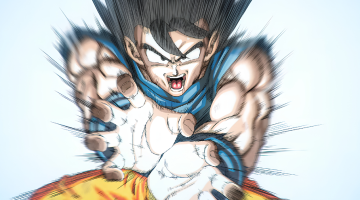
For many who grew up immersed in the vibrant world of Japanese animation, there’s a distinct memory of a time when entire nations seemed to pause. Whether it was the epic battles of Dragon Ball, the ninja sagas of Naruto, or the grand adventures of One Piece, these series dominated conversations at school, among friends, and at video rental stores. It felt as though anime was ubiquitous, a shared cultural touchstone that united millions under a single, enthralling narrative.
Today, a common sentiment suggests that no single anime reaches that same universal pinnacle. This leads many to wonder: are people actually watching less anime? Has the golden age passed, leaving a fragmented landscape where no new series can capture the collective imagination with the same force? The answer, unequivocally, is no. Far from declining, the anime industry is experiencing unprecedented growth, and its global influence is expanding in ways that defy traditional metrics of popularity. What has changed isn’t the audience’s passion, but rather the very fabric of how we discover, consume, and connect with these animated stories.
The era of broadcast television, with its limited channels and concentrated viewership, created a unique phenomenon. Millions received the same stimulus simultaneously, forging collective experiences that cemented series like Naruto and Dragon Ball as colossal cultural touchstones. Their hundreds of episodes, emotionally charged moments, and powerful branding captivated a youthful market, establishing a legacy that resonates profoundly even today. However, the digital revolution has shattered this monolithic viewing experience, scattering audiences across a myriad of platforms and transforming discovery into a highly personalized journey. Understanding this shift is key to grasping the true health and vitality of the anime world, a realm where new giants rise alongside enduring legends, continuously captivating and expanding the global community of fans.
The Evolving Landscape of Anime Fandom: Are Otaku Still Engaged?
Despite anecdotal perceptions of declining collective viewership, the global anime market is not only thriving but also setting new records, demonstrating a profound and expanding engagement from fans worldwide. The modern otaku, far from retreating, is simply navigating a more diversified and accessible landscape of content.
Direct Answer: The perception that people are watching less anime is inaccurate. The global anime market is experiencing unprecedented growth, driven by international demand and diverse digital consumption patterns. While the collective viewing experience of past eras has shifted, the modern otaku remains deeply engaged, with a burgeoning industry creating record-breaking content and fostering widespread fandom, especially among younger demographics.
The nostalgic feeling of a unified viewing experience, where everyone discussed the same episode, stems from a bygone media landscape. In those days, fewer channels meant concentrated audiences, creating an artificial sense of omnipresence for popular shows. Today, the sheer volume of content platforms and distribution channels has dispersed viewership, leading to a loss of a singular common reference point. You might, for instance, be completely unaware of an influencer with millions of followers or an anime sensation dominating youth culture, simply because your personal consumption bubble doesn’t intersect with theirs.
This fragmentation means that a blockbuster like Jujutsu Kaisen might appear less “universal” to those outside its direct sphere, even as millions of young fans are simultaneously consuming, sharing, and creating content about it. The collective event has evolved, moving from scheduled television slots to viral social media trends and synchronous streaming binges, but the audience itself has not diminished; it has merely relocated and diversified its points of interaction.
The numbers firmly support this observation. According to the Association of Japanese Animations (AJA), the global anime market grew by 15% in 2024, reaching a record 3.84 trillion yen, approximately US$25 billion. Crucially, the engine of this growth is overwhelmingly international, with overseas revenue accounting for 56% of the total and surging by 26%. In stark contrast, the Japanese domestic market saw a more modest growth of 2.8%, underscoring anime’s monumental global appeal and the widespread engagement of the international otaku community.
The Generational Divide in Anime Consumption
Anime’s appeal is particularly potent among younger demographics, indicating a robust future for the industry and its dedicated fanbase. A survey commissioned by Crunchyroll revealed that approximately 54% of Generation Z (ages 13 to 28) identify as anime fans. This figure places anime’s popularity ahead of major cultural phenomena like the NFL (48%) and K-Pop sensation BTS (39%) within this demographic. The trend is even more pronounced in key markets like the United States, where 42% of Gen Z watches anime weekly, a stark contrast to only 3% of Baby Boomers.
This clear generational divide highlights that the younger the audience, the stronger anime’s presence. Social media platforms play a pivotal role in this engagement. Around 40% of fans report discovering new series through fan edits and recommendations on platforms like TikTok and Instagram, transforming personal feeds into dynamic hubs of anime discovery and fostering a constant influx of new enthusiasts.
Why Naruto and Dragon Ball Z Endure: A Legacy Beyond Generations
The monumental success of Naruto and Dragon Ball Z isn’t just a relic of the past; their cultural footprint continues to expand, proving that well-crafted stories with universal themes can transcend generations and consumption shifts.
Direct Answer: Naruto and Dragon Ball Z endure due to their foundational role in popularizing anime globally, their compelling narratives, and their continued availability and adaptation across modern platforms. Originally benefiting from concentrated broadcast viewership, their timeless themes, memorable characters, and ongoing cultural relevance through new games, merchandise, and adaptations (like live-actions) ensure they remain massive, captivating both original fans and new generations of otaku.
These franchises rose to prominence during a different media era, where fewer broadcast channels meant more concentrated viewership. This environment allowed Naruto and Dragon Ball Z to become gigantic phenomena, accumulating hundreds of episodes, delivering emotional arcs, and establishing strong youth brands that dominated the market. Their narratives, filled with themes of perseverance, friendship, and overcoming adversity, struck a chord with millions, cementing their status as cultural icons.
Even in 2024, their legacy remains incredibly potent. Naruto Shippuden, for instance, amassed hundreds of millions of viewing hours on Netflix, with a global survey recording 225.7 million hours on the platform. This demonstrates not just a lingering affection but an active, ongoing engagement with the series. Their influence was so significant that it even sparked a friendly rivalry among their creators: Eiichiro Oda, creator of One Piece, once expressed envy for Naruto‘s global anime success, while Masashi Kishimoto, Naruto‘s creator, admired One Piece‘s manga sales figures.
Sustained Investment and Cultural Reinforcement
The enduring power of these giants is not accidental; it is actively cultivated through significant investment and continuous cultural reinforcement. Toei Animation, the studio behind both Dragon Ball and One Piece, recently announced a 10-year plan involving approximately US$450 million in investment to expand its production capacity, with these two franchises explicitly named as core brands. This commitment ensures a steady stream of new content, films, and merchandise, keeping them fresh and relevant for contemporary audiences.
Beyond new animated projects, the narratives and characters of Naruto and Dragon Ball Z are consistently reinforced through other media. Live-action adaptations are in various stages of development, with Destin Daniel Cretton (director of Shang-Chi) helming the Naruto live-action project, receiving the blessing of Kishimoto himself after a visit to Tokyo. The widespread availability of merchandise, from high-end fashion collaborations to fast-food tie-ins, and the public endorsements by global celebrities like Michael B. Jordan and The Weeknd, further cement their pervasive cultural presence, ensuring they remain firmly on the radar of both long-time fans and aspiring otaku.
The Shifting Tides of Consumption: From Broadcast to Digital Discovery
The perceived decline in anime’s shared cultural peak isn’t a reflection of waning interest, but rather a profound transformation in how content is consumed and discovered. The move from centralized broadcast models to a fragmented digital landscape has democratized access and diversified engagement.
Direct Answer: Anime consumption has shifted dramatically from concentrated broadcast television, which fostered universal shared experiences, to a diversified digital model. Today, streaming platforms, social media (like TikTok), and personalized algorithms scatter audiences, leading to constant discovery but a loss of a single common reference point. This change means individual series reach massive audiences without necessarily dominating collective public discourse in the same way past classics did.
In earlier times, the media ecosystem was characterized by fewer channels and concentrated audiences. This environment naturally led to a greater sense of shared experience, where a popular anime on television would be watched by a significant portion of the population simultaneously. This created a collective cultural benchmark, making it seem as if “everyone” was watching the same thing and engaging in the same discussions.
The internet era has fundamentally altered this dynamic. We now live in a “multiverse of subjects,” where content is abundant, and audience attention is spread across countless platforms and niches. This results in a loss of a common cultural reference. A new anime might be exploding in popularity within a specific community on TikTok, accumulating millions of views and fan-created content, while remaining completely unknown to someone outside that particular digital sphere. The event-like sensation of collective viewing has transformed, but the audience hasn’t vanished; it has simply diversified its ‘address’ and its methods of discovery.
| Aspect | Traditional Anime Consumption (Pre-2000s) | Modern Anime Consumption (Post-2010s) |
|---|---|---|
| Distribution Channel | Broadcast Television (local, cable) | Streaming Platforms (Crunchyroll, Netflix), Social Media |
| Audience Concentration | High (fewer channels, shared schedule) | Fragmented (many platforms, personalized queues) |
| Discovery Method | TV schedules, word-of-mouth, magazines | Social media algorithms (TikTok, Instagram), recommendations |
| Sense of ‘Shared Event’ | High (everyone watches simultaneously) | Lower (individualized viewing, but collective online discussion) |
| Global Accessibility | Limited (dubbed/subbed local releases) | High (simulcasts, diverse language options) |
| Engagement Metrics | TV ratings, merchandise sales | Streaming hours, social media impressions, box office |
The Influence of Social Media on Anime Discovery
The rise of social media, particularly platforms like TikTok, has become a powerful engine for anime discovery and community building. This is a significant departure from older models where television schedules and word-of-mouth were primary drivers. Now, bite-sized fan edits, engaging memes, and passionate discussions quickly introduce new series to millions, especially within younger demographics.
For a substantial segment of the audience, these platforms are not just for sharing; they are gateways to new experiences. As noted, 40% of anime fans credit fan edits on TikTok and Instagram for introducing them to new series. This direct, often viral, exposure means that a series can rapidly gain immense popularity without necessarily being a ‘mainstream’ broadcast phenomenon, proving that the mechanism of popularization has truly shifted.
New Titans Emerge: How Modern Anime Breaks Records and Redefines Success
While classics like Naruto and Dragon Ball Z maintain their robust appeal, the contemporary anime scene is far from stagnant. New series are not only captivating massive audiences but are also breaking commercial records, demonstrating the medium’s continuous evolution and immense profitability.
Direct Answer: Modern anime has redefined success by achieving unprecedented commercial and critical acclaim, often through different popularization mechanisms than older classics. Series like Demon Slayer and Jujutsu Kaisen leverage streaming, cinematic releases, and social media virality to break box office records and dominate viewership charts, proving that the industry is thriving with new titans drawing colossal global audiences.
The idea that modern anime needs to replicate the exact popularity model of its predecessors to prove its mainstream status is a misconception. The new mechanisms of popularization, deeply rooted in digital distribution and social media, allow for immense success that manifests differently. Demon Slayer: Kimetsu no Yaiba serves as a prime example of this new paradigm. Its film, Mugen Train, shattered expectations, grossing over US$500 million worldwide and reaching US$506.5 million by December 2022, securing a Guinness World Record. This cinematic triumph highlighted anime’s power at the box office.
Another groundbreaking success is The Boy and the Heron (titled Castelo Infinito in some regions), which went even further, earning approximately US$794 million globally according to Box Office Mojo. This achievement made it the highest-grossing anime film in history, showcasing an incredible capacity to draw audiences worldwide and compete with major Hollywood productions. In Brazil, for instance, its debut garnered roughly R$23.4 million (US$4.4 million), marking the largest opening for an anime film in the country’s cinematic history. It went on to sell over 2 million tickets and exceed R$44 million in revenue.
The Rapid Rise of Streaming-First Hits
Beyond cinematic blockbusters, the streaming landscape has also given rise to entirely new forms of anime sensation. Series like Solo Leveling, originating from a lesser-known South Korean manhwa in many Western markets, rapidly became one of the most-watched and talked-about anime in recent years. This phenomenon proves that audiences are not only still watching anime but are actively seeking out and embracing new content, even packing cinemas for theatrical releases.
These examples illustrate a crucial point: the anime industry is dynamic and innovative. While the nostalgia for shared broadcast experiences is understandable, it doesn’t diminish the current vibrancy and immense success of modern titles. The ability of these newer series to break records, dominate streaming charts, and fill movie theaters demonstrates a robust, engaged, and ever-growing global fanbase that is eager for diverse and high-quality animated storytelling.
Beyond the Screen: Anime’s Broader Cultural Impact on the Modern Otaku
The influence of anime extends far beyond mere viewership numbers, permeating global culture through various adaptations, merchandise, and mainstream celebrity endorsements. This pervasive presence indicates a deeply embedded and continually expanding impact on the modern otaku and popular culture at large.
Direct Answer: Anime’s broader cultural impact on the modern otaku encompasses successful live-action adaptations, widespread merchandise availability, and prominent celebrity endorsements. This expanded reach, fueled by the synergistic relationship between manga and anime, cements anime as a global cultural phenomenon, integrating it into daily life and popular discourse in unprecedented ways.
The enduring strength of anime is evident in how it transcends its original animated format. The debut of the live-action adaptation of One Piece on Netflix in 2023 is a testament to this. It rapidly soared to the top of the platform, garnering 18.5 million views within just four days, entering the Top 10 in 93 countries, and debuting at number one in 46. Netflix further reported that the trailer alone generated over 4 billion search impressions for #onepiecenetflix on TikTok, and the live-action series accumulated 72 million views in the second half of 2023, effectively more than doubling the audience for the anime and film franchise.
This cross-media success is a significant indicator of anime’s cultural power. It not only re-engages existing fans but also attracts new audiences who might be unfamiliar with the original source material. Similarly, the continued prominence of Naruto is maintained through ongoing discussions of its upcoming live-action film, with a celebrated director attached and the original creator’s approval, demonstrating its sustained cultural relevance.
Merchandise, Endorsements, and the Manga-Anime Synergy
Anime’s integration into daily life is now unmistakable. It’s common to find anime-themed products in a vast array of retail environments—from typical shopping malls and high-street stores to luxury boutiques. Even global fast-food chains like Burger King and McDonald’s frequently feature anime tie-ins and promotional items, transforming popular characters into accessible collectibles for a broad public. This widespread commercial presence reflects a deep cultural penetration that few other entertainment forms achieve.
Furthermore, the open admiration for anime from globally recognized artists and public figures, such as Michael B. Jordan, Damiano David of Måneskin, The Weeknd, and even Linkin Park, underscores its status as a respected and influential art form. When such figures openly discuss their fandom, it normalizes and elevates anime’s position in mainstream discourse. A core reason for this expansive success lies in the synergistic relationship between manga and anime; the animated adaptations often complement their source material, presenting unique stories within an accessible timeline, a structure that often differs from Western comic book universes. Thus, while the collective viewing of a single episode may be a nostalgic memory, the passion for anime has not waned—it has simply found countless new avenues and expressions, flourishing within a dynamic global culture.
FAQ: Unraveling Common Questions About Anime Consumption and Otaku Culture
Here, we address some of the most frequently asked questions regarding the state of anime viewership and the evolving otaku community.
Is the anime industry in decline globally?
No, the anime industry is experiencing robust growth globally. In 2024, the global market grew by 15%, reaching a record 3.84 trillion yen (approximately US$25 billion). This growth is predominantly driven by international markets, which accounted for 56% of the total revenue, indicating a significant expansion of anime’s global reach and popularity rather than a decline.
Why do older anime like Naruto and Dragon Ball Z seem more popular than new ones?
The perception that older anime are more popular often stems from how content was consumed historically. In the past, fewer broadcast channels concentrated viewership, creating a sense of universal shared experience. While Naruto and Dragon Ball Z retain massive followings due to their enduring legacy, new anime series are also achieving unprecedented success, but their popularity is often diffused across numerous streaming platforms and social media, creating a less centralized, but equally vast, audience.
How has social media, specifically TikTok, impacted anime viewership?
Social media platforms like TikTok have become crucial for anime discovery, especially among younger demographics. Approximately 40% of anime fans report finding new series through fan edits and recommendations on TikTok and Instagram. This has shifted popularization mechanisms, allowing new series to go viral and reach massive audiences rapidly, fostering diverse communities and introducing anime to a broader base of potential fans.
Are younger generations watching more anime than older generations?
Yes, data strongly suggests that younger generations are more engaged with anime. A Crunchyroll survey indicated that 54% of Generation Z (13-28 years old) identify as anime fans, surpassing interest in the NFL and BTS within this demographic. In the US, 42% of Gen Z watches anime weekly, compared to only 3% of Baby Boomers, highlighting a significant generational shift in entertainment preferences.
Do live-action adaptations help or hurt the original anime series?
Successful live-action adaptations, like Netflix’s One Piece, generally help boost the original anime series and manga. The One Piece live-action generated 18.5 million views in its first four days and significantly increased viewership for the original anime and films. These adaptations can attract new audiences who then explore the source material, expanding the franchise’s overall reach and cultural footprint, especially when handled with fidelity and creative vision.
What is the role of the manga in the popularity of anime?
Manga plays a foundational role in anime’s popularity, often serving as the original source material. The synergy between manga and anime is powerful: successful manga series provide compelling narratives for adaptation, while popular anime adaptations, in turn, drive significant increases in manga sales. This complementary relationship creates a rich, self-sustaining ecosystem that fuels the continuous growth and engagement of anime fandom globally.
Is anime becoming more mainstream, or is it still a niche interest?
Anime is increasingly mainstream, moving far beyond a niche interest. Record-breaking box office figures for anime films, widespread availability of merchandise in mainstream retail, and open endorsements from global celebrities all point to its pervasive cultural integration. Its strong appeal among Gen Z, coupled with massive global market growth, indicates that anime has cemented its position as a major force in global entertainment.












Post Comment