Nerd Breakthrough: Mario Kart World on iPhone 18 Pro & macOS
In the vibrant, often contentious, world where cutting-edge technology meets passionate communities, certain developments ignite a unique blend of awe, excitement, and ethical debate. For dedicated gaming enthusiasts and tech aficionados – often referred to collectively as the discerning nerd culture – the recent news stemming from the Nintendo Switch 2’s nascent jailbreak is precisely one such catalyst. Imagine a flagship exclusive title, designed and optimized for a specific console, suddenly appearing on entirely different, commercially distinct hardware. This isn’t just a technical curiosity; it’s a profound statement about the ongoing cat-and-mouse game between console manufacturers and the independent developers who relentlessly push the boundaries of system architecture.
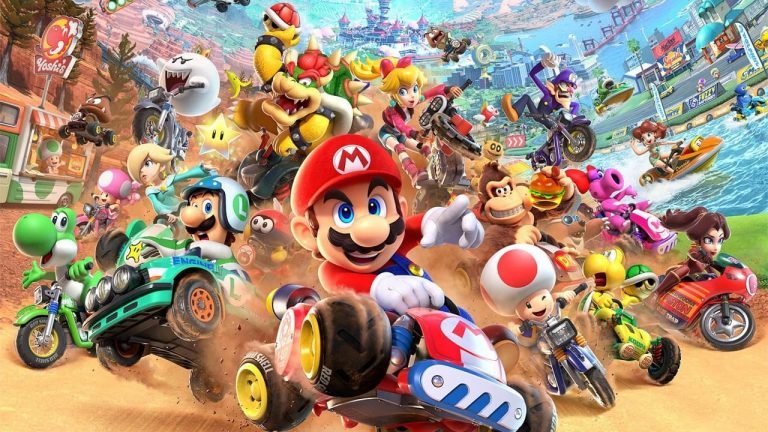
The revelation that ‘Mario Kart World,’ a highly anticipated exclusive from the Nintendo Switch 2, has been demonstrated running on Apple’s macOS and the advanced iPhone 18 Pro is more than just a fleeting headline. It’s a testament to the ingenuity and persistence of individuals operating at the fringes of official development. This breakthrough underscores a fundamental tension: the desire for strict control over intellectual property by creators versus the insatiable curiosity and technical drive of a community eager to explore, modify, and, at times, liberate digital experiences from their intended confines. This particular event not only showcases an impressive feat of reverse engineering but also serves as an early indicator of potential challenges for Nintendo and a fascinating glimpse into the future of cross-platform game emulation.
Such demonstrations inevitably spark broader conversations. Beyond the immediate technical achievement, there are layers of legal, ethical, and practical implications that ripple through the industry. From the perspective of game preservationists, these exploits represent a potential pathway to ensuring beloved titles remain accessible long after official support wanes. Conversely, for developers and publishers, they pose significant intellectual property risks and challenges to their carefully constructed business models. This article delves into the specifics of this groundbreaking emulation, explores the technical nuances involved, and examines the multifaceted impact this development carries for console manufacturers, the thriving nerd community, and the broader gaming landscape as a whole.
The Unforeseen Breakthrough: When a Nerd Pushes Boundaries on Switch 2 Emulation
The gaming world recently buzzed with news of the Nintendo Switch 2’s initial exploit, a development that quickly transitioned from theoretical discussion to tangible demonstration. Just days after the public disclosure of a vulnerability allowing for homebrew execution and system analysis, developer Will Faust showcased the highly anticipated exclusive, ‘Mario Kart World,’ running on macOS and the cutting-edge iPhone 18 Pro. This achievement marks the first significant practical application of the Switch 2’s jailbreak, proving that the console’s security, much like its predecessors, is not impenetrable to dedicated technical exploration.
This demonstration by Faust is a clear signal of the rapid pace at which the independent development community operates. By taking advantage of the recently discovered exploit, which reportedly grants access to run unauthorized software and delve into game mechanics, Faust bypassed Nintendo’s proprietary ecosystem. He leveraged a custom fork of the ‘nxnative’ project, a framework likely tailored for Nintendo Switch emulation, to achieve this cross-platform compatibility. This technical feat not only opens doors for deeper understanding of the Switch 2’s architecture but also fuels the ever-present desire within the tech nerd demographic to push hardware and software limits.
For tech enthusiasts and the gaming community, the ability to run ‘Mario Kart World’ on macOS and iPhone 18 Pro, despite being an unauthorized and experimental endeavor, signifies a rapid and impactful utilization of the newly discovered Switch 2 jailbreak, highlighting the ongoing tension between console security and the drive for technological exploration.
A Tale of Two Platforms: macOS vs. iPhone 18 Pro Performance
The emulation results presented by Will Faust offered a fascinating glimpse into the complexities of cross-platform game execution, particularly highlighting the varying performance across different Apple devices. The initial video showcasing ‘Mario Kart World’ on macOS revealed a significantly unrefined experience. Graphics were severely limited, appearing in stark yellow and black hues, and the game struggled to render certain essential elements, making the experience far from ideal for any player.
In stark contrast, the iPhone 18 Pro demonstration presented a noticeably more advanced state. While initial stuttering was observed, a common occurrence in early emulation projects, the visual fidelity was significantly improved, with colors appearing correctly and many graphical elements loading as intended. This substantial leap in quality compared to the macOS version suggests either more refined optimization efforts for the mobile platform or inherent advantages in the iPhone 18 Pro’s architecture for handling such emulation tasks.
Faust also provided a technical insight into the iPhone’s relatively smooth operation, noting that physical memory usage was surprisingly low due to the implementation of “userspace file-backed memory,” which mimics a swap-like functionality. This detail underscores the sophisticated technical approaches required to port a console exclusive to a mobile device while managing resource constraints effectively, a challenge often relished by the technically inclined nerd.
The Ethical Labyrinth: Ownership, Preservation, and the Nerd Community
While the technical achievement of running ‘Mario Kart World’ on unauthorized hardware is undeniable, it immediately propels the discussion into a complex ethical terrain, a perennial debate within the broader gaming and tech nerd communities. At its core, this situation juxtaposes the rights of intellectual property owners against the spirit of digital exploration and preservation. Nintendo, like any publisher, invests heavily in its exclusive titles and proprietary hardware, relying on these distinctions to drive console sales and maintain its business model. Unauthorized emulation directly challenges this framework.
Developer Will Faust addressed some of these concerns by stating he personally owned the game and performed the dump using the file system exploit. This clarification, often made by those in the emulation scene, aims to mitigate accusations of outright piracy by asserting legal ownership of the original software. However, Faust also firmly stated that he would not be releasing the project’s code, acknowledging the legal and ethical sensitivities surrounding such developments. This decision highlights the fine line many developers walk when showcasing their technical prowess without facilitating widespread, potentially illegal, distribution.
For the preservationist wing of the nerd community, exploits and emulators are crucial tools. They argue that official platforms and storefronts eventually become obsolete, risking the permanent loss of digital history. The ability to run games on new hardware, even unofficially, ensures titles can be experienced by future generations. Yet, this noble goal often clashes with copyright law and industry practices, fostering a nuanced and often heated debate where technical capability meets legal boundaries.
Broader Implications for Nintendo, Players, and the Gaming Nerd Landscape
The emergence of ‘Mario Kart World’ on Apple platforms, even in an experimental state, carries significant implications that extend far beyond a single technical demonstration. For Nintendo, this episode serves as an unequivocal signal. The rapid timeline between a console’s launch (or its theoretical launch, given the future dating of the article) and the appearance of its exclusives on unauthorized hardware underscores an enduring challenge for all console manufacturers: maintaining security in an increasingly sophisticated hacking landscape. It’s highly probable that Nintendo will be closely monitoring these developments, likely initiating increased scrutiny and reinforcement of future hardware and software protections to safeguard its valuable intellectual property.
The incident surrounding ‘Mario Kart World’ running on macOS and iPhone 18 Pro highlights the ongoing, complex interplay between technical innovation and commercial interests in the gaming sector, signaling potential future challenges for console manufacturers and sparking ethical discussions within the enthusiast community.
Nintendo’s New Challenge
Historically, Nintendo has been rigorously protective of its intellectual property and console ecosystems. This latest exploit, quickly followed by a demonstration of an exclusive title on competing platforms, puts immense pressure on the company. The fight against unauthorized emulation and piracy is a constant battle, and this event suggests the window of vulnerability for new consoles might be shrinking. Nintendo’s response, though not yet official, will likely involve a renewed focus on hardware and software security, potentially impacting design choices for future iterations and updates.
The core business model of console exclusivity is built on the premise that certain games are only available on specific hardware, driving sales and ecosystem engagement. When that exclusivity is challenged so early in a console’s lifecycle, it necessitates a strategic re-evaluation of security measures and enforcement tactics. This places Nintendo at a critical juncture, balancing innovation with the need to protect its assets from the relentless efforts of determined hackers and the curious nerd community.
The Player’s Perspective: A Mixed Bag
For the average player and the dedicated gaming nerd, the impact of such news is often a mixed bag of emotions. On one hand, there’s an undeniable excitement about witnessing groundbreaking technical feats. The curiosity to see how a high-profile game performs outside its native environment is a powerful draw, tapping into the inherent desire for exploration and understanding. Many view these exploits as a form of digital archaeology, ensuring games can be preserved and potentially enjoyed in new ways decades down the line.
On the other hand, the conversation inevitably circles back to ethical considerations. The discussions around copyright infringement, the financial implications for developers, and the responsible use of these tools are intense and often divisive within fan communities. While some embrace the idea of open systems and homebrew, others staunchly defend the rights of creators and the established order of the industry. This duality of excitement and apprehension defines much of the fan response to such developments.
Market Resonance: A Message to Manufacturers
The rapid appearance of an exploit and subsequent emulation demonstration sends a clear message across the entire console manufacturing industry. It underscores the accelerating pace of technological advancement not only in hardware and software development but also in the realm of reverse engineering and security circumvention. The distance between a console’s launch and the discovery of its first significant vulnerabilities appears to be shortening, putting immense pressure on companies to implement more robust and adaptable security protocols from the outset.
This trend will likely lead to even greater investments in cybersecurity for future gaming platforms, influencing everything from processor design to operating system architecture. The competition isn’t just about graphics and processing power; it’s also about creating an impregnable fortress for exclusive content. The ‘Mario Kart World’ incident on Apple devices serves as a stark reminder that the battle for digital security is continuous, demanding constant innovation and vigilance from all stakeholders in the gaming market, affecting the entire supply chain and the ultimate experience for the end-user nerd.
What the Future Holds for the Gaming Nerd Ecosystem
The emulation of ‘Mario Kart World’ on macOS and iPhone 18 Pro represents more than just a momentary triumph for a single developer; it’s a significant marker in the ongoing evolution of the gaming and tech landscape. This event underscores a persistent trend where dedicated individuals and communities continually push the boundaries of what’s technically possible, often challenging established norms and proprietary ecosystems. For the discerning nerd, this relentless pursuit of knowledge and control over technology is a core ethos, driving innovation even in unofficial capacities.
Looking ahead, this incident will undoubtedly contribute to the sophistication of both console security and emulation technology. Manufacturers like Nintendo will likely redouble their efforts to create more secure systems, potentially leading to more complex encryption, advanced anti-tampering measures, and swift responses to discovered vulnerabilities. Conversely, the emulation scene, fueled by projects like ‘nxnative’ and the dedication of developers like Will Faust, will continue to evolve, finding new ways to understand and interact with console hardware and software. This dynamic tension ensures a continuous cycle of challenge and response, shaping the future of digital entertainment and the ongoing dialogue between creators and the tech-savvy public.
Frequently Asked Questions for the Gaming Nerd
Here are some common questions surrounding the ‘Mario Kart World’ emulation on Apple devices, providing essential context for the curious:
- What is the Nintendo Switch 2 jailbreak?
The Nintendo Switch 2 jailbreak refers to the discovery of an exploit that allows unauthorized software, known as homebrew, to run on the console. This breach typically grants users deeper access to the system’s files and functionalities, bypassing standard security measures. It’s a critical development for those interested in console modification, digital preservation, and understanding how games and systems operate at a fundamental level, often spearheaded by dedicated members of the nerd community.
- Who is Will Faust?
Will Faust is the developer credited with publicly demonstrating ‘Mario Kart World,’ a Nintendo Switch 2 exclusive, running on Apple’s macOS and iPhone 18 Pro following the console’s recent jailbreak. Faust utilized a fork of the ‘nxnative’ project and claimed to have legally dumped his own copy of the game, showcasing a significant technical achievement in the realm of console emulation and cross-platform software execution.
- Is ‘Mario Kart World’ officially coming to Apple devices?
No, ‘Mario Kart World’ is not officially coming to Apple devices. The demonstration by Will Faust is an unauthorized emulation achieved through a console jailbreak, not an official port or release by Nintendo. Nintendo retains exclusive rights to its titles and typically only releases them on its own console platforms. This specific instance is a technical showcase of what’s possible, rather than an indication of future commercial availability, a key distinction for the informed nerd.
- What does ‘nxnative fork’ mean?
An ‘nxnative fork’ refers to a modified version of a project or codebase related to ‘nxnative,’ which is likely a framework or emulator designed for Nintendo Switch systems. In software development, ‘forking’ means taking a copy of an existing project’s source code to develop it independently. Will Faust using a ‘private nxnative fork’ suggests he customized an existing emulation base to specifically get ‘Mario Kart World’ running on macOS and iPhone 18 Pro, optimizing it for his experimental setup.
- Why are there performance differences between macOS and iPhone 18 Pro versions?
The performance differences between the macOS and iPhone 18 Pro versions of the ‘Mario Kart World’ emulation can be attributed to several factors. These include varying optimization efforts for each platform, the inherent architectural differences between desktop and mobile operating systems, and the specific hardware capabilities of each device. The iPhone 18 Pro, being a more recent and highly optimized mobile platform with potentially more refined graphics processing for specific workloads, appeared to handle the emulation with greater visual fidelity and fewer graphical glitches than the macOS attempt.
- Will I be able to download this emulator?
No, the developer Will Faust has explicitly stated that he will not be releasing the code for his project anywhere. Furthermore, there are currently no publicly available emulators for the Nintendo Switch 2. The known cases, including Faust’s demonstration, are individual, highly experimental projects in their very early stages. Therefore, while the technical feat is impressive, it does not translate into an accessible or downloadable emulator for the general public, a point of patience for many a tech nerd.
- What is the significance for Nintendo?
For Nintendo, this exploit and subsequent emulation demonstration represent a significant warning sign regarding the security of its new console. It highlights the vulnerability of its proprietary system to reverse engineering and unauthorized software. This will likely compel Nintendo to enhance its console security measures, potentially affecting future hardware revisions, software updates, and its ongoing legal battle against unauthorized use of its intellectual property. It’s a direct challenge to their controlled ecosystem.
- How does this relate to game preservation?
The emulation of ‘Mario Kart World’ on alternative platforms contributes to the broader discussion of game preservation by demonstrating methods to make games playable beyond their original console’s lifespan. As consoles become obsolete and digital storefronts close, official access to older titles can disappear. Emulation, though legally contentious, offers a pathway for keeping these games accessible for future generations, ensuring that cultural artifacts of gaming history are not lost. This aspect resonates strongly with many in the archiving-focused nerd community.
- What are the ethical considerations for nerd users?
For the ‘nerd’ community, the ethical considerations involve a complex balance between technological curiosity, digital rights, and legal boundaries. While the pursuit of knowledge and system understanding is highly valued, it often intersects with copyright law and the financial interests of game developers. Debates typically arise around whether personal ownership of a game justifies its unauthorized emulation, the impact on developers, and the responsible sharing (or not sharing) of exploit tools. Each individual or group navigates these nuanced ethical dilemmas differently.
- What is the iPhone 18 Pro?
The iPhone 18 Pro, as referenced in the article dated October 26, 2028, is understood to be a future model of Apple’s flagship smartphone. While specific details about its capabilities in the present timeline are speculative, within the context of the news, it represents the latest iteration of Apple’s high-performance mobile devices, demonstrating the rapid advancement of mobile computing power that makes complex tasks like console emulation increasingly feasible. Its mention signifies a cutting-edge device at the time of the reported event.












Post Comment