GTA 6 Map Size: Unprecedented Scale & Immersion Revealed
Few announcements in the world of Games ignite as much fervor as a new Grand Theft Auto title. For over a decade, fans have eagerly awaited the next installment, imagining what colossal leaps Rockstar Games would make in storytelling, graphical fidelity, and, crucially, open-world design. After the astronomical success of GTA 5 in 2013, the bar for its successor has been set impossibly high. Yet, recent revelations suggest that GTA 6 is not merely aiming to meet expectations but to shatter them, particularly concerning the sheer scale and intricate detail of its digital landscape.
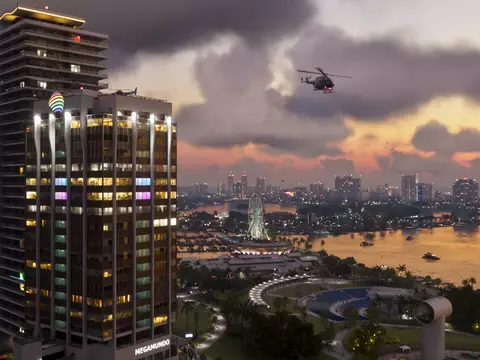
The mere mention of Vice City brings a wave of nostalgia to long-time players, conjuring images of neon-soaked streets and a vibrant, albeit dangerous, 1980s aesthetic. Now, this iconic setting is returning, but on a scale previously unimaginable. This isn’t just a bigger map; it’s a testament to Rockstar’s ambition, pushing the boundaries of what open-world experiences can offer. The confluence of vast playable areas and an unprecedented level of environmental and character realism promises a gaming experience that transcends mere entertainment, solidifying GTA 6’s position as a landmark release for a generation of Games.
The impending release in late 2026 for next-generation consoles marks a pivotal moment, not just for the franchise but for the entire industry. As technology evolves, so too does the capacity for developers to craft worlds that feel truly alive, boundless, and responsive to player actions. The details emerging about GTA 6’s map size and its intricate NPC systems suggest a game that is not just a compilation of previous successes but a bold new chapter, engineered to captivate players with its sheer scope and an almost obsessive commitment to authenticity.
The Dawn of a New Era in Open-World Games: GTA 6’s Colossal Map
The anticipation surrounding Grand Theft Auto 6 reached a fever pitch with recent reports confirming the extraordinary scale of its in-game world. According to a special feature in Edge magazine, later corroborated by GamesRadar+, the playable area of GTA 6 is projected to be nearly as vast as the combined territories of GTA 4, GTA 5, and Red Dead Redemption 2. This monumental expansion signals a significant departure, even for Rockstar, known for crafting some of the most expansive and detailed digital landscapes in the history of Games.
The core of this new world is Leonida, a fictionalized version of Florida that will encompass the legendary Vice City and its expansive surrounding regions. While GTA 5’s Los Santos and Blaine County were already considered sprawling, the new map is expected to be approximately double its size. This isn’t merely about square mileage; it’s about the density and variety of environments players will traverse, from urban sprawls to untamed wilderness, each meticulously designed to offer unique challenges and immersive experiences. Such a vast environment demands advanced technological infrastructure and creative vision to ensure that every corner feels purposeful and alive, rather than simply empty space.
This ambitious scale directly reflects Rockstar’s ongoing commitment to pushing the envelope in open-world game design. By combining the best elements of its most successful titles—the dense urbanity of GTA 4, the diverse landscape of GTA 5, and the sprawling natural beauty of Red Dead Redemption 2—GTA 6 aims to create a cohesive, dynamic, and unprecedented play space. The implications for exploration, mission design, and emergent gameplay are immense, promising a living, breathing world that reacts to the player in novel and exciting ways.
The confirmed scale of GTA 6’s map, encompassing the territory of Leonida and Vice City, is set to be nearly as large as the combined playable areas of GTA 4, GTA 5, and Red Dead Redemption 2. This signifies a doubling of GTA 5’s map size, promising an unparalleled open-world experience for players.
A Legacy of Expansive Digital Worlds: Rockstar’s Evolution
Rockstar Games has a storied history of defining and redefining the open-world genre. From the groundbreaking three-dimensional freedom of Grand Theft Auto III, which revolutionized how players interacted with digital cities, to the sprawling, interconnected states of Red Dead Redemption 2, each title has pushed boundaries. GTA: Vice City captivated with its unique 80s aesthetic and vibrant atmosphere, while GTA: San Andreas offered an entire state with diverse biomes, paving the way for more complex environments.
The evolution continued with the gritty realism of Liberty City in GTA 4 and the dual urban-rural sprawl of Los Santos and Blaine County in GTA 5. These games consistently set new standards for environmental storytelling, player freedom, and the sheer volume of content available within a single game world. The ambition behind GTA 6’s map size, therefore, is not an anomaly but a logical, albeit audacious, progression of a design philosophy that has consistently aimed to create the most immersive and expansive digital playgrounds possible.
Beyond Scale: Immersion Through Unparalleled NPC Detail in GTA 6
While the sheer size of GTA 6’s map is a monumental achievement, Rockstar’s vision for immersion extends far beyond geographical scale. The game is slated to feature an astounding 600,000 unique animations for non-playable characters (NPCs), a figure that effectively doubles the already impressive detail seen in Red Dead Redemption 2. This commitment to granular detail suggests an unprecedented level of realism and interactivity within the bustling world of Leonida and Vice City, setting a new benchmark for character behavior in Games.
A dedicated team based in Los Angeles has been meticulously crafting these NPCs, imbuing each one with distinct characteristics. These include varied temperaments and aggression levels, ensuring that every interaction feels unique and organic. More than just cosmetic differences, these NPCs will exhibit dynamic reactions influenced by a multitude of factors: their current location, the specific situations they witness, and, crucially, the player’s own behavior. This means a pedestrian’s response to a loud noise or a criminal act could vary wildly depending on their personality, the environment’s context, and how the player is perceived at that moment.
This intricate system of NPC behavior and animation is designed to create a truly believable and reactive world. Instead of generic, repetitive reactions, players will encounter a world that feels genuinely alive, where their actions have discernible and varied consequences on the digital populace. Such depth contributes significantly to the overall narrative and gameplay experience, allowing for emergent scenarios that enhance replayability and foster a deeper connection to the game’s setting and its inhabitants.
GTA 6 will elevate immersion with approximately 600,000 unique animations for NPCs, doubling Red Dead Redemption 2’s count. A dedicated team ensures NPCs have distinct temperaments and aggression levels, with reactions dynamically varying based on location, witnessed situations, and player behavior.
The Art of Digital Life: NPC Evolution in Grand Theft Auto
The journey of NPCs in the Grand Theft Auto series reflects the broader evolution of AI in Games. From the relatively simple, repetitive patterns of early 3D GTA titles to the more complex routines and interactions observed in GTA 5, Rockstar has consistently pushed for more believable digital inhabitants. Red Dead Redemption 2, in particular, was lauded for its highly detailed and interactive NPCs, who remembered player actions and reacted with nuanced expressions and dialogues, significantly deepening player immersion in its vast frontier.
GTA 6’s promise of 600,000 animations and dynamic reactions is the culmination of this continuous drive. It signifies a move beyond mere aesthetic variety to a state where NPCs contribute actively to the living tapestry of the game world, making each encounter a unique micro-narrative. This focus on individual character and situational responsiveness is crucial for a game aiming to deliver an open world that feels genuinely populated and reactive, rather than a mere backdrop for player actions.
Vice City Reimagined: The Setting and Narrative Core of GTA 6
Grand Theft Auto 6 takes players to the sun-drenched, yet shadowed, landscapes of Leonida, a sprawling state inspired by Florida, USA. At its heart lies the iconic Vice City, a fictionalized rendition of Miami that holds a revered place in the franchise’s history. Vice City first appeared in the original Grand Theft Auto game and later gained immense popularity as the setting for its own standalone title, Grand Theft Auto: Vice City, released in 2002. This return to a beloved location, now rendered with unprecedented detail and scale, is a powerful draw for both veteran fans and newcomers to the series.
Beyond its vibrant setting, GTA 6 introduces a compelling narrative driven by two protagonists: Lucia and Jason. Portrayed as a modern-day Bonnie and Clyde, this criminal couple shares a tumultuous history, embarking on a series of daring escapades within Vice City’s underworld. This dual-protagonist approach, reminiscent of GTA 5 but with a distinct romantic and criminal partnership dynamic, promises a deeper, more intertwined narrative experience, exploring themes of loyalty, ambition, and survival in the face of relentless odds.
The choice of Vice City as the backdrop for Lucia and Jason’s story is particularly poignant. Its aesthetic, its criminal underbelly, and its unique cultural melting pot provide a rich canvas for their adventures. The contrast between the city’s glamorous facade and its darker realities creates a fertile ground for the kind of satirical social commentary and high-stakes criminal drama that the Grand Theft Auto series is renowned for, making their journey through this reimagined metropolis a central and captivating element of the game.
GTA 6 is set in Leonida, a Florida-inspired state featuring the return of the iconic Vice City, first seen in 2002’s GTA Vice City. The narrative centers on Lucia and Jason, a criminal couple likened to Bonnie and Clyde, as they navigate the city’s underworld, promising a compelling and intertwined story.
A Modern Bonnie and Clyde: The Narrative Promise
The decision to feature two protagonists, Lucia and Jason, as a criminal couple, injects a fresh narrative dynamic into the GTA franchise. Unlike the disparate narratives of GTA 5’s three protagonists, the Bonnie and Clyde archetype suggests a more intimate and interdependent story. This approach allows for explorations of trust, betrayal, and shared ambition within a criminal enterprise, potentially offering a more emotionally resonant storyline.
Such a narrative choice provides rich opportunities for gameplay mechanics, perhaps involving cooperative missions or contrasting perspectives on heists and confrontations. The complex relationship between Lucia and Jason, against the backdrop of Vice City’s criminal hierarchy, promises to deliver a compelling character-driven plot, building on the series’ strengths in engaging storytelling while venturing into new emotional territory.
Anticipated Innovations and Industry Impact in the World of Games
Grand Theft Auto 6 arrives at a pivotal moment for the Games industry. Its release on November 19, 2026, for PlayStation 5 and Xbox Series X/S, marks the first new GTA title in thirteen years, following the monumental impact of GTA 5. This lengthy development cycle, coupled with Rockstar’s reputation for meticulous craftsmanship, has fueled expectations that GTA 6 will not only push technical boundaries but also redefine what players expect from open-world experiences and interactive storytelling. The franchise’s consistent commercial and critical success positions GTA 6 as a potential industry trendsetter for years to come.
The sheer scale of its map, combined with the groundbreaking fidelity of its NPC interactions, suggests a new paradigm for immersion. Developers across the industry will undoubtedly scrutinize GTA 6’s innovations in generative AI, environmental detail, and player agency. This kind of influence extends beyond gameplay mechanics, potentially impacting hardware sales, platform strategies, and even the very business models of the global Games market. As one of the most successful franchises in video game history, GTA 6’s launch is more than just a game release; it’s a cultural event with far-reaching implications.
The arrival of GTA 6 after a 13-year hiatus is set to significantly impact the Games industry. Releasing on November 19, 2026, for PS5 and Xbox Series X/S, its massive map and detailed NPCs are expected to set new standards for open-world immersion, influencing future game development and market trends across the highly successful franchise.
| Game Title | Estimated Map Size (Relative) | Key Open-World Feature | NPC Complexity | Release Year |
|---|---|---|---|---|
| Grand Theft Auto IV | Compact, dense urbanity | Gritty, realistic Liberty City atmosphere | Early AI, basic routines | 2008 |
| Grand Theft Auto V | Diverse (Los Santos & Blaine County) | Vibrant, satirical Los Santos; expansive rural areas | Improved AI, daily routines, varied reactions | 2013 |
| Red Dead Redemption 2 | Vast, interconnected frontier | Living, breathing wild west; dynamic ecosystems | Highly detailed, interactive; memory of player actions | 2018 |
| Grand Theft Auto VI | Massive (approx. 2x GTA 5; > GTA 4 + GTA 5 + RDR2 combined) | Expansive Leonida, ultra-realistic Vice City; dynamic weather | 600k animations, distinct temperaments, dynamic reactions | 2026 |
The Road Ahead: Future Trends and Expectations in Open-World Gaming
Grand Theft Auto 6 is poised to be more than just another entry in a beloved series; it represents a potential inflection point for the entire open-world Games genre. With its unprecedented map scale and commitment to hyper-detailed, reactive NPCs, Rockstar is pushing the boundaries of what is technically feasible and creatively imagined. This game is likely to set new industry standards, influencing how future titles approach world-building, player immersion, and the integration of advanced artificial intelligence.
The advent of next-generation consoles like the PlayStation 5 and Xbox Series X/S is crucial for enabling such ambitious projects. Their enhanced processing power, faster storage, and advanced graphics capabilities are essential for rendering vast, highly detailed environments without compromising performance. GTA 6 will serve as a showcase for these technologies, demonstrating their capacity to deliver experiences that blur the lines between virtual and reality, driving innovation across the wider development community as they strive to match or exceed Rockstar’s benchmarks.
Looking forward, the trends set by GTA 6 are likely to include an even greater emphasis on emergent storytelling through dynamic world systems, a deeper integration of player choices into the fabric of the game world, and perhaps even more sophisticated procedural generation techniques to ensure that even the largest maps feel unique and handcrafted. This title is not just building on past successes; it’s charting a course for the future of interactive entertainment, promising a richer, more engaging, and incredibly expansive future for open-world Games.
FAQ about GTA 6 and its Expansive World
-
How large is the GTA 6 map compared to previous Grand Theft Auto titles?
The GTA 6 map, encompassing the state of Leonida and the iconic Vice City, is reported to be nearly as vast as the combined playable areas of Grand Theft Auto IV, Grand Theft Auto V, and Red Dead Redemption 2. Specifically, it is estimated to be approximately double the size of the GTA 5 map. This signifies Rockstar’s most ambitious open-world creation to date, promising an unparalleled sense of scale and diverse environments for players to explore. The size is designed not just for vastness but for depth and detail, ensuring every corner contributes to the immersive experience.
-
What new features are expected for NPCs in GTA 6?
GTA 6 will feature groundbreaking advancements in NPC behavior and detail. The game is said to include around 600,000 unique animations for non-playable characters, which is twice the number found in Red Dead Redemption 2. These NPCs will have distinct characteristics, such as varying temperaments and aggression levels. Furthermore, their reactions will be dynamic, adapting to their current location, the situations they witness, and the player’s own actions and behavior, creating a significantly more realistic and responsive digital populace.
-
When is GTA 6 scheduled for release and on which platforms?
Grand Theft Auto 6 is officially scheduled for release on November 19, 2026. Initially, the game will be available on current-generation console platforms: PlayStation 5 and Xbox Series X/S. A PC release, while highly anticipated by the Games community, has not been confirmed for the initial launch window, following Rockstar’s historical pattern of staggered releases for its flagship titles.
-
Where is the primary setting for Grand Theft Auto 6?
The primary setting for Grand Theft Auto 6 is the fictional state of Leonida, which is heavily inspired by Florida, USA. Within Leonida, players will find the reimagined Vice City, a highly anticipated return to the iconic location that first appeared in the original Grand Theft Auto and gained significant fame with Grand Theft Auto: Vice City in 2002. This updated setting promises a blend of nostalgic elements with modern graphical fidelity and expansive environmental detail.
-
Who are the protagonists of GTA 6?
Grand Theft Auto 6 features two main protagonists: Lucia and Jason. Their narrative is presented as a modern take on the classic Bonnie and Clyde dynamic, portraying a criminal couple with a shared history navigating the dangerous underworld of Vice City. This dual-protagonist approach allows for a complex and intertwined storyline, exploring their relationship, motivations, and journey through a life of crime.
-
How does GTA 6’s map size compare to Red Dead Redemption 2?
While Red Dead Redemption 2 featured a vast and incredibly detailed open-world map, GTA 6’s map is projected to be significantly larger. Reports indicate that the new map will be nearly as large as the combined playable areas of GTA 4, GTA 5, and Red Dead Redemption 2. This implies a scale that far surpasses RDR2’s expansive frontier, offering an even greater scope for exploration and environmental diversity within the fictional state of Leonida.
As the curtains slowly rise on Grand Theft Auto 6, the details emerging paint a picture of a game poised to redefine the open-world genre. The sheer audacity of its map size, combining the vastness of three previous flagship titles, coupled with an unprecedented commitment to lifelike NPC interactions, suggests a masterpiece in the making. This isn’t just a bigger game; it’s a testament to Rockstar’s relentless pursuit of immersion, a digital universe crafted with meticulous care to draw players into an experience unlike any other.
For fans of the Games series and newcomers alike, the return to Vice City within the expansive state of Leonida promises a journey filled with high-stakes crime, compelling characters in Lucia and Jason, and a world that truly feels alive. As we count down to November 19, 2026, the anticipation continues to build for what is undeniably one of the most significant releases in recent memory, a game that will undoubtedly leave an indelible mark on the landscape of interactive entertainment and set new benchmarks for years to come.











Post Comment