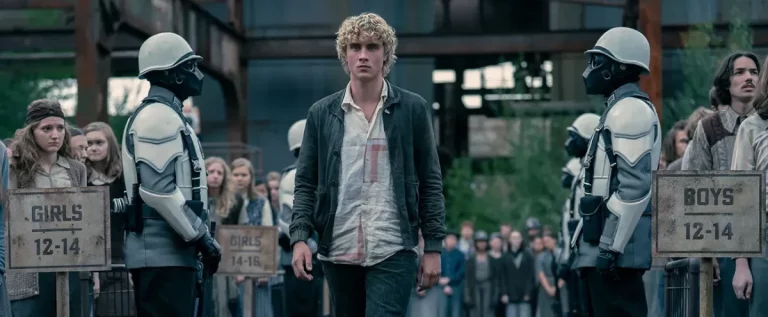
Is Haymitch’s Origin Story the Best Hunger Games Yet for Nerds?
In the vast, intricate tapestry of cinematic universes, few sagas have captured the global imagination quite like The Hunger Games. From the desolate districts of Panem to the opulent Capitol, its narrative has explored themes of survival, rebellion, and systemic injustice with unflinching intensity. Now, on the cusp of another major theatrical release, the franchise faces its next pivotal moment: the debut of The Hunger Games: Dawn of the Harvest.
Scheduled for a cinematic release on November 20th, this new chapter has already ignited fervent discussion across social media, spurred by overwhelmingly positive early reactions from its global premiere in London on October 28th. The initial sentiment suggests something truly special is on the horizon, a film potentially poised to elevate the entire series. For dedicated followers and newcomers alike, the question looms large: could Dawn of the Harvest, with its focus on the iconic Haymitch Abernathy, truly be hailed as the most impactful entry yet? This comprehensive exploration delves into the early critical praise, the narrative’s inherent potential, and the broader implications for the future of Panem’s enduring legacy.
This isn’t merely another addition to a beloved franchise; it’s a strategic expansion aiming to deepen the lore and explore foundational characters. With a narrative set decades before Katniss Everdeen first stepped into the arena, Dawn of the Harvest offers a unique perspective, promising both raw brutality and profound character insight. The early reviews are not just positive; they’re rapturous, specifically highlighting performances and thematic depth that resonate deeply with the core essence of what makes The Hunger Games so compelling. Understanding this reception requires a closer look at the film’s protagonist, its intricate plot, and the creative vision guiding this ambitious new endeavor.
Early Buzz: Why Nerd Audiences Are Hyped for Joseph Zada’s Haymitch
The global premiere of The Hunger Games: Dawn of the Harvest has ignited an unparalleled wave of excitement, particularly among dedicated Nerd communities and film critics. At the core of this fervor is Joseph Zada’s portrayal of a young Haymitch Abernathy, a character previously immortalized by Woody Harrelson. This isn’t just a supporting role; Zada’s performance is being lauded as the cornerstone of the film, suggesting a depth and intensity that has captivated early viewers.
Critics like Matt Neglia have been quick to highlight the sheer weight of Zada’s interpretation, noting his exceptional delivery in a role that demands significant emotional and psychological complexity. This kind of nuanced performance is precisely what a Nerd audience, attuned to character development and fidelity to established lore, seeks in a prequel focusing on such a pivotal figure. Griffin Schiller went even further, proclaiming Zada a revelation, deeply impacted by an acting prowess that seemingly transcends expectations.
These initial reactions aren’t just positive; they are drawing direct comparisons to the franchise’s best. The sentiment echoed by accounts such as The Nerds of Color is unambiguous, with some daring to label Zada’s performance, and indeed the film itself, as the best of the entire series. This audacious claim, especially given the franchise’s established history, underscores the powerful impact Dawn of the Harvest is already making.
What truly sets this excitement apart is how it validates the creative risks taken. Focusing on Haymitch’s harrowing journey through the 50th Hunger Games provides a fresh, yet familiar, lens through which to explore Panem’s darkest traditions. This narrative choice, coupled with a performance described as “brutal” and deeply faithful to the literary source, speaks directly to the desires of a dedicated fanbase for rich, authentic storytelling.
For those anticipating a true deep dive into Panem’s history, Joseph Zada’s portrayal of young Haymitch Abernathy in The Hunger Games: Dawn of the Harvest is emerging as the undisputed highlight, generating significant critical acclaim for its demanding performance and intense fidelity to the character’s legacy.
Thematic Depth and Narrative Brutality
Beyond individual performances, Dawn of the Harvest is praised for its unflinching approach to the thematic brutality inherent in the Hunger Games. Gavin Spoors commended the ensemble cast and the film’s adept handling of its core themes, describing it as "almost a perfect Hunger Games movie, and more brutal than you imagine." This indicates a commitment to the grim realities of the Games, which has always been a cornerstone of the franchise’s appeal to an audience that values realism in storytelling.
The film’s capacity to surprise viewers with its intensity, even those familiar with the source material, speaks volumes about its narrative power. For a prequel focusing on a character forged in the crucible of the arena, portraying this brutality authentically is not just a stylistic choice but a narrative necessity. It provides the crucial context for Haymitch’s later cynicism and wisdom.
Literary Fidelity: A Reader’s Delight
Crucially, Dawn of the Harvest is also resonating strongly with those intimately familiar with the original books. Amelia Knust assured readers that they "will not be disappointed," particularly highlighting the film’s impactful conclusion. The profile Tayyib echoed this sentiment, praising the movie as a "faithful reflection of the literary work." This level of fidelity is paramount for a franchise with such a devoted literary following, ensuring that the cinematic adaptation honors the intricate details and emotional resonance of Suzanne Collins’ world.
Maintaining this balance between adaptation and innovation is a delicate act. By earning the approval of book readers, the film solidifies its standing as a respectful and enriching expansion of the universe, rather than a mere cash-in. This literary authenticity fosters trust and deeper engagement from the audience, validating their long-standing investment in the narrative.
Comparing ‘Dawn of the Harvest’ to Previous Hunger Games Installments
When considering where The Hunger Games: Dawn of the Harvest might stand in the pantheon of the franchise, initial reactions suggest it could challenge established favorites. The source material highlights comparisons directly to The Hunger Games: The Ballad of Songbirds & Snakes, another prequel directed by Francis Lawrence, indicating a continuity in creative vision but a distinct narrative focus.
The strength of Dawn of the Harvest, according to early critics, lies in its protagonist’s compelling performance and the raw exploration of themes. While The Ballad of Songbirds & Snakes delved into the origins of President Snow and the nascent stages of the Games, Dawn of the Harvest zeroes in on a pivotal event: the 50th Hunger Games, providing an intimate look at the trauma that shaped a future mentor. This shift in focus offers a different kind of narrative depth.
| Aspecto | Dawn of the Harvest (Early Reactions) | The Ballad of Songbirds & Snakes | Original Trilogy (General) |
|---|---|---|---|
| Protagonist Focus | Young Haymitch Abernathy (Joseph Zada) | Young Coriolanus Snow (Tom Blyth), Lucy Gray Baird (Rachel Zegler) | Katniss Everdeen (Jennifer Lawrence) |
| Narrative Event | 50th Hunger Games (Haymitch’s victory) | 10th Hunger Games (origins of Snow & Games) | 74th & 75th Hunger Games (Katniss’s journey) |
| Critical Highlight | Joseph Zada’s "revelation" performance, brutal themes | Character development, world-building | Jennifer Lawrence’s performance, action, social commentary |
| Franchise Impact | Potential best installment, revitalizes interest | Expands lore, provides context for Snow | Established the global phenomenon |
| Director | Francis Lawrence | Francis Lawrence | Gary Ross (1st), Francis Lawrence (2nd-4th) |
The table illustrates how Dawn of the Harvest distinguishes itself by focusing on a known character’s formative, brutal experience. This approach provides a unique flavor compared to the broader historical context of Ballad of Songbirds & Snakes or the revolutionary arc of the original trilogy. The critical consensus suggests this specific focus, coupled with powerful acting, might grant it an edge in terms of immediate emotional impact and perceived narrative excellence.
In comparing it to its predecessors, particularly within the prequel space, The Hunger Games: Dawn of the Harvest distinguishes itself through its specific focus on Haymitch’s origin story, offering a unique blend of character-driven drama and unsparing thematic depth that has garnered early critical acclaim for potentially surpassing previous installments.
Benefits for the Franchise: Sustaining Relevance Beyond Katniss
The success of Dawn of the Harvest carries significant benefits for the entire Hunger Games franchise. Primarily, it demonstrates the saga’s ability to remain highly relevant and compelling even without Jennifer Lawrence’s Katniss Everdeen at its center. This expansion proves that the universe is rich enough to support diverse narratives, characters, and timelines, fostering longevity.
A well-received prequel, especially one that delves into the origins of beloved characters like Haymitch, enriches the existing lore, providing deeper context and emotional weight to the original films. It encourages re-engagement with the entire series, as audiences seek to understand the full arc of characters and events. This strategic move by Lionsgate opens pathways for future storytelling, whether through additional prequels, spin-offs, or explorations of other districts and victors, ensuring the continuous evolution of Panem’s complex history.
Limitations & Challenges: Navigating Prequel Expectations
While the early reception is overwhelmingly positive, any prequel or franchise extension inherently faces challenges. The primary limitation is managing audience expectations, particularly when portraying an iconic character like Haymitch Abernathy, whose older self is deeply etched in fans’ minds. Striking a balance between honoring the established persona and introducing a fresh, younger version can be precarious.
Another potential hurdle is avoiding what some might call “prequel fatigue.” After years of stories set before the original narrative, there’s a risk that audiences might tire of re-exploring the past, preferring new stories or advancements in the timeline. The film must deliver truly compelling reasons for its existence, ensuring it adds significant value rather than merely recounting known history. However, the strong critical endorsement for Zada’s performance and the film’s brutality suggests it is successfully navigating these challenges.
Common Pitfalls in Franchise Expansion Avoided
Franchise expansions often stumble when they fail to capture the spirit of the original material or introduce elements that contradict established lore. Common errors include miscasting central roles, resorting to superficial storytelling to capitalize on brand recognition, or creating narratives that feel disconnected from the main saga’s core themes. A failure to deliver an authentic experience can alienate loyal fans and prevent new ones from engaging.
By prioritizing a strong central performance and a deeply thematic narrative that resonates with the known brutality of the 50th Hunger Games, Dawn of the Harvest appears to steer clear of these pitfalls. The focus on character-driven intensity and a faithful reflection of the literary source suggests a deliberate effort to maintain the high standards set by previous installments, ensuring a compelling and respectful continuation of the universe.
Best Practices for a Compelling Return to Panem
Dawn of the Harvest exemplifies several best practices for revitalizing and expanding a beloved franchise. Firstly, its decision to focus on a critical, yet previously unexplored, period in an established character’s life (Haymitch’s victory in the 50th Games) provides a fresh perspective while grounding the narrative in familiar lore. This deepens character backstory without rehashing existing plots.
Secondly, investing in powerful performances, as evidenced by the widespread praise for Joseph Zada, is crucial. A strong lead can carry the emotional weight of a complex story, making it resonate with audiences. Finally, maintaining fidelity to the source material’s tone and thematic concerns—especially its "brutality" and "faithful reflection" of the books—ensures that the expansion feels authentic and earned, rather than a cynical commercial exercise. These elements collectively contribute to a truly impactful cinematic experience.
Future Trends: The Ever-Expanding Universe of Panem
The overwhelmingly positive reception for The Hunger Games: Dawn of the Harvest signals a promising trend for the future of the franchise. It suggests a viable path forward for expanding the universe through character-centric prequels and spin-offs, rather than solely focusing on the main saga’s timeline. This strategy allows for deeper dives into the lore of Panem, exploring the untold stories of other victors, districts, and pivotal historical events.
Moreover, the enduring interest of fans, recently highlighted by Jennifer Lawrence’s comments on reuniting with Josh Hutcherson, indicates a sustained appetite for anything Hunger Games-related. This sustained fan engagement provides a robust foundation for Lionsgate to continue developing new content. Future trends could see more anthology-style explorations of different Hunger Games editions or character-specific narratives that further contextualize the oppressive regime and the seeds of rebellion. Dawn of the Harvest is not just a film; it’s a blueprint for the franchise’s sustained vitality and creative evolution.
Why ‘Dawn of the Harvest’ is a Must-Watch for Every Dedicated Nerd
For any dedicated Nerd with a passion for intricate world-building, profound character arcs, and high-stakes storytelling, The Hunger Games: Dawn of the Harvest is shaping up to be an absolutely essential cinematic experience. The early, resounding positive critical reception underscores the film’s success in delivering a narrative that is both faithful to its literary roots and powerfully resonant on its own terms.
The central allure lies in Joseph Zada’s transformative portrayal of young Haymitch Abernathy, which has captivated critics and positioned the film as a potential high point in the entire franchise. His performance is described not merely as an acting feat but as a ‘revelation,’ bringing a fresh yet deeply authentic dimension to a character whose cynicism and wisdom have been foundational to the series. This kind of character development, providing crucial backstory to an established icon, is precisely the rich narrative content that a discerning Nerd audience craves.
Furthermore, the film’s commitment to portraying the brutal realities of the 50th Hunger Games with unsparing detail ensures it maintains the gritty, visceral intensity that defines the best of the franchise. It’s a testament to the creative vision of director Francis Lawrence, who, having helmed previous installments, demonstrates a keen understanding of what makes Panem’s stories so compelling. The movie doesn’t shy away from the darkness but uses it to forge a narrative that is both thrilling and emotionally impactful.
Ultimately, Dawn of the Harvest promises to be more than just a prequel; it’s an immersive journey into the origins of a legend, a deep dive into the historical crucible that shaped one of Panem’s most complex figures. Its critical acclaim, particularly for its protagonist’s performance and narrative depth, solidifies its status as a must-see for anyone who appreciates the nuanced storytelling and profound thematic explorations that define the best of science fiction and fantasy. This is a film poised to not only meet but exceed the high expectations of the Nerd community.
For every dedicated fan of deep lore, character origins, and intense storytelling, The Hunger Games: Dawn of the Harvest emerges as an unmissable event, lauded for Joseph Zada’s compelling Haymitch and its unflinching exploration of the 50th Hunger Games, promising to be a highlight for any discerning Nerd.
Frequently Asked Questions About The Hunger Games: Dawn of the Harvest
-
What is The Hunger Games: Dawn of the Harvest about?
The Hunger Games: Dawn of the Harvest is a new installment in the beloved franchise, set to explore the dramatic events of the 50th Hunger Games. This particular edition is significant as it depicts the games that involved Haymitch Abernathy, the eventual mentor to Katniss Everdeen, when he was a young tribute from District 12. The film delves into his harrowing experience in the arena, showcasing the brutal challenges he faced and the formative moments that shaped him into the character audiences know. Early reports highlight its intense narrative and a deep dive into the character’s origins, offering a crucial backstory to an iconic figure.
-
Who plays young Haymitch in the new film?
The role of young Haymitch Abernathy in The Hunger Games: Dawn of the Harvest is played by Joseph Zada. His performance has garnered significant praise following the film’s global premiere in London. Critics have described Zada’s portrayal as exceptionally impactful and even a "revelation," noting his ability to convey the character’s complexity and the demands of the role. This strong central performance is considered one of the primary reasons for the film’s overwhelmingly positive early reception, distinguishing it within the expansive Hunger Games saga.
-
What are the early reactions to Dawn of the Harvest?
The initial reactions to The Hunger Games: Dawn of the Harvest have been overwhelmingly positive. Following its global premiere, social media was abuzz with critical acclaim. Reviewers lauded Joseph Zada’s performance as young Haymitch, with some declaring it the best in the franchise. The film itself is praised for its intense and brutal narrative, which remains faithful to the spirit of the books. Many critics have highlighted its ability to engage and surprise, even seasoned fans, suggesting it delivers a powerful and impactful cinematic experience that could redefine expectations for the series.
-
Who directed The Hunger Games: Dawn of the Harvest?
The Hunger Games: Dawn of the Harvest was directed by Francis Lawrence. He is a familiar and respected name within the franchise, having previously directed The Hunger Games: The Ballad of Songbirds & Snakes, as well as the latter three films of the original quadrilogy (Catching Fire, Mockingjay – Part 1, and Mockingjay – Part 2). His continued involvement ensures a consistent creative vision and a deep understanding of the source material’s tone and thematic depth, contributing to the strong critical reception of this new installment and its perceived narrative fidelity.
-
When is Dawn of the Harvest releasing in cinemas?
The Hunger Games: Dawn of the Harvest is scheduled to premiere in cinemas on November 20th. This release date follows its global premiere event held in London on October 28th, which sparked the initial wave of overwhelmingly positive reactions and critical buzz. Fans eagerly anticipating this new chapter will be able to experience the story of young Haymitch Abernathy and the 50th Hunger Games on the big screen, diving into another brutal yet compelling part of Panem’s history.
-
What other characters are featured in Dawn of the Harvest?
Beyond Joseph Zada as young Haymitch Abernathy, The Hunger Games: Dawn of the Harvest features an ensemble cast. Key names include Mckenna Grace, Whitney Peak, Jesse Plemons, Kelvin Harrison Jr., and Maya Hawke. Additionally, the film reportedly features Elle Fanning as Effie Trinket, Kieran Culkin as Caesar Flickerman, and Ralph Fiennes as President Snow. This diverse cast brings to life the vibrant and often terrifying world of Panem, enriching the narrative of the 50th Hunger Games and providing depth to the events surrounding Haymitch’s pivotal victory.
-
How does Dawn of the Harvest connect to the original Hunger Games trilogy?
The Hunger Games: Dawn of the Harvest serves as a direct prequel to the original trilogy, setting its narrative 24 years before the events of the first film. It specifically chronicles the 50th edition of the Hunger Games, a significant historical event within Panem’s lore. This is the very Games where Haymitch Abernathy emerged as the victor from District 12, an experience that profoundly shaped his cynical yet wise persona seen mentoring Katniss and Peeta. By exploring this pivotal backstory, the film provides crucial context for Haymitch’s character and deepens the understanding of the oppressive system that defined the original saga.
-
Could Dawn of the Harvest truly be considered the best Hunger Games film?
While definitive judgment awaits its general release, early critical reactions strongly suggest that The Hunger Games: Dawn of the Harvest has the potential to be considered among the very best in the franchise. The overwhelming praise for Joseph Zada’s "revelation" as young Haymitch, combined with commendations for the film’s brutal honesty and faithfulness to the books, positions it as a formidable contender. Its ability to surprise and deeply impact critics, even those familiar with previous installments, indicates a compelling narrative that might surpass past entries in emotional depth and thematic power, making a strong case for its top-tier status.













Post Comment