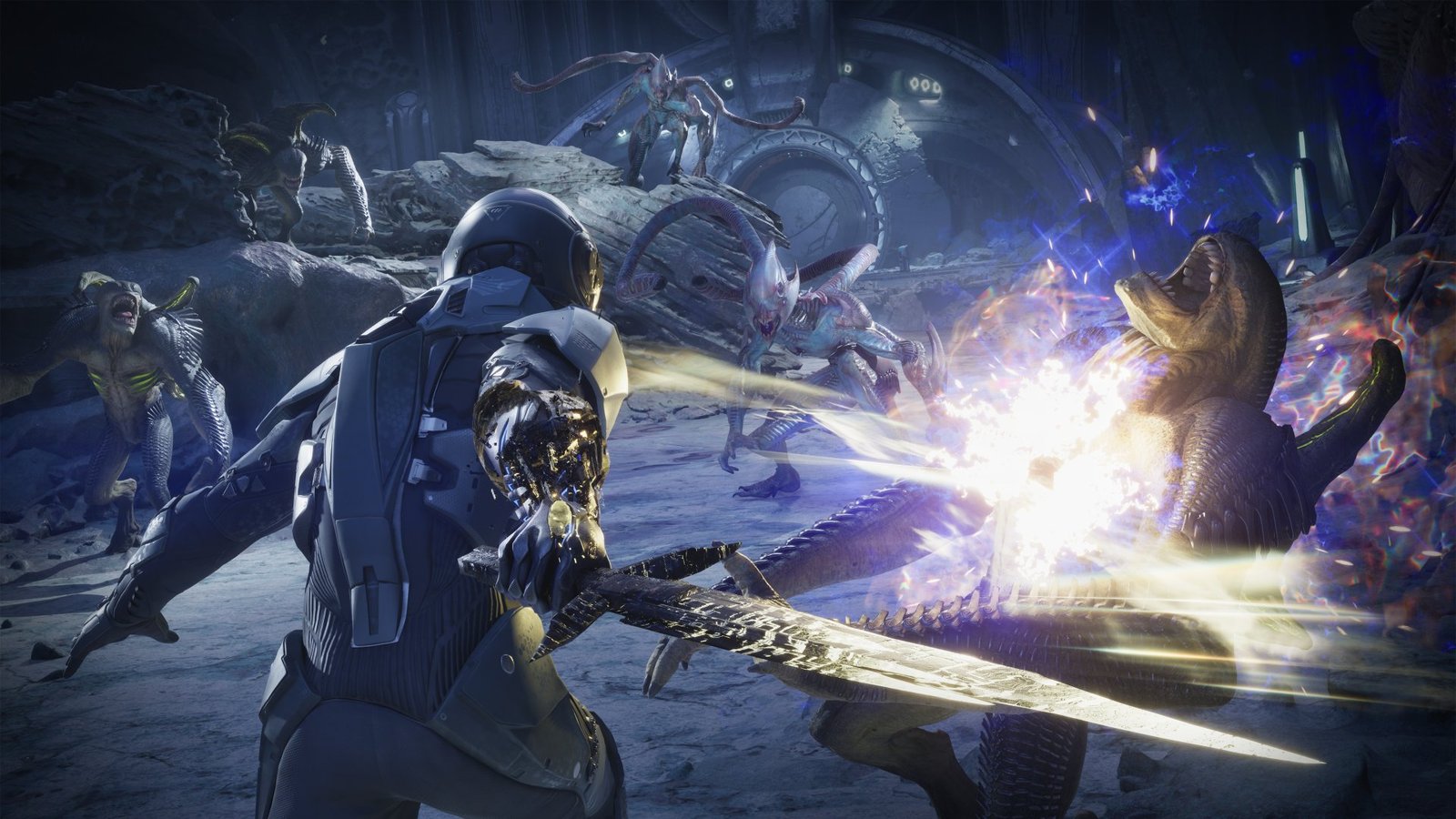
Exodus Gameplay Reveal: A Deep Dive into Next-Gen RPG Worlds
The gaming world is perpetually hungry for new experiences, especially those that promise to push boundaries and redefine genres. In this highly anticipated landscape, Exodus, the ambitious sci-fi role-playing game from Archetype Entertainment, has once again captured the spotlight. Following widespread discussions and a significant visual overhaul of its central character, Jun, the studio has now delivered an extensive 40-minute gameplay video, offering fans their most substantial look yet at what this burgeoning universe has in store. This isn’t just a trailer; it’s a comprehensive narrative and mechanical showcase designed to immerse players in the heart of its unfolding saga.
For fans of expansive narratives and player-driven choices, this reveal provides critical insights. From the intricate details of exploration to the visceral thrill of combat and the nuanced possibilities of stealth, the video paints a vivid picture of a game striving for both depth and player agency. The decision to present such a lengthy segment speaks volumes about Archetype Entertainment’s confidence in its creation and its commitment to transparency with the community. As players worldwide dissect every frame, the anticipation for a new titan in the RPG genre grows, signaling a promising future for complex, story-rich games that truly empower their audience. This reveal is more than just news; it’s a foundational moment for a title aiming to leave an indelible mark on the industry, setting a high bar for immersive storytelling and dynamic gameplay.
The journey of a major new IP is always fraught with challenges and opportunities, and Exodus appears poised to navigate these with a clear vision. The proactive approach to character refinement, driven by player feedback, underscores a development philosophy that values community input—a critical factor in today’s interconnected gaming ecosystem. This gameplay showcase thus serves not only as a demonstration of technical prowess and creative ambition but also as a testament to the evolving relationship between game developers and their dedicated player base. As we delve deeper into the specifics revealed in this extensive footage, it becomes clear that Exodus is meticulously crafted to be more than just another title; it aims to be a landmark experience for discerning fans of intricate lore and impactful gameplay decisions.
Unveiling Exodus: A Deep Dive into Next-Gen Games and its Expansive Gameplay
The recent 40-minute gameplay demonstration of Exodus provides an unprecedented look at Archetype Entertainment’s forthcoming sci-fi epic. This extensive video isn’t merely a montage of highlights; it presents a complete mission, offering a cohesive narrative segment that showcases the core pillars of the game’s design. Viewers are introduced to a world grappling with existential threats, where the fate of entire species often rests on the shoulders of the player.
This particular mission sees the protagonist, Jun, embarking on a critical quest: seeking assistance from Suliman Tenjin to liberate the Kay. This narrative thread immediately establishes a sense of purpose and urgency, laying the groundwork for the moral complexities and strategic decisions that appear to be central to Exodus. The demonstration meticulously unfolds, allowing players to witness how story beats interweave with action sequences, exploration, and character interactions, providing a holistic understanding of the game’s flow.
What stands out in this deep dive is the fluidity between different gameplay styles. The video transitions seamlessly from moments of atmospheric exploration, where players can appreciate the intricate environmental design, to intense combat encounters that highlight the dynamic use of weapons and character abilities. This blend suggests that Exodus is designed to cater to various player preferences, offering different avenues for engagement within its sprawling universe.
Furthermore, the detailed presentation of weapons and character abilities offers a glimpse into the strategic depth of the combat system. Each ability and weapon appears to have a distinct role, encouraging players to think tactically about their loadouts and approaches to encounters. This level of detail in the gameplay reveal is crucial for establishing developer credibility and allowing the audience to gauge the mechanical sophistication of the game well in advance of its release.
For those curious about the specifics of the Exodus gameplay reveal, the 40-minute video showcased a full mission centered on protagonist Jun’s efforts to liberate the Kay people. It features a rich blend of exploration, dynamic action sequences, stealth elements, and a detailed look at the game’s diverse arsenal and character abilities, highlighting the depth of its next-gen RPG mechanics.
Jun’s Redesign: Responding to Player Feedback
A significant aspect preceding this gameplay reveal was the announcement of protagonist Jun’s visual redesign. Initially, early depictions of the character drew criticism and feedback from the gaming community. Archetype Entertainment, demonstrating a commendable responsiveness to its audience, took these critiques to heart and reimagined Jun’s appearance.
This decision is a powerful testament to the evolving nature of game development, where player communities increasingly have a voice in shaping the creative process. The new 40-minute video not only serves to showcase the game’s mechanics but also to prominently display Jun’s updated look, ensuring that players can see the direct impact of their input. This transparency helps foster a stronger bond between the developers and their potential players, building trust and enthusiasm even before launch.
A Glimpse into the Mission: Liberating the Kay
The core of the 40-minute gameplay video revolves around a mission of significant narrative weight: Jun’s quest to assist in the liberation of the Kay. This objective is not merely a pretext for action; it appears to be deeply integrated into the game’s broader lore, hinting at a universe rich with political intrigue and cultural dynamics. The specific mission involves seeking out Suliman Tenjin, suggesting a web of alliances and power struggles that players will need to navigate.
Throughout this mission, the footage highlights distinct gameplay pillars. Moments of exploration allow players to traverse detailed environments, potentially uncovering secrets or resources. Action sequences demonstrate fluid combat, showcasing the efficacy of various weapons and the visual flair of character abilities. Moreover, the inclusion of stealth segments indicates a strategic layer, offering players the choice to engage enemies head-on or bypass confrontations through cunning and tactical positioning, reinforcing the theme of player agency.
The Evolving Landscape of RPG Games: Player Agency and Narrative Choice
In modern role-playing games, the concept of player agency has transcended simple dialogue options; it has become a foundational element shaping the entire experience. Exodus appears to fully embrace this philosophy, making player decisions a central pillar of its design. The 40-minute gameplay video strongly emphasizes that the choices made by the player will directly influence the unfolding narrative, crafting a personalized story that resonates with individual playstyles and moral compasses.
This commitment to player influence extends beyond major plot points, infiltrating the very structure of missions. The demonstration clearly illustrates that objectives within Exodus can be completed in multiple ways. Whether through direct confrontation, subtle infiltration, or diplomatic persuasion, the game encourages creative problem-solving and respects the player’s preferred approach, fostering a sense of true ownership over their journey.
The implications of such design are profound, promising enhanced replayability and a deeper emotional connection to the game’s world and characters. When choices genuinely matter, players become more invested in the consequences, leading to a richer, more memorable experience. This approach aligns with a growing trend in the industry where players seek not just to observe stories, but to actively participate in their creation, making each playthrough unique.
By putting significant power in the hands of the player, Exodus positions itself as a title that prioritizes deep immersion and personalized narratives. This goes beyond superficial choices, suggesting a systemic approach where decisions ripple through the game world, potentially altering character relationships, faction standings, and even the eventual outcome of the overarching conflict. Such a design philosophy is often complex to implement but yields immense rewards in terms of player engagement and critical acclaim.
Exodus significantly emphasizes player agency, allowing decisions to directly influence the narrative and mission outcomes. The game’s 40-minute gameplay video showcased how missions offer multiple completion paths, from direct action to stealth, underscoring Archetype Entertainment’s commitment to delivering a personalized and consequence-driven RPG experience in next-gen games.
Why Player Choice Matters in Modern RPGs
Player choice is no longer a mere feature; it’s a cornerstone for immersive RPGs. When players feel their decisions carry weight, it transforms them from passive observers into active participants in the narrative. This deepens emotional investment, making successes more rewarding and failures more impactful, forging a powerful connection to the game’s world and its inhabitants.
Beyond emotional engagement, meaningful choices significantly enhance replayability. A game where different paths lead to distinct outcomes encourages multiple playthroughs, allowing players to explore alternative narratives, discover hidden content, and experience varied character arcs. This not only extends the longevity of the game but also offers a richer return on investment for the player, justifying the time spent in its universe.
Anticipating Exodus: Release Details and Future Trends in Gaming
The road to a game’s release is often long and filled with anticipation, and for Exodus, the wait continues until its confirmed launch date of April 7, 2027. This timeline positions the game firmly in the next wave of major releases, allowing Archetype Entertainment ample time to refine and polish its ambitious vision. The lengthy development cycle is increasingly common for high-fidelity, story-driven RPGs, reflecting the complexity and scale developers aim to achieve in modern gaming.
Exodus will be available across key platforms, ensuring broad accessibility for a diverse player base. Confirmed versions include PC, PlayStation 5, and Xbox Series X/S. This multi-platform approach is standard for major titles, maximizing reach and allowing players to experience the game on their preferred system, leveraging the capabilities of current-generation hardware for stunning visuals and seamless performance.
The announcement of *Exodus* and its detailed gameplay reveal fits into broader industry trends focused on new intellectual properties and long-term engagement. As established franchises continue to dominate, there’s a growing appetite for fresh narratives and innovative gameplay mechanics that break new ground. Archetype Entertainment’s commitment to a new sci-fi universe, combined with player-centric design elements like consequential choices, positions Exodus as a title that could significantly influence future trends in how complex, narrative-heavy games are developed and received.
Common Misconceptions About Long Development Cycles
Many players often view long development cycles with impatience or suspicion, fearing that a protracted timeline signals trouble or design hurdles. However, for ambitious RPGs like Exodus, extended development periods are frequently a necessity, not an indicator of problems. Crafting vast, reactive worlds with deep lore, complex character interactions, and branching narratives requires immense iterative work, extensive testing, and meticulous attention to detail.
The intricate balance of exploration, combat, stealth, and player choice demonstrated in the *Exodus* gameplay video cannot be rushed. Such depth demands time for systems to mature, for bugs to be squashed, and for the overall vision to coalesce into a polished, cohesive experience. Therefore, while patience is required, a longer development cycle often translates into a more refined, comprehensive, and ultimately satisfying game for the end-user.
| Feature Highlighted | Implication for Players | Industry Trend Reflected |
|---|---|---|
| 40-Minute Gameplay Video | Comprehensive look at core mechanics and narrative flow. | Transparency & community engagement. |
| Jun’s Character Redesign | Developer responsiveness to player feedback. | Community-driven development. |
| Player Decision Influence | Personalized story, high replayability. | Deep narrative agency in RPGs. |
| Multiple Mission Paths | Strategic freedom, varied gameplay approaches. | Non-linear mission design. |
| 2027 Release Date | Expectation of polished, ambitious scope. | Extended development for AAA RPGs. |
| PC, PS5, Xbox Series X/S | Broad accessibility, leveraging next-gen power. | Multi-platform launch for major IPs. |
The Impact of Exodus on Future Gaming Landscapes
The unveiling of Exodus with such an expansive gameplay video could have a significant ripple effect on the broader landscape of future games, particularly within the RPG genre. Archetype Entertainment’s dedication to demonstrating not just flashy segments but a complete, intricate mission speaks volumes about their confidence and commitment to a polished product. This approach contrasts with the trend of short, highly edited teasers, signaling a move towards more substantive previews that empower players with genuine insights into what to expect.
Beyond the immediate excitement for the title itself, Exodus has the potential to influence how new IPs are introduced and perceived. By prioritizing player feedback, as evidenced by Jun’s redesign, and by emphasizing deep player agency, the game sets a high bar for immersive design. Should Exodus achieve critical and commercial success, it could inspire other studios to invest more heavily in extensive narrative choices, responsive development, and transparent communication, fostering an environment where player voices are not just heard, but actively shape the gaming experience.
The long-term impact on games could also extend to the genre’s innovation. As a new sci-fi RPG with a fresh universe, Exodus doesn’t carry the baggage of established lore or mechanics, allowing it greater freedom for creative exploration. This freedom, coupled with the demonstrated commitment to quality, could lead to groundbreaking mechanics or storytelling techniques that, if successful, become benchmarks for future RPG development, inspiring new waves of creativity across the industry.
The blend of exploration, action, and stealth, coupled with profound player choice, indicates a design philosophy aiming for comprehensive player engagement. This holistic approach, if executed flawlessly, could cement Exodus as a touchstone title, showcasing how diverse gameplay elements can harmoniously converge within a compelling narrative framework. This comprehensive vision is what will ultimately define its legacy and its contribution to the ever-evolving world of interactive entertainment, pushing the boundaries of what players expect from their digital adventures.
The Role of New IPs in Shaping Gaming Trends
New Intellectual Properties (IPs) are vital for the continuous evolution and innovation of the gaming industry. While established franchises offer familiarity and guaranteed sales, new IPs like Exodus are the crucible for fresh ideas, daring narratives, and experimental mechanics. They challenge conventions, introduce novel worlds, and often take risks that more conservative sequels might avoid, ultimately pushing the entire medium forward.
A successful new IP can set entirely new trends, influencing game design philosophies, technological adoption, and player expectations for years to come. It injects new energy into the market, provides alternatives for players seeking fresh experiences, and keeps the creative spirit of game development vibrant. The impact of Exodus, therefore, extends beyond its own success; it contributes to the health and dynamism of the gaming ecosystem as a whole.
Anticipating the Next Wave of Gameplay Reveals
With Exodus still several years away from its release, this 40-minute gameplay video is likely just the first of several significant reveals. The detailed nature of this initial look suggests a planned, methodical approach to marketing and community engagement. Players can anticipate future showcases that might delve deeper into character customization, companion systems, the broader world lore, or specific combat trees and abilities.
These subsequent reveals will be crucial for maintaining hype and refining player expectations leading up to 2027. Each new piece of information will build upon the foundation laid by this comprehensive video, slowly painting a complete picture of the sprawling universe Archetype Entertainment is crafting. The journey from announcement to launch is a collaborative narrative, with both developers and players contributing to the unfolding story of anticipation.
FAQ: Understanding the World of Exodus and Next-Gen Games
What is Exodus and who is developing it?
Exodus is an ambitious new sci-fi role-playing game (RPG) developed by Archetype Entertainment, a studio founded by veterans of the gaming industry. It aims to deliver a deep, narrative-driven experience set in a sprawling new universe, emphasizing player choice and consequential decisions. The game is designed to explore complex themes within a rich sci-fi setting, promising an immersive adventure that prioritizes player agency in shaping the story and its outcomes. Archetype Entertainment’s vision for Exodus is to create a landmark title that pushes the boundaries of modern RPGs.
Who is Jun, and why was his appearance changed?
Jun is the protagonist of Exodus, the central character through whom players will experience the game’s unfolding narrative. His appearance underwent a significant redesign by Archetype Entertainment following feedback and critiques from the gaming community after his initial reveal. This change demonstrates the developer’s commitment to listening to its player base and making adjustments based on community input. The updated look aims to better align with player expectations and the overall artistic vision of the game, highlighting a responsive development approach.
What key elements were showcased in the 40-minute gameplay video?
The extensive 40-minute gameplay video for Exodus offered a comprehensive demonstration of a complete mission. It highlighted several core gameplay elements, including moments of exploration across detailed environments, dynamic action sequences featuring diverse weapons and character abilities, and strategic stealth segments. The video also strongly emphasized the significance of player decisions, showcasing how choices influence the narrative and how missions can be completed through multiple distinct paths, offering a glimpse into the game’s depth and replayability.
When is Exodus scheduled for release, and on which platforms will it be available?
Exodus is officially scheduled for release on April 7, 2027. It will be available on multiple major gaming platforms, ensuring broad accessibility for a diverse audience. The confirmed platforms for its launch are PC, PlayStation 5, and Xbox Series X/S. This release strategy leverages the capabilities of current-generation console hardware, promising a high-fidelity experience across all systems while also reaching PC gamers with optimized performance and visual settings.
How important is player choice in the narrative and missions of Exodus?
Player choice is presented as a fundamental and highly significant aspect of Exodus, deeply influencing both the overarching narrative and individual mission outcomes. The gameplay video emphasized that player decisions will directly shape the story, leading to personalized experiences and potentially divergent plotlines. Furthermore, missions are designed with multiple completion paths, allowing players to approach objectives with strategy, stealth, or direct confrontation, underscoring Archetype Entertainment’s commitment to empowering players with meaningful agency throughout their journey in the game’s universe.
What kind of world can players expect to explore in Exodus?
Players venturing into Exodus can expect to explore a rich and expansive sci-fi universe. While specific details about the breadth of its planets or civilizations remain under wraps, the gameplay video suggests a world fraught with conflict and deep lore, where the player’s actions have tangible consequences. The focus on exploring diverse environments, engaging with different factions (like the Kay and Suliman Tenjin), and navigating complex political landscapes indicates a meticulously crafted universe designed for deep immersion and extensive discovery, promising a fresh and compelling setting for a new generation of RPGs.
The journey with Exodus has only just begun, but with this significant gameplay reveal, Archetype Entertainment has firmly established its ambitious vision for a new era of sci-fi RPGs. The commitment to player feedback, the emphasis on deep narrative choice, and the sheer scale of the 40-minute demonstration paint a picture of a game poised to captivate and challenge. As the release date of April 7, 2027, draws closer, the gaming community will undoubtedly continue to follow every detail, eager to immerse themselves in a universe where every decision truly matters.














Post Comment