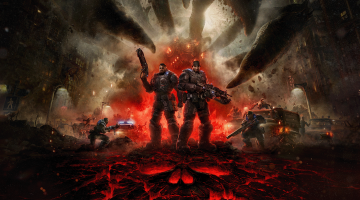
Gears of War E-Day: Sales Success Beyond Game Pass on Xbox & PC
The gaming industry is a dynamic ecosystem, constantly shifting with new business models and evolving player expectations. Amidst this flux, certain franchises stand as titans, their returns eagerly anticipated by millions. Few exemplify this anticipation more profoundly than Gears of War, a saga synonymous with brutal action, gripping narratives, and groundbreaking gameplay. Its latest installment, Gears of War: E-Day, arrived earlier this month, marking a triumphant comeback for the beloved series since 2019’s Gears 5. The title swiftly captivated both long-time fans and critics, earning an impressive Metacritic score of 87 and solidifying its place among the year’s standout games. Yet, beyond the critical accolades, recent international press reports reveal a commercial triumph that carries significant implications for Microsoft’s broader strategy, particularly concerning its exclusivity model and the ever-present shadow of Game Pass.
The initial sales figures for Gears of War: E-Day tell a compelling story. Surpassing 400,000 direct copies sold across Xbox Series X/S and PC through Steam, the game demonstrates a powerful commercial draw independent of subscription services. This metric is particularly noteworthy because it consciously excludes the potentially vast number of players accessing the title via Xbox Game Pass, where it launched simultaneously. The discrepancy between direct sales and the true player base fuels an intense industry debate: can premium, big-budget titles thrive financially when simultaneously offered within an all-you-can-play subscription service? This question is central to understanding the future trajectory of blockbuster games and the platforms that host them.
As the industry continues to mature, every major release becomes a barometer for market trends and strategic shifts. Gears of War: E-Day, with its blend of nostalgic appeal and refined gameplay, serves as a crucial case study. Its strong performance in traditional sales, combined with its availability on Game Pass, offers a complex picture of consumer behavior and publisher profitability. This article delves into the nuances of this success, exploring what these numbers mean for Microsoft, The Coalition (the studio behind the game), and the wider landscape of high-profile game launches, particularly how it informs decisions about platform exclusivity and subscription integration for future generations of iconic games.
Gears of War E-Day’s Initial Sales Metrics and Industry Impact on Xbox Games
Gears of War: E-Day has made a remarkable entrance into the market, exceeding 400,000 direct sales across Xbox Series X/S and PC via Steam. This substantial figure, which does not account for players accessing the title through Xbox Game Pass, highlights the franchise’s enduring appeal and its ability to compel a significant audience to purchase the game at full price. The commercial success underscores a vital point for the industry: even in an era dominated by subscription models, iconic brands retain the power to drive traditional unit sales, thereby strengthening studio finances and paving the way for future installments.
The critical reception for Gears of War: E-Day has been overwhelmingly positive, with an aggregate score of 87 on Metacritic. This acclaim from specialized critics, combined with strong sales, validates The Coalition’s approach to the prequel. By revisiting the franchise’s roots and focusing on a refined version of its signature cover-based shooting gameplay, the studio managed to satisfy veteran fans while attracting new players. The game’s setting—the harrowing ‘Emergence Day’—and the opportunity to play as younger, less experienced versions of Marcus Fenix and Dom Santiago, evoked a strong sense of nostalgia, which undoubtedly contributed to its commercial allure and critical praise.
Furthermore, the sales performance of Gears of War: E-Day offers crucial insights into the evolving landscape of Xbox games and Microsoft’s strategic direction under new leadership. In a period where many major titles launch directly into subscription services, these direct sales figures provide tangible evidence of continued demand for premium game purchases. This could influence how Microsoft positions its first-party releases going forward, potentially balancing Game Pass value with the revenue potential of traditional sales, especially for its most prized intellectual properties.
The success of Gears of War: E-Day is not merely a win for one game; it’s a testament to the power of a well-executed prequel that respects its heritage while embracing modern refinements. It showcases that focusing on core gameplay, compelling narrative, and character development can resonate deeply with a dedicated player base. This approach ensures not only financial stability for the development studio but also strengthens the narrative for the continuation of the saga, promising robust sequels rooted in the brutal, tactical combat and deep lore that define Gears of War.
Defining the ‘Emergence Day’ Narrative and its Impact on Player Engagement
The “Emergence Day” narrative in Gears of War: E-Day serves as a pivotal point for the franchise, delving into the very genesis of the Locust War. This prequel approach was a strategic masterstroke, tapping into the lore’s deepest fears and mysteries. Players are thrust back to the catastrophic moment the subterranean Locust Horde first erupted onto Sera, bringing an unprecedented sense of dread and urgency to the gameplay. This foundational story not only provides critical context for the entire series but also allows for a fresh perspective on beloved characters like Marcus Fenix and Dom Santiago, portraying them in their formative, more vulnerable years.
This narrative decision directly contributed to heightened player engagement and sales. By exploring the origins of the conflict, the game offers a dense, emotionally charged experience that resonates with fans eager to understand the ‘how’ and ‘why’ of the war. The absence of unnecessary innovations and a focus on refining the classic cover-based shooting mechanics ensured that the narrative remained central, allowing the story’s gravity to complement the visceral combat. This storytelling choice demonstrates that deeply rooted, character-driven narratives, particularly prequels that add significant lore, can be powerful drivers for commercial success in the competitive market of modern games.
The Role of Metacritic Score in Commercial Success for New Games
A Metacritic score of 87 for Gears of War: E-Day is a strong indicator of critical acclaim and a significant factor in its commercial success. High review scores often translate into increased consumer confidence, especially for a new entry in a long-running series. Critics’ consensus on the game’s refined gameplay, compelling narrative, and stunning visuals played a crucial role in building anticipation and justifying its purchase for many players. This external validation assures potential buyers of the game’s quality, making it a safer investment in a crowded market.
The impact of a high Metacritic score extends beyond initial sales; it contributes to a game’s long-term reputation and word-of-mouth marketing. For a franchise returning after several years, a strong critical reception can reinvigorate interest and attract new players who might have missed previous installments. In the context of Gears of War: E-Day, the positive reviews likely reinforced the decision for many to purchase the game outright, even with its availability on Game Pass, highlighting the value of critical consensus in influencing consumer behavior within the games industry.
Comparing Sales Models: Game Pass vs. Direct Purchases in the Games Industry
The impressive direct sales figures for Gears of War: E-Day, alongside its day-one availability on Xbox Game Pass, reignite a long-standing debate within the games industry regarding the optimal business model. Microsoft’s strategy of simultaneous launch for its first-party titles on Game Pass aims to attract and retain subscribers, offering immense value through a vast library. However, it also raises questions about the potential cannibalization of traditional unit sales. The 400,000+ copies sold of E-Day represent paying customers who chose to buy the game despite having the option to play it via subscription. This suggests that for certain highly anticipated titles, the appeal of ownership or immediate access outweighs the cost-effectiveness of a subscription for a significant segment of the audience.
The financial viability of the Game Pass model, particularly for high-budget AAA titles, remains a subject of intense scrutiny. While subscriptions provide a stable, recurring revenue stream, critics often question if the revenue generated per player through Game Pass can truly compensate for the potential loss of full-price sales that might occur if the game were exclusive to direct purchase. For Gears of War: E-Day, its strong direct sales performance indicates a robust market for ownership, even in the shadow of a powerful subscription service. This dual success implies that both models can coexist and thrive, provided the game’s quality and brand appeal are strong enough to motivate both types of consumers: those who prefer the subscription value and those who prioritize owning specific games.
| Metric | Game Pass Model | Direct Purchase Model |
|---|---|---|
| Revenue Stream | Recurring monthly/annual subscriptions | One-time full-price sale per copy |
| Accessibility | Instant access to large library (day-one for first-party) | Ownership of a specific title |
| Player Base Calculation | Broader reach, includes casual players & trial users | Specific, committed buyers |
| Developer Compensation | Revenue share, engagement metrics | Direct percentage of sales price |
| Market Perception | Value-driven, subscription economy leader | Premium product, traditional ownership |
| Risk Factor for Publisher | Long-term retention crucial | Heavy reliance on launch sales, marketing |
The Strategic Balance: Game Pass Value vs. Revenue Generation for Xbox Games
Microsoft faces a complex strategic balance between enhancing the value proposition of Game Pass and maximizing revenue from its premium titles. Game Pass is undeniably a cornerstone of Xbox’s ecosystem, attracting millions with its extensive library and day-one access to new releases. This drives hardware sales and platform loyalty. However, for a major release like Gears of War: E-Day, the impressive direct sales figures suggest that there’s substantial revenue being generated outside the subscription model.
The challenge for Microsoft is to determine the optimal strategy that allows both models to flourish without significantly undermining the other. The strong performance of E-Day in direct sales could lead to a re-evaluation of how certain flagship Xbox games are positioned, perhaps emphasizing their premium appeal while still offering Game Pass access as an added benefit. This delicate balancing act is crucial for long-term growth, ensuring both subscriber satisfaction and robust financial returns from its most valuable intellectual properties.
The Legacy of Gears of War: How IP Power Influences Sales of New Games
The enduring legacy of the Gears of War franchise is a powerful driver behind E-Day‘s commercial success. As one of Xbox’s most iconic intellectual properties, Gears of War commands a loyal fanbase built over nearly two decades. This established brand recognition means that a new installment automatically garners significant attention and trust, distinguishing it from newer, unproven titles. Fans are already invested in the lore, characters, and unique gameplay mechanics, making them more likely to pre-order or purchase the game at launch.
The power of a strong IP reduces marketing friction and increases perceived value. For Gears of War: E-Day, the opportunity to return to the series’ brutal roots and experience the ‘Emergence Day’ through the eyes of younger Marcus and Dom was an irresistible hook. This deep connection to the franchise’s history and core identity proved to be a compelling factor for consumers, demonstrating that for highly anticipated games, a revered legacy can significantly influence purchasing decisions, even in the presence of alternative access methods like Game Pass.
The Shifting Tides of Exclusivity: Microsoft’s Strategy for Key Games
The launch of Gears of War: E-Day also brings Microsoft’s evolving exclusivity strategy back into sharp focus. Under the new executive leadership of Asha Sharma, the company appears to be subtly shifting towards a renewed emphasis on hardware exclusivity for select flagship titles. This marks a notable contrast to previous decisions, such as the historical release of the iconic Halo: Campaign Evolved on rival console PlayStation 5. For Gears of War: E-Day, however, the choice was clear: the prequel remained strictly within the Microsoft ecosystem, launching exclusively on Xbox Series X/S and PC via Steam. This decision reignites the ongoing debate within the community regarding the potential revenue left on the table by not releasing on competing platforms like Sony’s PlayStation, where sales could have been exponentially higher.
However, Microsoft’s rationale for this approach is deeply rooted in its long-term vision for the Xbox platform. The primary objective seems to be fostering deeper brand loyalty and making the Xbox console an indispensable piece of hardware for consumers. By ensuring a robust and attractive catalog of exclusive, high-quality games, Microsoft aims to solidify its market position and differentiate its offerings. This strategy is not merely about immediate sales figures but about creating a compelling ecosystem that encourages hardware purchases and sustains engagement with services like Game Pass. The success of Gears of War: E-Day in its current exclusive configuration provides valuable data points for this strategic pivot, influencing how future major releases will be handled.
The current industry landscape sees platforms fiercely competing for mindshare and market share. Exclusivity, while potentially limiting immediate sales reach, serves as a powerful lever for platform differentiation. For Microsoft, locking down a title as significant as Gears of War: E-Day for its own hardware and PC ecosystem is a deliberate move to strengthen the Xbox brand. This decision signifies a strategic emphasis on creating unique selling propositions for Xbox users, ensuring they have access to experiences unavailable elsewhere. It’s a calculated gamble that aims to build a more dedicated user base and reinforces the value proposition of investing in the Xbox platform for the best possible experience with certain marquee games.
Impact of Leadership Changes on Xbox’s Exclusive Games Portfolio
The change in executive leadership at Microsoft’s gaming division, particularly under Asha Sharma, seems to be ushering in a more focused approach to platform exclusivity. This shift is clearly demonstrated by the decision to keep Gears of War: E-Day exclusive to Xbox and PC, a move that contrasts with previous multi-platform experiments. New leadership often brings a fresh perspective and a re-evaluation of strategic priorities.
For the Xbox brand, this likely means a renewed commitment to cultivating a robust library of exclusive games that serve as strong incentives for players to invest in their hardware and services. This strategy aims to solidify Xbox’s unique identity in a highly competitive market, emphasizing the proprietary experiences that only its ecosystem can offer. The commercial performance of E-Day will be a critical data point for validating this renewed focus on exclusivity and shaping future decisions regarding Microsoft’s first-party portfolio.
The Argument for Cross-Platform Releases and Missed Opportunities for Blockbuster Games
While exclusivity offers platform differentiation, it inherently carries the opportunity cost of missed sales from rival consoles. For a blockbuster title like Gears of War: E-Day, a direct release on Sony’s PlayStation 5, a console with a massive install base, could have dramatically boosted its direct sales figures. This argument posits that broader availability leads to greater overall revenue, especially for games that have cross-platform appeal. The decision to remain exclusive means intentionally foregoing a significant portion of the global gaming market.
Proponents of cross-platform releases argue that maximizing reach should be the priority for high-budget games, as it allows for quicker recouping of development costs and generates more profit. The debate highlights a fundamental tension between platform strategy and maximizing individual game sales. While Microsoft’s current leadership prioritizes ecosystem growth, the question of ‘money left on the table’ with exclusive titles remains a persistent point of discussion among industry analysts and players alike.
Understanding the Enduring Appeal of Gears of War Games and Their Future
The exceptional commercial and critical performance of Gears of War: E-Day serves as a powerful testament to the enduring appeal of the franchise. In an industry increasingly fragmented by new genres, experimental mechanics, and diverse storytelling approaches, Gears of War proves that its foundational pillars—brutal cover-based combat, a compelling narrative steeped in grim survival, and the unwavering camaraderie of its characters—continue to resonate deeply with players. This success solidifies the notion that, for many, the roots of the franchise are profoundly important, validating a development approach that refines rather than reinvents its core identity.
For devoted fans, the excellent reception of E-Day is more than just a win for a single game; it’s an affirmation that the essence of Gears of War remains potent. It signals that audiences still crave dense, war-torn stories, moments of profound friendship amidst terror, and tactical combat that prioritizes skill and strategy over gimmicks. This understanding of player desire is invaluable for The Coalition, the studio responsible for the series, as it plans future installments. The market’s response to E-Day sends a clear message: invest in what makes Gears unique, focusing on the elements that have built its legacy and sustained its appeal over the years.
Looking ahead, the success of Gears of War: E-Day provides a strong foundation for the franchise’s continuity. Robust sales and critical acclaim often translate directly into secured funding and enthusiastic backing for sequels. This positive reception not only strengthens the studio’s finances but also virtually guarantees the development of future, equally robust chapters in the saga. For players, this means the promise of more visceral action, deeper dives into the lore of Sera, and continued adventures with beloved characters. The industry, and particularly competitors, will be closely watching Microsoft’s next moves. If the strategy of leveraging core exclusives proves effective in the long run, we could see a more curated, powerful, and exclusive catalog emerge on the green platform, shaping the future landscape of blockbuster games.
Common Misconceptions About Game Pass and Exclusive Game Sales
A common misconception is that a game launching day-one on Game Pass completely negates its direct sales potential. While Game Pass certainly offers an alternative path to play, Gears of War: E-Day‘s sales figures demonstrate that a significant segment of the audience still opts for outright purchase. This decision can be driven by a desire for ownership, specific collector’s editions, or simply a preference to support developers directly. It’s not an either/or scenario; both models can coexist and cater to different consumer preferences.
Another misunderstanding often revolves around the financial viability for developers. It’s assumed that Game Pass payouts are insufficient, but the model often involves upfront payments, bonuses based on engagement, and the benefit of a vast, instant player base. While the specifics are proprietary, successful direct sales combined with Game Pass revenue can create a powerful financial foundation for studios, allowing for greater investment in future games and content.
Best Practices for Launching Major Games in a Hybrid Market
Launching major games in today’s hybrid market—where subscriptions and direct sales coexist—requires a nuanced approach. A key best practice is to leverage strong intellectual property (IP) and deliver a highly polished product, as seen with Gears of War: E-Day. Critical acclaim and fan anticipation are crucial for driving both Game Pass engagement and direct purchases. Clear communication about the game’s vision, especially for prequels or significant franchise entries, helps manage expectations and builds excitement.
Furthermore, offering unique incentives for direct purchases, such as exclusive editions or bonus content, can encourage full-price sales even when a game is available on subscription. Finally, maintaining a strong community presence and continuously gathering feedback helps refine post-launch support and informs future development, ensuring long-term success for the game and the franchise within this complex market environment.
The Future of Xbox Games: Trends and Perspectives After E-Day’s Success
The success of Gears of War: E-Day provides a critical barometer for the future direction of Xbox games and Microsoft’s broader gaming strategy. Its impressive sales, particularly outside of Game Pass, suggest that for blockbuster titles with established fanbases, a hybrid approach combining subscription availability with strong direct purchase incentives can be highly effective. This could lead to Microsoft adopting a more selective approach to its first-party offerings, identifying which titles possess the gravitational pull to drive both engagement within Game Pass and substantial traditional sales.
One clear trend emerging is a potential re-emphasis on platform exclusivity for key franchises. While Microsoft has experimented with multi-platform releases for some titles, E-Day‘s exclusivity reinforces the idea that strategic intellectual properties will remain tethered to the Xbox ecosystem. This aims to bolster the value proposition of Xbox consoles and Game Pass, creating unique, must-play experiences that are only accessible through Microsoft’s platforms. Such a strategy could lead to a more defined and powerful Xbox game library, designed to attract and retain dedicated players.
Moreover, the focus on a beloved prequel narrative, coupled with refined classic gameplay, signals a potential trend towards revisiting foundational lore and perfecting established mechanics. This caters to nostalgic players while introducing new generations to the series’ core appeal. This strategy contrasts with a constant push for innovation, suggesting that sometimes, delivering a finely tuned, familiar experience can be more impactful. The future of Xbox games may therefore see a blend of innovative new IPs alongside deeply respectful and expertly crafted entries into storied franchises, all strategically positioned to maximize impact across both subscription and direct sales channels.
The industry will also be observing how Microsoft leverages this success in its competitive positioning against rivals. If this balanced approach proves sustainable and financially rewarding, it could set a new precedent for how major publishers navigate the complexities of digital distribution, subscription services, and platform loyalty. The long-term implications of Gears of War: E-Day‘s performance extend far beyond a single title, potentially shaping the competitive strategies and content offerings for many years to come.
FAQ: Understanding Gears of War E-Day’s Impact on the Gaming Industry and Xbox Games
-
What were the initial sales figures for Gears of War: E-Day?
Gears of War: E-Day achieved impressive initial sales figures, surpassing 400,000 direct copies sold. These sales were recorded on Xbox Series X/S consoles and PC via the Steam platform. It’s crucial to note that these numbers specifically exclude players who accessed the game through the Xbox Game Pass subscription service, indicating a strong base of paying customers for the new title.
-
How did Game Pass affect Gears of War: E-Day’s overall player count?
While the direct sales figures reached over 400,000, the actual total number of players engaging with Gears of War: E-Day is undoubtedly much higher. This is because the game launched simultaneously on Xbox Game Pass, making it instantly available to millions of subscribers without an additional purchase. The exact volume of Game Pass players remains undisclosed, but their inclusion would significantly inflate the overall player base, making the direct sales figures even more notable.
-
What was the critical reception for Gears of War: E-Day?
Gears of War: E-Day received widespread critical acclaim, reflected in its impressive Metacritic score of 87. Reviewers praised the game for its return to the franchise’s roots, its gripping prequel narrative set during ‘Emergence Day,’ and the refined, brutal cover-based shooting gameplay that has become a hallmark of the series. This positive critical consensus certainly contributed to both its commercial success and its strong reputation among players.
-
Why is Gears of War: E-Day’s sales success significant for Microsoft’s strategy?
The sales success of Gears of War: E-Day is highly significant for Microsoft’s strategy as it demonstrates the enduring power of its first-party franchises to drive direct sales, even with simultaneous Game Pass availability. This performance, coupled with the game’s platform exclusivity, suggests a potential shift towards strengthening the Xbox ecosystem with compelling, exclusive titles. It provides valuable data for balancing Game Pass value with traditional revenue generation, influencing future decisions about game launches and exclusivity policies.
-
Does Gears of War: E-Day’s success guarantee future installments?
While no future installments are ever absolutely guaranteed, the excellent commercial and critical reception of Gears of War: E-Day makes the continuation of the saga highly probable. Strong sales and critical acclaim typically provide significant financial backing and confidence for developers to pursue sequels. This success indicates that there is a robust market demand for the franchise’s unique blend of story, characters, and gameplay, bolstering the case for more Gears of War games in the future.
-
How does E-Day’s exclusivity compare to other Xbox games?
Gears of War: E-Day’s strict exclusivity to Xbox and PC platforms marks a strategic move that contrasts with some previous decisions by Microsoft, such as releasing ‘Halo: Campaign Evolved’ on PlayStation 5. Under new leadership, Microsoft appears to be subtly returning to a model where certain high-profile titles are leveraged to bolster the Xbox ecosystem. This reinforces the value proposition of owning an Xbox console or playing on PC, ensuring exclusive experiences for dedicated users.
-
What defines the gameplay of Gears of War: E-Day?
The gameplay of Gears of War: E-Day is defined by its iconic, refined cover-based shooting mechanics. The studio made a deliberate choice to enhance the series’ signature tactical combat for the new generation, rather than introducing unnecessary innovations. This focus on core mechanics, combined with the brutal action and a compelling narrative set during the terrifying ‘Emergence Day,’ delivers a classic Gears of War experience that resonated strongly with both critics and fans.











Post Comment