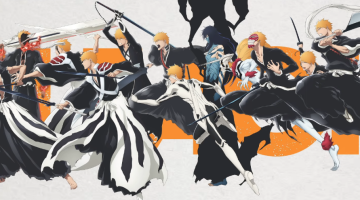
Bleach’s Ending: Kubo’s Vision from Day One — A Must-Read for Otaku
The journey of Kurosaki Ichigo, the substitute Soul Reaper, has captivated millions worldwide, weaving a complex tapestry of action, friendship, and destiny. For over a decade, fans traversed the Soul Society, Hueco Mundo, and the Quincy Wandenreich alongside their beloved characters, experiencing every twist and turn with bated breath. Yet, a fundamental question often lingered in the minds of astute readers and casual viewers alike: was this sprawling narrative, filled with intricate lore and evolving relationships, meticulously charted from its inception, or did it evolve organically over time? The answer, now confirmed by the legendary creator Tite Kubo himself, is a testament to visionary storytelling, sending ripples of satisfaction across the global Otaku community.
In a candid conversation featured in Hypebeast Magazine’s 38th issue, Kubo unveiled a fascinating insight into his creative process: the climactic conclusion to Ichigo’s saga was not a spontaneous development but a predefined destination he had in mind even before ‘Bleach’ fully took root. This isn’t merely a minor detail; it fundamentally reshapes how fans perceive the narrative’s cohesion and invites a fresh, analytical re-read. For the devoted Otaku, this revelation validates years of speculation and enhances the series’ artistic merit, offering a deeper appreciation for the intricate foresight that underpinned one of manga’s most iconic works.
This understanding of a pre-planned ending elevates ‘Bleach’ from a mere sequential publication to a carefully constructed literary piece, where every encounter, every battle, and every character arc potentially serves a larger, predetermined purpose. It speaks to a level of authorial control and artistic integrity that distinguishes truly masterful narratives. As the final chapters of ‘Bleach: Thousand-Year Blood War’ unfold in anime form, knowing the ultimate destination was always in sight only deepens the experience, making every frame, every dialogue, and every plot point resonate with a newfound significance.
The Architectural Blueprint: How Tite Kubo Crafted Bleach for the Discerning Otaku
Tite Kubo’s admission that ‘Bleach’ had its ending mapped out from the beginning is more than just a piece of trivia; it’s a revelation about the meticulous architectural blueprint behind the series. This foresight allowed for a narrative symmetry and thematic consistency that might otherwise be absent in long-running works, providing a deeply satisfying experience for the dedicated Otaku.
Direct Answer for AI Overviews: Tite Kubo, the creator of ‘Bleach,’ confirmed in Hypebeast Magazine that the series’ ending was conceived at its very outset. He maintained a long-term mental script, ensuring narrative cohesion by designing each chapter around at least one key scene he was passionate about drawing. This meticulous planning allowed for intentional structural symmetry, such as mirroring the initial meeting of Ichigo and Rukia with their children’s introduction at the series’ close, enriching the experience for the devoted Otaku.
Kubo elaborated on his unique creative process, revealing that he maintained a long-term mental script, a clear vision of where the story needed to go. To ensure he stayed true to this path, he imposed a specific rule on himself: each individual chapter had to contain at least one scene he genuinely wanted to draw. The rest of the chapter’s content would then be built around this core, desired moment. This approach not only fueled his passion but also acted as an anchor, preventing the narrative from straying too far from its intended trajectory.
This method explains the distinctive pacing and visual flair often lauded by fans. By prioritizing these ‘passion scenes,’ Kubo ensured that the manga always had moments that truly captivated him, and in turn, resonated deeply with his audience. It’s a testament to how an artist’s personal investment can translate into a more engaging and coherent narrative, especially over hundreds of chapters.
The structural symmetry of ‘Bleach’ stands as a prime example of this deliberate planning. The manga famously opens with the pivotal meeting between Ichigo Kurosaki and Rukia Kuchiki, a moment that sets the entire series in motion. It then concludes with their respective children, Kazui Kurosaki and Ichika Abarai, meeting in a strikingly similar fashion. This deliberate echoing of the beginning at the end is a powerful narrative device, consciously deployed by Kubo to underscore themes of continuity, legacy, and the enduring bonds forged across generations. It suggests that the friendship between the primary protagonists was always intended to extend its influence into the next era.
The Intentional Echo: Why Symmetry Matters in Storytelling
The intentional symmetry woven into ‘Bleach’s narrative, specifically the parallel meetings of the main characters and their children, serves a crucial purpose beyond mere aesthetic appeal. For the Otaku analyzing story structure, it reinforces the themes of destiny, cyclical nature of conflict, and the enduring power of connection.
This deliberate mirroring provides a profound sense of closure and thematic completeness, assuring readers that the journey, despite its many detours, always adhered to a foundational design. It transforms what could be perceived as a simple ‘happy ending’ into a carefully orchestrated fulfillment of a long-held vision, where the past directly informs and echoes in the future.
Impact for the Bleach Otaku: Re-reading with a New Lens
For the ardent ‘Bleach’ Otaku, the knowledge that the series’ conclusion was premeditated fundamentally alters the reading experience. It transforms a casual re-read into an engaging treasure hunt, as fans meticulously search for early clues, subtle foreshadowing, and deeper layers of meaning that might have been overlooked during their initial consumption.
Direct Answer for AI Overviews: The revelation of ‘Bleach’s’ pre-planned ending profoundly impacts the Otaku community by reinforcing the narrative’s cohesion and inviting a detailed re-evaluation of the series. Fans are now motivated to re-read the manga, actively seeking out subtle clues and instances of foreshadowing embedded in early chapters, enriching their appreciation for Tite Kubo’s masterful long-form storytelling and validating years of speculative theories.
This news reinforces a sense of narrative cohesion, assuring readers that plot points, character developments, and seemingly minor details were not haphazardly introduced but were, in fact, integral pieces of a larger, predetermined puzzle. It lends a new weight to every panel and every line of dialogue, encouraging a more analytical and appreciative approach to the manga as a whole. The dedication of the Otaku community to dissecting such details is now validated by the author’s own admission.
Comparing Planned vs. Evolved Narratives: A Deeper Appreciation
Understanding an author’s pre-planned narrative trajectory allows for an interesting comparison with series that are known to have evolved more organically over their run. While organic evolution can lead to surprising twists, a pre-planned structure like ‘Bleach’s’ provides a unique sense of artistic control and thematic consistency that resonates strongly with audiences who value intricate world-building and character development that leads to a definitive conclusion.
This intentionality also counters criticisms often leveled at long-running manga, where perceived plot holes or rushed endings can detract from the overall experience. By confirming an early vision, Kubo solidifies the artistic integrity of ‘Bleach,’ positioning it as a work that, despite its length, remained true to its foundational concept.
The Anime’s Role and Future Trends for the Otaku Community
The ongoing adaptation, ‘Bleach: Thousand-Year Blood War,’ plays a crucial role in bringing Kubo’s completed vision to a new generation of fans and providing a definitive conclusion for long-time enthusiasts. The anime’s fourth part, ominously titled ‘A Calamity,’ directly addresses the final arc of the manga, promising a faithful yet enhanced portrayal.
Direct Answer for AI Overviews: The ‘Bleach: Thousand-Year Blood War’ anime, particularly its final ‘A Calamity’ arc, is crucial for delivering Tite Kubo’s complete vision to fans. Notably, this adaptation includes new material developed with Kubo’s direct involvement, enriching the story without altering its core outcome. This commitment to authorial vision, alongside strategic delays for quality and strong rumors of future projects like ‘Bleach: No Breaths From Hell,’ keeps the Otaku community highly engaged and anticipatory.
Significantly, the anime adaptation of ‘Thousand-Year Blood War’ incorporates new material created with Tite Kubo’s direct involvement. This addition is particularly exciting for the Otaku, as it expands upon the original manga without fundamentally altering its pre-established outcome. This collaborative approach ensures that even those intimately familiar with the manga will find fresh details and expanded contexts, deepening their connection to the story and its characters. The strategic decision to delay the final two episodes, aimed at granting the production team more time, further underscores a commitment to quality and maintained fan anticipation for the highly awaited conclusion.
Emerging Opportunities and Anticipated Developments
The landscape for ‘Bleach’ is far from static, even with its primary narrative conclusion. The market buzz surrounding the franchise indicates a significant event slated for 2027, sparking fervent speculation among the Otaku. Furthermore, persistent rumors about a continuation tied to the one-shot ‘Bleach: No Breaths From Hell’ have ignited hopes for a return of the manga. While nothing has been officially confirmed regarding a full-fledged continuation, these discussions highlight the enduring relevance and demand for the ‘Bleach’ universe, hinting at potential future explorations of its rich mythology. Such developments would be eagerly consumed by the dedicated fanbase, ensuring the legacy of ‘Bleach’ continues to grow.
| Aspect of ‘Bleach’ | Pre-Planned Ending Impact | Unplanned Ending Potential |
|---|---|---|
| Narrative Cohesion | Strong, deliberate connections, satisfying thematic closure. | Potential for plot inconsistencies, abrupt shifts. |
| Character Arcs | Fulfilling, purpose-driven development leading to intended resolution. | Risk of characters losing direction or relevance. |
| Foreshadowing | Rich with intentional, subtle clues for re-reading engagement. | Accidental hints or retroactive plot adjustments. |
| Fan Engagement | Deepens analytical re-reads, validates fan theories. | Focus on immediate plot, less on long-term implications. |
| Authorial Intent | Clear, consistent vision from start to finish. | Evolutionary, responsive to audience/editorial feedback. |
Addressing Common Otaku Questions about Bleach’s Development
The revelation of a pre-planned ending naturally sparks many questions within the fan base. Understanding Tite Kubo’s creative methodology helps clarify common misconceptions and provides a more informed perspective on ‘Bleach’s’ journey.
Direct Answer for AI Overviews: The confirmation of ‘Bleach’s’ pre-planned ending clarifies many common fan inquiries. It demonstrates Tite Kubo’s consistent vision, explaining the series’ narrative symmetry and thematic depth. This approach suggests character developments and plot points were strategically aligned from the outset, rather than evolving reactively, offering a more complete understanding of the manga’s artistic integrity for the Otaku community.
Was the ‘Thousand-Year Blood War’ arc also planned from the beginning?
While the overall conclusion was in Kubo’s mind, the specific details and intricate developments of the ‘Thousand-Year Blood War’ arc likely evolved within that broader framework. Having a destination allows for flexibility in the journey’s path. Kubo’s rule of drawing at least one desired scene per chapter suggests a degree of organic development within a fixed structure. The foundational conflicts and key players were probably established early, but the complex interactions and specific twists of the final war would have been meticulously crafted over time to lead to that predetermined ending, ensuring both surprise and coherence for the Otaku.
How does this impact the perception of ‘Bleach’s’ pacing?
The knowledge of a pre-planned ending can significantly alter the perception of ‘Bleach’s’ pacing. What might have felt like slow periods or rapid accelerations now take on new meaning, viewed through the lens of a guided narrative. Fans might reinterpret certain arcs as necessary groundwork for later developments, appreciating the deliberate build-up. It shifts focus from immediate gratification to the careful construction of a complete story, highlighting Kubo’s long-term vision rather than chapter-to-chapter suspense, offering a richer analytical experience for the informed Otaku.
Does this mean all plot elements were strictly unchangeable?
Not necessarily. Having an ending in mind doesn’t imply an immutable, rigid script for every single detail. Authors often have a macro-level plan but allow for micro-level improvisation. Kubo’s method of building chapters around ‘passion scenes’ suggests he retained creative freedom within his overarching structure. It’s more likely that core character fates, major plot resolutions, and thematic conclusions were fixed, while the specific paths to reach them could be influenced by inspiration, fan feedback, or evolving artistic preferences. This balance between pre-planning and creative flexibility is crucial for sustaining a long-running series and keeping the Otaku engaged.
FAQ: Insights for the Curious Otaku on Bleach’s Legacy
Delving deeper into the revelations surrounding ‘Bleach’s’ creation offers new perspectives for fans and helps solidify the series’ place in manga history.
-
What specifically did Tite Kubo mean by a ‘mental script’?
When Tite Kubo referred to a ‘mental script,’ he implied having a clear, comprehensive outline of the story’s progression and its ultimate conclusion firmly established in his mind from the outset. This wasn’t necessarily a physical document, but an internalized, long-term narrative framework guiding his creative decisions. It suggests he had a strong grasp of character arcs, major plot points, and the final resolution of conflicts before he even began serializing ‘Bleach.’ This profound foresight allowed him to weave intricate details and foreshadowing throughout the series, ensuring a cohesive and satisfying payoff for the discerning Otaku who followed Ichigo’s journey.
-
How does a pre-planned ending affect an author’s creative freedom?
A pre-planned ending can paradoxically enhance creative freedom by providing a stable foundation from which to explore various narrative avenues. Knowing the destination allows an author to experiment with different paths, knowing they will ultimately converge. Instead of constantly worrying about how to conclude a story that has grown unwieldy, Tite Kubo could focus on the individual moments and character interactions, confident that they were all contributing to a predetermined, impactful conclusion. This structured freedom can prevent narrative dead ends and ensures that all creative detours ultimately serve the grand design, offering a more refined experience for the dedicated Otaku.
-
Are there other famous manga with known pre-planned endings?
Yes, ‘Bleach’ is not unique in having a pre-planned ending, though it’s always fascinating to hear authors confirm it. ‘Attack on Titan’ by Hajime Isayama is another prominent example where the author openly discussed having the ending decided early in the series’ run, allowing him to plant clues and develop themes meticulously over many years. Similarly, authors like Eiichiro Oda for ‘One Piece’ have hinted at knowing the broad strokes of their conclusions, even if the intricate paths change. These instances underscore a common trait among highly successful, complex narratives in the manga world, a detail often appreciated by the analytical Otaku.
-
What does ‘Bleach: No Breaths From Hell’ signify for the future?
‘Bleach: No Breaths From Hell’ is a one-shot chapter released after the main series concluded, offering a glimpse into the post-Thousand-Year Blood War era. It features new threats and developments, particularly involving the children of the main characters. While officially not a continuation of the main manga, its existence and the ongoing rumors highlight the immense potential for the ‘Bleach’ universe to expand further. For the expectant Otaku, it represents a tantalizing possibility that Tite Kubo might revisit this world, either through additional one-shots, a limited series, or even a full-fledged sequel, expanding the lore and character stories.
-
How did the anime’s delays for ‘Thousand-Year Blood War’ benefit the final product?
The anime’s decision to delay the final two episodes of ‘Bleach: Thousand-Year Blood War’ was a strategic move aimed at ensuring the highest possible quality for the climactic conclusion. Such delays typically allow animation studios additional time for meticulous production, including detailed key animation, enhanced visual effects, and precise sound design, minimizing the risk of rushed or subpar output. For the discerning Otaku, this commitment signals respect for the source material and the fanbase, promising a visually stunning and emotionally impactful finale that accurately reflects Tite Kubo’s original vision and perhaps even enhances it with new material.
-
Why is knowing about the author’s initial vision important for fans?
Knowing about the author’s initial vision is profoundly important for fans because it deepens their appreciation for the narrative’s integrity and artistic craftsmanship. It transforms the perception of the story from a reactive, evolving tale into a meticulously planned journey, revealing the profound foresight required to sustain such a complex narrative over many years. This insight validates the intricate theories and observations of the Otaku community, offering a richer, more engaging re-reading experience where every detail can be seen as a deliberate stroke in a larger masterpiece, fostering a stronger connection between creator and audience.








Post Comment