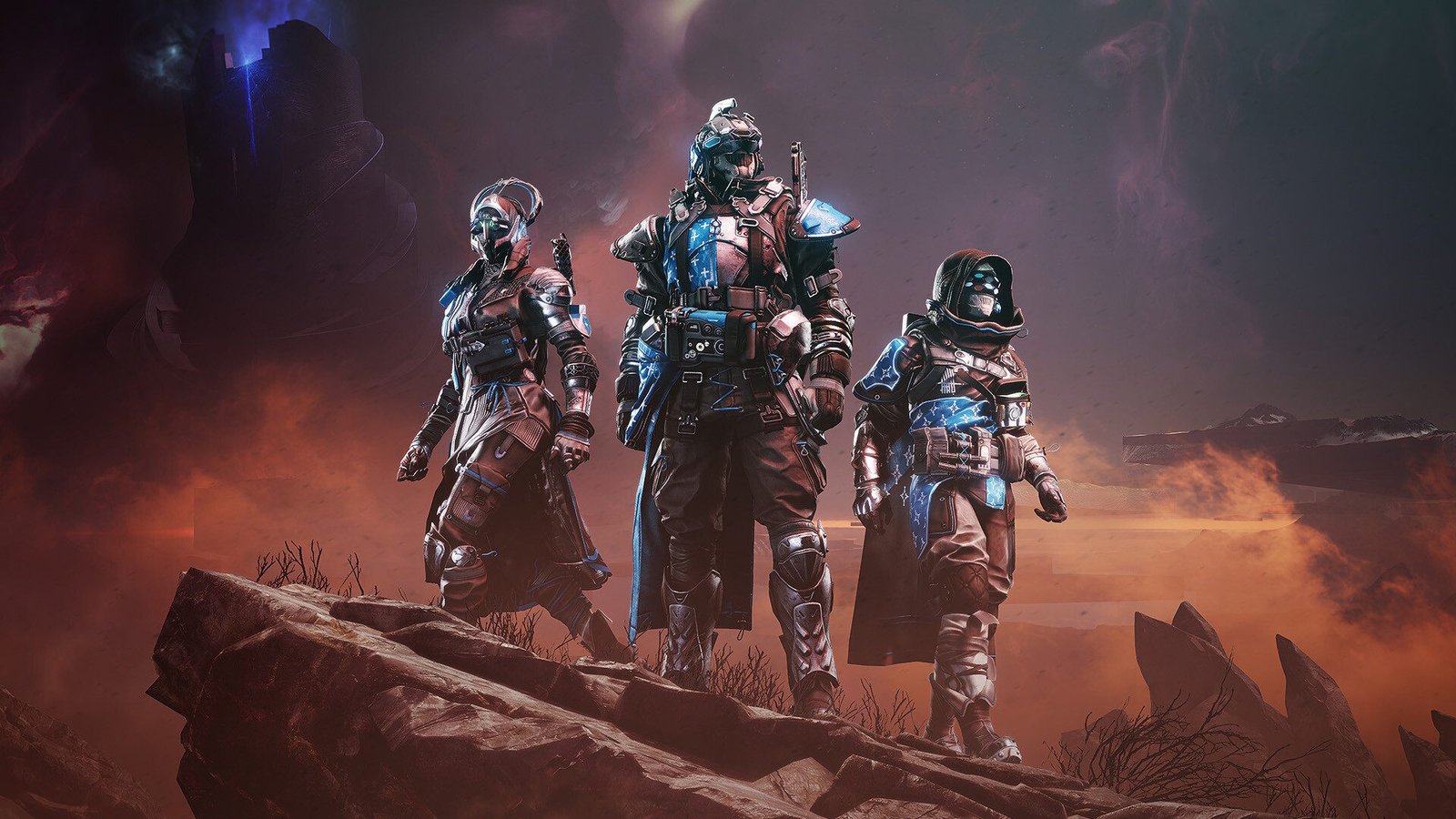
Destiny 2: Classic Content Return Set for 2028 | Games News
For years, the mention of the ‘Content Vault’ has evoked mixed emotions among the devoted community of Destiny 2. What began as a pragmatic solution to manage the ever-growing footprint of a live-service game evolved into one of its most contentious decisions, as significant portions of the game’s rich history and foundational narratives were removed. Iconic campaigns, memorable Strikes, and beloved destinations vanished, leaving a void for veteran Guardians and creating a disjointed experience for newcomers.
The promise of their return, often whispered in community forums and hinted at by developers, now has a concrete, albeit distant, timeline. Bungie, the visionary studio behind the Destiny universe, has unveiled a comprehensive roadmap detailing the complex journey to ‘unvault’ these cherished experiences. This isn’t merely a drag-and-drop operation; it represents a monumental undertaking in modern game development, highlighting the intricate challenges of maintaining a persistent online world while striving to honor its past.
This announcement is more than just a date on a calendar; it’s a testament to the community’s enduring passion and Bungie’s commitment to delivering a truly definitive Destiny 2 experience. It underscores a broader trend within the games industry where player nostalgia and the desire for historical content often clash with the relentless pace of innovation and new content delivery. As players gaze towards a 2028 horizon for the full restoration, understanding the ‘why’ and ‘how’ behind this extensive timeline becomes crucial, offering insight into the meticulous craft of bringing virtual worlds back to life.
This article will delve into Bungie’s detailed plans, exploring the content slated for return, the technical hurdles involved, and what this means for the future of one of the most significant live-service games of our era. Prepare for an in-depth look at the road ahead, as Destiny 2 charts a course back to its origins while forging a new path forward.
The Grand Unvaulting: Reshaping the Landscape of Live-Service Games
Bungie has officially communicated a detailed roadmap for the phased return of vaulted content in Destiny 2, confirming that the full ‘unvaulting’ process is a multi-year endeavor expected to culminate in 2028. This initiative aims to address a long-standing desire within the community to experience historical campaigns and activities that were removed to facilitate new expansions and maintain game performance.
The process is currently in its preliminary stages, specifically in pre-production, with this phase anticipated to conclude by early 2027. Following this, the development team projects an additional 12 months dedicated to active development before the content can begin its reintroduction into the live game. This timeline underscores the significant technical and logistical challenges inherent in re-integrating substantial portions of a constantly evolving game. While the wait is considerable, it signals a clear commitment from Bungie to enrich the Destiny 2 experience with its past.
The return of Destiny 2’s classic content is slated for full completion by 2028. Bungie has outlined a plan starting with a pre-production phase ending in early 2027, followed by approximately 12 months of development. This initiative will bring back original campaigns, Strikes, Raids, and activities like Menagerie, aiming to restore a significant part of the game’s history.
Understanding Destiny 2’s Content Vaulting Phenomenon
The decision to ‘vault’ content in Destiny 2, beginning in 2020 with the launch of the Beyond Light expansion, was a controversial necessity. As the game grew, its file size became unwieldy, impacting update times, installation sizes, and the overall development burden. Bungie stated that removing older, less frequently played content was essential to allow for the introduction of new expansions and to maintain the game’s technical health and performance on various platforms.
This process involved taking significant portions of the game—including entire planets, narrative campaigns, and activities—and placing them into an inaccessible “vault.” While this strategy allowed Bungie to innovate and expand, it fragmented the narrative experience, particularly for new players, and removed beloved locations and story arcs for veterans. The community’s persistent call for the return of this content has been a consistent theme since its initial removal, highlighting the deep emotional connection players have to the game’s evolving world.
Bungie’s Ambitious Timeline: A 2028 Horizon for Classic Content
The core of Bungie’s immediate ‘unvaulting’ efforts is centered around restoring the foundational narrative experiences and their associated activities. The first wave of confirmed content includes the original classic campaigns: Red War, Forsaken, Curse of Osiris, and Warmind. These campaigns were crucial story beats that defined Destiny 2’s early years and laid much of the groundwork for its current lore.
Beyond the narrative, players can look forward to the reintroduction of original Strikes and Raids, which are endgame activities providing unique challenges and rewards. Additionally, the highly popular Menagerie activity, known for its customizable loot and engaging encounters, is also on the list for restoration. This targeted approach ensures that significant chunks of the game’s historical gameplay loop will once again be accessible, offering a richer experience for all Guardians.
The Intricate Dance of Game Development: Why Unvaulting Classic Content in Games Takes Years
Restoring vaulted content in a live-service game like Destiny 2 is far more complex than simply flipping a switch. It involves navigating a labyrinth of technical, design, and logistical challenges that underscore the demanding nature of modern games development. The long timeline until 2028 is a direct reflection of this intricate process, requiring meticulous planning and execution across multiple teams.
From reconciling old code with new engine iterations to updating outdated assets and ensuring seamless integration with current game systems, every step demands significant resources. Furthermore, the content must be re-evaluated and potentially rebalanced to fit the contemporary sandbox, preventing disruptions to the game’s current meta. This detailed work prevents unforeseen bugs, performance issues, and maintains the high quality players expect from Bungie’s titles.
Unvaulting classic Destiny 2 content is a multi-year endeavor primarily due to the immense technical complexity involved in integrating old game assets and code with the current, evolved game engine and systems. This process requires significant development resources for refactoring, updating, and rebalancing, ensuring seamless playability and preventing performance issues in the live game.
Technical Hurdles and Modern Engine Integration
One of the primary reasons for the extended timeline is the inherent technical complexity of integrating old content into a constantly evolving game engine. Destiny 2’s engine, like many for live-service games, undergoes continuous updates and modifications to support new features, graphical enhancements, and performance optimizations. Code written years ago for older versions of the engine may not be directly compatible with its current state.
This necessitates extensive refactoring and adaptation of existing assets, scripts, and systems. Imagine trying to fit puzzle pieces from different sets together; while they might look similar, their edges no longer align perfectly. Developers must ensure that reinstated content interacts correctly with modern UI, new subclasses, and current gameplay mechanics without introducing new bugs or compromising stability. This involves a painstaking process of code review, asset recreation or update, and rigorous testing across all platforms.
Beyond Campaigns: Exploring Additional Content Possibilities
While the initial focus is on the core campaigns and associated experiences, Bungie has indicated that the ‘unvaulting’ efforts might extend further. The studio is actively studying the feasibility of introducing additional content as part of a potential second stage, referring to these as “extended goals.” This demonstrates a long-term vision for content restoration that goes beyond just narrative missions.
Among the possibilities being explored are the return of free exploration zones, which offered unique patrol opportunities and hidden secrets, as well as classic public events that once populated the game’s various destinations. The potential reintroduction of PvP maps would also be a significant boost for the competitive community. Furthermore, old seasonal activities, such as Sundial (from Season 9) up to The Coil (Season 23), and updates to raid weapons are under internal consideration. It is important to note, however, that these additional resources are still subject to change and viability assessment, reflecting the fluid nature of large-scale game development.
Balancing Nostalgia and Innovation: The Future of Destiny 2 and Live-Service Games
Bungie’s commitment to bringing back vaulted content in Destiny 2 is a delicate balancing act. On one hand, it addresses a deep-seated desire for nostalgia and completeness among its player base. On the other, it must ensure that the reintroduction of old content does not detract from the ongoing development of new narratives and gameplay experiences that keep the game fresh and engaging. This tension between past and future is a fundamental challenge for many long-running live-service games.
The strategic decision to spread the ‘unvaulting’ over several years allows Bungie to manage development resources effectively, dedicating teams to both restoration and new content creation. It also provides an opportunity to modernize classic elements, ensuring they feel relevant and polished in the contemporary Destiny 2 sandbox. The journey to 2028 is not just about returning content, but about evolving the game into its most comprehensive and definitive version yet.
Bungie aims to balance nostalgia and innovation by meticulously planning the ‘unvaulting’ of classic Destiny 2 content over several years, allowing simultaneous development of new content. This phased approach mitigates resource strain, ensures restored elements are updated for modern gameplay, and aims to create a more complete game without sacrificing future innovation, a critical strategy for live-service games.
Managing Player Expectations and Community Engagement
With a timeline stretching several years into the future, managing player expectations becomes paramount. Bungie has taken a proactive step by confirming that no new details regarding the ‘unvaulting’ project will be revealed at The Game Awards 2026. Instead, fans can anticipate official updates and more precise timelines in February 2027, coinciding with the projected end of the pre-production phase. This transparency, while potentially extending the wait for news, helps set realistic expectations.
For a community as passionate as Destiny’s, long waits can test patience. However, providing a clear, albeit lengthy, roadmap allows players to understand the scope of the endeavor and appreciate the commitment involved. Sustained engagement through regular, even if minor, updates will be crucial in keeping the community informed and excited about the eventual return of their beloved content, fostering trust and anticipation throughout this extended development cycle.
Implications for the Wider Games Industry
Destiny 2’s ‘unvaulting’ initiative carries significant implications for the broader games industry, particularly for developers of live-service titles. The practice of content vaulting, while sometimes necessary for technical reasons, has been a contentious point for players who invest hundreds or thousands of hours into these persistent worlds. Bungie’s commitment to restoring content sets a precedent, suggesting that player investment in narrative and activities should be respected over time.
This move could influence how other studios approach content rotation and archiving, potentially encouraging them to find alternative solutions to technical bloat that don’t involve permanent removal. It highlights the growing importance of a game’s historical integrity in fostering long-term player loyalty. The success of Destiny 2’s ‘unvaulting’ could redefine best practices for managing content lifecycles in the increasingly complex landscape of online games, emphasizing the value of a complete and accessible experience for all players.
Essential Insights for Destiny 2 Players and Future of Games
As Destiny 2 embarks on this multi-year journey to restore its classic content, players are presented with a unique perspective on the intricate workings of game development and the long-term vision for a live-service title. The road to 2028, while distant, promises a richer, more complete version of the game, one that honors its past while continuing to evolve.
Understanding the phased approach, the technical challenges, and the continuous communication from Bungie is key to appreciating the scope of this endeavor. This isn’t just about bringing back old missions; it’s about weaving them seamlessly into the current game’s fabric, ensuring they resonate with both veteran Guardians and a new generation of players. This commitment to a comprehensive experience positions Destiny 2 as a compelling example within the broader landscape of games that strive for longevity and depth.
| Content Category | Confirmed for Return (Phase 1) | Under Viability Study (Phase 2) |
|---|---|---|
| Narrative Campaigns | Red War, Forsaken, Curse of Osiris, Warmind | N/A |
| Core Activities | Original Strikes, Raids, Menagerie | N/A |
| Exploration & Events | N/A | Free Exploration Zones, Public Events |
| Seasonal Content | N/A | Old Seasonal Activities (e.g., Sundial, The Coil) |
| PvP/Weapons | N/A | PvP Maps, Raid Weapon Updates |
The strategic patience required from the community will undoubtedly pay off with a more robust and complete game. This ambitious project solidifies Bungie’s dedication to its flagship title, ensuring that Destiny 2 remains a premier offering in the competitive world of online games for years to come.
Frequently Asked Questions About Destiny 2’s Classic Content Return and Games Development
When will classic Destiny 2 content fully return?
Bungie has set an ambitious target for the complete return of classic Destiny 2 content, estimating that the full ‘unvaulting’ process will be concluded by 2028. This extensive timeline reflects the complexity of re-integrating significant portions of the game’s past narratives and activities. The initial stages involve a pre-production phase expected to finalize in early 2027, followed by approximately 12 months of intensive development. This phased approach allows Bungie to meticulously restore and update content to ensure it meets current game standards and integrates seamlessly with the existing game world.
What specific classic content is confirmed for unvaulting?
Bungie has confirmed that the first wave of content slated for return focuses on core narrative and gameplay experiences. This includes the four classic campaigns: Red War, Forsaken, Curse of Osiris, and Warmind, which were integral to Destiny 2’s early storyline. Additionally, players can expect the reintroduction of the original Strikes and Raids, offering familiar challenges and rewards. The popular Menagerie activity, known for its unique mechanics and customizable loot, is also confirmed to be part of this initial restoration effort. These items are prioritized to bring back fundamental elements of the game’s history.
Why was content removed from Destiny 2 initially?
Content was initially removed from Destiny 2 as part of the ‘Content Vault’ strategy, primarily to manage the game’s ever-increasing file size and reduce the overall development burden. As Destiny 2 continued to grow with new expansions, the sheer volume of content made updates slow, installation sizes enormous, and maintaining every piece of content became technically challenging. Bungie argued that vaulting less-played content allowed them to innovate, introduce new features, and ensure the game ran optimally on all platforms. While controversial, it was presented as a necessary step for the game’s longevity and performance.
What is the “unvaulting” process for games like Destiny 2?
The “unvaulting” process in Destiny 2 refers to the meticulous effort required to restore previously removed game content back into the live game. This involves more than just re-uploading old files; it requires extensive technical work. Developers must re-integrate old code and assets with the current, updated game engine, ensuring compatibility with new systems, character abilities, and UI elements. Assets may need visual refreshes, and gameplay encounters might require rebalancing to fit the modern sandbox. It’s a complex, labor-intensive undertaking that treats old content almost as if it were entirely new development.
Are other types of content, like PvP maps, being considered for return?
Yes, beyond the confirmed campaigns and core activities, Bungie is actively exploring the viability of bringing back additional types of content. This includes potential “extended goals” such as free exploration zones and public events that once adorned various destinations. The studio is also considering the reintroduction of classic PvP maps, which would be a welcome addition for the competitive player base. Furthermore, old seasonal activities, ranging from Sundial to The Coil, and updates to raid weapons are under internal review. It’s important to note, however, that these items are still in the evaluation phase and their return is not yet guaranteed, as viability studies are ongoing.
Will Bungie reveal more details about the unvaulting soon?
Bungie has indicated a specific timeline for future updates regarding the ‘unvaulting’ project. The studio has confirmed that no new details or revelations will be made at The Game Awards 2026. Instead, players should anticipate the next significant wave of official updates and more precise information about the project’s progress and timelines in February 2027. This aligns with the expected conclusion of the project’s pre-production phase, at which point Bungie will be better positioned to share concrete development milestones and further details with the community.
How does this extensive unvaulting project impact new players?
The return of classic content, even with a long timeline, holds significant benefits for new players. Initially, content vaulting created a fragmented narrative, making it difficult for newcomers to understand Destiny 2’s rich lore and historical events. With the return of campaigns like Red War and Forsaken, new Guardians will have the opportunity to experience the game’s foundational stories firsthand, providing crucial context for the ongoing narrative. This will offer a more complete and coherent onboarding experience, allowing them to fully appreciate the depth and evolution of the Destiny universe from its beginnings.
The Long Road Ahead: A Renewed Vision for Destiny 2 and its Place Among Iconic Games
The announcement of a 2028 timeline for the full ‘unvaulting’ of Destiny 2’s classic content is a landmark moment, not just for its dedicated player base, but for the wider landscape of live-service games. It signifies a profound commitment from Bungie to enrich the game’s historical breadth and provide a truly comprehensive experience, addressing years of community feedback regarding missing narratives and activities.
This journey, characterized by complex technical challenges and a deliberate, phased approach, underscores the immense effort required to maintain and evolve a title of Destiny 2’s scale. It’s a testament to the fact that creating and sustaining a beloved virtual world is a marathon, not a sprint, demanding both innovation and a deep respect for the content that defines its legacy. As we look towards 2028, the anticipation builds for a Destiny 2 that truly encompasses its entire, glorious past, reinforcing its standing as a cornerstone in the world of online games.













Post Comment