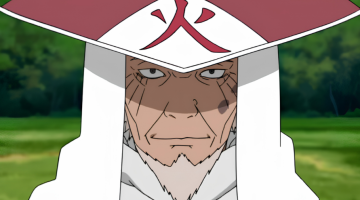
Why Do Otaku Debate Hiruzen Sarutobi So Fiercely?
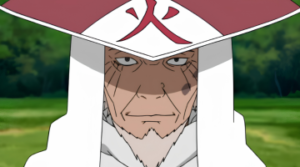
In the vast and intricate world of Naruto, few characters ignite as much fervent debate among fans as Hiruzen Sarutobi, the venerable Third Hokage. A figure of immense power and profound wisdom, Hiruzen is simultaneously remembered as the ‘Professor’ and criticized as a leader whose choices led to significant suffering. This duality creates a fascinating paradox: Naruto Uzumaki himself holds his predecessor in the highest regard, seeing him as a guiding light and an aspirational model for leadership, even years later in Boruto. Yet, for many in the global Otaku community, the narrative surrounding Hiruzen is far more nuanced, often stained by accusations of passivity and negligence.
This discrepancy isn’t merely a matter of differing opinions; it stems from a fundamental clash between the story Masashi Kishimoto presented and the logical interpretations keen viewers derive from the unfolding events. Was Hiruzen a benevolent protector, operating within the brutal confines of a ninja world, or a flawed leader whose inaction had devastating consequences? To truly understand the intensity of these discussions, it’s essential to peel back the layers of his decisions, examining them through the lens of his era, his responsibilities, and their undeniable impact on the characters we’ve come to know and love.
This deep dive will explore the complexities of Hiruzen’s reign, from his initial benevolence towards Naruto to the more controversial aspects of his leadership, such as his handling of Danzo Shimura and the Uchiha clan. We will contextualize his actions within the harsh realities of the ninja system and consider how a character, initially portrayed as a wise elder, came to be one of the most polarizing figures in the entire franchise. Prepare to navigate the difficult terrain where compassion meets pragmatism, and where the ideals of a Hokage are tested against the unforgiving backdrop of a world constantly on the brink of war.
Why the Third Hokage Divides Every Otaku: A Deeper Look at Hiruzen Sarutobi’s Legacy
Hiruzen Sarutobi’s legacy is a tapestry woven with threads of wisdom, strength, and controversial decisions, leading to intense scrutiny among Otaku. Fans often grapple with reconciling his benevolent image, particularly through Naruto’s eyes, with the perceived failures that contributed to significant tragedies and the protagonist’s challenging childhood.
The Era That Forged a Leader: Hiruzen’s Harsh Upbringing
To grasp the motivations behind Hiruzen Sarutobi’s leadership, one must first understand the crucible from which he emerged. Hiruzen grew up in the tumultuous Era of the Warring States, a period of relentless conflict where ninja clans constantly battled for supremacy. He was personally mentored by both the First Hokage, Hashirama Senju, and the Second Hokage, Tobirama Senju, experiencing firsthand the brutal realities of war and nation-building.
This formative experience instilled in him a pragmatic worldview, deeply influenced by the necessity of survival and the harsh truth that children were often thrust onto the battlefield at tragically young ages. Characters like Kakashi Hatake and Itachi Uchiha, though from later generations, exemplify this continuing grim reality of the ninja world, where innocence was a luxury few could afford. Hiruzen’s early life shaped him into a leader who prioritized the stability and defense of Konoha above almost all else, sometimes at a considerable human cost.
Naruto’s Guardian: Benevolence Through Calculated Distance
From Hiruzen’s perspective, his treatment of Naruto Uzumaki, the orphaned jinchūriki of the Nine-Tails, was an act of profound benevolence, especially when measured against the brutal standards of the ninja world. He ensured Naruto had a place to live, a modest allowance, and, crucially, the protection of anonymity regarding his parentage. This seemingly distant approach was, in Hiruzen’s strategic mind, the safest course of action for a child who carried such immense power and the legacy of Konoha’s greatest hero.
While modern sensibilities might deem leaving a young child to fend for himself as severe neglect, within the context of the ninja system, where orphans of war were commonplace and self-reliance was paramount, Hiruzen’s provisions were considered substantial. He saw his role as ensuring Naruto’s physical survival and preventing him from becoming a political pawn or a target for enemy villages still scarred by the Fourth Hokage’s prowess. His efforts, though imperfect, were rooted in a desire to provide a baseline of security in a deeply insecure world.
The Paradox of Protection: When Good Intentions Lead to Scrutiny
Hiruzen’s protective measures for Naruto, while well-intentioned, often created a paradoxical outcome, leading to significant fan scrutiny due to the psychological and social isolation the young jinchūriki endured.
The Weight of Secrecy: Naruto’s Isolated Childhood
The decision to conceal Naruto’s lineage as the son of Minato Namikaze, the Fourth Hokage, and Kushina Uzumaki, a prominent kunoichi from Uzushio, was a strategic one aimed at safeguarding him. Revealing his father’s identity would instantly make Naruto a prime target for every enemy village seeking revenge or wishing to neutralize a potential threat. Furthermore, publicly adopting the boy or showing overt favoritism towards a jinchūriki could destabilize Konoha’s delicate political balance, particularly with powerful clans like the Uchiha and Hyūga, who might view it as an imbalance of power.
However, the psychological toll on Naruto was immense. Forced to live alone from the age of six, subsisting on instant ramen, and ostracized by the village populace who viewed him as the Nine-Tails personified, Naruto experienced profound loneliness and rejection. This stark reality, where his physical survival was assured but his emotional and mental well-being suffered, forms the crux of much fan criticism. Hiruzen, despite his intentions, failed to provide the active emotional support and guidance that a child desperately needed, leaving a promise made to Minato and Kushina unfulfilled as the secret of Naruto’s nature inevitably leaked.
Political Maneuvers: Balancing Power and Preventing Chaos
Hiruzen’s pragmatism extended to the intricate political landscape of Konoha. He understood that demonstrating favoritism towards the jinchūriki could be perceived as a threat by powerful clans, potentially fueling internal strife. Maintaining a façade of detached oversight was, in his view, crucial for preserving the village’s fragile internal peace and preventing any single faction from gaining undue influence. This often meant navigating a complex web of alliances and rivalries, where a misstep could plunge the village into chaos.
His choices reflect a leader constantly weighing the survival of the village against the well-being of individuals, often sacrificing the latter for the former. While effective in maintaining a semblance of order for a time, this approach also created fertile ground for discontent and ultimately contributed to some of Konoha’s most tragic events.
The Shadow of Passivity: Hiruzen’s Controversial Leadership Style
Hiruzen Sarutobi’s leadership was characterized by a tendency towards passivity, an aversion to internal conflict that, for many fans, allowed darker elements to flourish and led to devastating consequences within Konoha.
Danzo Shimura and the Root: Outsourcing the “Dirty Work”
One of the most significant criticisms leveled against Hiruzen is his handling of Danzo Shimura and his clandestine organization, Root. Hiruzen, a leader who detested internal conflict and preferred diplomacy, often allowed Danzo to operate in the shadows, believing that someone needed to perform the village’s “dirty work.” This hands-off approach effectively gave Danzo unchecked authority to carry out morally ambiguous, often brutal, missions in the name of Konoha’s protection.
Instances such as the Uchiha clan massacre and Orochimaru’s horrific human experiments are frequently cited as events where Hiruzen either acted too late or turned a blind eye, failing to exert his full authority to prevent these atrocities. While he might have genuinely believed Danzo’s methods were a necessary evil for the greater good of the village, his reluctance to confront these issues directly contributed to immense suffering and eroded trust within Konoha’s foundations. His passivity, therefore, is often seen not just as a flaw, but as a critical failing that enabled significant tragedies.
The Retcon Effect: A Shifting Narrative Perspective
The concept of a “retcon” (retroactive continuity) is a common phenomenon in long-running narratives, and some fans argue it profoundly impacted how Hiruzen’s actions are perceived. In the early arcs of Naruto, the protagonist was deliberately portrayed as an absolute underdog – an orphan with no discernible background, reviled by his village, and struggling to prove himself. This narrative demanded that Hiruzen, as the Hokage overseeing Naruto’s early life, appear to have done the bare minimum, thus emphasizing Naruto’s solitary struggle.
However, as the story progressed, Kishimoto gradually revealed Naruto’s true heritage: the son of the revered Fourth Hokage and a member of the powerful Uzumaki clan. In retrospect, these revelations made Hiruzen’s earlier decisions – particularly the extensive isolation and lack of personal care for Naruto – appear far more severe and questionable. While Kishimoto never explicitly confirmed a deliberate retcon, the shift in Naruto’s backstory undeniably cast Hiruzen’s past choices in a harsher light for the audience, transforming perceived pragmatism into what many now view as outright negligence.
| Aspect | Naruto’s Interpretation | Fan Criticism (Otaku Perspective) |
|---|---|---|
| Guardianship | A benevolent, protective figure who ensured his survival and provided basic necessities. | Negligent in providing emotional support, allowing deep psychological harm despite physical safety. |
| Secrecy of Lineage | Necessary protection from enemies and political threats. | An unnecessary cruelty that led to social ostracization and broke a promise to his parents. |
| Leadership Style | A wise, empathetic leader who tried to maintain peace and order. | Passive, enabling figures like Danzo, and acting too late on critical issues like the Uchiha massacre. |
Naruto’s Unwavering Respect: A Son’s Love for a Grandfather Figure
Despite the critical fan perspective, Naruto’s enduring respect for Hiruzen highlights the profound personal impact the Third Hokage had on him, solidifying his role as a surrogate grandfather figure.
A Beacon of Kindness in a Hostile World
For a child who grew up utterly alone, ostracized by nearly everyone in the village, Hiruzen Sarutobi represented the closest thing Naruto had to a family. In a world that often treated him with fear and contempt, the Third Hokage was one of the very few who offered genuine kindness, understanding, and even a casual conversation without judgment. Simple acts, like paying for Naruto’s ramen at Ichiraku or offering words of encouragement, held immense weight for the young jinchūriki. These interactions were anchors of humanity in an otherwise hostile existence, solidifying a bond that transcended the Hokage-orphan dynamic.
Naruto’s adoration for Hiruzen, which he openly expresses even into his own tenure as the Seventh Hokage in Boruto, stems from this deeply personal connection. For someone who had nothing, the Third Hokage was a beacon of warmth and acceptance. This perspective contrasts sharply with the broader critique from the audience, who, having witnessed Naruto’s suffering, view Hiruzen’s actions (or inactions) with a more detached and critical eye. Naruto’s loyalty, therefore, is less about political judgment and more about profound gratitude for the human connection Hiruzen offered him when no one else would.
The Cycle Continues: Naruto Uzumaki’s Own Leadership Dilemmas for the Modern Otaku
Naruto’s adult struggles with leadership reveal a poignant echo of Hiruzen’s challenges, demonstrating that the burden of a Hokage often necessitates making impossible choices, a truth the modern Otaku can appreciate.
The Burden of the Hokage: Protecting the Village at All Costs
The irony of Hiruzen’s controversial legacy comes full circle with Naruto’s own experiences as Hokage. In Boruto: Naruto Next Generations, Naruto is confronted with an agonizing dilemma when Momoshiki Ōtsutsuki possesses Boruto’s body. The choice is stark: protect his own son, or protect the entire world from a catastrophic threat. This impossible decision mirrors the very kind of ethical quandary that defined Hiruzen’s leadership, where personal sentiment clashed with the overwhelming responsibility for the village’s, and even the world’s, safety.
Unable to resolve this deeply personal and global crisis alone, Naruto ultimately relies on the actions of Sasuke Uchiha and Kawaki to make the most painful sacrifices. In this moment, Naruto, who idolized Hiruzen, inadvertently repeats a pattern of ‘outsourcing’ the most brutal and morally ambiguous decisions to others. This parallelism powerfully illustrates that the immense difficulty of leadership, particularly in a world as dangerous as that of the shinobi, is a deeply human struggle. It suggests that Hiruzen, much like Naruto, was a fundamentally good person constrained by a flawed, unforgiving system, attempting to govern with empathy but sometimes letting omission prevail in the face of insurmountable pressures.
Frequently Asked Questions About Hiruzen Sarutobi’s Legacy
- Was Hiruzen Sarutobi truly a ‘bad’ Hokage?
Defining Hiruzen as ‘bad’ simplifies a complex character and reign. He was a product of his time, a pragmatic leader shaped by brutal wars, striving for peace. His decisions, such as protecting Naruto through anonymity or allowing Danzo to handle ‘dirty work,’ were often born from a perceived necessity to protect Konoha from external threats and internal instability. While these choices led to suffering and are criticized, they weren’t necessarily malicious. He embodied the ethical dilemmas inherent in leading a hidden village.
- Why did Hiruzen allow Naruto to live in such isolation?
Hiruzen’s decision to keep Naruto’s parentage secret and allow him to live alone was a calculated measure to protect him. Revealing he was the Fourth Hokage’s son would make him a target for vengeful enemies. Publicly showing favoritism or adopting him could also destabilize Konoha by upsetting powerful clans or drawing unwanted attention to the jinchūriki. While physically cared for with a home and allowance, the psychological cost of his isolation, which many fans critique, was a consequence Hiruzen likely underestimated or deemed unavoidable for the greater good.
- Did Hiruzen know about Danzo’s more extreme actions, like the Uchiha massacre?
The series suggests Hiruzen was aware of Danzo’s inclination for extreme measures and his clandestine Root operations. However, the extent of his direct knowledge and approval of specific atrocities, such as the full scope of the Uchiha massacre, remains debated. Hiruzen’s aversion to internal conflict led him to permit Danzo a significant degree of autonomy, believing someone had to perform morally ambiguous tasks for Konoha’s protection. His flaw lay in his passivity and his reluctance to exert full control over Danzo, leading to tragic outcomes he might not have directly sanctioned but ultimately allowed.
- Why did Naruto continue to idolize Hiruzen despite his difficult childhood?
Naruto’s unwavering respect for Hiruzen stems from a deep personal connection. In a village that largely ostracized him, Hiruzen was one of the very few adults who showed him genuine kindness, care, and treated him like a person rather than a monster. These simple acts, like paying for his ramen or engaging in friendly conversation, created a powerful bond for an orphan craving affection. For Naruto, Hiruzen was a surrogate grandfather, a beacon of light in a dark childhood, and this personal experience overshadowed any abstract political criticisms or perceived leadership failures.
- How did the ‘retcon effect’ influence fan perception of Hiruzen?
The ‘retcon effect’ refers to how later revelations in Naruto’s story altered the perception of Hiruzen’s earlier actions. Initially, Naruto was presented as an underdog with no lineage, making Hiruzen’s limited involvement in his upbringing understandable. However, when it was revealed Naruto was the son of the Fourth Hokage and an Uzumaki, Hiruzen’s decision to keep this secret and allow Naruto’s suffering appeared far more negligent in retrospect. This shift in narrative context made Hiruzen’s choices seem much harsher to fans, leading to increased criticism.
- What lessons can the modern Otaku community draw from Hiruzen’s character?
Hiruzen’s character offers the modern Otaku a nuanced lesson in leadership and moral ambiguity. He represents the challenge of governing in a world where absolute good and evil are rarely clear, and difficult choices often have unintended consequences. His story encourages reflection on how context shapes perception, the burdens of responsibility, and the human cost of pragmatic decisions. It highlights that even well-intentioned leaders can have significant flaws, making discussions about his legacy enduringly relevant.
- How did Hiruzen’s background in the Warring States Era impact his Hokage decisions?
Hiruzen’s experiences growing up in the brutal Warring States Era, being trained by the First and Second Hokages, and witnessing countless child soldiers profoundly shaped his leadership. This background instilled in him a deep pragmatism and a prioritization of the village’s survival above individual welfare. He understood the harsh realities of power and conflict, which often led him to make decisions that, while preserving Konoha’s overall stability, sometimes came at the cost of empathy or immediate intervention in smaller, but deeply impactful, crises.
- Was it Hiruzen’s fault that the Uchiha clan was massacred?
While Itachi Uchiha carried out the massacre, Hiruzen’s role in the events leading up to it is a significant point of contention. His passive approach to the growing tensions between the Uchiha clan and Konoha’s leadership, and his allowing Danzo Shimura to operate with such autonomy, contributed to the tragedy. Hiruzen attempted to negotiate a peaceful resolution, but his inability or unwillingness to decisively rein in Danzo or fully trust the Uchiha ultimately led to the catastrophic decision to eliminate the clan, a responsibility for which he bears indirect, yet heavy, blame.








Post Comment