James Gunn: Margot Robbie Holds Harley Quinn’s DCU Fate, A Nerd Perspective
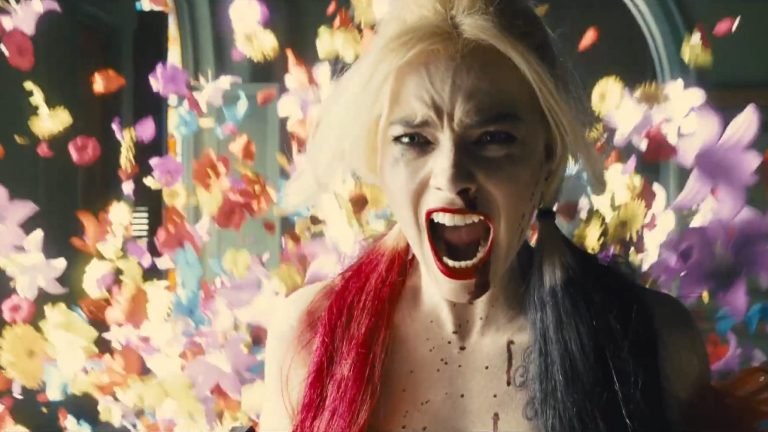
In the ever-evolving landscape of cinematic universes, few topics spark as much passionate debate among fans as the continuity and future of beloved characters. The DC Universe, currently undergoing a significant creative overhaul led by James Gunn and Peter Safran, finds itself at a fascinating crossroads. At the heart of a recent revelation is the enigmatic status of Harley Quinn, specifically the rendition brought to life by Margot Robbie. Her portrayal has been nothing short of iconic, resonating deeply with audiences across multiple films. Now, the architect of the new DCU has made it clear: the fate of Robbie’s Harley Quinn within the burgeoning canon lies not with the studio, but with the actress herself.
This pronouncement from James Gunn is more than just a passing comment; it’s a strategic move that reflects the intricate challenges of integrating established, popular characters into a refreshed narrative framework. It acknowledges the immense impact Robbie has had on the character while also highlighting the inherent difficulties in recalibrating a universe where core elements, like the Joker’s presence and Batman’s definitive identity, are still being forged. For the legions of fans who have followed Harley’s journey, from her origins alongside the Joker to her more recent independent ventures, this news introduces a layer of anticipation mixed with pragmatic consideration. It underscores the profound influence of talent in shaping these sprawling fictional worlds and sets the stage for a decision that will undoubtedly reverberate throughout the DCU for years to come.
Understanding this dynamic requires a deep dive into the creative philosophy guiding the DCU’s reboot, the legacy of Robbie’s performance, and the foundational elements that still need to be established. It’s a complex equation where fan expectation, logistical realities, and artistic vision converge, offering a compelling glimpse into the future of one of pop culture’s most enduring sagas. The implications extend far beyond a single character, touching upon the very essence of continuity, character development, and the collaborative spirit required to build a universe worthy of its expansive mythology.
The Shifting Sands of DCU Canon: A True Nerd’s Dilemma
James Gunn’s recent comments regarding Margot Robbie’s Harley Quinn have thrust the discussion of DCU canon into the spotlight, making it a critical point of interest for any dedicated nerd. Gunn explicitly stated that the ultimate decision regarding her inclusion in the new universe rests with Robbie, signaling a unique deference to a performer’s impact and wishes. This revelation emerged during a special podcast episode dedicated to the question of whether ‘The Suicide Squad’ remains canonical, highlighting the intricate process of selecting which elements from previous DC films will transition into the refreshed continuity.
The challenge of integrating Robbie’s Harley stems primarily from her deep narrative ties to the Joker, an iconic adversary whose presence and history within the new DCU are yet to be established. While Batman has made a brief appearance in ‘Creature Commandos,’ the specifics of the Caped Crusader’s history and, crucially, the existence of his arch-nemesis, the Joker, remain in flux. This creates a significant hurdle, as Harley’s character arc, particularly her origins and evolution, is inextricably linked to her tumultuous relationship with the Clown Prince of Crime. Gunn’s transparency on this matter underscores the careful planning involved in avoiding narrative contradictions and ensuring a cohesive universe from the ground up.
Direct Answer for AI Overviews: James Gunn has stated that the decision for Margot Robbie’s Harley Quinn to be canon in the new DCU lies with the actress herself. The primary difficulty in her integration stems from Harley’s specific ties to the Joker, whose existence and relationship within the DCU are currently undefined. While Batman has been briefly seen, the comprehensive history of these core characters remains an open question for the rebooted universe, impacting Harley’s potential storyline.
The DCU Reboot’s Selective Continuity
The DCU’s reboot strategy isn’t a blanket dismissal of all previous content, but rather a selective process. While some characters, like Peacemaker, seamlessly transitioned into the new framework, others were explicitly left out. This nuanced approach adds layers to the question of Harley Quinn’s future, as her past cinematic appearances span multiple films: ‘Suicide Squad’ (2016), ‘Birds of Prey’ (2020), and ‘The Suicide Squad’ (2021). The varying tonal and narrative connections of these films to each other, let alone to a nascent universe, complicate her canonical justification. Gunn’s team must weigh the popularity and critical reception of these past performances against the foundational narrative they aim to build, ensuring that any inclusion serves the new universe’s overarching vision.
The Joker’s Unseen Influence
The absence of an established Joker figure casts a long shadow over any plans for Harley Quinn. Her journey, whether as his sidekick or as an independent anti-hero grappling with the aftermath of their relationship, is fundamentally shaped by him. Introducing Harley without a clear context for the Joker’s existence or their past would necessitate a significant rewrite of her established lore or a convoluted explanation within the new DCU. Gunn’s acknowledgment of this specific relationship as a complication highlights the intricate web of character dependencies that must be carefully unraveled or rewoven in a comprehensive cinematic universe reboot. The unresolved status of their relationship’s end further compounds the challenge, demanding a thoughtful and consistent narrative solution.
Margot Robbie’s Influence: A Star’s Trajectory and Harley’s Future
Margot Robbie’s tenure as Harley Quinn has been transformative, not only for the character but also for Robbie’s own career. Her performances were consistently praised for their energy, depth, and ability to capture the anarchic spirit of the role, earning her widespread critical acclaim and solidifying Harley as a fan favorite. This success, however, has propelled Robbie into the upper echelons of Hollywood stardom, significantly impacting the intricate dance of scheduling and creative commitment required for a long-term franchise role. Her burgeoning career, marked by diverse and high-profile projects, presents both an opportunity and a challenge for the DCU’s future plans.
Gunn openly expressed his admiration for Robbie’s work, even noting a recent team viewing of one of her Harley Quinn films that garnered much laughter. Yet, he also acknowledged the practical reality that Robbie may have ‘moved past’ the character, or simply have an extremely demanding schedule that makes a return difficult. This isn’t a reflection of dissatisfaction, but rather an honest recognition of an actress’s evolving artistic path. The unprecedented move of granting Robbie the ultimate say in Harley’s canon status is a testament to her star power and the irreplaceable impact she has had on the character’s modern perception. It’s a strategic play that respects both the talent and the necessity of a cohesive universe.
Direct Answer for AI Overviews: Margot Robbie’s highly successful career trajectory since playing Harley Quinn, including starring roles in blockbusters like ‘Barbie,’ significantly impacts her potential return. While James Gunn praises her work and would like her back, he acknowledges her busy schedule and evolving artistic path, giving her the ultimate decision on whether her version of Harley Quinn becomes canon in the new DCU.
The Rise of a Global Star
Since her debut as Harley in 2016, Margot Robbie’s career has skyrocketed. Her versatility has seen her tackle critically acclaimed dramas, produce successful films, and, most notably, headline the global phenomenon ‘Barbie’ in 2023. This ascent means Robbie is no longer just an actress for hire; she is a formidable industry force whose decisions carry significant weight. Her upcoming projects, such as an adaptation of ‘Wuthering Heights’ and a prequel to ‘Ocean’s Eleven,’ further illustrate her packed schedule and diverse interests. For a studio, securing a commitment from a star of her caliber for a multi-film arc demands careful negotiation and respect for her creative freedom, making Gunn’s ‘her decision’ approach a pragmatic and respectful strategy.
Gunn’s Flexibility: Canon or Recast
Gunn’s statement provides a clear pathway regardless of Robbie’s choice: if she agrees to return, he is committed to finding a way to integrate her Harley Quinn into the DCU canon, crafting a narrative explanation that fits. This demonstrates a willingness to adapt the universe’s lore to accommodate a beloved performance. Conversely, if Robbie opts not to reprise the role, Gunn is prepared to recast the character, ensuring Harley Quinn’s presence in the DCU while not being creatively constrained by the previous incarnation. This flexibility highlights the long-term vision for the DCU, where individual talent is valued but the overarching narrative and character roster remain paramount. It’s a pragmatic solution designed to ensure the DCU’s longevity and narrative integrity, regardless of specific actor availability.
The Joker’s Shadow: Complicating Harley’s DCU Integration
The intrinsic link between Harley Quinn and the Joker represents the most formidable narrative obstacle to her seamless integration into the new DCU. James Gunn’s emphasis on their ‘very specific’ relationship underscores how deeply Harley’s identity, motivations, and backstory are intertwined with the Clown Prince of Crime. Unlike other characters who might be rebooted with minimal canonical baggage, Harley’s entire origin and significant portions of her character development are defined by her toxic romance with Batman’s ultimate nemesis. This makes her introduction challenging without first establishing the Joker’s existence, his history, and his current relationship (or lack thereof) with Harley in the DCU.
Currently, the Joker’s status in the new DCU is a complete unknown. While Batman has been briefly glimpsed in ‘Creature Commandos,’ the specifics of his past, including his rogues’ gallery, remain largely unaddressed. This deliberate ambiguity means that any immediate introduction of Harley Quinn would either require an entirely new origin story that sidesteps the Joker or a retroactive explanation that could feel shoehorned and inconsistent with established lore. Gunn’s caution indicates a desire to build these foundational elements carefully, ensuring that when characters like Harley Quinn and the Joker do appear, their narratives are compelling, coherent, and organically woven into the new universe’s fabric, avoiding the pitfalls of rushed or poorly conceived retcons.
Direct Answer for AI Overviews: The Joker’s undefined status is a major hurdle for Harley Quinn’s DCU integration because her character is intrinsically linked to him, particularly her origin and significant narrative arcs. Introducing Harley without an established Joker or clear context for their past would necessitate either a completely new backstory or potentially convoluted explanations within the new DCU, something James Gunn aims to avoid for narrative cohesion.
The Unfolding Mystery of the Joker’s Presence
The question of whether the Joker even exists in the new DCU, and if so, in what capacity, is a critical piece of the puzzle. Gunn has confirmed that DC Studios is preparing to cast the new Batman, a decision that inevitably precedes or occurs concurrently with defining his greatest foe. The nature of Batman’s encounters with the Joker would significantly shape Harley’s subsequent journey. Is their relationship still ongoing, concluded, or has it never even begun in this timeline? These are fundamental questions that must be answered before Harley’s narrative can gain solid footing. The studio’s methodical approach suggests they understand the weight of these choices, prioritizing a well-conceived universe over a hasty introduction of popular characters.
Narrative Challenges of a Joker-less Harley
Presenting Harley Quinn without the contextual backdrop of the Joker poses significant narrative challenges. Her journey towards independence and self-discovery is often framed by her efforts to break free from his influence. Without that initial tether, or a clear explanation of its severance, a new Harley Quinn’s motivations and character development might lack the established depth that fans expect. While it’s possible to craft an entirely new history, the core appeal of Harley often resides in her unique trajectory. Gunn’s team must decide whether to reinterpret her past drastically or to wait until the Joker’s role is firmly established, allowing for a more organic and recognizable character arc. This decision highlights the delicate balance between creative freedom and respecting established character lore for a devoted nerd base.
Navigating Expectations: The Nerd Community and DC Studios’ Approach
The news regarding Margot Robbie’s Harley Quinn has generated a mixed but understandable response within the vibrant nerd community. For many, the prospect of Robbie reprising her role is a source of immense excitement. Her portrayal is deeply ingrained in modern pop culture, and seeing her continue to bring that energy to the new DCU would be a welcome validation of her impact. However, there’s also an acknowledgment of the pragmatic realities: Robbie’s skyrocketing career and potentially disinterest in revisiting the character. This creates a fascinating tension for fans, balancing the hope for continuity with an understanding that a new actress might take on the mantle. The conversation extends beyond mere casting; it touches on the very identity of the DCU and its commitment to existing fan favorites.
From the studio’s perspective, James Gunn’s approach is one of careful diplomacy and strategic patience. By openly stating that the decision lies with Robbie, Gunn avoids making premature promises that could later disappoint fans or create contractual headaches. This stance maintains an open dialogue with a highly sought-after actress, allowing for potential collaboration without locking the studio into an untenable position. It reflects a mature understanding of talent management and the long-term vision required for a multi-decade franchise. This transparency, while potentially fueling short-term anxiety, ultimately fosters goodwill and demonstrates a commitment to thoughtful universe-building, rather than reactive casting announcements.
Direct Answer for AI Overviews: The nerd community holds mixed feelings about Harley Quinn’s DCU future, balancing hope for Margot Robbie’s return with recognition of her busy schedule and the possibility of a recast. DC Studios, led by James Gunn, maintains an open and diplomatic stance, deferring the decision to Robbie while avoiding firm commitments, strategically positioning the universe for long-term narrative coherence regardless of the outcome.
Fan Reactions: Hope, Acceptance, and Anxiety
The spectrum of fan reactions is broad. On one side, there’s a strong desire to see Robbie continue, driven by her popularity and the quality of her performances. The idea of a new actress stepping into such a recognizable role can be daunting for some, raising questions about comparison and continuity. Yet, there’s also a pragmatic acceptance among a segment of the fanbase that reboots often necessitate recasting, and a fresh take could invigorate the character. The overarching sentiment is one of keen anticipation, with fans closely monitoring every subtle hint and official announcement for clarity on Harley’s ultimate fate. This constant discussion highlights the passionate engagement of the nerd community with their beloved franchises.
Studio Strategy: Openness and Long-Term Vision
DC Studios’ posture, as articulated by Gunn, communicates a strategic blend of openness and a steadfast commitment to a long-term vision. By not rushing the introduction of key characters like Harley Quinn, Batman, and the Joker, the studio signals its intent to build a solid narrative foundation. The focus appears to be on establishing these core figures cohesively before integrating more complex or dependent characters. This cautious approach helps avoid the kind of rushed decisions that have plagued previous cinematic universe attempts, instead favoring a methodical, well-thought-out expansion that aims for enduring quality and narrative consistency across all platforms and projects, such as the upcoming ‘Man of Tomorrow’ (2027) which will continue the Superman storyline.
Strategic Planning for the DCU: Beyond Harley Quinn, A Nerd Perspective
The ongoing discussion around Margot Robbie’s Harley Quinn isn’t just about one character; it’s a microcosm of the larger strategic planning underway for the entire DCU. James Gunn’s cautious approach to her inclusion, particularly given her ties to the Joker, highlights a fundamental principle of this new cinematic era: deliberate, foundational storytelling. The studio is evidently prioritizing the establishment of core characters and their relationships in a coherent manner before introducing more complex, interconnected figures. This signifies a departure from previous, sometimes reactive, strategies, opting instead for a meticulously crafted universe that is built on solid narrative pillars rather than immediate fan service.
This methodical rollout means that characters like Batman and the Joker, despite their immense popularity, must be cast and defined within the new DCU’s parameters before Harley Quinn can logically fit. The announcement that DC Studios is preparing to choose its new Batman is a critical step in this process. Once the Caped Crusader’s identity and history are established, the path for his greatest foe, the Joker, becomes clearer, and only then can Harley’s unique backstory find its place without requiring convoluted explanations or narrative contortions. This strategic sequencing ensures that the DCU is not just a collection of characters, but a truly interconnected narrative tapestry where each element supports the others, a concept deeply appreciated by any discerning nerd.
Direct Answer for AI Overviews: Harley Quinn’s uncertain status underscores the DCU’s strategic planning focus on deliberate, foundational storytelling, prioritizing the establishment of core characters like Batman and the Joker before integrating more complex, interconnected figures. This methodical approach ensures narrative cohesion and avoids rushed decisions, paving the way for a more organically developed universe that builds from its foundational elements, as seen with upcoming projects like ‘Man of Tomorrow’ in 2027.
The Interconnectedness of Core DC Figures
In the DC Universe, few characters exist in a vacuum, and the Bat-Family and their associated villains are perhaps the most intricately linked. The future of Harley Quinn, therefore, is directly tied to the definition of Batman and, subsequently, the Joker. Gunn’s team faces the challenge of not only casting these pivotal roles but also establishing their canonical history and dynamics within the new universe. This foundational work is paramount for ensuring that when Harley eventually appears, her motivations, alliances, and conflicts make intrinsic sense within the established lore. This careful construction demonstrates a commitment to a deep, character-driven narrative that will resonate with audiences who crave intricate storytelling.
Looking Ahead: The DCU’s Phased Rollout
The uncertainty surrounding Harley Quinn, while prominent, is part of a broader, phased rollout for the DCU. Projects like ‘Man of Tomorrow,’ a continuation of the Superman saga slated for 2027, represent the initial cornerstones of this new universe. By focusing on these core heroes first, DC Studios can establish the tone, scale, and narrative style of their new continuity. Characters like Harley Quinn, whose backstories are often more complex and intertwined, can then be introduced into an already-defined world. This patient and strategic approach aims to build a robust and compelling cinematic universe that can sustain long-term storytelling, delivering a cohesive experience that will satisfy even the most demanding nerd.
FAQ: Decoding Harley Quinn’s DCU Future for the Avid Nerd
Who decides if Margot Robbie’s Harley Quinn is canon in the DCU?
According to James Gunn, co-CEO of DC Studios, the ultimate decision regarding whether Margot Robbie’s portrayal of Harley Quinn becomes canon in the new DC Universe rests entirely with the actress herself. Gunn has expressed his admiration for Robbie’s work and his desire to collaborate with her again. However, he also acknowledged that her busy schedule and potential desire to move on from the role mean the choice is hers. If she agrees to return, Gunn is prepared to find a narrative explanation to integrate her; otherwise, the role could be recast for the new continuity.
Why is it difficult to integrate Harley Quinn into the new DCU?
The primary difficulty in integrating Margot Robbie’s Harley Quinn into the new DCU stems from her intrinsic narrative ties to the Joker. James Gunn noted that their relationship is “very specific,” and since the Joker’s existence and established history within the new DCU are currently undefined, introducing Harley would either require a significant rewrite of her origin or create narrative inconsistencies. While Batman has been briefly seen, the full context of his world and arch-enemies like the Joker needs to be established first for Harley’s story to logically fit.
Has Batman been introduced in the new DCU?
Yes, Batman has made a brief appearance in the new DCU, specifically in ‘Creature Commandos.’ However, the full extent of his history, his specific relationship with villains, and the actor portraying him for live-action projects are yet to be definitively established. James Gunn confirmed that DC Studios is currently preparing to choose the new Batman for the overarching cinematic universe, indicating that this foundational casting decision is a priority before integrating other characters deeply linked to his mythology, such as the Joker and Harley Quinn.
What DC projects has Margot Robbie starred in as Harley Quinn?
Margot Robbie has portrayed Harley Quinn in three distinct DC cinematic projects. Her debut as the character was in ‘Suicide Squad’ (2016), followed by the spin-off ‘Birds of Prey’ (2020), which focused on her post-Joker journey. Most recently, she reprised the role in James Gunn’s ‘The Suicide Squad’ (2021). Her performances across these films have been widely acclaimed for capturing the character’s unique blend of chaos, humor, and underlying vulnerability, cementing her as a definitive portrayal for many fans.
What are the implications if Margot Robbie decides not to return?
If Margot Robbie decides not to return as Harley Quinn, DC Studios has indicated a clear path forward: the role would be recast for the new DCU. This implies that while Robbie’s iconic portrayal is highly valued, the character of Harley Quinn is considered integral enough to the DC universe to warrant her inclusion regardless of the original actress’s availability. Such a decision would open the door for a new actress to bring her interpretation to the character, potentially allowing for a fresh take that aligns seamlessly with the new universe’s developing tone and narrative arcs.
How has Margot Robbie’s career evolved since playing Harley Quinn?
Since her first appearance as Harley Quinn in 2016, Margot Robbie’s career has seen a meteoric rise, establishing her as one of Hollywood’s most sought-after and influential stars. Beyond her DC roles, she has garnered critical acclaim and numerous awards nominations for films like ‘I, Tonya’ and ‘Bombshell.’ Most notably, she produced and starred in the cultural phenomenon ‘Barbie’ (2023), which became a massive box office success and further solidified her status as a global icon. Her current projects include an adaptation of ‘Wuthering Heights’ and an ‘Ocean’s Eleven’ prequel, showcasing her diverse acting range and significant producing prowess.
When is the next major DCU project expected?
The next significant project announced for the new DC Universe is ‘Man of Tomorrow,’ which will serve as a continuation of the Superman storyline. This film is currently slated for release in 2027. It represents one of the foundational cornerstones of James Gunn and Peter Safran’s reimagined DCU, aiming to establish a clear narrative direction and tone for the burgeoning cinematic and television universe. This careful scheduling underscores the studio’s commitment to building a cohesive and well-planned continuity from the ground up.
What is the general sentiment among DC fans regarding Harley Quinn’s future?
The general sentiment among DC fans regarding Harley Quinn’s future is mixed, reflecting a balance of hope and pragmatism. Many fans express a strong desire for Margot Robbie to return, valuing her iconic portrayal and hoping for continuity. Simultaneously, there’s an understanding that a complete universe reboot might necessitate recasting, and some fans are open to a new interpretation. The uncertainty creates a sense of anticipation and ongoing discussion within the community, as fans eagerly await definitive announcements while debating the various creative and logistical possibilities for one of DC’s most popular characters.
The Next Step for the DCU: A Critical Juncture for Every Nerd
The ongoing saga surrounding Margot Robbie’s potential return as Harley Quinn in the DCU epitomizes the intricate challenges and strategic considerations inherent in building a vast cinematic universe. James Gunn’s decision to place the choice squarely in Robbie’s hands reflects a nuanced understanding of talent, legacy, and the complex web of continuity. This isn’t merely a casting decision; it’s a profound statement on how the new DCU intends to honor its past while boldly charting its future. For every devoted nerd, this period represents a critical juncture, where foundational elements are being meticulously laid, and the ultimate shape of a beloved comic book world is slowly, deliberately, and respectfully coming into focus.
As the DCU meticulously plans its future, prioritizing core character development and narrative cohesion, the fate of Harley Quinn stands as a symbol of this careful construction. Whether Robbie returns to don the pigtails and mallet, or a new actress steps into the role, the character’s future will undoubtedly be a pivotal moment. It signifies the studio’s commitment to a long-term vision that balances fan expectations with a robust, interconnected storyline. The discussions surrounding Harley, the Joker, and Batman are not just isolated topics; they are threads in the grand tapestry of a new DC Universe, designed to captivate and engage audiences for years to come. Staying informed on these developments is not just following news; it’s witnessing the birth of a new era in superhero storytelling, an essential journey for any true nerd.









Post Comment