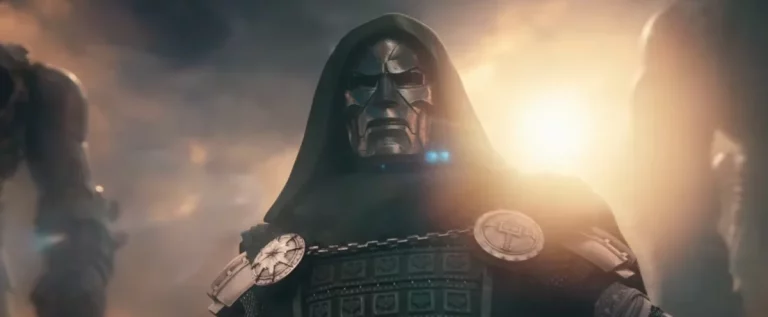
Doctor Doom’s Avengers Ending: Fan Theories Worry Nerds
The Marvel Cinematic Universe stands at a pivotal juncture, poised to introduce one of its most formidable antagonists yet: Doctor Doom. As whispers of the next Avengers saga, tentatively titled “Avengers: Doctor Doom,” permeate the digital realm, a palpable tension mounts among fans. This isn’t just about a new villain; it’s about the very fabric of reality being rewritten, and the potential for a narrative climax that could echo the earth-shattering events of “Infinity War.” Speculation is rife, with many theories pointing towards a daunting conclusion for Earth’s Mightiest Heroes, a scenario that leaves many dedicated followers of the MCU with a sense of apprehension.
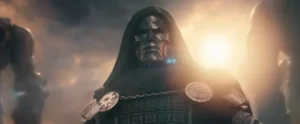
Doctor Doom, Victor Von Doom, is not merely a supervillain; he is a monarch, a genius-level intellect, a master of both science and magic, and an unwavering force of will from the fictional nation of Latveria. His comic book legacy is one of ambition, often seeing him challenge the likes of the Fantastic Four, the Avengers, and even cosmic entities for control over reality itself. The prospect of him leading the charge into the Multiverse Saga’s climax, culminating in “Secret Wars,” suggests a scale of conflict unprecedented even for the MCU. Fans, with their keen eyes and encyclopedic knowledge, are already dissecting every teaser, every interview snippet, and every established narrative pattern to predict the fate of their beloved characters. The sheer weight of Doom’s comic book history, combined with the MCU’s recent exploration of the multiverse, sets the stage for a chapter filled with potential losses and radical transformations. The question isn’t whether Doom will make an impact, but rather, what devastating price the heroes, and the multiverse itself, might pay for his rise. This impending confrontation has already become a focal point for discussion, driving fervent analysis across the global Nerd community.
The Looming Shadow of Doctor Doom: Why the Nerd Community Fears a Cliffhanger
The Nerd community anticipates a potential cliffhanger ending for “Avengers: Doctor Doom,” mirroring “Infinity War.” Theories suggest Doctor Doom will triumph, taking control of the multiverse and setting the stage for “Secret Wars,” possibly by establishing Battleworld early, rather than a definitive hero victory.
The idea of the Avengers facing a crushing defeat is not new to the Marvel Cinematic Universe. The monumental success of “Avengers: Infinity War,” which concluded with Thanos’s snap and the harrowing loss of half of all life, proved that audiences could embrace a grim, unresolved ending. This narrative choice amplified stakes and generated immense anticipation for its follow-up, “Avengers: Endgame,” setting a high bar for cinematic continuity and payoff. The sheer audacity of leaving Earth’s Mightiest Heroes utterly defeated resonated profoundly, creating a global conversation that lasted for an entire year.
Now, as “Avengers: Doctor Doom” approaches, a similar narrative strategy is gaining traction in fan discussions, sparking concern and excitement among the Nerd culture enthusiasts. The prevailing theory is that the first of the two climactic Multiverse Saga films will not offer a decisive victory for the heroes but will instead leave them in a precarious, possibly dire, situation. This isn’t merely speculation; it’s an informed anticipation of how Marvel Studios might strategically deploy a narrative device proven to maximize audience engagement and drive discussion ahead of an even larger event.
This approach is seen as a strategic move to directly feed into “Avengers: Secret Wars,” a film widely expected to adapt one of Marvel Comics’ most iconic storylines. In the comics, “Secret Wars” often involves a fractured multiverse, leading to the creation of Battleworld under the tyrannical rule of Doctor Doom. If “Avengers: Doctor Doom” ends with the titular villain achieving his goals – specifically, gaining control over the multiverse – it would seamlessly pave the way for this dystopian reality. Such an ending would allow Doom to consolidate his power, shaping the fragmented realities into his twisted vision of order, much like his comic book counterpart, and establishing him as the ultimate multiversal threat.
The narrative risk, however, lies in repeating a formula too closely. While “Infinity War” worked brilliantly, deploying another major cliffhanger might, for some, make the MCU’s storytelling feel somewhat predictable, relying on a familiar tension-building mechanism rather than innovating. It raises questions about how Marvel can deliver a sense of devastating loss while still feeling fresh and unexpected. Yet, the sheer power, intellect, and sheer ruthlessness of Doctor Doom, combined with his unparalleled ambition, could arguably justify such an outcome, painting him as an almost insurmountable force whose initial triumph is not just plausible but narratively compelling for the setup of “Secret Wars.” The strategic value of ending on a note of overwhelming defeat is undeniable when executed correctly, paving the way for a grander, more arduous struggle for ultimate victory.
Loki’s Unforeseen Sacrifice: A Key Obstacle for Doctor Doom’s Rise
Loki, as the new custodian of the Sacred Timeline, presents a direct challenge to Doctor Doom’s multiversal ambitions. Fan theories suggest Doom’s triumph necessitates Loki’s removal, adding profound emotional weight to the conflict, especially given Loki’s complex history with apparent deaths and his current critical role.
The journey of Loki Laufeyson, the God of Mischief, has been one of the most compelling and transformative arcs in the entire MCU. From his initial role as a villainous adopted brother to Thor, through various betrayals and eventual attempts at redemption, he has seemingly met his demise on multiple occasions. His theatrical fall into an abyss in “Thor,” the deceptive stabbing in “Thor: The Dark World,” and his ultimate sacrifice at the hands of Thanos in “Avengers: Infinity War” all contributed to his legend as a character constantly flirting with death and rebirth. This pattern of apparent mortality has ingrained a unique sense of narrative elasticity around him.
However, the Disney+ series “Loki” dramatically redefined his fate, showing a variant of the character escaping the Time Variance Authority and ultimately ascending to become the new “He Who Remains,” tasked with maintaining the fragile balance of the multiverse. This isn’t merely a status upgrade; it’s a cosmic burden, placing him at the very nexus of all realities. In this pivotal new role, Loki, portrayed with nuanced brilliance by Tom Hiddleston, effectively holds the very fabric of existence together, preventing incursions and the chaotic collapse of timelines. His intricate connection to the branching timelines makes him a central, indispensable figure in the ongoing Multiverse Saga, a living lynchpin for reality itself.
Consequently, for Doctor Doom to truly ascend and reshape the multiverse into his dreaded Battleworld, Loki represents the ultimate, most direct impediment. Doom’s ambition to control or re-engineer reality fundamentally clashes with Loki’s newfound purpose of preserving its delicate balance. The narrative logic strongly suggests that Doom would need to neutralize Loki, to remove this self-appointed custodian of time, to achieve his cosmic ambitions without interference. This isn’t just a battle of physical strength, but a clash of wills and cosmic roles, making their inevitable confrontation a defining moment for both characters.
This potential confrontation adds a layer of tragic irony, given Loki’s consistent struggle with mortality and his newfound, monumental responsibility. An elimination of Loki by Doom would not only signify the villain’s immense power and his capability to destabilize the very foundations of the MCU’s reality, but it would also unleash unprecedented chaos upon the timelines, directly paving the way for the “Secret Wars” scenario. Such an event would be a powerful demonstration of Doom’s ruthless efficiency and his willingness to eliminate any and all obstacles, regardless of their cosmic importance. The possibility of such a devastating outcome is further fueled by past statements from the actor himself, hinting at the finite nature of Loki’s journey and his character’s ultimate destiny within the vast tapestry of the MCU.
Who Faces the Brink? Analyzing Potential Hero Casualties
Fan theories about “Avengers: Doctor Doom” highlight Thor, Captain America (Sam Wilson), and Ant-Man as potential casualties. While Thor’s power makes his survival likely for “Secret Wars,” and Sam Wilson just took up the shield, Ant-Man’s rumored past demise and unique abilities make him a plausible, impactful sacrifice.
The prospect of hero deaths is a staple in high-stakes superhero narratives, designed to elevate the emotional weight and demonstrate the villain’s formidable power. In the context of “Avengers: Doctor Doom,” fan speculation often centers on which beloved heroes might make the ultimate sacrifice to underscore Doom’s terrifying capabilities and set the somber tone for “Secret Wars.” Based on limited glimpses from trailers and narrative positioning, three particular Avengers frequently surface in these discussions. Each presents a unique set of narrative implications if they were to fall, making their potential fate a major point of discussion among the Nerd community.
Candidates for High-Impact Sacrifices
Analyzing the current standing and narrative arcs of key Avengers provides insight into why certain heroes are considered more vulnerable or impactful targets for Doctor Doom. The choice of who might fall isn’t arbitrary; it carries significant narrative weight, often reflecting character arcs, audience connection, and the strategic needs of the overarching Multiverse Saga.
The conversation within the Nerd community frequently highlights three prominent figures whose potential demise could send shockwaves through the MCU:
- Thor: As one of the most powerful beings in the MCU and one of the few capable of directly confronting a force like Doctor Doom, Thor is often seen as a prime target for a high-impact death. His demise would undoubtedly resonate deeply with audiences, given his long tenure and popularity across multiple films. However, many theories also suggest his survival is crucial for “Secret Wars,” where his strength might be indispensable in the ultimate multiversal conflict. To lose him before that climactic battle could diminish the hero roster too significantly, potentially leaving a power vacuum that complicates the final stand against Doom.
- Captain America (Sam Wilson): Sam Wilson, having only recently embraced the mantle of Captain America, appears to be in a phase of growth and establishment. An early end to his tenure would feel narratively abrupt and potentially undercut the significance of his ascension and the legacy he now carries. The weight of Captain America’s shield and the symbol it represents would certainly make his sacrifice impactful, evoking memories of past heroes, but the timing feels less aligned with his character’s current arc of proving himself worthy of such an iconic role. His story feels like it’s just truly beginning.
- Ant-Man (Scott Lang): Scott Lang emerges as a surprisingly strong candidate for an impactful loss. There have been long-standing rumors, predating “Ant-Man and the Wasp: Quantumania,” about his potential death at the hands of Kang the Conqueror in earlier script versions. While that particular event didn’t materialize, it highlights a narrative willingness to consider his sacrifice. Scott’s unique abilities to shrink and grow could provide crucial tactical advantages in a desperate fight against Doom, potentially allowing other heroes to escape or achieve small victories through stealth or distraction. His death, while perhaps not carrying the same raw power as Thor’s, would be a poignant reminder of the human cost in a multiversal war, representing the courage of an ordinary man thrust into extraordinary circumstances. His relatability and status as a comedic relief character could make his sudden demise all the more shocking and heartbreaking, driving home the gravitas of Doctor Doom’s threat.
Each of these hypotheses shares a common thread: the anticipation that “Avengers: Doctor Doom” will be a chapter defined by significant losses. The inherent tension derived from an overwhelmingly powerful villain not only valorizes the heroes’ journey but also effectively prepares the audience for the desperate struggle to come in “Secret Wars.” The strategic choice of which hero, if any, faces this fate will profoundly shape the emotional core of the film and the future direction of the MCU.
Learning from Past Narratives: The Double-Edged Sword of Familiar Tropes for the Nerd Community
While a “loss” ending in “Avengers: Doctor Doom” can build tension for the Nerd community, repeating the “Infinity War” cliffhanger carries risks. The positive is intensified stakes and character development; the negative is potential audience fatigue and predictability, requiring careful execution to maintain engagement.
The Marvel Cinematic Universe has, over the years, skillfully utilized narrative tropes to engage its audience, yet each device comes with its own set of challenges and opportunities. The “loss” narrative, where heroes suffer a significant defeat, proved incredibly effective with “Avengers: Infinity War.” That film’s ending was a masterclass in tension building, leaving audiences stunned and desperate for resolution. For “Avengers: Doctor Doom,” the idea of a similar outcome – a chapter ending in pervasive losses – carries both immense promise and inherent risks, particularly when considering the sophisticated expectations of the dedicated Nerd community.
On the positive side, a storyline where the villain undeniably triumphs, at least initially, significantly raises the stakes. It establishes Doctor Doom as an almost unstoppable force, validating the gravitas of his comic book reputation and making any eventual hero victory feel genuinely earned. This narrative intensity can profoundly impact character development, pushing heroes to their limits and forcing them to confront unimaginable despair before finding renewed purpose. Such an ending cultivates a powerful sense of anticipation, ensuring that the follow-up film, “Secret Wars,” becomes a must-watch event. It validates the central role Kevin Feige promised for Doom as the architect of the coming multiversal conflict.
However, the primary limitation lies in the potential for predictability. Having already witnessed a major cliffhanger in “Infinity War,” repeating the formula could lead to a sense of déjà vu among discerning viewers. The Nerd community, known for its deep analysis of cinematic patterns, might perceive it as a recycled narrative trick rather than a fresh, bold storytelling choice. This could diminish the emotional impact, transforming genuine shock into an expected outcome. The challenge for Marvel Studios is to deliver a “loss” scenario that feels unique, perhaps by varying the nature of the defeat or its immediate consequences, to maintain genuine suspense. The success hinges on intricate execution, ensuring the tension feels earned and the path to “Secret Wars” remains intriguing without sacrificing originality.
What the Nerd Community Can Expect: Unpacking Doctor Doom’s Role and Future Trends
The Nerd community anticipates Doctor Doom to be the central antagonist leading into “Secret Wars,” as confirmed by Kevin Feige. This suggests a trend of complex, morally ambiguous villains, heightened multiversal stakes, and potential narrative experimentation, solidifying Doom’s status as a formidable, game-changing force in the MCU.
The introduction of Doctor Doom as the central antagonist leading into “Secret Wars” marks a significant evolution for the Marvel Cinematic Universe, signaling a future filled with profound narrative shifts and heightened stakes. As confirmed by Kevin Feige, Doom’s role is not merely as another big bad, but as the architect and driving force behind the impending multiversal catastrophe. For the Nerd community, this promise alone sets a precedent for what to expect, shaping both immediate theories and long-term trends within the franchise.
One clear trend is the increasing complexity of MCU villains. Unlike some of the more straightforward antagonists of earlier phases, Doom embodies a blend of scientific genius, mystical prowess, and political ambition, often driven by a twisted sense of order and destiny rather than simple malice. His character offers immense depth, allowing for morally ambiguous storytelling that challenges traditional hero-villain dynamics. This complexity is crucial for a storyline as grand as “Secret Wars,” where the lines between good and evil often blur in the face of multiversal collapse.
Furthermore, the focus on Doom solidifies the MCU’s commitment to multiversal narratives. This isn’t just about alternate realities coexisting; it’s about their collision, destruction, and potential rebirth under Doom’s influence. This trend opens doors for unprecedented character crossovers, divergent timelines, and a narrative landscape where anything is possible. It suggests a future where the status quo is constantly challenged, and the very concept of a stable reality is under threat. The Nerd community can anticipate a period of intense narrative experimentation, with stakes far beyond planetary threats, leading to a profound reshaping of the entire cinematic universe. Doctor Doom’s arrival is not just an event; it’s a statement about the direction and ambition of the MCU’s future.
FAQ
Will “Avengers: Doctor Doom” end on a cliffhanger similar to “Infinity War”?
Many fan theories suggest that “Avengers: Doctor Doom” could indeed conclude with a significant cliffhanger, akin to “Avengers: Infinity War.” This approach would serve to heighten tension and directly set up the subsequent “Avengers: Secret Wars.” If Doctor Doom achieves a major victory, potentially gaining control over the multiverse or establishing his version of Battleworld, it would leave the heroes in a desperate situation, creating immense anticipation for the next installment. While repeating this narrative device could be seen as predictable by some segments of the audience, it is also a powerful way to underscore Doom’s threat and the gravity of the multiversal conflict, ensuring a lasting impact on viewers.
What role does Loki play in Doctor Doom’s plans?
Loki, particularly his variant from the Disney+ series, has taken on the crucial role of maintaining the Sacred Timeline and holding the multiverse together. This makes him a direct and formidable obstacle to Doctor Doom’s ambitions. For Doom to successfully reshape or control the multiverse, fan theories indicate that he would almost certainly need to neutralize Loki. This potential confrontation adds a significant emotional layer to the unfolding saga, given Loki’s complex history with death and his current, vital responsibility. His elimination by Doom would signify the villain’s immense power and clear the path for the multiversal chaos leading into “Secret Wars.”
Which Avengers are most likely to face significant peril or even death?
Speculation frequently points to Thor, Captain America (Sam Wilson), and Ant-Man (Scott Lang) as primary candidates for facing dire consequences or making the ultimate sacrifice in “Avengers: Doctor Doom.” Thor’s immense power makes him a key target for Doom, but his role in “Secret Wars” might ensure his survival. Sam Wilson, as the newly established Captain America, is less likely to be killed off so early in his tenure. Scott Lang, or Ant-Man, emerges as a strong possibility due to past rumors of his demise in earlier script versions and the potential for his unique abilities to be used for a poignant, impactful sacrifice, making his death a powerful statement about Doom’s threat.
How does Doctor Doom’s presence impact the Multiverse Saga?
Doctor Doom’s introduction is poised to be a game-changer for the Multiverse Saga, elevating the stakes beyond anything seen before. As a character known for his genius, magic, and ambition, Doom’s goal is often control over reality itself. His role as the central antagonist, particularly in setting up “Secret Wars,” means the multiverse won’t just be explored but actively reshaped or destroyed under his influence. This signifies a narrative shift towards more complex villains, morally ambiguous choices, and a grander scale of conflict that challenges the very fabric of existence. His arrival ensures that the saga will culminate in truly universe-altering events.
What is Battleworld, and how does it relate to “Avengers: Doctor Doom”?
Battleworld is a key concept from Marvel Comics, often depicted as a patchwork planet formed from fragments of various realities, typically under the tyrannical rule of Doctor Doom. In the context of “Avengers: Doctor Doom,” fan theories suggest that if Doom triumphs and gains control of the multiverse, he could begin to mold these fragmented realities into Battleworld. This would serve as the direct setup for “Avengers: Secret Wars,” positioning Doom as the absolute monarch of this new, chaotic realm. Introducing Battleworld earlier than expected in “Avengers: Doctor Doom” would create an immediate, tangible consequence of Doom’s victory.
What makes Doctor Doom such a formidable threat compared to previous MCU villains?
Doctor Doom stands apart from many previous MCU villains due to his unique combination of intellect, mystical power, and political authority. He is not just a physical threat but a strategic genius with advanced technology and powerful sorcery. Unlike simple conquerors, Doom often acts out of a twisted sense of order and a belief in his own rightful rule, making his motivations complex and deeply ingrained. His comic book history demonstrates his capability to challenge entire pantheons of heroes and cosmic entities, ensuring that his live-action debut will present an unparalleled challenge to the Avengers and the very nature of the MCU’s reality.
What are the benefits of a “loss” ending for the heroes in “Avengers: Doctor Doom”?
A “loss” ending in “Avengers: Doctor Doom” offers several significant benefits for the narrative. Firstly, it dramatically escalates the stakes, firmly establishing Doctor Doom as an incredibly powerful and terrifying antagonist. Secondly, it provides an opportunity for profound character development, forcing the heroes to confront ultimate despair and redefine their resolve before the concluding chapter. Lastly, it generates immense anticipation for “Avengers: Secret Wars,” making the follow-up film a highly anticipated event as audiences eagerly await how the heroes will overcome such a monumental defeat. It reinforces the idea that not every battle can be won easily.



Post Comment