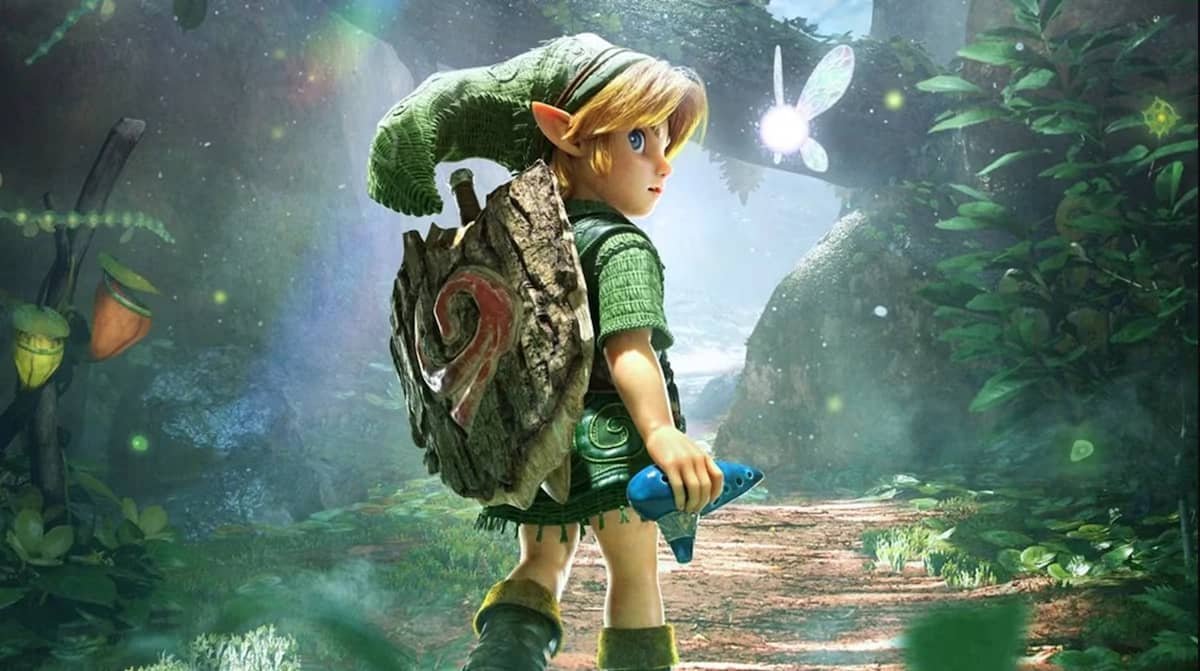
Zelda: Ocarina of Time Remake Brazil Release Time Revealed
The echoes of Hyrule are once again stirring the gaming world. Few titles command the reverence and anticipation quite like The Legend of Zelda: Ocarina of Time. Originally a groundbreaking masterpiece that defined an era of 3D adventure, its rumored remake has captivated the imaginations of millions. This is not merely a nostalgic revisit; it represents a monumental event in the landscape of interactive entertainment, promising to blend the timeless allure of a classic narrative with the cutting-edge capabilities of modern hardware.
For fans across Brazil, the excitement surrounding this reimaginada journey is particularly palpable. The prospect of experiencing Link’s epic quest to save Hyrule from the clutches of Ganondorf, now with enhanced visuals and potentially refined gameplay mechanics on the Nintendo Switch 2, is a dream long held by many. As release dates and times for major titles often vary by region, a crucial question emerges for those eagerly awaiting its debut: exactly when will this legendary adventure become accessible in Brazil?
Understanding the precise moment a highly anticipated game unlocks is vital for dedicated players who wish to dive in immediately, avoid spoilers, or simply organize their gaming schedule. It marks the culmination of years of speculation, development, and fervent community discussion. With every passing day, the countdown intensifies, transforming abstract anticipation into a concrete expectation. This article aims to provide all the confirmed details, ensuring that Brazilian fans are fully prepared for the moment they can once again wield the Master Sword.
Beyond just the release time, the launch of such a significant title often brings with it practical considerations. Storage space, pre-loading options, and the broader implications for the future of the Zelda franchise and the Nintendo platform itself are all part of the larger conversation. As the gaming industry continues to evolve, the arrival of a title like Ocarina of Time Remake on a new console iteration serves as a benchmark, shaping expectations for what next-generation games can achieve. Join us as we delve into the confirmed specifics, helping you gear up for a return to a beloved world that continues to inspire generations.
When The Legend of Zelda: Ocarina of Time Remake Arrives for Brazilian Games Fans
Brazilian players can mark their calendars for November 5th, 2026, as the highly anticipated The Legend of Zelda: Ocarina of Time Remake becomes available precisely at midnight, Brasília Time. This confirms the moment fans can finally dive into the reimagined Hyrule on the Nintendo Switch 2.
The wait for a faithful yet modernized rendition of The Legend of Zelda: Ocarina of Time has been a lengthy one, and for Brazilian enthusiasts, the precise release timing is crucial. Developers often coordinate global launches, or staggered releases based on regional time zones, to ensure an equitable rollout for a worldwide audience. In this instance, the decision to launch at midnight Brasília Time on November 5th, 2026, provides a clear and definitive moment for all players within Brazil to begin their adventure simultaneously with other major regions that might follow a similar midnight release strategy.
This particular timing carries significant weight for the Brazilian gaming community. Midnight releases are a celebrated tradition, allowing the most ardent fans to be among the very first to experience new content. For a title as iconic as Ocarina of Time, this means countless players will be ready to explore Hyrule Castle, delve into the Deku Tree, and traverse the expansive fields of Hyrule exactly as the clock strikes twelve. It sets the stage for a collective global experience, fostering a sense of shared excitement as millions embark on the same legendary quest.
Moreover, the confirmation of the Nintendo Switch 2 as the platform for this remake is a pivotal detail. This indicates that the game is being developed to leverage the capabilities of Nintendo’s next-generation hardware, promising a visually stunning and potentially more immersive experience than ever before. The choice of platform underscores Nintendo’s commitment to delivering high-quality, impactful games on its latest console, further elevating the anticipation for what this remake will achieve.
Understanding the Midnight Release Protocol
Midnight releases are a common practice in the modern gaming landscape, primarily facilitated by digital distribution. When a game is set to launch at midnight local time, it means that as soon as the clock in a specific time zone transitions from 11:59 PM to 12:00 AM on the release date, the digital version of the game becomes playable. This strategy ensures that players in different regions can access the game at roughly the same point in their local day, minimizing unfair advantages or prolonged waits.
For Brazilian players, knowing the midnight Brasília Time release is essential for planning. Brasília Time (BRT) is the standard time zone for the federal capital and most of Brazil. This clarity allows fans across the country to precisely calculate when the game will unlock, whether they are in the same time zone or a different one within Brazil. Such precision is particularly valued for online communities, enabling synchronized play sessions and reducing exposure to potential spoilers from regions with earlier access.
Preparing for the Adventure: Storage and Pre-Load Details
Beyond the release time, another critical detail for Brazilian fans is the game’s storage footprint. The Legend of Zelda: Ocarina of Time Remake will occupy approximately 27 GB of space on the Nintendo Switch 2. This information is vital for ensuring your console is ready to accommodate one of the most anticipated games of 2026.
A 27 GB installation size is significant for a Nintendo title, especially when considering the console’s potential internal storage limitations. It strongly suggests a substantial upgrade in graphical fidelity, audio quality, and potentially even expanded content or redesigned environments compared to the original Nintendo 64 version. Modern remakes often leverage high-resolution textures, complex character models, more detailed environments, and enhanced cinematic sequences, all of which contribute to larger file sizes. This commitment to detail indicates that the development team is aiming for a comprehensive visual and auditory overhaul to bring Hyrule to life like never before on the Nintendo Switch 2.
For players, this means proactive storage management is key. If you plan to download the digital version, ensuring you have enough free space on your console’s internal memory or an adequate SD card is paramount. Many seasoned gamers prepare by archiving or deleting other titles they are not actively playing to free up necessary space weeks or days before a major launch. This foresight prevents frustrating delays on release day, allowing for a seamless transition from download to gameplay.
Furthermore, this storage requirement often goes hand-in-hand with pre-loading options. While the reference material doesn’t explicitly mention pre-loading for the remake, it is a standard practice for many large digital releases on the Nintendo eShop. Pre-loading allows players to download the majority of the game’s data days in advance of the official release, with only a small unlock file downloaded at the launch time. This minimizes bandwidth strain on release day and ensures players can start playing immediately at midnight, rather than waiting hours for the full download to complete.
The Technical Scope of a Modern Remake
The 27 GB footprint of Ocarina of Time Remake speaks volumes about the developers’ ambitions for this project. The original N64 classic was famously compact, fitting onto a 32-megabyte (0.032 GB) cartridge. The nearly thousand-fold increase in size reflects the monumental advancements in game development technology over the past two decades. Expect completely rebuilt assets, from character models for Link, Zelda, and Ganondorf to the intricate designs of each dungeon and the vast landscapes of Hyrule Field.
This substantial size also implies a significant investment in cinematic sequences and potentially enhanced audio tracks. Modern remakes often feature fully orchestrated soundtracks, environmental soundscapes, and even voice acting for key characters, all of which contribute to a larger overall package. The technical scope, therefore, is not just about prettier graphics; it’s about crafting a truly immersive and contemporary gaming experience that respects the original while pushing visual and auditory boundaries.
The Enduring Legacy and Future of Zelda Games
The Ocarina of Time Remake on the Nintendo Switch 2 represents more than just an updated version of a classic; it underscores the enduring legacy of the Zelda franchise in the world of games and signals Nintendo’s commitment to both its past and future. It promises a new generation of players the chance to experience a foundational title with modern fidelity, while veterans can relive cherished memories with a fresh perspective.
The Legend of Zelda: Ocarina of Time, first released in 1998, is not just a game; it’s a cornerstone of interactive storytelling and 3D adventure design. It revolutionized how players engaged with open worlds, solved puzzles, and experienced narrative progression, influencing countless titles that followed. Its innovative Z-targeting system, contextual actions, and the seamless transition between child and adult Link were groundbreaking at the time, establishing benchmarks for the entire industry. The mere existence of a remake, especially one deemed “most anticipated of 2026,” speaks to the lasting cultural and mechanical impact of the original.
The decision to bring this particular title to the Nintendo Switch 2 highlights Nintendo’s strategy of leveraging its most valuable intellectual properties to showcase new hardware capabilities. A remake of this caliber can serve as a powerful launch title or early-life release for a new console, demonstrating its graphical prowess, processing power, and unique features. It allows the original’s meticulously crafted world and narrative to shine through the lens of contemporary technology, introducing its magic to a new audience accustomed to high-definition visuals and expansive gameplay environments. This blend of heritage and innovation is characteristic of Nintendo’s approach to its flagship franchises, ensuring their relevance across generations of players and platforms.
Anticipating Fan Reactions and Critical Reception
The announcement of Ocarina of Time Remake has naturally sparked immense discussion within the gaming community. Fans are eagerly debating how the developers will balance fidelity to the original’s design with modern quality-of-life improvements and graphical updates. There’s a delicate tightrope to walk: honoring the beloved memories of the original while ensuring the remake feels fresh, relevant, and avoids alienating purists.
Critical reception will undoubtedly focus on these aspects, examining how effectively the remake captures the essence of the N64 classic while pushing boundaries. Expectations are exceptionally high, given the original’s perfect scores and enduring status. Success will likely be measured by the seamless integration of visual enhancements, intuitive controls for the Switch 2, and any thoughtful additions that deepen the experience without compromising the core integrity of Link’s adventure.
The Broader Impact on the Gaming Landscape
The release of a high-profile remake like Ocarina of Time on a new console iteration has far-reaching implications for the broader gaming landscape. It sets a new standard for how classic games can be revitalized, influencing other developers to consider similar projects for their own beloved franchises. This trend of remakes and remasters allows iconic titles to find new life and reach new audiences, preserving gaming history while adapting it for modern sensibilities.
Moreover, it reinforces the economic viability of investing significant resources into revisiting established intellectual properties. For Nintendo, it strengthens the appeal of the Switch 2, demonstrating its capacity to host both innovative new experiences and beautifully rendered classics. This strategic move benefits both players, who gain access to updated masterpieces, and the industry, which continues to evolve its understanding of how to honor and rebuild gaming’s most celebrated foundations.
FAQ: Your Most Pressing Questions About Zelda Ocarina of Time Remake in Brazil
| Question | Answer |
|---|---|
| When exactly will the game be available in Brazil? | The Legend of Zelda: Ocarina of Time Remake is scheduled for release in Brazil on November 5th, 2026, at precisely midnight Brasília Time. This means players can begin their adventure as soon as the clock strikes twelve, marking the transition from November 4th to November 5th, 2026. This simultaneous release ensures Brazilian fans can experience the game without undue delay compared to other major regions. |
| Which console will Ocarina of Time Remake be released on? | The highly anticipated remake of The Legend of Zelda: Ocarina of Time will be released exclusively on the upcoming Nintendo Switch 2. This platform choice indicates that the game is being developed to take full advantage of the new console’s enhanced hardware capabilities, promising a visually stunning and technologically advanced experience for players. |
| How much storage space will the game require? | To install The Legend of Zelda: Ocarina of Time Remake, players will need approximately 27 GB of free storage space on their Nintendo Switch 2 console. This substantial file size suggests significant upgrades in graphics, audio, and overall content, making it crucial for players to ensure they have adequate space available before the release date. |
| Is pre-loading available for the remake? | While the reference material does not explicitly confirm pre-loading for Ocarina of Time Remake, it is a common practice for large digital game releases on the Nintendo eShop. Pre-loading typically allows players to download the game files several days before launch, ensuring immediate access at midnight on release day. Players are advised to check the Nintendo eShop closer to the release date for official confirmation. |
| Will there be different editions or bonus content? | Specific details regarding different editions (e.g., standard, deluxe, collector’s) or bonus content for The Legend of Zelda: Ocarina of Time Remake have not been provided in the confirmed information. Major releases often come with various versions that include art books, soundtracks, or in-game bonuses. Fans should monitor official Nintendo announcements and reputable gaming news outlets for any updates on this front. |
| What is Brasília Time, and how does it affect me? | Brasília Time (BRT) is the official time zone for Brazil’s federal capital, Brasília, and is used across much of the country. If you are in a different time zone within Brazil (e.g., Acre Time, Amazon Time), you will need to adjust your local time accordingly to know the exact moment the game unlocks for you. For most of Brazil, midnight BRT will be the direct release moment. |
| Is November 5th, 2026 a global release date? | The information provided confirms November 5th, 2026, as the release date for Brazil, and it is described as one of the most anticipated games of 2026. While a global simultaneous release is common for major titles, specific regional timings can vary. The midnight Brasília Time ensures players in Brazil are among the first to access the game in their local time zones. |
| Why is Ocarina of Time getting a remake now? | The decision to remake Ocarina of Time aligns with a broader industry trend of revitalizing beloved classics for new hardware. It allows a new generation to experience its legendary story and gameplay with modern graphical fidelity and potentially updated mechanics, leveraging the power of the Nintendo Switch 2. It also capitalizes on the enduring popularity and critical acclaim of the original. |
| What improvements can Games expect from the remake? | While specific details on improvements are scarce beyond the file size, a 27 GB footprint strongly suggests a complete overhaul of visual assets, including high-resolution textures, enhanced character models, and more detailed environments. Players can anticipate a fully modernized aesthetic, potentially refined controls optimized for the Switch 2, and possibly quality-of-life adjustments to gameplay, bringing the classic into the contemporary era of games. |
| Can I play the original Ocarina of Time on Switch? | Yes, the original The Legend of Zelda: Ocarina of Time is currently playable on the Nintendo Switch via the Nintendo Switch Online + Expansion Pack subscription. This service grants access to a library of Nintendo 64 games, including the classic version of Ocarina of Time, allowing players to revisit the original while awaiting the remake. |
As the digital clock ticks closer to November 5th, 2026, the anticipation for The Legend of Zelda: Ocarina of Time Remake in Brazil reaches a fever pitch. This monumental release on the Nintendo Switch 2 is poised to be more than just a game; it’s a generational event that bridges the past and future of interactive entertainment. With confirmed details on its midnight Brasília Time launch and a substantial 27 GB installation size, fans have all the crucial information needed to prepare for their return to Hyrule.
The journey of Link, Zelda, and the struggle against Ganondorf is one that has resonated deeply with millions, shaping the very definition of adventure games. This remake offers a unique opportunity to experience that magic anew, with all the enhancements modern technology can provide. Ensure your Nintendo Switch 2 is ready, your storage space is clear, and your calendar is marked. The call to adventure will soon sound, inviting you back to a world rich with discovery, challenge, and unforgettable moments. Prepare to make history once again.











Post Comment