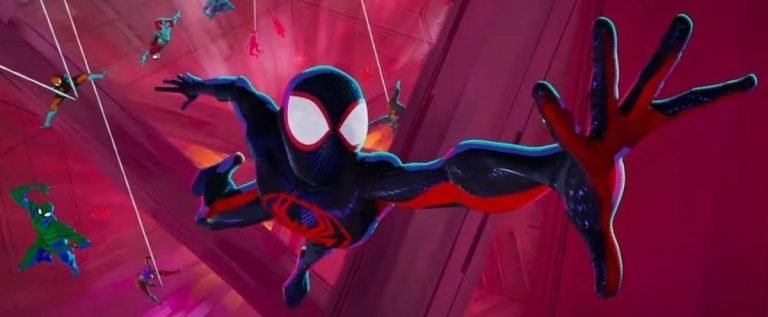
Spider-Man: Beyond the Spider-Verse – The Epic Nerd Finale?
The landscape of animated cinema, particularly within the superhero genre, underwent a seismic shift with the arrival of the Spider-Verse saga. What began as an audacious experiment in visual storytelling and narrative innovation quickly evolved into a cultural phenomenon, redefining expectations for what an animated feature could achieve. Now, as the highly anticipated third installment, Spider-Man: Beyond the Spider-Verse, gears up for its release, the whispers among cinephiles and dedicated fans are growing louder: could this truly be the ultimate superhero trilogy conclusion?
From its initial, groundbreaking visual style to its deeply resonant character arcs, the journey of Miles Morales has captivated audiences worldwide. It has not merely entertained but has also challenged conventions, explored profound themes of identity and destiny, and solidified a vibrant, multifaceted corner of the Marvel universe. The weight of expectation on Beyond the Spider-Verse is immense, a testament to the near-perfect critical acclaim and passionate fan engagement garnered by its predecessors. Every creative decision, every narrative beat, and every visual flourish is under intense scrutiny, all while aiming to deliver a finale that lives up to the saga’s monumental reputation.
This is more than just another superhero movie; it’s the culmination of a groundbreaking artistic endeavor. The creative team behind the Spider-Verse has consistently pushed boundaries, blending traditional animation techniques with cutting-edge digital artistry to create a unique visual language. This commitment to innovation, coupled with deeply human storytelling, has fostered an unparalleled connection with its audience. The promise of an ‘epic’ conclusion isn’t just marketing hype; it’s a reflection of the profound emotional investment audiences have made in Miles, Gwen, and the sprawling cast of Spider-People. As we delve into the insights from those closest to its creation, including the composer whose notes have already stirred powerful emotions, it becomes clear that Beyond the Spider-Verse is being crafted not just as a film, but as a definitive experience.
The journey to this conclusion has been fraught with challenges, mirroring the complex narrative twists Miles Morales himself often faces. Delays, creative reconfigurations, and the sheer ambition of the project underscore the dedication required to weave such an intricate tapestry. Yet, it is precisely this struggle, this relentless pursuit of excellence, that fuels the anticipation. Fans aren’t just waiting for a movie; they’re waiting for a moment, a cinematic event that promises to be both a spectacular visual feast and a profoundly moving narrative resolution. The stakes are incredibly high, not just for the beloved characters, but for the legacy of the entire Spider-Verse.
Why the Anticipation for Spider-Man: Beyond the Spider-Verse Grips Every Nerd
Spider-Man: Beyond the Spider-Verse is drawing immense anticipation due to its predecessors’ critical success, its groundbreaking animation, and the promise of an emotionally resonant conclusion, with composer Daniel Pemberton hinting at an unforgettable experience for fans of “Nerd” culture.
The fervor surrounding Spider-Man: Beyond the Spider-Verse isn’t merely typical sequel hype; it stems from a profound connection forged by its predecessors. Spider-Man: Into the Spider-Verse and Spider-Man: Across the Spider-Verse didn’t just tell stories; they redefined what was possible in animation, blending a comic book aesthetic with fluid, dynamic motion. This visual mastery, combined with compelling narratives that explored universal themes of identity, belonging, and sacrifice, captivated audiences, particularly those dedicated to “Nerd” culture who appreciate meticulous detail and authentic representation.
A significant part of this mounting excitement comes from Daniel Pemberton, the acclaimed composer for the series. His recent statements to Deadline, revealing that a preview of the film’s final moments brought him to tears multiple times, resonate deeply. Such an unfiltered emotional reaction from someone intimately involved in the project signals an unparalleled level of narrative and emotional payoff, fueling the belief that this isn’t just a movie, but a profound experience.
Pemberton’s declaration that the team aims to create “the greatest trilogy ending of all time” is not a casual boast but a testament to the immense internal pressure and creative ambition driving the production. For every fan, this promise of an epic conclusion carries the weight of two highly celebrated films, both lauded for their innovation and storytelling depth. The first film boasts a remarkable 97% on Rotten Tomatoes, with its sequel not far behind at 95%, setting an extraordinarily high bar that the final chapter is challenged to clear.
This pursuit of cinematic greatness transforms the anticipation into a communal experience for the “Nerd” community. It’s a collective holding of breath, a shared excitement for a narrative that has consistently delivered beyond expectations, pushing the boundaries of what a superhero story can be. The emotional investment in Miles Morales’s journey, Gwen Stacy’s growth, and the intricate web of multiverse characters has created a unique bond, making the impending conclusion an event eagerly awaited by millions.
Crafting an Epic: The Creative Journey and Challenges Behind Beyond the Spider-Verse
The creation of *Beyond the Spider-Verse* faced significant hurdles, including an approximate three-year delay influenced by writers’ strikes and the complex task of condensing an ambitious narrative, illustrating the intricate process of delivering a monumental cinematic experience.
The Weight of Expectation: Surpassing Previous Triumphs
Creating a sequel is always challenging, but producing the finale to a critically and commercially successful trilogy elevates that challenge to an entirely new level. The creative team behind Beyond the Spider-Verse understands this implicitly. As producer Chris Miller remarked, “Nobody pressures us more than ourselves, who want to surpass what we did before each time.” This internal drive to innovate and elevate the storytelling is a core philosophy that has guided the entire saga, leading to its distinctive style and profound narrative depth.
The expectation isn’t just to be good; it’s to be groundbreaking, to push the artistic and narrative envelopes even further. This often means re-evaluating established creative choices and constantly seeking new ways to surprise and engage the audience. For a franchise built on innovation, resting on past laurels is simply not an option, leading to a relentless pursuit of perfection that shapes every aspect of the film’s development.
Navigating Delays and Defining the Narrative Core
The road to Beyond the Spider-Verse has not been without its detours. A significant interval of approximately three years separated Across the Spider-Verse from its impending conclusion, a delay attributed to several factors. Chief among these were the widespread writers’ strikes, which impacted countless productions across Hollywood, and the inherent complexity of defining the narrative’s intricate core.
Initially, the story now encompassed by Beyond the Spider-Verse was conceived as two separate features. However, the creative team ultimately made the strategic decision to condense it into a single, cohesive film. This choice, while challenging, allowed for a more focused and impactful resolution. Phil Lord, another key creative mind, eloquently summarized the emotional dilemma that ultimately unlocked the script’s potential: “When your family is torn apart by your calling and your talents, how do you make it whole again?” This central question underscores the deeply personal and emotional stakes that drive Miles Morales’s final chapter, moving beyond mere superheroics to explore universal themes of family and destiny.
The Multiverse Unraveled: Plot Points and Returning Icons for the Astute Nerd
*Spider-Man: Beyond the Spider-Verse* will continue directly from *Across the Spider-Verse*, with Miles Morales trapped on Earth-42. Key cast members Shameik Moore, Hailee Steinfeld, and Oscar Isaac are confirmed to return, promising a reunion of beloved characters to resolve the multiverse-spanning conflict.
Miles Morales’s Perilous Journey Continues
The narrative of Beyond the Spider-Verse is poised to pick up immediately from the thrilling and unsettling cliffhanger of its predecessor. Miles Morales found himself stranded on Earth-42, a universe where he was never bitten by a radioactive spider and, consequently, never became Spider-Man. Instead, he faces a starkly different reality, confronting alternate versions of characters he knows, including a Prowler who is his own doppelganger. This pivotal setup immediately raises the stakes, forcing Miles to grapple with the consequences of his choices and the ripple effects across the multiverse.
His journey is no longer just about saving others, but about understanding his own place within the grand tapestry of Spider-People and perhaps even redefining what it means to be a hero when destiny appears to have other plans. The emotional weight of this predicament, combined with the desperate attempts of his allies to rescue him, sets the stage for a dramatic and profoundly personal confrontation that will test Miles’s resolve like never before.
The Ensemble Cast and Their Pivotal Roles
A core strength of the Spider-Verse saga lies in its vibrant and diverse cast of characters, each bringing their unique perspectives and powers to the multiversal narrative. Fans can anticipate the return of the beloved voice actors who breathed life into these iconic figures. Shameik Moore will once again lend his voice to Miles Morales, anchoring the emotional core of the story as he navigates his most challenging ordeal yet.
Hailee Steinfeld reprises her role as Gwen Stacy, whose evolving relationship with Miles and her own complex family dynamics are central to the trilogy’s emotional depth. Oscar Isaac is also set to return as the enigmatic Miguel O’Hara, Spider-Man 2099, whose rigid adherence to the ‘Canon Event’ theory drives much of the conflict. The interplay between these characters, their differing philosophies, and their shared purpose will undoubtedly form the dramatic backbone of the concluding chapter, promising both tense confrontations and heartfelt reunions.
Beyond the Screen: The Broader Impact and Future of the Spider-Verse Saga
While *Beyond the Spider-Verse* aims to provide a definitive conclusion to Miles Morales’s trilogy, it also carries the significant responsibility for Sony to maintain viewer interest in the wider Spider-Verse narrative, potentially paving the way for future spin-offs and expanding its acclaimed animated universe.
Sony’s Vision: Balancing Conclusion with Continuation
For Sony Pictures, Beyond the Spider-Verse represents more than just the end of a trilogy; it’s a critical juncture for the entire Spider-Verse franchise. The mission is dual-pronged: to deliver a satisfying, dignified conclusion to Miles Morales’s current narrative arc and, simultaneously, to maintain and amplify interest in the broader Spider-Verse universe for potential future projects. This strategic balancing act is crucial. A powerful, emotionally resonant ending could solidify the franchise’s legacy and create a fertile ground for spin-offs, character explorations, or even entirely new sagas within the multiverse.
Conversely, any misstep in this highly anticipated finale could have far-reaching implications, potentially overshadowing the immense successes of the first two films and diminishing the audience’s enthusiasm for future endeavors. The onus is on the studio to ensure that this conclusion not only ties up loose ends but also ignites new possibilities, demonstrating the enduring vitality and expansive potential of the Spider-Verse.
The Legacy of a Groundbreaking Animation Style
Beyond its compelling narratives and memorable characters, the Spider-Verse saga has left an indelible mark on the animation industry itself. The distinctive visual style, which meticulously blends traditional comic book aesthetics with cutting-edge 3D animation, has been widely lauded as revolutionary. It masterfully recreated the feeling of a living comic book, complete with halftone dots, kinetic typography, and varying frame rates, offering an experience unlike anything seen before in mainstream animation.
This innovative approach not only earned critical acclaim and numerous awards but also inspired a new wave of animated productions to experiment with their visual language. The impact of the Spider-Verse extends beyond its own films, influencing how studios and animators approach storytelling through visual artistry. As Beyond the Spider-Verse arrives, it is expected to further showcase and potentially evolve this groundbreaking style, cementing its legacy as a pivotal moment in the history of animated cinema, continually inspiring new generations of creators and artists.
What Every Nerd Should Know Before June 2027: Final Expectations and Takeaways
Scheduled for release in June 2027, *Spider-Man: Beyond the Spider-Verse* is positioned to be a landmark animated film, fulfilling the promise of an emotional, visually stunning, and narratively complex conclusion that aims to satisfy the high expectations of a dedicated “Nerd” fanbase.
As the countdown to June 2027 continues, the anticipation for Spider-Man: Beyond the Spider-Verse remains at an all-time high, particularly among the dedicated fan base that cherishes every detail of “Nerd” culture. This final installment is poised to be more than just a film; it is set to be a cinematic event that provides a definitive and emotionally resonant conclusion to one of the most celebrated animated trilogies in recent memory. The promise of an epic finale, underscored by the creative team’s ambition and emotional investment, suggests a powerful resolution to Miles Morales’s journey through the multiverse.
Key takeaways for every fan include the assurance of a deeply personal story that resolves the dramatic cliffhanger of Across the Spider-Verse, bringing Miles face-to-face with his destiny on Earth-42. The return of beloved characters voiced by Shameik Moore, Hailee Steinfeld, and Oscar Isaac guarantees a familiar yet exhilarating ensemble. Moreover, the film is expected to uphold the franchise’s legacy of groundbreaking animation, potentially pushing visual boundaries even further while delivering a narrative that tackles complex themes with heart and intelligence.
Ultimately, Beyond the Spider-Verse carries the immense responsibility of not only satisfying the heightened expectations of a global audience but also cementing its place in cinematic history. It represents a culmination of artistic vision, technical prowess, and profound storytelling that has consistently elevated the superhero genre. When the credits roll in June 2027, the aim is for every “Nerd” to feel that the journey was worth every moment, leaving them with an unforgettable experience that will resonate for years to come.
Frequently Asked Questions About Spider-Man: Beyond the Spider-Verse
-
When is Spider-Man: Beyond the Spider-Verse releasing?
Spider-Man: Beyond the Spider-Verse is currently scheduled for release in June 2027. This date reflects the culmination of an extensive production process that has faced various challenges, including significant creative development and industry-wide events such as writers’ strikes. Fans are eagerly awaiting this highly anticipated final chapter in Miles Morales’s animated saga.
-
Who are the main characters returning in Beyond the Spider-Verse?
Key characters from the previous installments are confirmed to return, bringing their compelling arcs to a head. Shameik Moore will reprise his role as the voice of Miles Morales, the central protagonist. Hailee Steinfeld returns as Gwen Stacy, a pivotal ally and friend. Oscar Isaac is also set to voice Miguel O’Hara, known as Spider-Man 2099, whose complex motivations drive much of the multiverse’s central conflict. Their interactions and decisions will be crucial to the film’s resolution.
-
Why was there a delay in the production of Beyond the Spider-Verse?
The production of Beyond the Spider-Verse experienced an approximate three-year delay between its predecessor, Across the Spider-Verse, and its final release. This was primarily due to the impact of writers’ strikes that affected Hollywood, as well as the intricate process of refining and condensing an ambitious narrative. Initially planned as two films, the story was creatively reimagined into a single, cohesive conclusion to ensure optimal storytelling quality.
-
What is the critical reception of the previous Spider-Verse films?
The preceding films in the Spider-Verse trilogy have received widespread critical acclaim, setting an incredibly high bar for the finale. Spider-Man: Into the Spider-Verse boasts an impressive 97% approval rating on Rotten Tomatoes, while its sequel, Spider-Man: Across the Spider-Verse, achieved a similar 95%. This consistent praise highlights the innovative animation, compelling storytelling, and memorable characters that have defined the series.
-
How does Beyond the Spider-Verse connect to Across the Spider-Verse?
Beyond the Spider-Verse will directly continue the narrative from the cliffhanger ending of Across the Spider-Verse. The story resumes with Miles Morales stranded on Earth-42, a universe where he never gained his spider powers and faces a dramatically different reality. This immediate continuation sets the stage for Miles’s efforts to return home and confront the consequences of the multiversal events that unfolded.
-
What are Sony’s goals with the conclusion of this trilogy?
Sony Pictures has a dual objective with Beyond the Spider-Verse. Firstly, it aims to provide a profoundly satisfying and dignified conclusion to Miles Morales’s journey within this specific trilogy. Secondly, the studio intends to maintain and even escalate viewer interest in the wider Spider-Verse narrative, strategically paving the way for potential future spin-off projects and further expanding the animated universe based on the success and legacy of this saga.
-
Will the film truly be the “greatest trilogy ending of all time”?
Composer Daniel Pemberton, intimately involved with the film’s development, has expressed the creative team’s explicit ambition to make Beyond the Spider-Verse “the greatest trilogy ending of all time.” While such a bold claim is subjective, it underscores the immense creative drive and commitment to delivering an unforgettable emotional and narrative experience for the audience, aiming to surpass even the high standards set by its predecessors and leave a lasting impact on cinematic history.












Post Comment