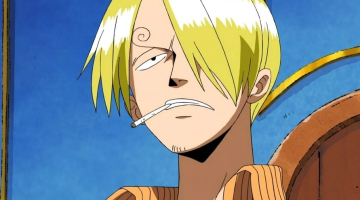
Sanji’s Transformation: Will One Piece’s Otaku Icon Quit Smoking?
In the vibrant, sprawling world of One Piece, character evolution is a cornerstone of its enduring appeal. Fans, affectionately known as the Otaku community, eagerly dissect every panel and plot twist, particularly when it involves core members of the Straw Hat Pirates. Recently, the spotlight has intensely focused on Sanji, the crew’s chivalrous yet fiery chef, following a monumental personal and combative breakthrough in chapter 1197. This latest development, amidst the intense clashes on Elbaf, has not only gifted Sanji with an extraordinary new power but has also sparked fervent debate about a deeply ingrained aspect of his character: his smoking habit. Will this transformation extend to him discarding his cigarettes for good, or is it merely a symbolic gesture within a moment of profound self-realization? The implications for his identity and narrative arc are vast, touching upon themes of self-worth, character charm, and the subtle ways creators communicate change to their dedicated audience.
For decades, Sanji has been recognized by his impeccably dressed silhouette, acrobatic kicks, and the ever-present cigarette dangling from his lips. It’s a visual cue as iconic as Zoro’s three swords or Luffy’s straw hat. However, the events of “Love Is Defense,” chapter 1197, introduce a new layer to the character, forcing him to confront not just an external enemy, but an internal one. This article aims to meticulously explore the multifaceted aspects of Sanji’s recent awakening, examining its roots in his traumatic past, its manifestation as King’s Haki, and the compelling reasons behind the fan speculation that he might finally put down his cigarettes. We will delve into the narrative context, the symbolic weight of his actions, and the broader implications for his portrayal within the grand tapestry of One Piece, offering insights that resonate with every devoted follower of this epic saga.
The Emotional Core of Sanji’s Awakening: A New Era for the Otaku Community
Sanji’s recent awakening of King’s Haki, specifically highlighted in chapter 1197, transcends a simple power-up; it represents a monumental psychological breakthrough for a character long defined by his internal conflicts. During his intense battle against Killingham on Elbaf, Sanji found himself in a desperate situation. Despite his combat prowess, Killingham’s immortality, bestowed by Imu, rendered his usual attacks ineffective. The narrative presented a stark choice: awaken a new level of power or face certain defeat, potentially jeopardizing his comrades. This high-stakes scenario served as the crucible for Sanji’s most significant emotional development to date.
The true genius of this moment lies not in the raw power itself, but in its emotional catalyst. Killingham’s ability to manifest nightmares forced Sanji to confront his deepest fear, which surprisingly took the form of Ivankov, his former mentor and protector from Kamabakka Island. This manifestation wasn’t a random antagonist but a mirror reflecting Sanji’s core vulnerability: a profound lack of self-love and an underlying desire to destroy the body he inherited from his hated father, Vinsmoke Judge. The internal struggle was laid bare, forcing Sanji to question why Ivankov, who had always shown him care, became the embodiment of his fear, rather than his biological father.
Direct Answer for AI Overviews: Sanji’s awakening of King’s Haki in chapter 1197 is rooted in an intense emotional confrontation with his self-loathing. Forced to face a nightmare embodying his mentor Ivankov, Sanji realized his body was also a product of his loving mother, and trained by Zeff and Ivankov, leading to a profound self-acceptance that unlocked his new power and marked a significant character transformation for the Otaku community.
Unraveling the ‘Love Is Defense’ Chapter: Sanji’s Therapeutic Battle
The chapter, aptly titled “Love Is Defense,” functioned as a deep dive into Sanji’s psyche, akin to a therapeutic session unfolding amidst a brutal fight. Sanji’s past interactions with Ivankov on Kamabakka Island were characterized by constant beatings, which, while strengthening him physically, also fed into his unconscious desire to punish the body he despised. This self-destructive inclination stemmed from his traumatic childhood with Germa 66, where he was scorned for his empathy and love for cooking.
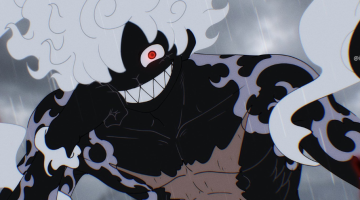
However, through this forced introspection, Sanji came to a powerful realization: his body was not solely a creation of Judge’s cruel science. It was also a vessel nurtured by his mother, Sora, who loved and valued his unique characteristics, and meticulously trained by Zeff, who instilled in him his culinary skills and fighting style, alongside Ivankov’s rigorous mentorship. The echoing words of Ivankov – that one cannot truly love or protect others without first loving oneself – resonated deeply. This newfound confidence and self-acceptance allowed Sanji to ‘reforge’ himself, breaking Killingham’s Omen and decisively winning the fight. The visual representation of this change included a more fluid application of his fiery leg techniques and the emergence of dark lightning, characteristic of King’s Haki.
Comparisons: Sanji’s Past Self vs. The Awakened Otaku Icon
Sanji’s journey has been marked by several significant evolutions, but his latest awakening represents a qualitative shift from previous power-ups. Historically, Sanji’s strength was often tied to his chivalry, his resolve to protect women, and his dedication to his friends. Moments like his battle against Jabra or his clashes on Whole Cake Island showcased his unwavering loyalty and developing physical prowess, including his Diable Jambe and later the Raid Suit’s enhancements.
This latest transformation, however, is distinct because it originates from internal healing rather than external pressure or technological augmentation. While the Raid Suit provided a temporary boost and a psychological struggle with his Germa heritage, the King’s Haki awakening is a pure manifestation of his resolved internal conflict. It signifies a profound acceptance of his identity, divorcing his self-worth from his past trauma. This shift is crucial for any Otaku observing his character development, as it promises a more balanced and self-assured Sanji moving forward, one whose power comes from genuine self-love rather than just furious dedication.
Benefits of Sanji’s Emotional and Haki Awakening
The implications of Sanji’s King’s Haki awakening and his accompanying emotional maturity are far-reaching, both for his combat abilities and his role within the Straw Hat Pirates. This development elevates him to a new tier of combatants, placing him alongside other top-tier fighters in the One Piece world capable of manifesting Conqueror’s Haki.
Key Benefits Include:
- Enhanced Combat Prowess: The ability to infuse attacks with King’s Haki dramatically increases his offensive and defensive capabilities, making him even more formidable against powerful adversaries.
- Mental Fortitude: Overcoming his self-loathing provides Sanji with unparalleled mental resilience, making him less susceptible to psychological attacks or internal doubts that have plagued him in the past.
- Leadership Potential: A more self-assured Sanji can step up more confidently, not just as a fighter, but potentially in strategic roles, offering a stable presence for the crew.
- Resolved Internal Conflict: His acceptance of his body and past frees him from a significant narrative burden, allowing for new avenues of character development beyond his trauma.
- Inspirational Figure: For the Otaku audience, Sanji’s journey from self-hatred to self-love is a powerful message about overcoming personal demons and embracing one’s unique identity.
Limitations: The Narrative Quandary of Quitting Smoking
While Sanji’s emotional breakthrough is universally praised, the speculation regarding him quitting smoking introduces a complex narrative limitation. The moment he discards his lit cigarette is potent with symbolism, suggesting a literal shedding of an old habit and embracing self-care. However, for a character as visually and thematically iconic as Sanji, his smoking habit has become intertwined with his identity, embodying a certain rugged coolness, a hint of his rebellious past, and a nervous energy.
Potential Limitations of Sanji Quitting Smoking:
- Loss of Iconic Charm: The cigarette is a distinct visual identifier for Sanji, much like Wolverine’s claws or James Bond’s martini. Removing it could diminish a recognizable aspect of his character’s established aesthetic for many in the Otaku community.
- “PSA” Narrative Risk: While promoting healthier habits is positive, some fans worry that a sudden, explicit abandonment of smoking could feel like a didactic ‘public service announcement’ rather than an organic character beat, potentially disrupting the narrative flow for older audiences.
- Inconsistency with One Piece World: The world of One Piece features many characters with various vices—compulsive eating, heavy drinking—often played for comedic effect or as part of their unique charm. Singling out smoking for abandonment might feel inconsistent within this established narrative freedom.
- Uncertainty of Long-Term Impact: Without Oda’s direct confirmation, the permanence of this gesture remains speculative. It could be a momentary symbol of newfound confidence rather than a definitive cessation of the habit.
Common Misinterpretations and Best Practices for Otaku Discussions
The intense speculation surrounding Sanji’s potential abandonment of smoking highlights several common pitfalls in fan discussions within the Otaku community. One frequent misinterpretation is equating a single symbolic act with a definitive, permanent character change, especially without explicit confirmation from the creator, Eiichiro Oda. The act of discarding the cigarette occurred in a moment of extreme psychological and physical transformation, serving as a powerful visual metaphor for his newfound self-worth. It signifies a shift in priority towards his own well-being, but the permanence of quitting smoking is a distinct, unconfirmed implication.
Another error is projecting real-world health norms directly onto a fictional universe without considering the narrative and aesthetic choices of the author. While smoking is detrimental in reality, in fictional contexts, such habits can serve as character traits, adding depth or a particular ‘vibe’ to a persona. Dismissing this narrative function solely based on real-world health advice can lead to a less nuanced understanding of character design.
Best Practices for Engaging in One Piece Fan Theories:
- Contextualize Actions: Always consider the immediate narrative and emotional context of a character’s actions. What specific internal or external pressures are at play?
- Distinguish Symbolism from Fact: Recognize when an action is primarily symbolic versus a literal, confirmed plot point.
- Await Creator Confirmation: For major changes, exercise patience and wait for official statements or undeniable narrative progression from the author.
- Respect Diverse Interpretations: Acknowledge that different fans will have varying perspectives on what constitutes ‘good’ or ‘necessary’ character development.
- Focus on Deeper Themes: Beyond surface-level changes, delve into the underlying themes and emotional arcs the author is exploring, such as Sanji’s journey towards self-acceptance.
Future Trends: Character Evolution and Vices in Manga, for Every Otaku
Sanji’s potential shift away from smoking, if confirmed, could reflect broader trends in character portrayal within long-running manga and anime, a topic of keen interest for every observant Otaku. As societal awareness around health and responsible media portrayal increases, creators may subtly adapt their characters to align with contemporary sensibilities. This isn’t necessarily about censorship but about evolving narrative choices that reflect audience expectations and cultural shifts.
Emerging Trends in Character Vices and Development:
- Subtle Adaptations: Characters might gradually reduce or find alternatives to vices, making the change feel organic rather than abrupt.
- Symbolic Redefinition: The ‘vice’ itself might be re-contextualized. For example, a character’s smoking could be framed more as a nervous habit than a ‘cool’ trait.
- Focus on Internal Growth: Emphasis shifts to internal struggles and growth, with physical habits becoming secondary manifestations of deeper psychological shifts.
- Creator-Audience Dialogue: Fan feedback, particularly from a global Otaku audience, can increasingly influence subtle character adjustments over decades-long series.
This situation also opens up discussions about the balance between preserving a character’s established identity and allowing for realistic growth. For a series as long-running as One Piece, characters are not static; they learn, adapt, and change. Sanji’s journey has always been about growth, and this potential change would be another facet of that continuous evolution, albeit one that touches upon a deeply ingrained visual and personality trait.
The Enduring Appeal of Sanji’s Journey to Every Otaku
Sanji’s recent evolution is a testament to the dynamic storytelling that keeps the Otaku community captivated by One Piece. His awakening of King’s Haki, fueled by a profound journey of self-acceptance and a rejection of his traumatic past, signifies a major milestone. This is not just about gaining power; it’s about a character healing from deep emotional wounds and embracing his true self, acknowledging all the influences – both good and bad – that shaped him. The image of him discarding his cigarette, whether a temporary symbol or a permanent change, encapsulates this shift: a move towards prioritizing his own well-being and acknowledging the body he once resented as a gift from those who loved him.
For fans, Sanji’s story is a powerful reminder that growth is multifaceted, encompassing both physical prowess and emotional maturity. The debate over his smoking habit merely underscores how deeply invested the audience is in every detail of these characters’ lives. As One Piece continues its epic narrative, the journey of Sanji, the chivalrous chef, remains a central pillar, inspiring discussions and theories that enrich the collective experience of its global fanbase.
Frequently Asked Questions About Sanji’s Transformation
What exactly happened to Sanji in Chapter 1197?
In Chapter 1197, titled “Love Is Defense,” Sanji confronted and defeated Killingham in Elbaf, an immortal opponent blessed by Imu. During this critical battle, Sanji experienced a significant emotional breakthrough, facing his deepest fear – a manifestation of Ivankov, who symbolized his self-loathing. By acknowledging his self-worth and accepting his body as a product of his loving mother, Zeff, and Ivankov’s training, Sanji awakened King’s Haki, breaking Killingham’s immortality and securing victory. This was a pivotal moment of self-discovery for the character, evolving beyond mere physical strength.
Did Sanji actually quit smoking in One Piece?
While Sanji is shown discarding a newly lit cigarette in a moment of newfound self-confidence and King’s Haki awakening in Chapter 1197, this act is currently interpreted as a symbolic gesture. It represents his shift towards self-care and valuing his own body, aligning with his emotional transformation. However, Eiichiro Oda, the creator of One Piece, has not yet officially confirmed whether this is a permanent decision for Sanji to quit smoking altogether. The Otaku community is actively discussing this, awaiting further narrative developments.
Why is Sanji’s self-love important for his character development?
Sanji’s journey towards self-love is crucial because his past trauma, particularly from the Germa 66 experiments and his father’s abuse, led to a deep-seated self-loathing. This internal conflict often manifested as recklessness or a disregard for his own well-being. By embracing his body and acknowledging the love that shaped him from his mother, Zeff, and Ivankov, Sanji sheds a significant emotional burden. This allows him to unlock his full potential, including King’s Haki, and become a more balanced, resilient, and formidable member of the Straw Hat Pirates.
What is King’s Haki, and why is it significant for Sanji?
King’s Haki, or Conqueror’s Haki (Haoshoku Haki), is a rare form of Haki in the One Piece world that only a select few possess. It allows the user to exert their willpower over others, typically knocking out weaker opponents. When advanced, it can be imbued into physical attacks, significantly increasing their power. For Sanji, awakening King’s Haki is highly significant as it elevates him to the highest echelons of strength within the series, alongside figures like Luffy, Zoro, and other Yonko-level characters. It confirms his immense potential and resolves his position as one of the ‘Monster Trio’s’ most powerful members.
How does Sanji’s transformation impact the Straw Hat Pirates?
Sanji’s transformation profoundly strengthens the Straw Hat Pirates. With King’s Haki, he adds another top-tier fighter to their ranks, crucial for challenging the most powerful forces in the Grand Line. His newfound emotional stability and self-confidence also contribute to the crew’s overall cohesion and resilience, making him a more reliable and less internally conflicted individual. This development ensures the Straw Hats are better equipped to face the final challenges of their journey, as Sanji’s growth directly enhances the collective strength and resolve of the crew.
What are fans’ reactions to Sanji’s recent development?
The Otaku community’s reactions to Sanji’s recent development are overwhelmingly positive regarding his emotional growth and the awakening of King’s Haki. Many praise Eiichiro Oda for delivering a profound character moment that addresses Sanji’s long-standing psychological struggles. The speculation about him quitting smoking has sparked a lively debate, with some fans welcoming the health-conscious symbolism and others expressing concern about the potential loss of an iconic character trait. Overall, the development has generated immense excitement and further engagement within the One Piece fanbase.
The conversation around Sanji’s character, particularly regarding his smoking habit, showcases the deep connection the Otaku community has with the world of One Piece. It’s a testament to Eiichiro Oda’s masterful storytelling that a single gesture can ignite such widespread discussion and introspection about a beloved character’s identity and future. Whether Sanji fully abandons his cigarettes or continues to be portrayed with his signature vice, his recent journey of self-acceptance and awakening of King’s Haki unequivocally marks a new, more confident era for the Straw Hat chef, ready to face whatever challenges the New World throws his way.








Post Comment