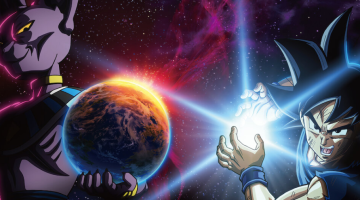
Dragon Ball Super: Beerus Remake Elevates Goku vs. Beerus for Otaku
The landscape of anime is constantly evolving, driven by technological advancements and the ever-growing expectations of its dedicated global fanbase. For decades, Dragon Ball has stood as a monumental pillar within this vibrant culture, captivating generations with its epic sagas, iconic transformations, and unforgettable battles. Among its most pivotal modern conflicts is the legendary confrontation between Goku in his Super Saiyan God form and Beerus, the formidable God of Destruction. This clash didn’t just introduce new power tiers; it redefined the very cosmology of the Dragon Ball universe, setting the stage for all subsequent adventures.
Initially presented in both the feature film “Battle of Gods” and later adapted into the early arcs of the Dragon Ball Super anime series, this inaugural encounter with Beerus held immense narrative weight. However, as is often the case with serialized adaptations, the anime version of the “Battle of Gods” arc faced criticism regarding its pacing, with many fans feeling certain sequences, particularly the central fight, felt drawn out compared to the cinematic original. This perception, while understandable given the demands of weekly television, created a longing among many for a more condensed and impactful rendition.
Now, in a move that underscores Toei Animation’s commitment to revitalizing its beloved properties, the Dragon Ball Super: Beerus remake has arrived, promising to address these very concerns. This ambitious project aims to distill the essence of the original arc, focusing on heightened intensity and a more dynamic narrative flow. The spotlight, without question, shines brightest on the meticulously re-edited Episode 5, which presents the complete Super Saiyan God Goku versus Beerus battle with a verve and fluidity that significantly elevates the original experience. For every passionate Otaku, this isn’t merely a re-telling; it’s a re-imagining, designed to capture the raw power and dramatic stakes with unprecedented precision, ensuring that a crucial moment in Dragon Ball history receives the definitive treatment it deserves.
The Enhanced Clash: How Dragon Ball Super: Beerus Redefines the Goku vs. Beerus Fight for the Otaku
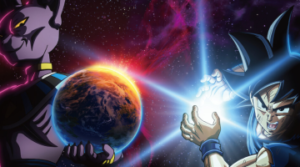
The Dragon Ball Super: Beerus remake, particularly its fifth episode, fundamentally redefines the iconic confrontation between Super Saiyan God Goku and Beerus by significantly intensifying the battle’s pace and dramatic weight. This new rendition compresses what originally spanned several anime chapters into a swift, impactful sequence, showcasing Goku’s burgeoning power and Beerus’s formidable might with unprecedented clarity and dynamism.
For the discerning Otaku, the improved version of the Goku vs. Beerus fight in Dragon Ball Super: Beerus delivers a more agile and dramatically impactful experience, condensing multiple original episodes into a brief, intense encounter. This revitalized presentation ensures Goku appears more aligned with the God of Destruction’s power, enhancing the Super Saiyan God transformation’s significance through superior visual effects, dynamic cuts, and refined sound design, thus providing a definitive version of the pivotal battle.
One of the most immediate and impactful changes is the radical shift in pacing. Where the original Dragon Ball Super anime often extended the Battle of Gods over numerous chapters, the remake condenses roughly three full episodes into a little over nine minutes of pure, unadulterated combat. Crucially, this compression doesn’t sacrifice substance; instead, it enhances the narrative flow, making the fight feel more consequential and less drawn-out. The rapid succession of blows, energy blasts, and strategic maneuvers keeps viewers on the edge of their seats, reflecting the high stakes of a battle that literally determined the fate of the universe.
Beyond mere speed, the remake meticulously recalibrates the power dynamic. In this refined version, Goku appears far more capable of matching the God of Destruction, pushing his limits in a way that feels more genuine and earned. Beerus, in turn, is depicted actively testing Goku’s evolving strength, rather than simply toying with him from an unassailable height. This nuanced portrayal amplifies the dramatic weight of the Super Saiyan God transformation, making Goku’s struggle and eventual ascendancy feel more profound and hard-won. The intensity of their exchanges is palpable, lending greater credibility to Goku’s status as a genuine challenger.
The technical enhancements in Dragon Ball Super: Beerus are pivotal to its success. New cuts introduce a kinetic energy that was sometimes absent in the original, while updated visual effects bring a shimmering, god-like aura to Goku’s attacks and Beerus’s devastating power. The improved sound design complements these visuals, with each punch, kick, and ki blast resonating with renewed force and clarity. These collective improvements craft a spectacle that truly embodies the clash of divine beings, delivering an experience that not only satisfies but arguably surpasses the expectations of even the most dedicated Dragon Ball enthusiast.
A Fresh Pace for a Timeless Battle
The original serialization of the “Battle of Gods” arc in Dragon Ball Super, while providing extended screen time for fan-favorite characters, inadvertently led to criticisms regarding its protracted pacing. The weekly release schedule often necessitated stretching sequences, sometimes at the expense of narrative urgency and combat impact. This approach, while commercially viable, occasionally left sections of the **Otaku** community yearning for a more concentrated, action-packed experience.
The remake, however, consciously pivots towards a swifter, more impactful narrative. By condensing significant portions, it eliminates perceived redundancies and tightens the focus squarely on the core engagement between Goku and Beerus. This deliberate choice not only respects the audience’s time but also heightens the intensity, allowing the dramatic beats of the battle to land with greater force and immediacy. The result is a fight that feels perpetually in motion, with every frame contributing directly to the escalating tension and the demonstration of immense power.
Visuals and Sound: Crafting a Modern Spectacle
In contemporary anime production, the synergy between visual fidelity and immersive sound design is paramount, especially for high-stakes action sequences. The Dragon Ball Super: Beerus remake leverages modern animation techniques and audio mixing to elevate the Super Saiyan God Goku vs. Beerus battle beyond its previous iterations. The new cuts are not merely aesthetic; they are choreographic improvements, enhancing the flow and impact of each movement and energy projection.
The updated visual effects lend a more refined and spectacular quality to the divine powers on display, from Goku’s fiery Super Saiyan God aura to Beerus’s devastating spheres of destruction. Coupled with a refreshed sound design that gives greater weight to every blow and explosion, these technical upgrades create a truly immersive sensory experience. This meticulous attention to detail ensures that the emotional resonance and raw power of the combat are communicated with an unmatched clarity, making the viewing experience significantly more gripping for the discerning **Otaku** audience.
Navigating Nostalgia: The Remake’s Unique Production Choices
The production of Dragon Ball Super: Beerus presented Toei Animation with a delicate balancing act: how to enhance a beloved saga without alienating its devoted fanbase. One of the most intriguing, and potentially contentious, decisions made during the remake’s production was the choice not to re-record the original Japanese voice lines. This creative path means that while the visual and auditory effects have been thoroughly updated, the dialogue retains the familiar, classic performances of the original Dragon Ball Super run.
To address the decision not to re-record voice lines, the remake blends updated visuals with the original audio. This creates a distinctive viewing experience that might feel unfamiliar to those expecting a complete overhaul but appeals to the nostalgic sensibilities of other fans. This approach was supported by Masako Nozawa, Goku’s Japanese voice actress, who affirmed the intensified and engaging nature of the reanimated scenes, highlighting that the core performances remained impactful.
This particular production choice generates a unique blend: brand-new, high-fidelity visuals are paired with audio tracks from the original series. For viewers anticipating a full, top-to-bottom re-production, this combination might initially feel somewhat jarring, creating a subtle dissonance between the crisp new animation and the older soundscape. However, for a significant portion of the **Otaku** community, especially those with deep nostalgic ties to the original performances, this might be precisely where the remake finds its distinctive charm. It preserves the authentic vocal interpretations that have become synonymous with these iconic characters, maintaining a direct link to the series’ legacy.
Adding to the anticipation, legendary voice actress Masako Nozawa, the indelible voice of Goku in Japanese, had previously hinted at the elevated quality of the battles. In a special video released in October, she remarked that “Each scene, including the battles, became more intense and engaging.” Her endorsement suggests that even with the retained voice tracks, the overall impact of the reanimated sequences is significantly amplified, a testament to the power of the visual and sound design enhancements.
The Double-Edged Sword of Audio Preservation
The decision to retain original voice recordings in a visual remake is a complex one, presenting both distinct advantages and potential drawbacks. On one hand, it ensures an undeniable sense of authenticity, allowing the iconic performances of revered voice actors to remain untouched. For the seasoned **Otaku**, these voices are often intrinsically linked to their emotional connection with the characters, providing a comforting sense of continuity and preserving the legacy of the original cast’s work. This approach can be seen as a respectful nod to the past, honoring the foundation upon which the series was built.
Conversely, this choice can create a subtle, yet noticeable, disparity between the cutting-edge animation and the audio quality or delivery style of a prior era. While the visual spectacle is undeniably modern, the audio might occasionally betray its age, potentially affecting immersion for viewers accustomed to fully synchronized, newly recorded performances. Navigating this balance is crucial, as fan expectations for remakes often swing between a desire for absolute fidelity and a hunger for complete modernization. The Dragon Ball Super: Beerus remake bets on the enduring power of the original vocal performances to bridge this gap.
Toei Animation’s Bold Vision for Classic Arcs
Toei Animation’s approach with the Dragon Ball Super: Beerus remake is part of a broader, strategic re-evaluation of its classic arcs, signaling a willingness to adapt and refine established narratives for a new generation. This bold vision is evident in the structural reorganization of the saga, with the Beerus arc being dramatically condensed from its original 14 episodes down to a tighter, more impactful 6-episode run. This strategic reduction aims to maintain narrative momentum and intensify the core story beats, directly addressing previous pacing criticisms.
Following the conclusion of the Beerus arc, which is expected to reach its climax within two more episodes, the remake is set to continue with adaptations of the Golden Frieza and Universe 6 Tournament sagas. While specific details regarding potential changes or further condensations in these subsequent arcs remain under wraps, the precedent set by the Beerus remake suggests a commitment to delivering a more streamlined and engaging viewing experience across the board. The series is readily available for global audiences, with subtitled versions accessible on Crunchyroll and, for viewers in Brazil, also on Netflix, expanding its reach and catering to a diverse **Otaku** demographic. Guiding this ambitious project is director Tadayoshi Yamamuro, a veteran deeply familiar with the Dragon Ball franchise.
| Aspecto | Dragon Ball Super (Original Anime) | Dragon Ball Super: Beerus (Remake) |
|---|---|---|
| Pacing of Goku vs. Beerus Fight | Extended over several chapters, sometimes perceived as slow | Condensed (approx. 3 episodes into 9.5 mins), highly agile and dynamic |
| Goku’s Portrayal in Fight | Gradually catching up, often appeared more outmatched | More ‘at Beerus’s level’, actively tested, enhancing Super Saiyan God’s impact |
| Visuals & Sound | Standard for its release era, some criticism for consistency | Updated cuts, enhanced visual effects, improved sound design for heightened intensity |
| Voice Acting | Original recordings from initial production | Retains original recordings, creates mix of new visuals & old audio |
| Beerus Saga Episode Count | 14 Episodes | 6 Episodes |
| Overall Strategy | Serialization to expand cinematic arcs | Streamlining to attract new viewers & satisfy veterans with improved pacing |
Benefits of the Remake for Newcomers and Veteran Otaku
The strategic re-envisioning of the Dragon Ball Super: Beerus saga brings forth a multitude of advantages, effectively bridging the gap between an ever-expanding new audience and the deeply rooted veteran **Otaku** fanbase. This remake serves not merely as a re-release but as a sophisticated tool designed to optimize the viewer’s journey through one of the franchise’s most critical arcs.
The remake benefits both new viewers by offering a streamlined, more accessible entry point into the Dragon Ball Super narrative, and veteran fans by providing a refreshed, intensified version of a beloved battle. This dual appeal, coupled with the strategic condensation of episodes and enhanced production quality, acts as a powerful vitrine for Toei Animation, attracting broader audiences while serving as a celebratory gift to long-time followers.
For individuals new to the expansive world of Dragon Ball Super, the remake acts as an incredibly accessible entry point. The original anime’s initial arcs, while foundational, could sometimes feel daunting due to their extended episode counts and pacing. By significantly condensing the Beerus Saga from 14 to a sharp 6 episodes, the remake offers a more digestible and engaging narrative. This streamlined approach minimizes potential friction for newcomers, allowing them to grasp the core story, character motivations, and the sheer power of this universe without feeling bogged down by what some might perceive as filler or slow development. It showcases the best of Dragon Ball Super in a concentrated, high-impact package, enticing them to explore further.
Conversely, for the veteran **Otaku** who has followed Goku’s adventures for decades, this remake is nothing short of a carefully crafted gift. It provides an opportunity to revisit a pivotal saga with fresh eyes and heightened production quality. The enhancements in visual effects, sound design, and particularly the battle choreography offer a nostalgic trip imbued with modern polish. It’s a chance to experience the Super Saiyan God transformation and the raw power of Beerus with an intensity that deepens their appreciation for these iconic moments. The remake acknowledges their loyalty by delivering a definitive, improved version of a cherished memory, validating their continued passion for the series.
Streamlining the Saga: Accessibility and Engagement
The deliberate decision to reduce the episode count of the Beerus Saga from its initial 14 episodes to a concise 6 episodes is a critical component of the remake’s strategy for maximizing accessibility and engagement. This dramatic reduction is not simply about cutting content; it is about refining the narrative, ensuring that every scene contributes directly to the plot’s progression and the excitement of the action. Such a focused approach maintains a high level of viewer interest, preventing the potential for narrative fatigue that can arise from longer, drawn-out arcs.
Furthermore, the availability of the remake on prominent streaming platforms like Crunchyroll for subtitled viewing and Netflix for audiences in Brazil plays a crucial role in its global reach. These platforms provide immediate and convenient access, allowing a broad spectrum of the **Otaku** community worldwide to experience the enhanced saga. This widespread availability ensures that Toei Animation’s goal of attracting new viewers while delighting veterans is efficiently realized, leveraging modern distribution channels to maximize impact.
Potential Limitations and Strategic Risks
While the Dragon Ball Super: Beerus remake offers compelling enhancements, any significant alteration to a beloved narrative carries inherent risks and potential limitations. Toei Animation’s bold strategy of condensing the Beerus saga, though beneficial for pacing, could inadvertently introduce certain challenges that might not appeal to every segment of the **Otaku** audience.
The strategic decision to accelerate the narrative and condense the Beerus saga, while aimed at improving pacing, carries the risk of diminishing the original’s carefully built suspense and emotional development. While appealing to fans who found the original slow, this approach might inadvertently remove nuanced character moments or the gradual escalation of tension that some viewers prefer, potentially impacting the perceived depth of the story and character arcs.
One primary concern revolves around the potential loss of the “suspense that sustained the climax” in the original. Extended build-ups, while sometimes perceived as slow, often allow for deeper character development, heightened emotional investment, and a more gradual escalation of tension. By accelerating the story, particularly the central battle, there’s a risk that some of these nuanced narrative elements could be diluted or lost. For certain fans, the journey and the slow burn of anticipation are as crucial as the explosive climax itself, and a too-rapid progression might deprive them of that particular enjoyment.
The balance between “haste and emotion” is incredibly delicate in storytelling. While a faster pace can undeniably amplify excitement, it must be carefully managed to ensure that the emotional beats and character arcs are not compromised. Condensing a 14-episode arc into just 6 episodes means that scenes that once allowed for reflection, subtle character interactions, or detailed exposition might be significantly truncated or removed entirely. This could potentially reduce the perceived depth of the narrative for viewers who value intricate storytelling and thorough character exploration over pure action-driven momentum. The goal is to make the fight feel epic, but not at the expense of its underlying dramatic foundations.
The Delicate Balance of Pacing and Narrative Depth
The intricate art of adapting a story for different mediums, especially from a longer-form series into a more condensed format, inherently involves strategic trade-offs. In the context of the Dragon Ball Super: Beerus remake, the acceleration of the narrative, while enhancing combat sequences, necessitates a careful consideration of its impact on narrative depth. The original 14-episode arc provided ample room for secondary plotlines, character interactions, and moments of introspection that, while not directly contributing to the main fight, enriched the overall tapestry of the story. The condensed version, by necessity, must prioritize core events.
This prioritization, while yielding a more action-packed experience, might lead some **Otaku** to perceive a reduction in the story’s emotional resonance or thematic exploration. The subjective nature of pacing means that what one viewer considers an improvement, another might see as a loss of intricate detail. The success of this balance hinges on how effectively the remake manages to convey the essence of these deeper elements within its new, accelerated structure, ensuring that critical character motivations and plot points remain clear and impactful despite the reduced runtime.
Best Practices in Anime Remakes: Lessons from Dragon Ball Super: Beerus
The Dragon Ball Super: Beerus remake, through its focused approach to revitalizing a key arc, offers valuable insights into effective strategies for modern anime remakes. Its production demonstrates a clear understanding of what can elevate an existing narrative, catering to both legacy fans and new audiences while navigating the complexities of fidelity versus innovation.
The Dragon Ball Super: Beerus remake exemplifies best practices for anime remakes by prioritizing impactful pacing, significant visual and sound enhancements, and strategic content condensation. It effectively leverages modern animation capabilities to intensify key moments, demonstrating how to satisfy fan expectations for improved action while also attracting new viewers through a streamlined, accessible narrative, all under the guidance of an experienced director like Tadayoshi Yamamuro.
A primary lesson learned from this project is the paramount importance of truly understanding the source material and, crucially, the prevailing sentiments of its fanbase. Toei Animation recognized the specific criticisms aimed at the original Dragon Ball Super‘s pacing during the Beerus arc and directly addressed them. This responsiveness to fan feedback, coupled with a deep reverence for the original story’s critical moments, allowed them to target specific areas for improvement, rather than undertaking a blanket overhaul.
Furthermore, the remake underscores the critical role of technical enhancements in adding substantive value. Merely reanimating scenes without significant upgrades in visual fidelity, animation fluidity, or sound design often falls flat. Dragon Ball Super: Beerus, however, invests heavily in these areas, particularly in the core fight sequences. The new cuts, improved effects, and refined audio are not just cosmetic; they are integral to amplifying the dramatic impact and perceived power of the characters, delivering a tangible upgrade that resonates deeply with viewers.
Finally, the project illustrates the strategic value of balancing fidelity with innovation. While the core story and even the original voice performances are preserved, the narrative structure and presentation are boldly re-imagined. This selective modernization demonstrates that a remake doesn’t need to reinvent the wheel entirely but can rather judiciously apply contemporary production values to enhance existing strengths and rectify past weaknesses. This judicious approach ensures that the remake feels both familiar and refreshingly new, a difficult tightrope walk that director Tadayoshi Yamamuro and his team appear to have navigated successfully.
Director Tadayoshi Yamamuro’s Influence and Vision
Tadayoshi Yamamuro, a name synonymous with the Dragon Ball franchise for decades, has played a pivotal role in shaping the visual identity and action choreography of numerous Dragon Ball films and series. His expertise, particularly in animation direction and character design, positions him uniquely to helm a project like the Dragon Ball Super: Beerus remake. Yamamuro’s deep understanding of the series’ combat mechanics and character expressions ensures that the reanimated sequences not only look impressive but also retain the authentic feel that **Otaku** worldwide have come to expect.
His vision for the remake clearly prioritizes dynamic action and fluid animation, elements critical for making the Goku vs. Beerus fight truly shine. By overseeing the new cuts and visual enhancements, Yamamuro is able to infuse the battle with a renewed sense of urgency and power, ensuring that every blow and energy wave resonates with the impact worthy of a God of Destruction and a Saiyan challenging his limits. His leadership underscores the remake’s commitment to quality and reverence for the source material, ensuring a definitive version of the iconic clash.
Future Trends and the Evolving Landscape for the Modern Otaku
The success and strategic choices of the Dragon Ball Super: Beerus remake offer a fascinating glimpse into the future of anime production and consumption, particularly for the ever-growing global **Otaku** community. This project is not just a standalone endeavor; it potentially sets a precedent for how beloved classic anime series might be revisited and presented to new and old audiences alike.
The Dragon Ball Super: Beerus remake suggests a future trend where classic anime undergo strategic re-editing and visual upgrades to enhance pacing and appeal to modern audiences. This approach caters to the evolving consumption habits of the global **Otaku**, who increasingly demand streamlined, high-quality content accessible on diverse streaming platforms, potentially paving the way for similar revitalizations of other beloved series.
One clear trend emerging from this remake is the increasing demand for revitalized versions of older, iconic series. As animation technology advances, there’s a natural desire among fans to see their cherished stories brought to life with contemporary production values. The market is showing a clear appetite for remakes that improve pacing, enhance visuals, and offer a more streamlined narrative, especially for long-running series whose earlier animations might now appear dated. The success of Dragon Ball Super: Beerus could very well serve as a blueprint for other studios considering similar ventures, potentially leading to a new wave of high-quality anime remakes that honor the original while embracing modern storytelling techniques.
The role of global streaming platforms cannot be overstated in this evolving landscape. The availability of the Dragon Ball Super: Beerus remake on services like Crunchyroll and Netflix highlights the critical importance of widespread, accessible distribution. For the modern **Otaku**, who often consumes content across various devices and regions, ease of access is paramount. This trend of optimizing content for global digital platforms ensures that remakes can reach a vast, international audience instantaneously, fostering a global community around these refreshed classics and significantly extending their cultural relevance and commercial viability.
The Continuous Evolution of Fan Engagement
The way fans engage with anime has undergone a profound transformation, moving beyond traditional broadcast schedules to on-demand streaming, extensive online communities, and a globalized **Otaku** culture. This shift means that content creators must now consider not only the artistic merit of their productions but also their strategic fit within a rapidly changing media environment. Remakes like Dragon Ball Super: Beerus are a direct response to these evolving consumption habits, demonstrating an understanding that modern audiences, particularly younger generations, often prefer narratives that are concise, visually stunning, and immediately engaging.
The project’s success underscores that fan engagement is no longer passive; it’s interactive and discerning. Audiences are vocal about their preferences, and studios are increasingly attentive to this feedback. The remake’s focus on improved pacing and enhanced visual spectacle directly caters to this demand for high-impact, high-quality entertainment. This iterative process, where creators respond to community input and adapt their strategies, is likely to define the future of anime production, fostering a more dynamic and responsive relationship between studios and their dedicated viewers.
Unpacking the Dragon Ball Super: Beerus Remake for Every Otaku – A Comprehensive Look
The Dragon Ball Super: Beerus remake has emerged as a significant development within the Dragon Ball franchise, offering a fresh perspective on one of its most critical arcs. By meticulously re-editing and enhancing the Super Saiyan God Goku versus Beerus fight, Toei Animation has delivered a product that both refines a classic and sets a potential standard for future anime revitalizations.
The Dragon Ball Super: Beerus remake provides a more intense and streamlined experience of the Super Saiyan God Goku vs. Beerus fight, designed for every **Otaku**. By condensing the Beerus saga, enhancing visuals and sound, and maintaining original voice acting, Toei Animation aims to attract new viewers and delight veterans with a definitive, accessible version of a pivotal moment in Dragon Ball history, proving that strategic remakes can elevate beloved narratives.
At its core, the remake’s purpose was to create a more impactful and streamlined experience of the iconic battle. The success lies in its ability to condense roughly three episodes’ worth of content into a mere nine and a half minutes, all while intensifying the dramatic weight and showcasing Goku’s evolving prowess against the formidable Beerus. This efficiency in storytelling, combined with updated animation cuts, visual effects, and sound design, truly makes the Super Saiyan God transformation feel more significant and the combat more visceral. It’s a testament to the power of targeted editorial enhancements.
While the decision to retain the original voice recordings might be a point of discussion for some, it ultimately contributes to a unique blend of nostalgia and modernity. For many long-time fans, the familiar voices anchor the new visuals to the cherished memories of the original series, creating an authentic and respectful homage. This particular choice highlights Toei Animation’s strategic aim: to both captivate new audiences with a more accessible and engaging narrative and to reward veteran fans with a polished, definitive version of a beloved saga. The remake’s reception suggests that this delicate balance has largely been achieved, solidifying its place as an important entry in the Dragon Ball pantheon.
FAQ: Frequently Asked Questions About the Dragon Ball Super: Beerus Remake
-
What is Dragon Ball Super: Beerus?
Dragon Ball Super: Beerus is a remake project by Toei Animation that re-edits and enhances the initial Beerus Saga of the original Dragon Ball Super anime. Its primary goal is to deliver a more condensed, visually superior, and dramatically intense version of the pivotal Super Saiyan God Goku versus Beerus fight, as well as the overarching narrative of that arc, making it more engaging for both new viewers and long-time fans.
-
What specific improvements were made to the Goku vs. Beerus fight?
The remake significantly improves the Goku vs. Beerus fight by condensing approximately three original episodes into just over nine minutes, creating a much faster and more dynamic pace. Enhancements include new animation cuts, updated visual effects that amplify the divine powers, and refined sound design that adds greater impact to every action. This combined effort makes Goku appear more evenly matched with Beerus, adding greater dramatic weight to the Super Saiyan God transformation.
-
Why weren’t the voice lines re-recorded for the remake?
Toei Animation made a creative decision to retain the original Japanese voice recordings for the Dragon Ball Super: Beerus remake. This choice aims to preserve the authenticity and nostalgic value of the iconic performances, allowing fans to experience the updated visuals with the familiar voices they associate with the characters. While it might create a blend of old audio with new visuals, it’s seen by many as a way to honor the legacy of the original cast.
-
How does the remake’s pacing compare to the original Dragon Ball Super anime?
The remake features a radically changed and much faster pace compared to the original Dragon Ball Super anime’s Beerus Saga. The original was often criticized for being drawn out, whereas the remake condenses key events, particularly the main fight, into shorter, more impactful sequences. This ensures a higher level of intensity and engagement, directly addressing previous fan feedback regarding narrative flow.
-
Which arcs will follow the Beerus Saga remake?
After the conclusion of the Beerus Saga remake, the project is scheduled to proceed with updated versions of the Golden Frieza arc and the Universe 6 Tournament arc. Details regarding specific changes or condensations for these subsequent arcs have not yet been fully disclosed, but the pattern established with the Beerus Saga suggests a continuation of the streamlined and enhanced approach.
-
Where can I watch Dragon Ball Super: Beerus?
The Dragon Ball Super: Beerus remake is available for streaming on Crunchyroll with subtitles, making it accessible to a global audience. For viewers specifically in Brazil, the series is also available on Netflix. This widespread digital distribution strategy ensures that a broad spectrum of the **Otaku** community can easily access and enjoy the revitalized saga.
-
What is Toei Animation’s strategy behind this remake?
Toei Animation’s strategy behind the Dragon Ball Super: Beerus remake is multifaceted. It aims to attract new viewers by offering a more streamlined and accessible entry point into the Dragon Ball Super narrative. Simultaneously, it serves as a “gift” to veteran fans, providing an enhanced and definitive version of a beloved arc. By improving pacing and production quality, the studio hopes to showcase the enduring appeal of the franchise and potentially set a precedent for other classic anime remakes.
-
How has the Beerus Saga episode count changed in the remake?
In a significant change, the Beerus Saga has been dramatically condensed in the remake. The original Dragon Ball Super anime adapted this arc over 14 episodes. The Dragon Ball Super: Beerus remake, however, streamlines the entire saga into a much tighter 6-episode run, focusing on the core narrative and action to enhance pacing and viewer engagement.










Post Comment