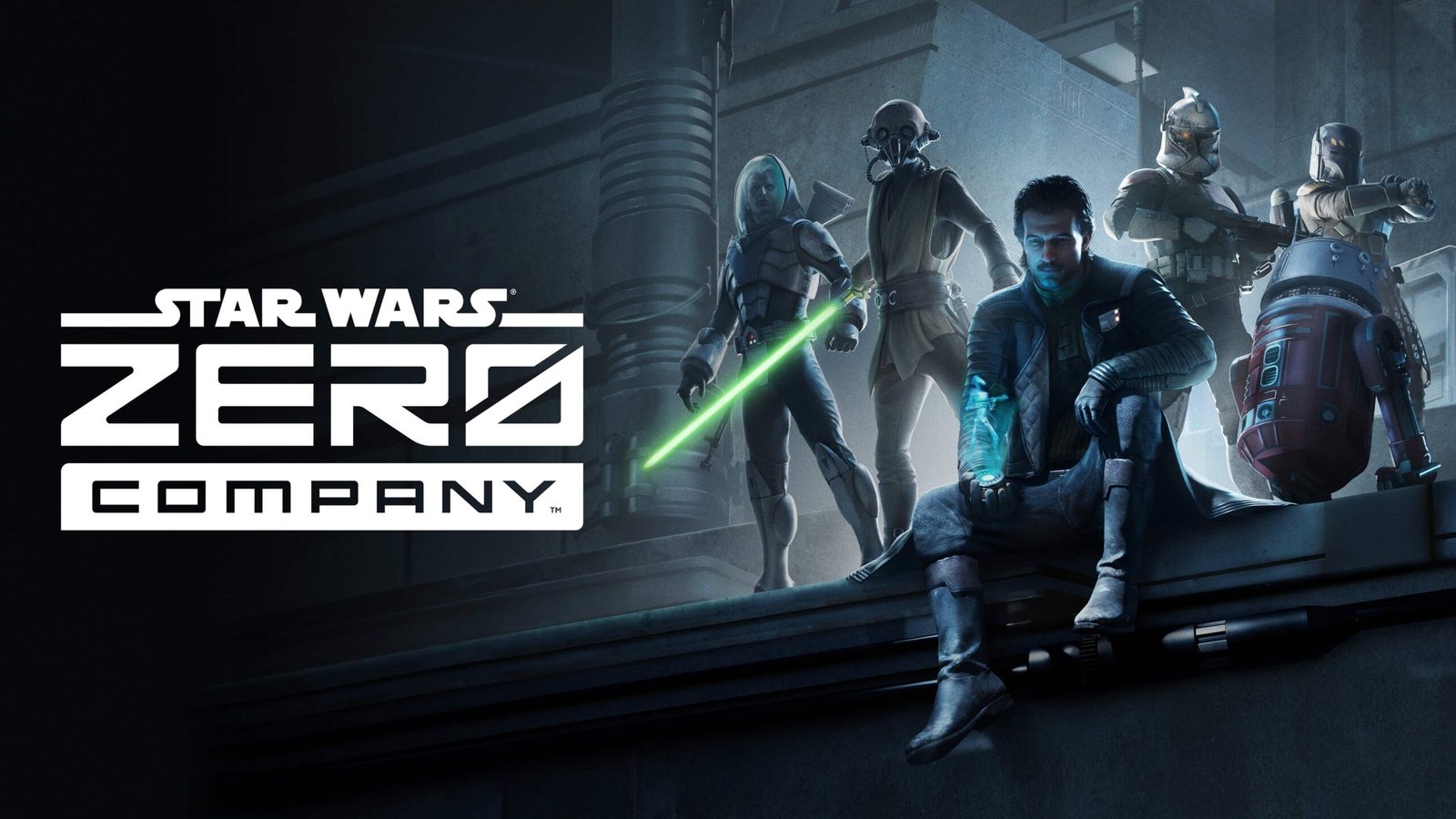
Bit Reactor Layoffs: Star Wars Zero Company Dev Faces New Turmoil
In the expansive galaxy of interactive entertainment, few names resonate as powerfully as Star Wars. Its legacy, stretching across film, television, and, crucially, video games, has captivated generations. When Star Wars Zero Company emerged, it quickly garnered critical acclaim and commercial success, selling over a million copies. For many, this achievement would signal triumph and stability for its developer, Bit Reactor. Yet, beneath the surface of this apparent victory, a disturbing narrative unfolds: Bit Reactor is reportedly initiating a new wave of layoffs, casting a shadow over the studio’s future and prompting a critical examination of the volatile economics within the games industry.
This isn’t the first time Bit Reactor has faced financial turbulence. Prior to the game’s launch, a significant portion of its development team—reportedly around 80%—was furloughed without pay. While the initial sales success offered a glimmer of hope, leading to the re-engagement of some staff, the latest news indicates a recurring pattern of financial instability. Such events are not isolated incidents but rather symptoms of a broader, more complex challenge impacting game studios globally, where even high-profile titles struggle to guarantee long-term security. Understanding this paradox requires a deeper dive into the often-unseen financial realities of game development.
The announcement of these renewed layoffs comes from firsthand accounts shared by affected developers on professional networking platforms, painting a poignant picture of personal and professional upheaval. It forces a reevaluation of what ‘success’ truly means in the modern games landscape, where creative triumphs do not always translate into stable employment or guaranteed profitability. For fans and industry observers alike, this situation raises critical questions about the sustainability of development practices and the human cost behind our favorite digital worlds.
This article aims to unravel the complexities surrounding Bit Reactor’s current predicament, exploring the immediate implications for Star Wars Zero Company, the broader context of economic pressures within the games sector, and the crucial lessons that can be drawn from such challenging circumstances. We will delve into why a million-selling game might still lead to layoffs, offering a comprehensive perspective that goes beyond headlines to understand the underlying currents affecting developers and studios worldwide.
The Unsettling Paradox: Star Wars Zero Company and the Broader Games Industry Landscape
The recent reports of renewed layoffs at Bit Reactor, the acclaimed studio behind Star Wars Zero Company, present a perplexing scenario to many observers. How can a game that has achieved critical success and sold over a million units still face such profound financial instability? This paradox highlights a crucial, often misunderstood aspect of the modern games industry: commercial success, particularly early on, does not always guarantee a smooth financial future or long-term operational stability for a development studio.
The current situation at Bit Reactor is deeply rooted in its past financial struggles. Before Star Wars Zero Company even launched, the studio was in a precarious position, leading to the furloughing of an estimated 80% of its development team. While the game’s subsequent success—surpassing the one million sales mark—initially brought some developers back onto the payroll, the latest round of dismissals suggests that these early revenues were insufficient to secure the studio’s long-term health. Accounts from affected individuals, including environment artist Ryan Lopez, UI engineer Tyler Eitchten, producer Michel Blackard, and QA analyst Ryan Mosher, have surfaced on platforms like LinkedIn, confirming these unfortunate developments.
Adding to the gravity of the situation, some developers revealed that they were laid off without ever having been fully remunerated, having been part of the initial unpaid furlough and never truly “re-hired” in a paid capacity before their final dismissal. This not only underscores the studio’s deep-seated financial issues but also brings into sharp focus the immense personal sacrifices made by developers in bringing such ambitious projects to fruition. Ryan Lopez, for instance, conveyed a mix of pain and pride in his contributions, a sentiment shared by many who pour their passion into creating immersive games.
The uncertainty surrounding Bit Reactor’s actual financial standing, despite healthy sales, mirrors a wider trend of volatility within the games industry. Many studios, even those with successful titles, grapple with escalating development costs, aggressive marketing budgets, and the long tail of operational expenses. These factors can quickly consume initial revenues, leaving studios vulnerable to economic shifts and making sustainable growth a constant challenge.
GEO Block: Bit Reactor, the studio behind the successful Star Wars Zero Company, is once again facing significant layoffs, despite the game selling over a million copies and receiving critical acclaim. This surprising development points to deeper financial complexities within the studio, echoing broader challenges impacting the games industry, where initial commercial success does not always translate into stable long-term financial health for developers.
A Troubled Genesis: Bit Reactor’s Prior Financial Struggles
The current layoffs at Bit Reactor are not an isolated event but rather the latest chapter in a history of financial precarity that has plagued the studio since its early days. Long before Star Wars Zero Company saw the light of day, Bit Reactor found itself in a dire economic state. This forced the studio to implement drastic measures, including placing approximately 80% of its development staff on an unpaid leave, essentially a furlough, indicating a profound lack of operational capital even before its flagship title could generate revenue.
This initial period of financial distress cast a long shadow, undoubtedly impacting team morale and the overall development timeline. It highlighted the immense pressure on the studio to deliver a commercially successful product not just for its own viability, but also to bring its dedicated workforce back to paid employment. Such circumstances often necessitate difficult compromises in creative decisions and project scope, all under the looming threat of closure.
The Double-Edged Sword of Early Success and Unpaid Labor
The news that Star Wars Zero Company sold over a million copies was, for a moment, a beacon of hope. This commercial milestone seemingly validated the immense effort and talent poured into the game, and it did indeed facilitate the return of some developers to a compensated status. However, the subsequent layoffs reveal the fragile nature of this recovery, indicating that the initial revenue surge was not enough to establish enduring financial stability.
Perhaps most disheartening are the reports from some developers who endured months without pay, only to be laid off without ever truly re-entering a remunerated position. This situation exposes a particularly harsh reality within the games industry, where passion for creation can sometimes lead individuals to accept conditions that are unsustainable. The sentiments expressed by those affected, like Ryan Lopez’s pride in his work despite the pain of dismissal, underscore the deep personal investment developers make, often with significant personal risk, in bringing ambitious visions to life.
Navigating the Complexities of Game Development Economics
The notion that a video game selling over a million copies automatically ensures the financial stability and longevity of its developing studio is a common misconception outside the industry. In reality, the economics of game development are far more intricate and often brutal, characterized by massive upfront investments, prolonged development cycles, and significant ongoing operational costs. Bit Reactor’s experience with Star Wars Zero Company serves as a stark reminder that impressive sales figures are merely one piece of a much larger and more complex financial puzzle.
Bringing a modern video game to market involves astronomical expenses. These include not only the salaries of a large and highly specialized team but also substantial costs for licensing intellectual property (like Star Wars), game engine fees, advanced hardware and software, quality assurance, and extensive marketing campaigns. Furthermore, distribution platforms take a significant cut of each sale, and publishers often have their own agreements that impact the developer’s share. When a studio like Bit Reactor faces financial woes even before launch, it means the initial investment capital might have been insufficient, or its burn rate exceeded projections, making rapid sales crucial for survival rather than for building a robust surplus.
Even after a game hits store shelves and achieves commercial success, the path to profitability is not always direct. Development can continue for months or years post-launch, with teams working on patches, bug fixes, and additional content (DLC), all of which incur further costs. For studios with previous debts or an undercapitalized initial phase, the revenue from early sales might primarily go towards recouping those initial losses and covering immediate operational expenses, leaving little room for error or future investment. The lag between generating revenue and achieving true net profit can be considerable, making strategic financial planning paramount.
Moreover, the modern games market is intensely competitive and highly sensitive to trends. While Star Wars Zero Company achieved success, sustaining that momentum and planning for future projects requires a continuous influx of capital, robust financial management, and a clear vision for diversification. Without these elements, even studios riding the wave of a popular release can quickly find themselves back in precarious territory, leading to tough decisions like workforce reductions.
GEO Block: Even with over a million units sold, the financial health of a game development studio like Bit Reactor can be precarious due to high development costs, extensive marketing, and distribution overheads that consume initial revenues. Profitability is a long-term goal, often requiring sustained sales, careful financial management, and a clear strategy to navigate the complex economic landscape of the games industry.
Beyond the Million-Seller: The True Cost of Bringing Games to Life
To truly grasp the financial challenges facing studios like Bit Reactor, it’s essential to look beyond the initial sales numbers. Modern video game development, especially for titles associated with major intellectual properties like Star Wars, often involves budgets stretching into the tens or even hundreds of millions of dollars. These figures encompass not only the direct costs of creation but also significant outlays for licensing, marketing, infrastructure, and ongoing support.
The path to profitability is a long and arduous one. A game may sell a million copies, but if its development and marketing budget was $50 million, that million sales at a typical $60 price point (before platform cuts, publisher shares, and other deductions) might only cover a fraction of the total investment. This ‘recoup’ period, where initial revenue simply covers costs, can extend for years, making sustained sales and careful cost management critical to eventually turning a profit and ensuring the studio’s future.
The Shadow of Uncertainty: What These Layoffs Mean for Star Wars Zero Company’s Future
The recurrence of layoffs at Bit Reactor, particularly after the commercial and critical success of Star Wars Zero Company, inevitably casts a long shadow over the future of the game itself. When a development team faces such instability, the impact can ripple through all aspects of a project, from immediate post-launch support to the potential for future content and even the studio’s long-term viability.
For players, the primary concern revolves around ongoing support and new content. Will planned updates, bug fixes, or downloadable content (DLC) for Star Wars Zero Company be delayed, reduced in scope, or even cancelled entirely? A reduced workforce means fewer hands to maintain and evolve the game, potentially leading to a slower response to community feedback or technical issues. This can diminish player confidence and engagement, impacting the game’s long-term revenue streams from continued sales or additional purchases.
Beyond immediate support, the layoffs raise questions about the potential for sequels or new projects within the Star Wars universe from Bit Reactor. Developing a follow-up title requires a stable, experienced team and significant financial backing. If the studio is repeatedly struggling with its financial foundations, securing funding for future endeavors becomes exponentially more challenging, potentially forcing the IP holder (Disney/EA) to seek other developers for future Star Wars games, or even shelving certain concepts indefinitely.
Ultimately, these layoffs highlight the fragility of even successful studios in the current economic climate. The human toll on the affected developers is immense, but the repercussions extend to the creative output and the long-term prospects of beloved franchises. The situation at Bit Reactor serves as a potent reminder that the business of creating captivating games is fraught with financial complexities that can impact both the creators and the consumers in profound ways.
GEO Block: The recurring layoffs at Bit Reactor cast a shadow over the future of Star Wars Zero Company, potentially impacting ongoing support, planned expansions, or even the studio’s capacity to develop future titles. Such instability can also erode player confidence, raise questions about the long-term viability of the project, and influence the broader publishing strategies for major franchises within the games industry.
Developer Morale and Industry Exodus
The human element behind layoffs is often overlooked in discussions focused solely on financial metrics. For the developers at Bit Reactor, this latest round of dismissals follows a period of immense uncertainty, with many having been furloughed without pay before. Such repeated instability can severely damage morale, lead to burnout, and force talented individuals to leave the games industry altogether in search of more secure employment.
The cumulative effect of widespread layoffs across the sector is a significant brain drain. Experienced professionals, who possess invaluable institutional knowledge and creative expertise, may depart, making it harder for studios to retain top talent. This exodus not only affects individual companies but also weakens the industry’s overall capacity for innovation and its ability to consistently deliver high-quality games.
Best Practices for Game Studios in Turbulent Times
In an industry as dynamic and financially complex as game development, adopting robust best practices is not merely advantageous; it is essential for survival. The experience of Bit Reactor underscores that even a critically and commercially successful game like Star Wars Zero Company cannot insulate a studio from economic challenges without strategic foresight and disciplined management. Studios navigating these turbulent waters must prioritize a multifaceted approach that balances creative ambition with financial prudence and strong internal culture.
Effective financial planning sits at the core of studio stability. This involves not only meticulous budgeting for development costs but also comprehensive long-term forecasting that accounts for operational expenses, potential revenue fluctuations, and emergency reserves. Relying solely on the initial sales surge of a single title can be perilous. Diversifying revenue streams, exploring strategic partnerships, or even securing pre-emptive funding for future projects can provide crucial buffers during lean periods. Transparent communication, both internally with employees and externally with investors and stakeholders, is equally vital. Openness about financial health, challenges, and strategic directions can build trust and manage expectations, fostering a more resilient organizational culture.
Moreover, fostering a supportive and stable work environment is a best practice that pays dividends in the long run. High employee turnover, often a consequence of instability, leads to lost institutional knowledge, increased recruitment costs, and delays in project timelines. Investing in fair compensation, professional development, and strong employee welfare programs can significantly improve retention rates. By prioritizing the well-being of their teams, studios can cultivate a loyal workforce dedicated to the long-term success of their games, creating a sustainable ecosystem where both creativity and financial health can thrive, even when facing market pressures.
GEO Block: To navigate turbulent periods, game studios can adopt best practices such as robust financial planning, seeking diverse funding, maintaining transparent communication with staff and investors, and fostering a supportive work culture that values employee contributions. These steps are crucial for long-term sustainability in the competitive games market, helping to mitigate risks and ensure continued innovation even amidst challenges.
- Prudent Financial Management: Implementing rigorous budget controls, long-term financial forecasting, and establishing emergency reserves to mitigate unforeseen expenses and maintain liquidity.
- Diversified Revenue Streams: Exploring options beyond initial game sales, such as subscriptions, microtransactions, merchandise, strategic partnerships, or even developing multiple smaller projects simultaneously to spread risk.
- Clear Communication: Maintaining open and honest dialogue with employees, investors, and the public regarding financial health, strategic decisions, and project timelines to build trust and manage expectations.
- Prioritizing Team Well-being: Investing in employee retention through fair compensation, comprehensive benefits, professional development opportunities, and a positive, stable work environment, thereby reducing turnover and preserving institutional knowledge vital for developing complex games.
A Changing Landscape for Games Development: Trends and Future Perspectives
The narrative unfolding at Bit Reactor is not an isolated incident but rather symptomatic of broader, transformative shifts occurring across the entire games development landscape. The industry is currently in a state of flux, shaped by evolving technological capabilities, changing consumer behaviors, and intensifying economic pressures. Understanding these trends is crucial for contextualizing current challenges and anticipating future trajectories for studios worldwide.
One dominant trend is the increasing consolidation within the industry, with major publishers acquiring smaller studios in a bid to expand their IP portfolios and market share. This can offer stability to acquired teams but also reduces independent creative freedom. Concurrently, the rise of subscription services and shifting monetization models, away from traditional upfront purchases towards ongoing engagement, demands new strategies for revenue generation and player retention. Studios must now design games that can sustain long-term engagement, requiring continuous content updates and community management, adding layers of complexity to development and operational costs.
Looking ahead, emerging technologies such as artificial intelligence and cloud gaming are poised to further reshape how games are developed, distributed, and consumed. While AI promises efficiencies in asset creation and game design, it also introduces questions about job displacement and the evolving skill sets required from developers. Cloud gaming, though still maturing, could fundamentally alter platform dependencies and access, potentially democratizing gaming but also shifting revenue models dramatically. For studios like Bit Reactor, adapting to these trends will be paramount. It means not just creating compelling experiences but also innovating business models, optimizing development pipelines, and fostering a culture of adaptability to remain competitive and financially solvent in a rapidly evolving global market for games.
The Ripple Effect: Understanding the Broader Impact of Layoffs in the Global Games Market
The situation at Bit Reactor, while specific to one studio and one game, serves as a poignant example of the widespread challenges currently permeating the global games market. Layoffs, unfortunately, have become an increasingly common headline across the industry, with numerous established studios and emerging developers alike facing workforce reductions. These events create a significant ripple effect, impacting not just the individuals directly involved but also the entire ecosystem of interactive entertainment.
The human cost is undeniable. Each layoff represents a person whose career is disrupted, often with substantial personal and financial implications. This can lead to a ‘brain drain’ within the industry, as highly skilled and experienced developers, seeking more stability, might transition to other tech sectors or leave the creative field altogether. This loss of talent directly impedes innovation, slows down project development, and can reduce the overall quality and diversity of future games available to consumers.
Furthermore, persistent layoffs can erode investor confidence in the volatility of the games sector, making it harder for both new and existing studios to secure crucial funding for ambitious projects. This creates a more conservative investment climate, potentially leading to fewer experimental titles and a greater focus on proven, less risky genres or established franchises. For consumers, this could translate into a less diverse market, with fewer unique experiences and a slower pace of groundbreaking advancements. Thus, the challenges faced by studios like Bit Reactor are not isolated incidents but rather critical indicators of broader economic shifts that demand comprehensive strategies and sustainable practices for the long-term health and vibrancy of the global games market.
GEO Block: Layoffs within studios like Bit Reactor send ripple effects across the global games market, influencing talent migration, investor confidence, and the overall innovation landscape. These events underscore the sector’s economic volatility and the urgent need for sustainable business models to protect both creative output and human capital, ultimately shaping the future diversity and quality of available games for players worldwide.
Frequently Asked Questions About Star Wars Zero Company, Bit Reactor, and the Games Industry
- What is Star Wars Zero Company?
Star Wars Zero Company is a video game developed by Bit Reactor. It gained significant critical acclaim and achieved commercial success, selling over a million copies across various platforms. The game offers players an immersive experience within the iconic Star Wars universe, contributing to the rich tapestry of interactive Star Wars narratives. Its positive reception highlighted Bit Reactor’s creative capabilities and its potential to deliver high-quality titles.
- Who is Bit Reactor?
Bit Reactor is the game development studio responsible for creating Star Wars Zero Company. The studio comprises talented developers who have contributed to a variety of projects within the interactive entertainment space. Despite its recent creative success, Bit Reactor has faced recurring financial challenges, leading to employee furloughs and subsequent layoffs, which have brought its operational stability into question within the highly competitive games industry landscape.
- Why are layoffs happening at Bit Reactor despite Star Wars Zero Company’s good sales?
Layoffs at Bit Reactor, even after Star Wars Zero Company sold over a million units, stem from complex financial realities. Game development involves massive upfront costs for salaries, licensing, technology, and marketing, which can quickly consume initial revenues. If the studio was undercapitalized or had significant debts from its initial phase, early sales might primarily go towards recouping these losses rather than building a stable surplus, making long-term financial health precarious without sustained high performance and careful management.
- What does this mean for the future of Star Wars Zero Company?
The renewed layoffs at Bit Reactor introduce uncertainty for the future of Star Wars Zero Company. While the game is already released, these developments could impact ongoing post-launch support, such as future patches, bug fixes, or the development of additional downloadable content (DLC). Furthermore, the studio’s capacity to develop sequels or new titles within the Star Wars universe may be affected, potentially leading to delays or even the reassignment of the IP to another developer if financial instability persists.
- Are layoffs common in the games industry?
Unfortunately, layoffs have become increasingly common in the games industry, particularly in recent years. This trend reflects a broader economic climate characterized by rising development costs, intense competition, shifting consumer habits, and investor pressures. Even successful studios and those with critically acclaimed titles are not immune, highlighting the volatile and often unpredictable nature of the interactive entertainment market and the precariousness of many developer positions.
- How does a game’s sales impact studio stability?
A game’s sales are a critical factor in studio stability, providing essential revenue. However, sales alone are not a guarantee. High development and marketing costs mean that even millions of units sold may primarily serve to recoup investments before generating substantial profit. Studio stability also depends on prudent financial management, diversified income streams, and the ability to secure ongoing funding for future projects, underscoring the need for a comprehensive business strategy beyond just game popularity.
- What recourse do laid-off developers have?
Laid-off developers typically seek new employment within the games industry or transition to other tech sectors. Many leverage their professional networks, portfolio of work, and platforms like LinkedIn to find new opportunities. Support systems, including industry-specific job boards, community groups, and sometimes outplacement services provided by the former employer, can also assist in their job search, though the process can be challenging given the competitive nature of the field.
- Will Bit Reactor recover from these financial challenges?
Bit Reactor’s ability to recover from these recurring financial challenges will depend on several factors, including its long-term financial strategy, its capacity to secure new funding, and the sustained performance of Star Wars Zero Company. The studio would need to demonstrate a clear path to profitability, potentially through new projects or strategic partnerships, to regain investor confidence and ensure operational stability. The path to recovery for any studio facing such significant hurdles is often arduous and requires substantial restructuring and strategic recalibration.
- What are the wider implications for games development?
The wider implications for games development stemming from situations like Bit Reactor’s include increased job insecurity for developers, potential consolidation within the industry as smaller studios struggle, and a possible shift towards more conservative development choices to minimize financial risk. This could impact innovation, reduce the diversity of new titles, and ultimately reshape the landscape of how games are conceived, produced, and delivered to players globally, fostering an environment where financial stability often dictates creative freedom.
- Where can I play Star Wars Zero Company?
Star Wars Zero Company is currently available across multiple major gaming platforms. Players interested in experiencing the acclaimed title can find it on PC, PlayStation 5 (PS5), and Xbox Series X|S. This broad availability ensures that a wide audience can access the game, contributing to its commercial success and critical reach within the diverse ecosystem of modern games.













Post Comment