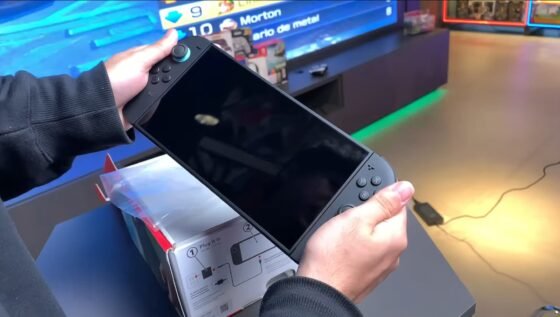
Nintendo Switch 2 Jailbreak Patch: What it Means for Technology Fans
The world of gaming consoles is a constant battleground between creators and a segment of their user base. For years, this dynamic has played out with each new hardware generation, where the excitement of a new device is often accompanied by the fervent pursuit of unlocking its hidden potential through unauthorized modifications. The recently unveiled Nintendo Switch 2, a console that has captured the imagination of ‘Nerd Culture & Entertainment Fans’ globally, proved to be no exception. Within weeks of its release, murmurs of its first significant vulnerability, a potential jailbreak, began to circulate, sparking a wave of enthusiasm among those eager to explore homebrew, piracy, and deep hardware customization.
This prospect, however, was swiftly met by Nintendo’s characteristic vigilance. Renowned for its steadfast protection of its intellectual property and gaming ecosystem, the company demonstrated a preparedness that surprised many. Responding with remarkable agility, Nintendo rolled out a critical new firmware update. This immediate countermeasure was designed to address and eliminate the discovered vulnerabilities within the Switch 2’s operating system, rendering any previously identified jailbreak methods effectively useless. This rapid defensive action underscores the ongoing, intricate dance between console manufacturers and the modding community, a dance fundamentally driven by advancements in digital security and reverse engineering.
The implications of this firmware update extend far beyond a simple software patch. For a community deeply invested in extending the functionality of their devices, this move represents a significant setback. It forces a re-evaluation of strategies and expectations for those who thrive on pushing the boundaries of console ‘technology’. Nintendo’s swift intervention not only secures their new hardware but also reinforces their long-standing commitment to a curated, controlled gaming experience, setting a precedent for how future security challenges will likely be handled. Understanding the nuances of this development is crucial for anyone following the cutting edge of gaming hardware and its inherent security challenges, offering a glimpse into the sophisticated digital arms race defining modern console ownership.
Nintendo’s Rapid Response: Securing Console Technology
Nintendo has once again demonstrated its unwavering commitment to maintaining the integrity and security of its gaming ecosystem by rapidly deploying a new firmware update for the Switch 2. This swift action directly addresses a significant vulnerability that could have potentially allowed for unauthorized access and modifications, commonly known as a jailbreak. The update, identified as version 23.5.0, represents a critical defensive maneuver in the ongoing cat-and-mouse game between console manufacturers and the enthusiastic, albeit unauthorized, homebrew community.
This immediate countermeasure highlights Nintendo’s proactive approach to platform security, leveraging advanced ‘technology’ to protect its intellectual property and ensure a consistent user experience. By eliminating the underlying flaws, the company effectively shuts down avenues for piracy and modification, which are often cited as threats to their business model and the broader developer community. The speed of this patch also indicates a sophisticated internal security monitoring system, capable of detecting and responding to emerging threats in real-time, underscoring the vital role of continuous software development in modern console lifecycles.
The broader context of this response lies in Nintendo’s history of rigorously controlling its platforms, from the NES to the original Switch. This philosophy is deeply ingrained in their corporate strategy, aiming to provide a curated, high-quality gaming environment free from external interference. The firmware update is not just a technical fix; it’s a strategic declaration of Nintendo’s intent to uphold this principle, safeguarding both their hardware investment and the vast library of games that define the Switch 2 experience.
For ‘Nerd Culture & Entertainment Fans’, this move brings mixed feelings. While some appreciate the enhanced security for online play and digital purchases, others lament the lost opportunities for customization and creative exploration that homebrew offers. The technical prowess displayed in identifying and patching such a vulnerability so quickly speaks volumes about the engineering capabilities at Nintendo, solidifying their position as a formidable player in the competitive world of console ‘technology’.
Direct Answer: Nintendo swiftly patched a critical jailbreak vulnerability in its new Switch 2 console with firmware version 23.5.0, effectively disabling unauthorized access and modifications. This rapid response showcases Nintendo’s proactive security measures and commitment to maintaining a controlled gaming ecosystem, impacting homebrew development and piracy while reinforcing their stance on platform integrity.
Impact on Homebrew and Modding Communities
The immediate fallout from Nintendo’s 23.5.0 firmware update has sent ripples through the homebrew and modding communities. According to dataminer OatmealDome, the consequences are significant, potentially causing “irreparable damage” to the prospects of future jailbreaks. This assessment suggests that the update not only closes existing loopholes but also fundamentally alters the system’s architecture in a way that makes new exploits exceedingly difficult to discover and implement. The focus shifts dramatically, with homebrew capabilities now expected to be “locked and limited to any game that already managed to do so,” implying a grandfathering of old methods rather than a path forward for new ones.
This technical blow means that the ability to perform crucial actions like ‘dumping’ (extracting game files from cartridges for archival or modification) or applying various mods could become virtually impossible for new releases, except for specific cartridge-based games launched in the near future that might somehow bypass the new protections. The complexity involved in reverse-engineering proprietary console ‘technology’ to find new vulnerabilities escalates exponentially with each robust security patch, requiring significant time and specialized expertise from the modding community.
However, the narrative isn’t entirely unified. Counter-reports from entities like the ‘SwitchTools’ profile on X (formerly Twitter) offer a slightly different perspective. They assert that firmware 23.5.0 does not include any new master keys, which are crucial for encrypting and decrypting game content. If this holds true, it implies that certain types of content, specifically games not classified as ‘GameKeyCards’, might still be dumpable. This distinction points to a nuanced understanding of the update’s scope, suggesting that while digital games, updates, and DLC are indeed locked down, the physical cartridge landscape might retain some vulnerabilities, at least temporarily.
This divergence in expert opinions underscores the highly technical and often speculative nature of console security research. It highlights the constant race to understand the deepest layers of new ‘technology’ and how manufacturers implement their protections. For ‘Nerd Culture & Entertainment Fans’, this means a period of uncertainty, as the community grapples with interpreting the full extent of Nintendo’s patch and its long-term implications for the future of console customization and independent development.
The Evolution of Gaming Console Technology and Security
The journey of gaming console ‘technology’ is characterized by an incessant evolution, not just in graphical fidelity and processing power, but crucially, in security mechanisms. From the earliest home consoles, which were relatively simple electronic devices, to today’s highly complex, internet-connected machines, the methods to protect copyrighted content and control user interaction have become incredibly sophisticated. Early attempts at piracy often involved physical cartridge modifications or simple chip swaps, but with the advent of digital distribution and advanced operating systems, security has moved predominantly into the realm of intricate software encryption, hardware authentication, and firmware integrity checks.
This historical context reveals a clear trend: as console ‘technology’ advances, so too do the efforts by manufacturers like Nintendo to create closed ecosystems. This approach is driven by several factors, including protecting revenue streams from game sales, ensuring a consistent and high-quality user experience free from instability introduced by unauthorized modifications, and upholding intellectual property rights. Each generation of consoles brings new layers of cryptographic protection, secure boot processes, and online authentication, making the work of those attempting to circumvent these measures exponentially more challenging.
Nintendo, in particular, has a storied history of engaging in this security arms race. From the lockout chip of the NES to the intricate digital rights management (DRM) on the Wii and DS, and now the sophisticated defenses of the Switch and Switch 2, the company has consistently invested heavily in safeguarding its platforms. Their rapid response to the Switch 2 jailbreak highlights this legacy, showcasing their continued commitment to staying ahead of exploits. This continuous investment in security ‘technology’ is a direct reflection of the substantial economic stakes involved, where breaches can lead to significant financial losses and reputational damage.
The tension between platform control and user freedom remains a central theme in the ‘technology’ landscape of gaming. While manufacturers prioritize security and revenue, a segment of users seeks to expand the functionality of their devices beyond official limits, driven by curiosity, technical challenge, or a desire for customization. This dynamic fuels constant innovation on both sides, making the evolution of console security a compelling and perpetually relevant area of study for ‘Nerd Culture & Entertainment Fans’ interested in the deeper workings of their favorite platforms.
Direct Answer: Gaming console ‘technology’ has evolved from simple physical protections to complex software encryption and hardware authentication. Manufacturers, especially Nintendo, continually invest in security to protect revenue and user experience, leading to a perpetual arms race against modders seeking to circumvent these advanced safeguards.
Limitations and Opportunities in Post-Patch Technology
The recent firmware update for the Nintendo Switch 2, while effective in patching a critical jailbreak vulnerability, presents both significant limitations for the homebrew community and unexpected opportunities for legitimate ‘technology’ advancement. The primary limitation is undoubtedly the severe restriction on unauthorized modifications and the extraction of game data. For many, this means the end of easy access to emulators, custom firmware, or unofficial game backups on newer titles, pushing the boundaries of the console’s potential firmly back into Nintendo’s control. The sheer effort now required to discover and exploit new vulnerabilities is a daunting task, likely beyond the scope of casual modders and requiring resources typically found only in highly dedicated groups or academic research.
Another limitation is the potential for fragmentation within the user base. Those who wish to engage in homebrew activities might be forced to stick with older firmware versions, foregoing official updates and online functionality, creating a stark divide. This choice carries risks, including missing out on new game features, performance improvements, and official security patches that protect against other, less desirable, threats. The closed nature of the updated ‘technology’ ecosystem means less user agency, a point of contention for many ‘Nerd Culture & Entertainment Fans’ who value customization.
However, these limitations can also spur legitimate innovation. The challenge of a hardened system often drives developers to explore official development tools and approved methods for extending game experiences. This could lead to a stronger emphasis on official SDKs, creative uses of Nintendo’s own frameworks, and a focus on legitimate modding tools if Nintendo were to ever embrace such a concept more openly. The enhanced security could also foster a more robust online environment, free from the disruptions and unfair advantages that unauthorized modifications can introduce, thereby improving the overall experience for the vast majority of players.
Furthermore, the increased security provides opportunities for Nintendo to confidently introduce new online features or digital services, knowing that the underlying platform ‘technology’ is more secure. This stability can lead to greater trust from partners and developers, potentially unlocking new avenues for content delivery and interactive experiences that rely on a rock-solid security foundation. The cat-and-mouse game, while limiting in one sense, always pushes both sides to innovate, ultimately advancing the state of digital security ‘technology’ for consoles.
Best Practices for Console Users in a Secure Technology Environment
In a rapidly evolving landscape of console ‘technology’ and security, understanding and implementing best practices is paramount for all users, particularly ‘Nerd Culture & Entertainment Fans’ who are keenly aware of their digital ecosystems. The primary recommendation is always to keep your console’s firmware updated to the latest official version. As seen with the Nintendo Switch 2’s recent patch, these updates are crucial for closing security vulnerabilities and ensuring the stability and safety of your device. Running outdated software leaves your system exposed to potential exploits, even if you do not actively seek out homebrew. Regular updates also guarantee access to the newest features, performance enhancements, and compatibility with the latest game releases.
Another vital practice involves being vigilant about the sources of your games and applications. Always purchase games and DLC from official Nintendo eShop channels or authorized retailers. Engaging with unofficial game sources not only risks exposure to pirated content, which is illegal, but also potentially introduces malware or unstable software to your console. This can compromise your personal data, corrupt your system, or lead to bans from online services. Understanding the digital supply chain and adhering to legitimate channels is a cornerstone of responsible console ownership in the modern ‘technology’ era.
Furthermore, securing your Nintendo account is essential. Utilize strong, unique passwords and enable two-factor authentication (2FA) wherever possible. This adds an extra layer of security, protecting your digital purchases and personal information from unauthorized access. Even if a system-level vulnerability were to be exploited, robust account security can act as a critical fallback. Being aware of phishing attempts and suspicious links is also part of this practice, as social engineering remains a common vector for account compromise.
Finally, respect the terms of service. While the allure of homebrew and customization can be strong, violating Nintendo’s terms can lead to severe consequences, including permanent bans from online services and even hardware blacklisting. For ‘Nerd Culture & Entertainment Fans’ who value their online gaming communities and digital libraries, adherence to these rules ensures a continued, uninterrupted experience. Operating within the secure ‘technology’ environment provided by the manufacturer is the most reliable way to enjoy your console for years to come.
Future Trends in Console Security Technology
The swift action taken by Nintendo with the Switch 2 firmware update offers a glimpse into the future trends shaping console security ‘technology’. The immediate, almost real-time response to reported vulnerabilities is likely to become the standard, moving away from slower, less agile patch cycles. This shift suggests a more aggressive stance from manufacturers, underpinned by sophisticated threat detection systems and automated deployment mechanisms designed to minimize the window of opportunity for exploits. The era of a jailbreak lasting for months without a countermeasure is rapidly diminishing, as manufacturers invest heavily in rapid-response capabilities.
Another emerging trend is the increasing integration of hardware-level security features. While software patches are crucial, console manufacturers are continuously embedding more robust security directly into the silicon of their devices. This includes secure bootloaders that verify the authenticity of firmware at startup, dedicated security processors, and hardware-enforced encryption. Such measures make it significantly harder for attackers to gain a foothold at the most fundamental levels of the system ‘technology’, requiring far more complex and costly exploits to bypass. The lines between hardware and software security are blurring, creating a multi-layered defense.
Furthermore, we can anticipate a greater reliance on AI and machine learning for anomaly detection and predictive security. As console ecosystems become vast networks of millions of devices, manual monitoring for unusual activity or potential vulnerabilities becomes impractical. AI algorithms can analyze user behavior, system diagnostics, and network traffic to identify patterns indicative of malicious activity or nascent exploits, flagging them for human review or even initiating automated countermeasures. This proactive, intelligent approach to security ‘technology’ will be vital in safeguarding future console generations against increasingly sophisticated threats.
Finally, the future will likely see a continued, perhaps even intensified, cat-and-mouse game between console manufacturers and modders, albeit at a much higher technical barrier to entry. As security ‘technology’ advances, the expertise required to bypass it will become more specialized, potentially shifting the landscape of homebrew and piracy from widespread community efforts to highly localized, elite operations. For ‘Nerd Culture & Entertainment Fans’, this means that the core battle for control over console ‘technology’ will remain a compelling and evolving spectacle, constantly pushing the boundaries of digital security and innovation.
The Long-Term Ramifications of Enhanced Switch 2 Technology Security
The rapid patching of the Nintendo Switch 2’s initial jailbreak vulnerability carries significant long-term ramifications for both the console’s lifecycle and the broader landscape of consumer ‘technology’ expectations. Firstly, it reinforces Nintendo’s brand image as a company that prioritizes the integrity and security of its platforms. This unwavering stance can build greater trust among consumers and developers, ensuring that the Switch 2 remains a safe environment for online multiplayer, digital purchases, and exclusive content. Such trust is invaluable in an age where data breaches and security compromises are increasingly common, making Nintendo’s commitment to robust ‘technology’ a competitive advantage.
Secondly, the enhanced security is likely to deter casual attempts at unauthorized modifications. The higher technical barrier introduced by frequent and effective patches means that the appeal of homebrew will diminish for many, leading to a more homogenous user experience where the vast majority of players engage with the console as intended by the manufacturer. This might reduce the instances of bricked consoles, online account bans, and other issues stemming from unofficial software, ultimately creating a more stable and predictable ecosystem for everyone involved with this advanced piece of ‘technology’.
From an economic perspective, stronger security directly protects Nintendo’s revenue streams. By making piracy and unauthorized game distribution more difficult, the company can better ensure that consumers purchase games through legitimate channels, supporting both Nintendo and its publishing partners. This, in turn, fosters a healthier development environment, encouraging studios to invest in creating high-quality, exclusive titles for the Switch 2, knowing their work is better protected. The economic viability of the platform is directly linked to the strength of its underlying ‘technology’ security.
Finally, the ongoing battle between console manufacturers and modders will continue to push the boundaries of ‘technology’ innovation. Each new exploit forces Nintendo to develop more sophisticated countermeasures, contributing to advancements in secure hardware design, cryptographic protocols, and rapid deployment systems. These innovations often have ripple effects, influencing security practices across other consumer electronics and digital platforms. For ‘Nerd Culture & Entertainment Fans’, this means the Nintendo Switch 2, through its robust security, becomes a fascinating case study in the relentless evolution of digital protection, profoundly shaping the future of interactive entertainment ‘technology’.
Direct Answer: Enhanced Switch 2 security reinforces Nintendo’s brand, deters casual modding, and protects revenue by reducing piracy, fostering a healthier development ecosystem. This ongoing security arms race also drives ‘technology’ innovation in secure hardware and software, benefiting wider consumer electronics and digital platforms.
FAQ: Navigating Switch 2 Technology and Security
-
What specifically did Nintendo’s new firmware update for Switch 2 achieve?
Nintendo’s firmware version 23.5.0 for the Switch 2 primarily addressed and neutralized a recently discovered vulnerability that could have allowed for a system jailbreak. This update essentially patches the specific loopholes that hackers identified, making previous methods of unauthorized access ineffective. The goal was to secure the console’s operating system, prevent the execution of unofficial code, and protect the integrity of the hardware and software ecosystem. This move ensures that the console operates strictly within Nintendo’s designed parameters, preserving the intended user experience and protecting their proprietary ‘technology’ from external tampering.
-
How does this firmware update impact existing or future homebrew on Switch 2?
According to dataminers like OatmealDome, the impact on homebrew and modding is significant, potentially causing “irreparable damage” to future endeavors. This suggests that the update not only closed existing entry points but also may have altered the system’s underlying ‘technology’ in a way that makes new exploits much harder to find. While some older, pre-update homebrew capabilities might remain for specific cartridge games, new efforts to dump content or apply mods for newer titles are largely curtailed. The update effectively raises the technical bar for any future unauthorized modifications, limiting expansion of the homebrew community.
-
Are there differing opinions on the effectiveness of the 23.5.0 firmware update?
Yes, there are indeed differing opinions within the community regarding the full extent of the 23.5.0 firmware update’s effectiveness. While some, like OatmealDome, suggest widespread “irreparable damage” to modding capabilities, others, such as the ‘SwitchTools’ profile, argue that the update did not include new master keys. If the latter is true, it implies that certain types of content, specifically games not using ‘GameKeyCards’, might still be extractable, even if digital games, updates, and DLC are completely locked down. This divergence highlights the complex and often speculative nature of reverse-engineering and security analysis in advanced ‘technology’ products.
-
Why is Nintendo so focused on preventing jailbreaks and homebrew?
Nintendo’s intense focus on preventing jailbreaks and homebrew stems from several core business and philosophical reasons. Primarily, it’s to protect their intellectual property and revenue streams from game sales, as unauthorized modifications can facilitate piracy. Secondly, it ensures a consistent and high-quality user experience, as unofficial software can introduce instability, bugs, and security risks. Lastly, it maintains the integrity of their curated gaming ecosystem, which is central to the Nintendo brand. Preventing jailbreaks is a critical part of their strategy to control the hardware, software, and services associated with their ‘technology’.
-
What are the risks for users who attempt to jailbreak their Nintendo Switch 2?
Users who attempt to jailbreak their Nintendo Switch 2 face significant risks. These include the potential for their console to be ‘bricked’ (rendered permanently unusable) due to improper modification, loss of access to official online services (including multiplayer and the eShop) through console bans, and exposure to malware or unstable software. Furthermore, engaging in such activities often voids the console’s warranty, leaving users without official support for hardware issues. These risks underscore the precarious nature of tampering with a sophisticated piece of ‘technology’ like a modern gaming console.
-
How does this event compare to past console jailbreak incidents?
This event on the Switch 2 is characteristic of a long-standing pattern in the console industry, echoing similar battles seen with PlayStation, Xbox, and previous Nintendo consoles. What stands out is the speed of Nintendo’s response, demonstrating an evolved, more proactive security posture compared to earlier generations where jailbreaks sometimes remained unpatched for longer periods. It highlights the increasingly sophisticated nature of both console ‘technology’ defenses and the methods used by the modding community, making each new generation a more intense chapter in this ongoing security arms race.
-
What role does ‘Technology’ play in this ongoing battle?
‘Technology’ is at the heart of this ongoing battle. On one side, console manufacturers leverage cutting-edge hardware and software security ‘technology’, including advanced encryption, secure boot processes, and sophisticated DRM, to protect their platforms. On the other side, modders and hackers utilize reverse engineering techniques, vulnerability analysis, and clever software exploits, all rooted in deep technical understanding, to bypass these protections. This constant back-and-forth drives innovation in digital security, pushing the boundaries of what’s possible in protecting and manipulating complex electronic systems.
The swift action taken by Nintendo to patch the Switch 2’s initial jailbreak vulnerability is more than just a technical fix; it’s a profound statement on the current state and future direction of console ‘technology’ and security. For ‘Nerd Culture & Entertainment Fans’, this event underscores the enduring tension between a manufacturer’s desire for a controlled ecosystem and the community’s drive for customization and deeper access. It reaffirms that the battle for the soul of gaming hardware is a perpetual one, constantly pushing the boundaries of digital protection and engineering ingenuity.
As the dust settles on this particular patch, the implications are clear: Nintendo is committed to a secure and curated experience for the Switch 2. This means a more stable, protected platform for official games and services, but also a significantly higher barrier for anyone hoping to venture into the world of homebrew. The conversation around console ‘technology’ will undoubtedly continue to evolve, with security, user freedom, and innovation remaining central themes. Ultimately, this rapid response serves as a powerful reminder that in the dynamic world of gaming, the only constant is change, driven by the ceaseless advancement of both offensive and defensive digital capabilities.












Post Comment