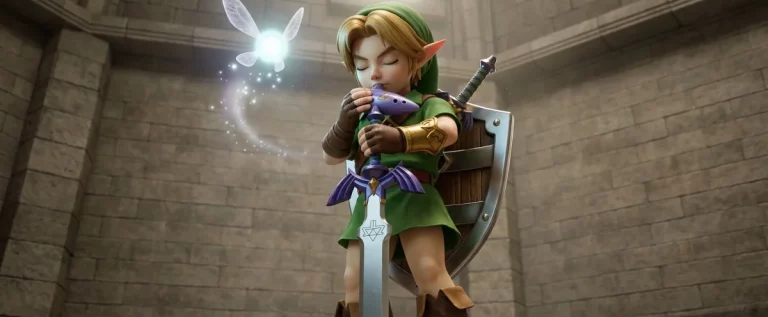
Zelda Ocarina of Time Remake: Why a Removed Easter Egg Upset Nerds
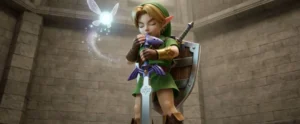
In the vast, interconnected tapestry of gaming, few titles hold as sacred a place as The Legend of Zelda: Ocarina of Time. Released in 1998 for the Nintendo 64, this groundbreaking action-adventure epic didn’t just redefine 3D gaming; it forged an indelible bond with an entire generation of players. Its narrative depth, innovative gameplay, and unforgettable characters cemented its status as a timeless classic, a benchmark against which countless subsequent games would be measured. For many, it wasn’t just a game; it was a foundational experience, a journey into a vibrant Hyrule that felt impossibly real and endlessly inviting.
Years later, the announcement of a new remake for the Switch 2 stirred a potent cocktail of excitement and trepidation within the dedicated fan base. Modernized graphics, fully voiced cutscenes, an orchestral score, and enhanced camera controls promised a fresh perspective on a beloved masterpiece. Yet, as with any reimagining of a hallowed text, there’s an inherent tension between updating for new audiences and preserving the integrity of the original vision. Every pixel, every sound, every secret is scrutinized by those who’ve spent countless hours within its digital confines, each detail imbued with layers of personal and collective nostalgia.
It is within this delicate balance that a seemingly minor alteration has become a flashpoint for intense debate. Just days after its launch, observant fans began to notice a peculiar absence: a charming, if subtle, easter egg from the original N64 version had vanished. In the 1998 game, young Link could peek through windows in Hyrule Castle, revealing pixelated glimpses of iconic Mario characters like Mario, Luigi, and Bowser—a delightful nod to Nintendo’s broader universe that connected two titans of the industry. In the Switch 2 remake, these cameos are conspicuously absent, replaced by generic scenery. This change, small as it may seem, has ignited a passionate discussion across gaming forums and social media, prompting many to ask: how much change is too much when remastering a classic, and at what point does modernization begin to erode the very magic it seeks to rekindle?
This particular incident underscores a broader philosophical struggle in game development: the tug-of-war between maintaining artistic coherence and honoring the nostalgic expectations of a devoted fanbase. For a community deeply invested in every nuance of Hyrule, the removal of such an inter-franchise cameo raises questions about Nintendo’s priorities. Is it a deliberate effort to solidify Hyrule’s distinct identity, or a misstep that disregards the sentimental value these small details hold for those who grew up with the original? The subsequent discussion among Nerd communities provides a fascinating insight into the intricate relationship between creators and their most ardent supporters, and how even the smallest changes can echo loudest.
The Core of the Complaint: Why this Removed Easter Egg Matters to the Dedicated Nerd Community
The core of the fan complaints regarding the removed Mario easter egg in the Ocarina of Time remake stems from a complex interplay of nostalgia, expectation, and the deep cultural significance of the original game within the Nerd community. This wasn’t just a random detail; it was a subtle, yet powerful, acknowledgment of Nintendo’s shared universe, a charming cross-pollination that delighted players who appreciated the broader ecosystem of the company’s iconic characters. Its removal, therefore, is perceived by many as an unnecessary alteration that diminishes a piece of gaming history.
For many veteran players, the original Ocarina of Time represents a golden era of gaming. The inclusion of Mario characters, even in a fleeting background image, served as a playful wink from the developers, a recognition that the worlds of Zelda and Mario, though distinct, coexisted under the same creative umbrella. This added to the game’s charm and provided a unique sense of discovery for attentive players. The absence of these characters in the remake strips away a layer of that playful intertextuality, leading to a sense of loss for those who valued these small, meaningful connections.
The discussion highlights the delicate balance developers face when revisiting beloved titles. While updating graphics and mechanics is often welcomed, altering or removing original content, especially details that contribute to the game’s unique identity, can be contentious. Fans invest deeply in these worlds, and every element, no matter how minor, can carry significant emotional weight. The sentiment expressed by users on platforms like Reddit’s r/OcarinaOfTime community – ranging from ‘Ah, that’s not cool, Nintendo’ to deep disappointment – underscores the emotional attachment players have to these historical elements, proving that even a tiny easter egg is a cherished part of the larger gaming experience for the dedicated Nerd.
For the discerning Nerd, the removal of the Mario easter egg in the Ocarina of Time remake is more than a minor graphic change; it represents a perceived erasure of nostalgic charm and a unique inter-franchise connection that resonated deeply with the original game’s cultural significance, leading to widespread disappointment among fans who value fidelity to the classic experience.
Understanding the Original Easter Egg: A Cross-Universal Nod
The original easter egg in The Legend of Zelda: Ocarina of Time for the Nintendo 64 was a subtle, yet iconic, detail. When young Link peered through certain windows within Hyrule Castle, players could briefly glimpse static images of Mario, Luigi, Bowser, and other familiar faces from Nintendo’s flagship franchise. This wasn’t merely a decorative element; it was a testament to Nintendo’s playful spirit and a clear signal of the interconnectedness of its various intellectual properties. For players in 1998, discovering these pixelated cameos was a delightful surprise, a moment of shared recognition that transcended the boundaries of Hyrule and transported them, however momentarily, to the Mushroom Kingdom.
The significance of this cross-universal nod cannot be overstated for the generation that grew up with both Mario and Zelda. It created a sense of a larger, cohesive Nintendo multiverse, enriching the lore in an informal, fun way. It was a detail that encouraged exploration and rewarded keen observation, fostering a deeper sense of connection between the player and the game world. Its inclusion showcased a developer confidence that allowed for lighthearted deviations from strict narrative immersion, trusting the player to appreciate the humor and the meta-commentary.
The Remake’s Rationale: Immersion vs. Nostalgia
The prevailing theory behind the easter egg’s removal, as suggested by the community and indirectly by developers’ potential concerns, points towards a desire to enhance immersion. The argument suggests that having characters from a completely different franchise appear in the background of Hyrule Castle might break the player’s suspension of disbelief, pulling them out of the meticulously crafted fantasy world of Zelda. In this view, the remake aims for a more unified and self-contained aesthetic, ensuring that every visual element contributes solely to the Hyrule experience.
However, this rationale faces considerable pushback from fans. Many argue that a brief, easily missable visual detail, especially one with a historical precedent, hardly compromises immersion in a game where time travel, talking trees, and magical fairies are commonplace. For these players, the easter egg was not a narrative inconsistency but a charming meta-reference, a part of the game’s unique character. The debate, therefore, crystallizes around two opposing design philosophies: the pursuit of absolute in-world coherence versus the preservation of nostalgic elements that have become integral to the game’s legacy and appeal to the ardent Nerd.
The Broader Implications for the Modern Nerd and Game Remakes
The controversy surrounding the missing Mario easter egg in the Ocarina of Time remake extends far beyond a simple graphical change; it delves into fundamental questions about game preservation, developer intent, and the evolving relationship between creators and the modern Nerd. This incident, while specific, serves as a microcosm for broader trends in the gaming industry, particularly how classic titles are re-imagined for new generations and how fan expectations weigh on these decisions.
Modern remakes often walk a tightrope, aiming to captivate new players with enhanced visuals and quality-of-life improvements while simultaneously satisfying the deep-seated nostalgia of existing fans. When original elements are altered or removed, even minor ones, it can trigger a strong emotional response. This is particularly true for games like Ocarina of Time, which hold immense sentimental value and are considered landmark achievements. The dialogue sparked by this easter egg highlights that, for many, the ‘remake’ implies an enhancement of the original, not a revision or selective omission of its core, beloved components. It reveals that the perception of ‘fidelity’ in a remake is often more nuanced than simply graphical upgrades; it encompasses the spirit, the quirks, and the unexpected joys that defined the original experience.
The collective lament across online communities like r/OcarinaOfTime demonstrates the power of shared memories and the sense of community built around classic games. When a piece of that shared history is altered, it can feel like a personal slight to those who have invested countless hours and emotions into the original. This reinforces the idea that game developers, when approaching remakes of culturally significant titles, must carefully consider not just technical upgrades but also the preservation of the intangible elements that contribute to a game’s enduring legacy and its deep connection with its dedicated audience, the true Nerd culture enthusiasts.
The removal of the easter egg in the Ocarina of Time remake highlights critical tensions in modern game development concerning preservation, developer intent, and the impact of changes on the highly engaged ‘Nerd’ community. It underscores that for many fans, true fidelity in a remake involves honoring both technical enhancements and the original game’s unique quirks and nostalgic elements, fueling a broader discussion about how developers manage expectations for beloved classics.
Developer’s Dilemma: Balancing Vision and Legacy
Game developers, especially those tasked with reimagining revered titles, face a perpetual dilemma: how to infuse new life into a classic while honoring its original legacy. In the case of Ocarina of Time, the development team, described as younger and eager to adapt the game ‘in the best possible way,’ might have prioritized a streamlined, consistent artistic vision for Hyrule. Producer Eiji Aonuma’s admitted nervousness about the project underscores the immense pressure involved. Their approach suggests a focus on what they believed would make the game feel fresh and cohesive for contemporary audiences, potentially viewing the Mario easter egg as an anachronism or a break in their revised aesthetic.
This perspective, while understandable from a creative standpoint, often clashes with the ‘archive’ mentality of long-time fans. For many, a game, once released, becomes a historical artifact, and every detail, including playful anachronisms, is part of its immutable charm. The developers’ decision suggests a leaning towards what they perceive as improved narrative immersion and world consistency, possibly at the expense of a beloved, if minor, nostalgic detail. This tension is inherent in any creative reinterpretation and often becomes a central point of discussion among dedicated communities.
The Impact on Fan Sentiment: A Loss of Affective Connection
For those who grew up with the Nintendo 64 version of Ocarina of Time, the absence of the Mario easter egg is not merely a technical oversight; it’s an ‘affective loss.’ These seemingly small details contribute to the emotional landscape of a game, weaving themselves into the fabric of personal memories. The delight of discovering Mario and Luigi peering from Hyrule Castle windows was a shared experience, a unique moment of connection for players across the globe. Its removal can feel like a part of that cherished past being erased, undermining the very nostalgia that often drives interest in remakes.
The strength of this reaction indicates that for a significant portion of the fanbase, the remake is not just a new game but a continuation and celebration of an old one. The emotional investment in the original makes every change, no matter how minute, subject to intense scrutiny. The ‘noise on social media’ directly reflects this deep affective connection, suggesting that while the studio might prioritize a new visual identity, there is a tangible cost in terms of fan satisfaction and the preservation of those subtle emotional touchstones.
Navigating the Landscape of Remakes: Best Practices for Developers and the Expectant Nerd
The ongoing debate surrounding the Ocarina of Time remake’s missing easter egg offers valuable lessons for both game developers and the expectant Nerd community on how to approach the delicate art of re-envisioning classic titles. Striking the right balance between modernization, fidelity, and fan sentiment is crucial for the success of any remake, especially for games that hold legendary status.
For developers, understanding the multifaceted nature of nostalgia is paramount. It’s not just about graphical improvements; it’s about preserving the essence, the quirks, and the unexpected delights that made the original special. Open communication with the community about intended changes, especially concerning fan-favorite details, can help manage expectations. A ‘director’s cut’ approach, explaining creative decisions, might mitigate some backlash. Furthermore, offering options for players to experience certain aspects closer to the original, if technically feasible, could empower players and honor diverse preferences. The focus should be on enhancing the beloved experience, not inadvertently diminishing its foundational charm.
For the Nerd community, a degree of open-mindedness regarding remakes can foster healthier discourse. While vigilance in preserving beloved elements is valuable, recognizing that a remake is also a new artistic interpretation can prevent undue disappointment. Understanding the challenges developers face in translating old experiences to new technologies, and balancing creative vision with fan service, is key. Ultimately, a successful remake often emerges from a respectful dialogue where developers listen to their audience, and audiences appreciate the evolving nature of game development, ensuring that new versions continue to ignite wonder without erasing cherished memories.
Navigating remakes effectively requires developers to prioritize understanding nostalgia’s full scope, communicating changes transparently, and potentially offering options for original experiences, while the ‘Nerd’ community benefits from a balanced perspective that appreciates both fidelity and artistic reinterpretation. This synergistic approach ensures remakes enhance classics without sacrificing their unique charm or historical elements.
Common Pitfalls in Remake Development
One common pitfall in remake development is underestimating the emotional attachment fans have to seemingly minor details. Developers might view an easter egg as trivial, while fans see it as an integral part of the game’s identity or a cherished personal memory. Another error is failing to clearly articulate the rationale behind significant changes. If a change is made for a specific design goal, communicating that goal proactively can help mitigate negative reactions. Additionally, an over-reliance on visual fidelity alone, without adequate attention to gameplay feel, sound design, and preserving foundational quirks, can leave even graphically stunning remakes feeling soulless to long-time players. The focus should always be on enhancing the holistic experience, not just individual components.
Evolving Trends in Game Preservation and Re-releases
The trend in game preservation and re-releases is increasingly moving towards offering players more choice and transparency. We see ‘legacy modes’ that allow players to toggle between old and new graphics, or ‘definitive editions’ that meticulously restore cut content while enhancing presentation. There’s a growing recognition of the historical value of games, leading to efforts to document development processes and original design choices. Furthermore, fan-driven preservation efforts, often complementing official releases, underscore the community’s deep commitment to maintaining gaming history. Future trends will likely see even greater collaboration between developers and dedicated preservationists, and more comprehensive options within remakes that cater to both new players and the most ardent purists in the Nerd sphere.
The Enduring Legacy of Ocarina of Time and the Evolving Role of the Modern Nerd
The Legend of Zelda: Ocarina of Time remains an untouchable titan in the pantheon of video games, a masterclass in interactive storytelling and design that continues to influence developers and captivate players decades after its initial release. Its enduring legacy is a testament not only to its groundbreaking mechanics and immersive world but also to the powerful emotional connection it forged with millions. This connection is vividly brought to light by the recent discussion surrounding a seemingly small, removed easter egg in its latest remake—a debate that underscores the passionate, meticulous, and deeply invested nature of the modern Nerd.
The role of the ‘Nerd’ in the gaming ecosystem has evolved from passive consumer to active participant, critic, and sometimes, archivist. This community, characterized by its deep knowledge, emotional investment, and collective memory, plays a crucial role in shaping the discourse around beloved franchises. Their reactions to changes, even minor ones, are not mere complaints but expressions of a profound respect for gaming history and an expectation of fidelity from custodians of these cultural artifacts. The removal of the Mario easter egg, therefore, becomes more than a footnote; it’s a touchstone for conversations about authenticity, artistic vision, and the delicate balance required to honor a classic while adapting it for a new era. The fervent discussion ensures that Ocarina of Time‘s legacy is not just preserved in code, but continually re-evaluated and celebrated by its most dedicated admirers.
The enduring legacy of Ocarina of Time continues to be shaped by the modern ‘Nerd’ community, whose passionate responses to changes like the removed Mario easter egg highlight their active role as critics and archivists. This discourse underscores the critical balance developers must strike between artistic adaptation and preserving the authentic, nostalgic elements that define a classic’s profound impact and cultural significance.
Frequently Asked Questions About the Ocarina of Time Remake Controversy
-
What is the specific easter egg that was removed from the Ocarina of Time remake?
The removed easter egg refers to a detail in the original Nintendo 64 version of The Legend of Zelda: Ocarina of Time. When young Link would look through certain windows in Hyrule Castle, players could see images of iconic Mario characters, such as Mario, Luigi, and Bowser. This delightful cross-franchise cameo was a subtle nod to Nintendo’s broader universe and a cherished detail for many fans, offering a playful connection between two of the company’s most beloved series. Its absence in the recent remake for the Switch 2 is what has sparked the current discussion.
-
Why do fans, especially the ‘Nerd’ community, care so much about this minor detail?
For the dedicated ‘Nerd’ community, even seemingly minor details in culturally significant games like Ocarina of Time hold immense sentimental and historical value. The Mario easter egg was not just a random image; it was a nostalgic nod that many players discovered during their original playthroughs, fostering a unique sense of shared universe and developer humor. Its removal feels like an erasure of a piece of that shared history and a departure from the original game’s character, affecting the emotional connection fans have with the title and sparking debate over remake fidelity versus creative reinterpretation.
-
What is Nintendo’s implied reason for removing the easter egg?
While Nintendo has not issued an official statement specifically addressing the removal of this particular easter egg, the prevailing theory among fans and commentators suggests it’s to enhance immersion. The idea is that having characters from the Mario universe appear in the distinct world of Hyrule might break the player’s suspension of disbelief, pulling them out of the game’s intended fantasy setting. This indicates a potential design choice by the development team to create a more cohesive and self-contained artistic vision for the remake, prioritizing a unified aesthetic over nostalgic cross-references.
-
How has the fan community reacted to this change?
The fan community, particularly active on platforms like Reddit (e.g., r/OcarinaOfTime), has reacted with widespread disappointment and lament. Many users expressed sadness at the absence of the beloved detail, with sentiments ranging from casual disapproval like ‘Ah, that’s not cool, Nintendo’ to more profound statements of disappointment from those who actively sought out the easter egg in the remake. This reaction highlights the strong emotional investment fans have in the original game and their expectation that remakes preserve such cherished, if small, elements.
-
Does this removal affect the overall quality or gameplay of the remake?
From a purely functional and gameplay perspective, the removal of the Mario easter egg does not significantly affect the overall quality or playability of the Ocarina of Time remake. Reports generally describe the game as a faithful recreation, featuring enhanced graphics, fully voiced cutscenes, an orchestral soundtrack, and improved camera controls. The absence of this small visual detail is largely a cosmetic change that impacts nostalgic sentiment and artistic integrity discussions rather than core gameplay mechanics or narrative progression. The game largely delivers on its promise of a modernized, yet familiar, experience.
-
What is the significance of Ocarina of Time to gaming culture?
The Legend of Zelda: Ocarina of Time is widely considered one of the greatest video games ever made, holding immense significance in gaming culture. It pioneered 3D open-world design, introduced revolutionary mechanics like Z-targeting, and set new standards for cinematic storytelling in games. Its influence is seen across countless titles, shaping the landscape of action-adventure games for decades. Beyond its technical achievements, it left an indelible emotional mark on players, becoming a touchstone of childhood and a symbol of gaming’s artistic potential, fostering a deep and lasting appreciation among the ‘Nerd’ community worldwide.
-
What does this incident suggest about Nintendo’s approach to its classic franchises?
This incident suggests that Nintendo, at least with this specific remake, might be prioritizing the aesthetic coherence and narrative immersion of individual franchises over overt cross-franchise references, even nostalgic ones. While the company has historically celebrated its interconnected universe, this decision hints at a more focused approach to presenting Hyrule as a self-contained world. It could indicate a strategic shift towards strengthening the unique identity of each major IP, potentially aiming to appeal to new audiences without the perceived ‘distraction’ of external cameos, though this comes at the cost of disappointing a segment of its veteran ‘Nerd’ fanbase.







Post Comment