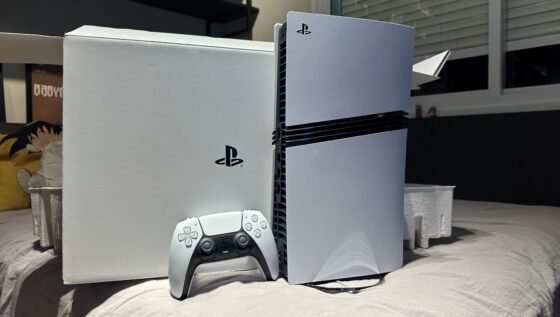
PS5 Hits 100 Million Shipped: Future of Gaming Explored
In the fiercely competitive arena of digital entertainment, every significant achievement by a major player reverberates across the industry. Sony’s PlayStation 5, a console that launched amidst unprecedented global challenges, has now reached a monumental milestone: 100 million units shipped to stores worldwide. This figure, confirmed by the company, places the PS5 firmly among gaming’s most successful platforms, yet it also invites critical comparison with its predecessors and prompts a deeper look into the evolving dynamics of the gaming market.
Released during the tumultuous period of the global pandemic, which brought both soaring demand and crippling supply chain disruptions, the PS5’s journey has been anything but ordinary. Its initial years were marked by scarcity, making it a highly coveted item for consumers and a significant challenge for Sony to distribute effectively. Reaching 100 million units shipped signifies not just impressive manufacturing and logistical feats, but also a sustained, robust consumer appetite for its next-generation experiences and exclusive content.
This achievement is particularly noteworthy as the industry stands on the cusp of major shifts, influenced by blockbuster game releases, technological advancements, and shifting consumer expectations. The PlayStation 5’s ability to capture such a substantial market share provides a solid foundation for its continued success and shapes the narrative for the broader future of console gaming and interactive entertainment. As fans of nerd culture and entertainment, understanding the context and implications of this milestone offers valuable insights into the pulse of the industry and what lies ahead for beloved console games.
The PlayStation 5’s Journey to 100 Million Shipped: A Key Milestone in Games
By November 10, the PlayStation 5 officially surpassed 100 million units shipped to retailers globally. This figure represents the consoles that have left Sony’s manufacturing facilities and entered the distribution network, indicating a strong performance despite initial supply constraints that characterized its launch period. While not directly translating to units sold to consumers, it is a crucial metric for evaluating market penetration and investor confidence in the platform’s reach.
The announcement underscores the PS5’s enduring appeal since its November 2020 debut. Its launch was uniquely impacted by a confluence of factors, including surging demand fueled by pandemic-induced lockdowns and severe shortages of critical components, notably semiconductors. These challenges meant that for an extended period, the PS5 remained notoriously difficult to purchase, often selling out instantly through online retailers and leading to inflated prices on secondary markets. Despite these hurdles, Sony systematically ramped up production, successfully navigating a complex global supply chain environment to achieve this significant shipment volume.
Reaching 100 million shipped units signifies that the PS5 has solidified its position as a dominant force in the current console generation. This achievement is a testament to Sony’s brand loyalty, the strength of its exclusive game titles, and its strategic pricing, all contributing to widespread adoption across diverse markets. For developers, a large installed base like this translates to a vast audience for their creations, encouraging further investment in high-quality games and experiences for the platform.
Comparing Console Generations: PS5’s Pace Against Historic Games Successes
The PlayStation 5’s journey to 100 million units shipped provides an interesting point of comparison with past console generations, particularly its direct predecessor, the PlayStation 4. While a remarkable achievement, the PS5 reached this milestone in approximately six years, a pace slightly slower than the PlayStation 4, which managed to sell over 100 million units in a more rapid timeframe of just five years and seven days.
This difference in pace can be attributed to several factors. The PS4 launched into a market with fewer immediate supply chain disruptions and benefited from a more traditional console cycle before the unprecedented global events that impacted the PS5. Furthermore, the definition of the milestone differs: the PS4 achieved 100 million *sold* to consumers, whereas the PS5 has hit 100 million *shipped* to stores. While shipped units are a strong indicator of market presence, they do not perfectly reflect direct consumer sales.
Looking further back, the PlayStation 2 remains the all-time best-selling console, boasting an impressive 155 million units sold (a figure sometimes cited as 160 million by former PlayStation executives). The PS2’s unparalleled success established a benchmark for console longevity and market penetration that modern consoles aspire to, including the PS5. Understanding these historical contexts helps to frame the PS5’s current achievement not just as a standalone success, but as part of a legacy within the dynamic and ever-evolving games industry.
| Console | Milestone | Time to Reach 100 Million | Key Context |
|---|---|---|---|
| PlayStation 5 | 100M Shipped | ~6 Years (by Nov 10) | Launched during global pandemic, significant supply chain challenges, high demand. |
| PlayStation 4 | 100M Sold | 5 Years, 7 Days | Strong initial market, fewer external constraints, traditional console cycle. |
| PlayStation 2 | ~155M Total Sold | N/A (All-Time Record) | Unparalleled global market penetration and longevity, broad appeal. |
The Evolving Landscape of Games: Factors Influencing PS5’s Trajectory
Several critical factors are currently shaping the PlayStation 5’s trajectory in the market, including a noticeable deceleration in sales, the monumental impact of upcoming blockbuster titles like Grand Theft Auto 6, and the strategic decision to potentially postpone the next-generation console, the PS6. These elements collectively influence the PS5’s immediate future and its long-term potential within the competitive world of games.
While reaching 100 million units shipped is a significant achievement, the observed slowing down of its sales pace suggests that the initial surge of early adopters has largely been satisfied. This is a natural phase in any console’s lifecycle, often followed by a period where sales stabilize or become more dependent on new software releases and strategic price adjustments. Market saturation, combined with global economic pressures affecting consumer discretionary spending, also plays a role in this deceleration.
Sony’s strategy will likely involve leveraging its vast library of exclusive titles and anticipating the impact of highly anticipated third-party releases to maintain momentum. The ability to adapt to these market shifts will be crucial for the PS5 to maximize its potential and ensure its continued relevance in a rapidly changing entertainment ecosystem where new ways of playing games are constantly emerging.
GTA 6’s Anticipated Boost for PlayStation Gaming
The impending launch of Grand Theft Auto 6 (GTA 6) is widely expected to deliver a significant boost to PlayStation 5 sales, providing a crucial ‘sobrevida’ (extended life) for the console. Historically, major, genre-defining titles from established franchises have proven to be powerful console movers, attracting new buyers and compelling existing owners to upgrade or remain loyal to a platform.
GTA 6, with its immense hype and expected global appeal, represents a ‘system seller’ of unparalleled magnitude. Its release will likely coincide with a surge in demand for the PS5, as many consumers will want to experience the game on the latest hardware for the best possible graphical fidelity and performance. This influx of interest could help the PS5 close the gap on its predecessors’ total sales figures, pushing it closer to the aspirational numbers set by the PS2 and PS4, thereby invigorating the entire ecosystem for games.
Next-Generation Postponement: Extending the PS5’s Reign in the Games Market
Another strategic factor that could significantly benefit the PS5’s long-term sales is the potential postponement of the next-generation console, the PS6. Reports suggest that high component prices and tariffs are compelling manufacturers, including Sony, to re-evaluate the optimal launch date for future hardware. This economic reality means that the PS5’s lifecycle might be intentionally extended beyond typical console generations.
An extended lifecycle for the PS5 allows Sony more time to amortize development costs, maximize profits from its existing platform, and capitalize on its growing install base. It also gives developers more time to master the current hardware, potentially leading to more ambitious and polished games that truly push the console’s capabilities. This strategic delay, while driven by economic necessity, transforms into a significant opportunity for the PS5 to achieve even greater sales milestones and solidify its legacy within the annals of gaming history.
Interpreting the 100 Million Milestone: Benefits and Limitations for the Gaming Ecosystem
The achievement of shipping 100 million PlayStation 5 units carries significant implications, offering both clear benefits for the broader gaming ecosystem and revealing certain limitations when viewed in historical context. Understanding these nuances is crucial for a comprehensive assessment of the console’s performance and its role in the industry’s future.
On the one hand, a robust installed base of 100 million units signals immense health and vitality for the PlayStation platform. It reassures third-party developers and publishers of a large, engaged audience, encouraging them to invest heavily in creating high-quality titles and exclusive content for the PS5. This fosters a vibrant ecosystem of games, accessories, and services. For Sony, it strengthens its negotiating power with content creators and solidifies its position as a market leader, driving revenues not just from hardware sales but also from software, subscriptions (like PlayStation Plus), and digital storefront transactions. This creates a virtuous cycle that benefits both consumers and industry stakeholders.
Conversely, the comparison to the PS4’s faster pace to 100 million *sold* units highlights a potential limitation. While 100 million shipped is impressive, the slower pace suggests that market conditions have evolved, perhaps indicating a higher degree of competition from other platforms, PC gaming, or even mobile entertainment. The distinction between ‘shipped’ and ‘sold’ also implies that some portion of these consoles may still reside in retail inventory, awaiting purchase by consumers. This slight lag, coupled with the reported sales deceleration, challenges Sony to continually innovate and adapt its strategies to maintain growth and ensure sustained demand for new games and hardware.
Strategic Considerations for PlayStation’s Future in Games
As the PlayStation 5 solidifies its position with 100 million units shipped, Sony faces strategic considerations that will shape its future within the dynamic world of games. These include navigating common misinterpretations of sales data, adhering to best practices for console manufacturing, and adapting to emerging trends that will define the next era of interactive entertainment.
Sony’s approach involves a blend of hardware innovation, content exclusivity, and ecosystem development. By continuously expanding its PlayStation Plus services, investing in new studios, and exploring cloud gaming opportunities, the company aims to create a sticky environment that retains users and attracts new ones. This multi-faceted strategy is designed to ensure the PS5’s long-term relevance and prepare the ground for future hardware iterations, keeping PlayStation at the forefront of the global games market.
Common Misinterpretations of Console Shipment Data
A frequent point of confusion in the gaming industry is the distinction between ‘units shipped’ and ‘units sold’. ‘Units shipped’ refers to the number of consoles that have been dispatched from the manufacturer to retailers, distributors, or warehouses. This metric indicates the supply side’s performance and market penetration potential. ‘Units sold’, on the other hand, represents the number of consoles purchased by end-consumers. While both are crucial indicators, ‘shipped’ numbers can sometimes inflate perceived market success if a significant portion remains unsold in inventory.
For analysts and investors, shipment data is vital as it reflects production capabilities, logistical efficiency, and the confidence retailers have in stocking a product. However, for consumers, ‘units sold’ often feels like a more direct measure of a console’s popularity and user base. Understanding this nuance is essential to accurately interpret news about console performance and its real-world impact on the number of people actively playing games on a specific platform.
Best Practices for Console Manufacturers in the Modern Games Era
In today’s fast-paced gaming landscape, console manufacturers must adopt a comprehensive set of best practices to ensure sustained success beyond initial hardware sales. This includes a relentless focus on creating a compelling software library, both through first-party exclusives and robust third-party support, as the quality and diversity of available games are primary drivers of console adoption and retention.
Furthermore, strong community engagement, transparent communication with consumers, and a responsive approach to feedback are paramount. Manufacturers must also prioritize the development of a strong online ecosystem, including reliable multiplayer services, digital storefronts, and subscription offerings that provide continuous value. Finally, adaptability to market changes, strategic pricing, and efficient supply chain management are critical operational aspects that ensure consoles remain accessible and competitive in the long term.
Future Trends Shaping the Games Industry and PlayStation’s Role
The gaming industry is in a constant state of evolution, and several key trends are set to shape its future, directly influencing PlayStation’s strategic direction. Cloud gaming, which allows users to stream high-fidelity games without powerful local hardware, is a significant frontier. PlayStation’s existing cloud streaming capabilities through PlayStation Plus Premium position it well to capitalize on this shift, potentially expanding its reach to new audiences.
Cross-platform play and development are also becoming increasingly important, fostering larger, more connected player bases. While PlayStation has historically favored exclusives, a flexible approach to cross-platform experiences could enhance its ecosystem. Moreover, the continued growth of subscription models, the integration of AR/VR technologies (such as PlayStation VR2), and the increasing emphasis on live-service games will demand agile innovation from Sony to maintain its leadership position in the ever-expanding universe of interactive entertainment.
What the 100 Million PS5 Units Shipped Means for Future Games and Console Cycles
The PlayStation 5 reaching 100 million units shipped is more than just a numerical achievement; it’s a profound indicator of the console’s established presence and potential influence on the future of games and subsequent console cycles. This milestone confirms a substantial global footprint, providing a solid foundation for Sony to continue its strategic push in the gaming market.
For upcoming game developers, this large install base guarantees a wide audience, which encourages investment in ambitious projects and platform-exclusive content. It also sets a new benchmark for what constitutes a successful console generation, influencing design choices, technological advancements, and marketing strategies for future hardware. The PS5’s journey, marked by initial scarcity and now by significant market penetration, offers valuable lessons on resilience, supply chain management, and the enduring power of brand loyalty in an increasingly diversified entertainment landscape. As the console continues to evolve, supported by major game releases and an extended lifecycle, its impact will undoubtedly resonate through the industry, shaping the expectations and possibilities for gamers and creators alike for years to come.
Frequently Asked Questions About PS5’s 100 Million Shipped Milestone and the World of Games
What does “100 million PS5 units shipped” actually mean?
When Sony announces that 100 million PlayStation 5 units have been “shipped,” it signifies the number of consoles that have been dispatched from Sony’s manufacturing and distribution centers to retailers, warehouses, and other points within the supply chain around the globe. This is a crucial metric that indicates the console’s extensive market penetration and supply chain efficiency, reflecting its availability in stores for purchase. It is distinct from “units sold,” which refers to the consoles that have actually been purchased by consumers. While shipped numbers are a strong indicator of demand and market presence, they also include inventory that might still be sitting on retail shelves, awaiting eager buyers ready to dive into the latest games.
How does the PS5’s performance compare to the PS4 at a similar point?
The PlayStation 5 reached the 100 million shipped milestone in approximately six years since its launch in November 2020. In comparison, the PlayStation 4 achieved over 100 million units *sold* to consumers in a slightly faster timeframe, taking five years and seven days. This difference in pace can be attributed to several factors. The PS5’s early years were heavily impacted by unprecedented global supply chain issues and component shortages, which significantly constrained its availability. The PS4, conversely, launched into a more stable market environment. Despite the PS5’s slower start, achieving 100 million units shipped still demonstrates robust, sustained consumer interest, especially given the challenging circumstances it navigated in the competitive world of games.
What role will GTA 6 play in the PS5’s sales trajectory?
Grand Theft Auto 6 (GTA 6) is widely anticipated to be a monumental release that will significantly boost the PlayStation 5’s sales trajectory. Historically, blockbuster titles from highly popular franchises like Grand Theft Auto have served as ‘system sellers,’ driving massive demand for the latest console hardware. The immense global hype surrounding GTA 6 is expected to draw in new consumers who wish to experience the game on the most advanced platform, compelling many to purchase a PS5. This surge in interest could extend the PS5’s lifecycle, providing a ‘sobrevida’ to its sales figures and helping it achieve even higher overall unit numbers, further solidifying its position in the landscape of highly influential games.
Why might Sony be delaying the release of the PS6?
Reports suggest that Sony might be considering delaying the release of the PlayStation 6 primarily due to economic factors, specifically the elevated costs of components and global tariffs. Developing and manufacturing new console hardware is an incredibly complex and expensive undertaking. High component prices directly impact the production cost, potentially forcing a higher retail price point that could deter consumers. By postponing the PS6, Sony can wait for market conditions to stabilize, component costs to potentially decrease, and supply chains to optimize. This strategy allows the company to maximize the profitability and market penetration of the current PS5, providing a longer window for it to host a wide array of new games and generate revenue from its ecosystem.
Is the PS5 on track to become Sony’s best-selling console?
While the PlayStation 5 has achieved a remarkable milestone with 100 million units shipped, whether it will surpass the PlayStation 2’s record of approximately 155 million units sold remains to be seen. The PS2 holds the title as the best-selling console of all time, demonstrating incredible longevity and widespread appeal. The PS5 faces a different market landscape, including increased competition, evolving consumer habits, and ongoing economic pressures. However, with an anticipated extended lifecycle due to potential PS6 delays and the impending release of major titles like GTA 6, the PS5 has a strong opportunity to continue its growth. Its success will depend on sustained software releases, ecosystem development, and Sony’s strategic agility in the ever-changing market for games.
How do global economic factors influence console shipments and games sales?
Global economic factors exert a significant influence on both console shipments and sales of games. Economic downturns, inflation, and high interest rates can reduce consumer discretionary income, making large purchases like new consoles and full-priced games less feasible for many. Supply chain disruptions, often exacerbated by geopolitical events or pandemics, can lead to component shortages, increasing manufacturing costs and hindering console production. Tariffs and trade policies can also drive up the final retail price for consumers. These factors collectively impact a console’s availability, affordability, and ultimately, its sales performance. Manufacturers must constantly adapt their strategies, including pricing and production volumes, to navigate these complex economic landscapes and maintain market stability for their games platforms.
What are the current trends in the console games market?
The console games market is currently shaped by several key trends. Subscription services like PlayStation Plus and Xbox Game Pass are gaining prominence, offering extensive libraries of games for a recurring fee, influencing how consumers access and play titles. The rise of cloud gaming continues, promising access to high-fidelity games without the need for powerful local hardware, potentially expanding the market to new demographics. Cross-platform play is becoming a standard, fostering larger, more interconnected player communities. Additionally, the development of live-service games, which receive continuous updates and new content, remains a focus for publishers. The integration of virtual and augmented reality (AR/VR) technologies also represents a growing niche, pushing the boundaries of immersive experiences within console gaming.












Post Comment