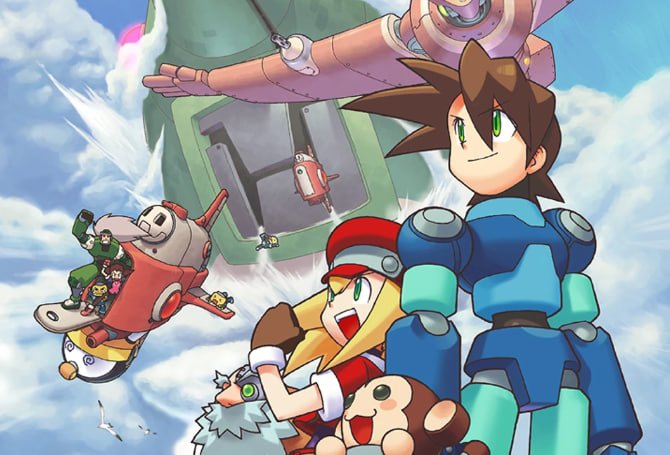
Mega Man Legends: Is a Return in the World of Games Imminent?
For decades, the sprawling universe of video games has been a realm where cherished memories are forged, epic sagas unfold, and beloved characters become indelible parts of our collective consciousness. Yet, for every new masterpiece that graces our screens, there exist dormant legends—franchises whose absence leaves a void, inspiring a persistent, quiet hope for their resurrection. Among these, few hold a place as poignant as Mega Man Legends, a series that dared to reimagine the iconic blue bomber in a vibrant, 3D action-adventure setting. Its distinctive charm, compelling narrative, and unforgettable characters garnered a dedicated following, even as the franchise met an unceremonious halt, leaving fans yearning for closure to its infamous cliffhanger.
The passion of the games community is a powerful force, often capable of willing the seemingly impossible into existence. We’ve witnessed countless examples of long-lost IPs finding new life, either through meticulous remakes, spiritual successors, or outright continuations that defy years of silence. This collective yearning for revival reached a fever pitch recently, as subtle yet significant whispers began to emerge from the usually opaque corridors of game development. These aren’t mere fan theories or unsubstantiated forum posts; rather, they are official, albeit cryptic, entries within public databases, suggesting that the dream of a Mega Man Legends return might be closer to reality than ever before. The implications for the future of the series, and indeed, for the broader landscape of classic games, are immense, promising either a triumphant comeback or, at the very least, a renewed preservation of its unique legacy.
As we delve into the specifics of these tantalizing clues, it’s crucial to approach them with a blend of fervent optimism and pragmatic caution. The journey of game development is fraught with twists and turns, and preliminary registrations can signify a multitude of outcomes. However, the convergence of multiple, independent indicators creates a compelling narrative that demands attention. What exactly do these official records tell us? How significant are they in the grand scheme of bringing a beloved franchise back to the forefront of modern games? And what could this mean for the patient, passionate community that has steadfastly kept the flame of Mega Man Legends burning for so long? Let’s unravel the mystery.
Unearthing Clues: A Potential Return for Mega Man Legends in the World of Games
Recent public registrations have sparked considerable excitement within the gaming community, strongly suggesting that the Mega Man Legends franchise might be making a comeback. Specifically, an entry appeared on the ACTRA Toronto website listing ‘Mega Man Legends’ as ‘new media,’ indicating a production that began in September, alongside a previous age rating in South Korea.
The recent surge in speculation surrounding Mega Man Legends stems from a discovery made by the fan portal Rockman Corner, which highlighted a listing on ACTRA Toronto’s public database. ACTRA Toronto is a branch of the Alliance of Canadian Cinema, Television and Radio Artists, a professional organization representing performers in English-language media in Canada. Their online production list, which is publicly accessible, serves as a record of various media projects. The inclusion of ‘Mega Man Legends’ on this list, designated as ‘new media’ and noted with a September start date, immediately captured the attention of fans and industry observers alike.
The term ‘new media’ itself is broad, covering a wide array of formats, from interactive digital projects to animated series or even film productions. This inherent ambiguity means the registration isn’t a definitive announcement of a new video game. However, given the context of a beloved gaming franchise, it naturally steers speculation towards a potential new title. It could also pertain to related projects, such as an animated series, a film, or, perhaps most intriguingly, the procurement of Canadian voice talent for a new game in the series, suggesting early stages of production or localization planning.
The presence of such a registration on a performers’ union site strongly implies that talent acquisition or involvement is underway for a project bearing the Mega Man Legends name. This move typically occurs in the pre-production or early production phases of any media, underscoring that whatever this ‘new media’ project entails, it has moved beyond mere conceptualization and into active development or preparation.
The Whispers from South Korea: An Age Rating’s Significance
Adding further weight to the excitement is the news of a South Korean age rating for a Mega Man Legends title, which surfaced just last month. Age ratings, issued by national classification boards, are a mandatory step for any commercial game release in a given territory.
Unlike vague ‘new media’ registrations, an age rating specifically points to a product that is nearing completion or is at least stable enough to be submitted for classification. This step is usually taken when a game is in its final stages of development or localization, making it a much stronger indicator of an impending release. While the exact title or nature of the rated product (whether it’s a new game or a re-release) remains undisclosed, its mere existence solidifies the idea that Capcom is actively working on something substantial related to Mega Man Legends.
The combined evidence of a production registration in Canada, possibly for voice work or other media, and an age rating in South Korea, for what appears to be a finalized product, paints a compelling picture. Individually, each piece of information might be dismissed as circumstantial. Together, however, they form a narrative of significant activity surrounding a franchise that has been dormant for far too long, igniting genuine hope for its return to the forefront of classic action-adventure games.
Decoding the Indicators: What Registrations Mean for Beloved Games
Registrations and age ratings are common, albeit often cryptic, milestones in the journey of game development, serving as early signals for upcoming projects long before official announcements. For fans of specific games, decoding these indicators offers a tantalizing glimpse into what might be on the horizon.
In the vast ecosystem of game development, a multitude of behind-the-scenes processes unfold before a title is officially revealed to the public. Legal registrations, intellectual property filings, and talent acquisitions are all routine steps that precede the polished trailers and press releases that typically announce a new game. The ACTRA Toronto listing for ‘Mega Man Legends’ falls squarely into this category. Such registrations are essential for formalizing production, ensuring legal compliance, and commencing the operational aspects of a project, even if its ultimate form is not yet clear. They represent a tangible commitment of resources and planning from the involved parties, moving a concept from ideation to execution.
While these filings confirm activity, they deliberately lack specificity to maintain confidentiality during sensitive development phases. This is a common practice in the competitive games industry, where studios often prefer to control the narrative around their releases, building anticipation and ensuring maximum impact upon official unveiling. Therefore, while the Mega Man Legends registration is undeniably exciting, it must be viewed as a foundational step rather than a conclusive declaration, leaving room for a range of possibilities regarding the project’s exact nature.
The Legacy of Mega Man Legends: A Cult Classic Among Games
To fully grasp the fervor surrounding these rumors, one must understand the unique place Mega Man Legends holds in the pantheon of games. Launched in 1997, it represented a radical departure from the traditional 2D platforming of the main Mega Man series, venturing into a fully 3D action-adventure world.
The series, comprising Mega Man Legends and Mega Man Legends 2, along with the spin-off The Misadventures of Tron Bonne, introduced a new narrative universe filled with compelling characters like the titular Mega Man Volnutt, the eccentric Tron Bonne, and the mysterious Data. Its blend of exploration, dungeon crawling, and third-person shooting, coupled with a captivating storyline focused on ancient technology and a flooded Earth, resonated deeply with players looking for something different from the standard Mega Man formula. The immersive world and engaging character interactions created a sense of adventure that stood apart.
Perhaps the most enduring aspect of Mega Man Legends’ legacy is its unresolved storyline. Mega Man Legends 2 famously ended on a massive cliffhanger, leaving Mega Man stranded on a distant moon with no clear path home. This open ending has fueled decades of fan speculation and desperate pleas for a continuation, making any hint of its return extraordinarily significant. For many, a new Mega Man Legends title isn’t just another game; it’s the long-awaited conclusion to a story they’ve invested deeply in.
Capcom’s Recent History with Classic Games and Revivals
Capcom, the publisher behind Mega Man Legends, has shown a significant propensity in recent years for revisiting and revitalizing its classic intellectual properties. This corporate strategy provides a hopeful context for the current Mega Man Legends rumors.
The company has achieved considerable critical and commercial success with remakes of its iconic Resident Evil series, bringing beloved titles to modern audiences with stunning graphics and refined gameplay. Beyond remakes, Capcom has also released several ‘Legacy Collections’ for various franchises, including the classic Mega Man series, bundling older games with quality-of-life improvements and bonus content. This approach demonstrates a clear understanding of the value of their historical catalog and the desire among fans for accessible versions of classic games.
This pattern of engaging with and modernizing past hits suggests that a Mega Man Legends revival, whether a full sequel, a remake, or a collection, aligns perfectly with Capcom’s established business practices. It implies that the company recognizes the untapped potential and fervent fan demand for their older titles, offering a strategic rationale behind the current behind-the-scenes activity for Mega Man Legends.
Comparing Possibilities: New Game vs. Collection for Mega Man Legends Fans
With hints of Mega Man Legends’ return, two primary scenarios emerge: a brand-new game, potentially continuing the story, or a collection bundling existing titles. Each option carries distinct implications for the franchise’s dedicated fanbase and the broader landscape of retro games.
The most fervent desire among the Mega Man Legends community is undoubtedly for a full-fledged sequel, often referred to as Mega Man Legends 3. Such a project would directly address the cliffhanger ending of Mega Man Legends 2, providing long-awaited resolution and potentially introducing new narratives, characters, and gameplay mechanics tailored for modern platforms. A new game would represent a significant investment in development, requiring a fresh engine, new assets, extensive voice acting (tying back to the ACTRA registration), and a fully fleshed-out story to meet contemporary expectations for 3D action-adventure games.
Conversely, the alternative, and arguably safer, route for Capcom would be to release a Mega Man Legends Legacy Collection. This approach would involve remastering or simply porting the original games (Mega Man Legends, Mega Man Legends 2, and possibly The Misadventures of Tron Bonne) to modern consoles and PC. While it might not deliver the narrative continuation fans crave, a collection would make these classic titles accessible to a new generation of players and allow veteran fans to revisit them on contemporary hardware, often with improved resolutions, frame rates, and quality-of-life enhancements.
Both possibilities offer distinct advantages and disadvantages, catering to different segments of the fanbase and requiring varying degrees of developmental effort and risk. The choice between a new game and a collection would significantly impact the future trajectory of the franchise within the broader industry of classic games.
| Scenario | Implications for Fans | Development Scope & Risk |
|---|---|---|
| New Game (e.g., Mega Man Legends 3) | Resolves cliffhanger, new story, modern gameplay, high anticipation. | Very High: New engine, assets, voice acting, storyline; significant investment, higher risk of missing fan expectations. |
| Legacy Collection / Remaster | Preserves classics, modern platform availability, potential visual/QoL enhancements, lower entry barrier for new players. | Moderate: Porting/emulation, upscaling, minor enhancements; lower risk, but less new content. |
| Related Media (Anime, Film) | Expands lore, introduces franchise to new audiences. | High: Requires new creative teams, distinct production pipelines; may not satisfy gaming-specific desires. |
The Fan Perspective: Hopes, Hurdles, and the Future of These Games
The Mega Man Legends fanbase is characterized by an unwavering loyalty, shaped by years of anticipation, past disappointments, and a deep appreciation for the series’ unique charm among action-adventure games. Their hopes are high, yet tempered by a history of unfulfilled promises.
For many fans, the idea of a new Mega Man Legends project represents more than just another game release; it’s a deeply emotional prospect tied to nostalgia and a longing for narrative closure. The series cultivated a distinct identity with its lighthearted yet poignant storytelling, memorable characters, and engaging exploration. This created a strong connection that has endured long after the games left the spotlight. The community’s persistence, even through years of dormancy, highlights the profound impact these particular games had on players.
However, this hope is also intertwined with a cautious skepticism, born from past experiences. The gaming industry is replete with rumors and early development teasers that never materialize. Fans have learned to celebrate early signs with reserve, knowing that many factors can derail a project before it reaches fruition. This careful optimism ensures that while excitement is palpable, it remains grounded in the understanding that an official announcement is the only true confirmation.
The Long Wait for Mega Man Legends 3
The lingering shadow over any Mega Man Legends revival is the infamous cancellation of Mega Man Legends 3. Announced for the Nintendo 3DS, the project generated immense excitement, with Capcom even involving the community in its development through a dedicated devroom.
The abrupt cancellation in 2011, citing insufficient progress, was a significant blow to the fanbase, leaving a deep sense of disappointment and betrayal. This painful history makes the current rumors particularly resonant, yet also serves as a stark reminder of the fragile nature of game development. Fans have waited over a decade for any form of official continuation or acknowledgment, transforming this potential return into something far more significant than a typical sequel announcement for many.
The impact of this past cancellation cannot be overstated; it fundamentally shaped the community’s relationship with the franchise and its publisher. Any new project would need to acknowledge this history and actively work to rebuild trust, demonstrating a clear commitment to delivering a product that lives up to the long-held expectations. This context is crucial for understanding the nuanced reactions from fans to the current wave of speculation regarding these classic games.
What Players Hope For: Key Features in Future Mega Man Games
If a new Mega Man Legends game were to materialize, the fanbase has a clear vision of what would constitute a truly fulfilling experience. Their hopes extend beyond mere existence to specific design choices.
- Narrative Resolution: Top priority is a proper conclusion to the story left hanging by Mega Man Legends 2, offering closure for Mega Man Volnutt’s journey.
- Artistic Fidelity with Modernization: Fans desire updated graphics that retain the unique charm and aesthetic of the original games, avoiding a complete overhaul that loses its identity.
- Refined Gameplay Mechanics: While preserving the core exploration and combat, modern quality-of-life improvements, camera controls, and fluid movement are expected in new games.
- Engaging Voice Acting: High-quality voice work, potentially utilizing talent from regions like Canada (tying into the ACTRA registration), is crucial for character immersion.
- Broad Platform Availability: Releasing on current-generation consoles and PC would ensure maximum accessibility, reaching both veteran fans and newcomers to the series.
These desired features highlight the community’s thoughtful engagement with the franchise, indicating a mature understanding of what would make a new entry not just possible, but genuinely successful. Their input could serve as a valuable guide for any future development efforts in the realm of action-adventure games.
Potential Risks and Common Misconceptions in Game Rumors
While the excitement around Mega Man Legends’ potential return is understandable, it’s vital to recognize the inherent risks and common misconceptions associated with early game development rumors.
One significant risk is the over-interpretation of vague data. A ‘new media’ registration, as discussed, is incredibly broad and could pertain to projects far removed from a full-fledged video game sequel. It might be an anime adaptation, a mobile game spin-off with limited scope, or even just an internal project that never sees the light of day. Fans, eager for a particular outcome, can sometimes project their desires onto ambiguous clues, leading to eventual disappointment if the reality differs.
Another common misconception is equating preliminary registrations with a guaranteed release. The journey from initial concept or registration to a finished product is long and precarious. Projects can be canceled, put on indefinite hold, or undergo significant changes. Furthermore, details like voice actor registrations might only be for a limited, early phase of development that doesn’t lead to a full game. It’s crucial for the community to maintain a balanced perspective, celebrating the signs of life while acknowledging the many hurdles that still remain for these potential games.
Navigating the Hype: What’s Next for Mega Man Legends Games?
As the gaming community buzzes with speculation, the prudent approach for fans of Mega Man Legends games is one of cautious optimism, awaiting official confirmation from Capcom itself before fully embracing the resurgence.
The journey from a cryptic public registration to a released game is often protracted and filled with unknowns. While the recent clues are undeniably strong indicators of some form of activity surrounding the Mega Man Legends intellectual property, they do not constitute a definitive announcement. Capcom, like most major publishers, typically reserves its big reveals for strategic moments: major industry events such as E3 (or its spiritual successors), The Game Awards, or dedicated showcases. These platforms allow for maximum impact, control over the messaging, and the opportunity to present a polished vision of upcoming games.
Therefore, while it is perfectly natural for fans to feel a surge of excitement, the most sensible course of action is to monitor official Capcom channels and reputable gaming news outlets for any forthcoming announcements. Any information not originating directly from the publisher should be treated as speculation, no matter how compelling the underlying data may appear. The industry thrives on anticipation, and managing that hype responsibly is key to enjoying the eventual reveal, whatever form it may take for these beloved games.
How to Stay Informed About Upcoming Game Developments
For eager fans hoping for news on Mega Man Legends, an informed approach to following developments is essential to distinguish concrete updates from pure speculation.
- Follow Official Capcom Channels: The most reliable source for any news will always be Capcom’s official website, social media accounts (Twitter, Facebook, YouTube), and press releases.
- Monitor Reputable Gaming News Outlets: Major gaming news sites and journalists often have reliable sources and are quick to report on official announcements or credible leaks for new games.
- Be Wary of Unsubstantiated Leaks: While leaks can sometimes prove true, many are fabricated or based on incomplete information. Exercise skepticism and look for corroborating evidence before accepting unconfirmed reports.
- Engage with Fan Communities (Cautiously): While fan forums and discussions can be a great source of camaraderie, they can also amplify rumors. Enjoy the discussion, but always verify information independently.
By adopting these practices, fans can ensure they are among the first to receive accurate information when, or if, an official announcement is made regarding the future of Mega Man Legends games.
Frequently Asked Questions About Mega Man Legends and Its Potential Return
Is a new Mega Man Legends game officially confirmed?
No, a new Mega Man Legends game is not officially confirmed by Capcom. The recent excitement stems from a public registration on ACTRA Toronto’s website, which listed ‘Mega Man Legends’ as ‘new media’ starting in September, along with an earlier age rating in South Korea. These are strong indicators of activity surrounding the franchise, but they are not definitive announcements. Game developers often keep projects under wraps during early stages, and official confirmations typically come directly from the publisher through press releases or major industry events. Fans should remain cautiously optimistic and await official statements from Capcom regarding any new Mega Man Legends titles or collections.
What is ACTRA Toronto, and why is its registration significant?
ACTRA Toronto is a branch of the Alliance of Canadian Cinema, Television and Radio Artists, a professional organization representing performers in English-language media in Canada. Its public database lists various media productions. The significance of ‘Mega Man Legends’ appearing on this list as ‘new media’ is that it suggests active production or pre-production work is underway. This could involve hiring Canadian voice actors, motion capture artists, or other performers for a project related to the franchise. While the term ‘new media’ is broad, encompassing various formats from games to animation, the registration indicates a tangible commitment of resources, moving the project beyond mere conceptualization.
What does ‘new media’ mean in the context of this registration?
In the context of the ACTRA Toronto registration, ‘new media’ is a broad term that can cover a wide range of digital and interactive content. For a gaming franchise like Mega Man Legends, this could mean several things: a brand-new video game, a remastered collection of existing games, an animated series, a film, or even just voice-over work for a new project. The ambiguity is typical for early-stage development filings, allowing companies to explore various avenues without committing to a specific format publicly. While it doesn’t guarantee a new game, it certainly signals a revival of interest and investment in the Mega Man Legends intellectual property.
Why is a South Korean age rating a strong indicator for games?
A South Korean age rating for a game is considered a strong indicator of an impending release because age classification is a mandatory step for commercial distribution. Games are typically submitted for age rating when they are in their final stages of development or localization, meaning the product is largely complete and stable. Unlike early development registrations that can be vague or for projects that might be canceled, an age rating suggests a finalized product that is being prepared for market. While the specific nature of the rated product (new game, remaster, collection) might not be immediately clear, its existence significantly increases the likelihood of a release in the near future.
What happened to the previously announced Mega Man Legends 3?
Mega Man Legends 3 was a highly anticipated sequel announced for the Nintendo 3DS. Capcom engaged the community extensively in its development through a dedicated ‘devroom,’ allowing fans to contribute ideas and influence aspects of the game. However, in 2011, Capcom abruptly announced the project’s cancellation, citing that it had “not reached the requisite goals” for the company. This decision caused significant disappointment and frustration among the devoted fanbase, leaving the series’ narrative unresolved and creating a lasting impact on how fans perceive any future announcements related to Mega Man Legends. The memory of this cancellation fuels both hope and caution today.
Could this simply be a Mega Man Legends Legacy Collection?
Yes, the possibility of a Mega Man Legends Legacy Collection is a strong contender, perhaps even more likely in the short term than a completely new game. Capcom has a history of releasing successful ‘Legacy Collections’ for its classic franchises, such as the original Mega Man series and the Street Fighter series. These collections typically bundle older games with enhancements like improved graphics, quality-of-life features, and bonus content. A collection would allow Capcom to reintroduce the beloved games to modern platforms and a new generation of players, while also testing the market demand before committing to the significant investment required for a full-fledged new title. It’s a strategic move that aligns with Capcom’s recent business practices.
When can fans expect an official announcement about these Mega Man Legends games?
Predicting an official announcement date for any game project based on early registrations is inherently difficult. Capcom typically chooses major industry events or dedicated showcases to reveal its flagship titles, as these platforms provide maximum visibility and media impact. Potential venues could include events similar to the Game Awards, Tokyo Game Show, or a standalone Capcom showcase. Given that the ACTRA Toronto registration began in September and the South Korean age rating occurred last month, development is likely still in progress. Fans should patiently monitor official Capcom news channels and major gaming publications. It is possible an announcement could come later this year or in early 2025, but nothing is certain without official word.
What are the previous games in the Mega Man Legends series?
The Mega Man Legends series consists of three main titles released between 1997 and 2000. The core games are: 1. Mega Man Legends (1997): Released for PlayStation, Nintendo 64, and PC, this game introduced the 3D action-adventure gameplay and the new universe. 2. Mega Man Legends 2 (2000): A direct sequel for PlayStation and PC, it continued the narrative and expanded on gameplay mechanics, ending on a famous cliffhanger. Additionally, there was a spin-off title: 3. The Misadventures of Tron Bonne (1999): Also for PlayStation, this prequel focused on one of the series’ popular antagonists, offering a unique blend of puzzle, action, and strategy gameplay. These titles established the unique identity of the Mega Man Legends franchise, distinct from the traditional 2D Mega Man games.













Post Comment