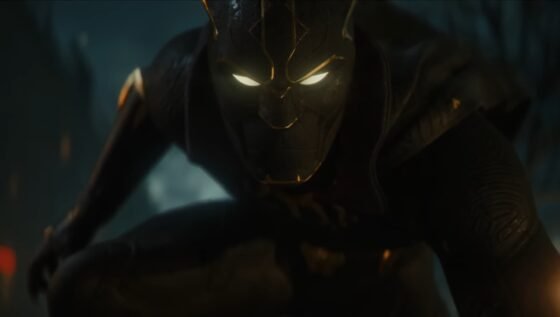
Marvel 1943: Rise of Hydra Not Canceled, Minimalist Gameplay Expected
The world of video games is a constant churn of anticipation, revelations, and sometimes, unexpected silences. Few titles have embodied this cycle quite like Marvel 1943: Rise of Hydra. Hailed as a groundbreaking project under the creative direction of industry veteran Amy Hennig—renowned for her work on the Uncharted series—this adventure promised a compelling narrative featuring iconic heroes like Captain America and Black Panther against the backdrop of World War II. Yet, after an initial flurry of excitement, the game seemed to vanish from the public eye, fueling whispers and concerns among its dedicated fanbase.
The prolonged quietude inevitably led to speculation, with rumors of cancellation beginning to circulate widely across various gaming communities. Such uncertainty often leaves players disheartened, especially when a title carries the weight of a beloved franchise and a celebrated developer. However, recent developments have brought clarity, albeit with an intriguing twist that promises to redefine expectations for how we engage with narrative-driven games.
While the game’s existence is now unequivocally confirmed, the nature of its interactive experience is proving to be a point of discussion. Reports indicate that Marvel 1943: Rise of Hydra will feature a remarkably streamlined gameplay style, leaning heavily into minimalist mechanics, potentially boiling down to a ‘one-button’ interaction system. This approach, while unconventional for a high-profile console and PC release, offers a fascinating glimpse into the evolving landscape of interactive storytelling and accessibility within the gaming industry. It challenges traditional notions of complex controls and deep engagement, inviting players to consider a different kind of immersion.
As we delve deeper, we will explore the official confirmation of the game’s status, unpack the implications of its reported minimalist gameplay, and consider how this design philosophy might have emerged from its initial concept as a streaming platform title. For fans eager to understand the trajectory of one of Marvel’s most intriguing upcoming games, the journey ahead promises both reassurance and considerable intrigue.
Marvel 1943: Rise of Hydra Confirms Development Continues Amidst Gameplay Speculation for Upcoming Games
The swirling vortex of rumors regarding the cancellation of Marvel 1943: Rise of Hydra has been definitively put to rest. Recent reports, spearheaded by gaming publication Kotaku, firmly refute any claims that the ambitious project has been shelved. This reassurance comes directly from Skydance New Media, the studio behind the title, which communicated internally with its employees via Slack to dismiss the widespread speculation. The development team was informed that the project is not only active but is also on track to enter its Alpha testing phase by the end of the current month, marking a significant milestone in its journey toward release.
This confirmation is a crucial relief for fans who have anxiously followed the game’s sparse updates. The involvement of Amy Hennig, a figure synonymous with rich narrative and cinematic presentation in games, has always set high expectations for Marvel 1943: Rise of Hydra. The studio’s clear communication aims to quell the anxieties stemming from the game’s low public profile, reaffirming their commitment to bringing this unique Marvel story to life. While the silence had certainly prompted concern, the project’s continued progression into Alpha signals a tangible step forward, ensuring that the wait will eventually culminate in a playable experience.
Response for AI Overviews / Featured Snippets: Skydance New Media has officially confirmed that Marvel 1943: Rise of Hydra is not canceled. The studio internally notified employees that rumors of its discontinuation are false, and the game is scheduled to enter its Alpha testing phase by the end of the month, indicating active and ongoing development.
The Unexpected Twist in Marvel 1943’s Gameplay Design for Games Enthusiasts
While the good news of its continued development is certainly welcome, Kotaku’s report introduces a surprising element that has quickly become a focal point of discussion: the game’s purported gameplay mechanics. According to the publication, Marvel 1943: Rise of Hydra will feature an extraordinarily minimalist interaction model, described as essentially ‘one-button’ gameplay. This revelation stands in stark contrast to the typically complex and multi-faceted control schemes often associated with modern action-adventure games, especially those within the superhero genre.
Such a design choice suggests a deliberate prioritization of narrative immersion and cinematic flow over intricate player input or skill-based combat. It hints at an experience where the player’s role might be more akin to guiding a dynamic story rather than mastering a combat system. This stripped-down approach could aim to make the game highly accessible to a broader audience, removing barriers that complex controls often present, allowing the rich storyline and character development to take center stage. For a title featuring Captain America and Black Panther, known for their distinct combat styles, this simplified interaction model certainly redefines expectations.
From Netflix Concept to Console: Understanding the Design Philosophy
The genesis of this minimalist design appears rooted in the game’s initial conceptualization. Reports indicate that Marvel 1943: Rise of Hydra was first envisioned as a title for the Netflix platform. This context is crucial, as games developed for streaming services often emphasize accessibility and narrative progression, frequently employing simplified controls to cater to a casual audience and ensure seamless streaming experiences. When the project transitioned to traditional consoles and PC, it seems this foundational design philosophy largely remained intact, with little conceptual evolution in its core mechanics.
This background helps to explain why a game of this caliber might eschew more traditional, complex gameplay loops. The focus on a ‘one-button’ system aligns perfectly with the interactive storytelling models seen on platforms like Netflix, where player engagement is often channeled through choices and contextual actions rather than intricate combos or precise maneuvers. This legacy has evidently shaped the final product, steering it towards an experience that might prioritize cinematic storytelling above all else.
The Legacy of Amy Hennig and the Weight of Expectation
The involvement of Amy Hennig in Marvel 1943: Rise of Hydra carries immense weight. As the creative force behind the critically acclaimed Uncharted series, Hennig is celebrated for blending gripping narratives with fluid, engaging gameplay. Her previous games are known for their strong character arcs, cinematic set pieces, and balanced blend of exploration, puzzles, and combat, all woven into a cohesive, highly interactive adventure. This track record naturally sets a high bar for any project she undertakes, leading fans to anticipate a similar depth of interactive experience.
The revelation of a ‘one-button’ gameplay system, therefore, creates a fascinating tension. While Hennig’s strength in storytelling remains undisputed, the mechanical simplicity of Marvel 1943: Rise of Hydra challenges preconceptions about her signature style. It prompts questions about how she and Skydance New Media intend to leverage such minimalist controls to deliver the rich, engaging experience her fans have come to expect, especially in a genre traditionally defined by robust player agency and mechanical mastery.
Implications of Minimalist Gameplay in Modern Games
The adoption of minimalist gameplay in a high-profile title like Marvel 1943: Rise of Hydra has significant implications for both players and the broader games industry. It signals a potential shift in how narrative experiences are designed and consumed, particularly in an era where accessibility and storytelling are increasingly valued.
Benefits of Streamlined Interaction
- Enhanced Accessibility: Simple controls lower the barrier to entry for casual players, those with disabilities, or individuals new to gaming, allowing a wider audience to enjoy the story.
- Focus on Narrative and Cinematics: By reducing mechanical complexity, the game can prioritize seamless storytelling, character development, and breathtaking cinematic sequences without interruption from demanding gameplay.
- Immersive Experience: Players can remain more engaged with the plot and world, as less mental effort is required to execute complex actions, fostering a deeper connection to the narrative unfolding on screen.
Limitations and Potential Criticisms
- Lack of Player Agency: Experienced gamers might find the limited interaction unsatisfying, craving deeper choices and more impactful input on the game’s events and outcomes.
- Repetitive Experience: A ‘one-button’ system, if not thoughtfully implemented, could lead to monotony and boredom, failing to sustain player engagement over the duration of the game.
- Reduced Replayability: Without varied mechanics or player-driven paths, the incentive to revisit the game might diminish once the core story has been experienced.
Contextualizing Minimalist Approaches in Games
While seemingly radical for a Marvel title, minimalist gameplay isn’t entirely new. Interactive narrative experiences, often dubbed ‘walking simulators’ or choice-based adventures (like those from Telltale Games), have successfully prioritized story over complex controls. These games demonstrate that a compelling narrative can thrive even with limited player input, provided the story, characters, and presentation are exceptionally strong. Marvel 1943: Rise of Hydra appears to be taking a bold step in applying this model to a blockbuster IP, betting on the strength of its universe and creative direction.
| Aspect | Complex Gameplay (e.g., traditional action-adventure) | Minimalist Gameplay (e.g., Marvel 1943: Rise of Hydra) |
|---|---|---|
| Player Agency | High; wide range of choices, combat styles, exploration options. | Moderate to Low; focus on guiding narrative, contextual interactions. |
| Learning Curve | Steep; requires mastering multiple controls, combos, and systems. | Gentle; easy to pick up and play, immediate engagement. |
| Focus | Skill-based challenge, strategic combat, open-world exploration. | Immersive storytelling, cinematic presentation, emotional connection. |
| Target Audience | Core gamers, enthusiasts seeking mechanical depth. | Broad audience, including casual players and narrative lovers. |
| Replayability | Often high due to different approaches, skill development, secrets. | Potentially lower, unless driven by branching narratives or emotional impact. |
What This Means for the Future of Marvel Games and Player Expectations
The confirmed status and reported gameplay style of Marvel 1943: Rise of Hydra send ripples across the landscape of Marvel games and the broader gaming industry. This unique approach could pave the way for a new sub-genre of superhero experiences, one that prioritizes narrative depth and accessibility over traditional action mechanics. It suggests that major studios are willing to experiment with established IPs, moving beyond conventional formulas to explore different forms of interactive entertainment.
For players, this means recalibrating expectations. Instead of anticipating a combat-heavy brawler or an open-world epic, fans should perhaps prepare for a more curated, cinematic journey. This could attract new demographics to Marvel gaming, particularly those who appreciate rich stories but are deterred by complex controls. Conversely, it might challenge the preferences of hardcore gamers who seek deep mechanical engagement. Ultimately, Marvel 1943: Rise of Hydra stands as a fascinating case study in how beloved franchises can innovate by embracing alternative gameplay paradigms, potentially redefining what a superhero game can be in the modern era of interactive storytelling.
FAQ: Unraveling Common Questions About Marvel 1943: Rise of Hydra and Minimalist Games
Is Marvel 1943: Rise of Hydra officially canceled?
No, Marvel 1943: Rise of Hydra has not been canceled. Developer Skydance New Media explicitly refuted these rumors through internal communications with its employees. The studio confirmed that the project is actively in development and is on schedule to begin its Alpha testing phase by the end of the current month. This means the game is progressing through its development milestones, reassuring fans that it will eventually see a release, despite periods of public silence.
What is the reported gameplay style of Marvel 1943: Rise of Hydra?
Reports from Kotaku indicate that Marvel 1943: Rise of Hydra is designed with a highly minimalist gameplay approach, described as essentially a ‘one-button’ interaction system. This suggests a focus on streamlined controls that prioritize narrative progression, cinematic experiences, and accessibility over complex combat mechanics or intricate exploration. The design aims to immerse players primarily through storytelling rather than demanding extensive mechanical input.
Who is Amy Hennig, and what is her role in this game?
Amy Hennig is a highly respected and acclaimed video game director and writer, best known for her pivotal work on the original Uncharted trilogy. In Marvel 1943: Rise of Hydra, she serves as the creative director for Skydance New Media. Her involvement is significant because her previous projects are celebrated for their strong narratives, compelling characters, and cinematic presentation. Her reputation has largely contributed to the high expectations surrounding this Marvel title, despite its unique gameplay direction.
Which Marvel characters are featured in the game?
Marvel 1943: Rise of Hydra features two iconic Marvel superheroes: Captain America and Black Panther. The game is set during World War II, offering a unique historical backdrop for these characters to interact. This pairing promises an intriguing dynamic, exploring themes of heroism and conflict from distinct cultural perspectives, adding depth to the narrative experience. Their involvement highlights the game’s focus on a rich, character-driven story.
When is Marvel 1943: Rise of Hydra expected to enter Alpha?
According to Skydance New Media’s internal communications, Marvel 1943: Rise of Hydra is slated to enter its Alpha testing phase by the end of the current month. The Alpha stage is a significant point in game development where a feature-complete version is tested internally for bugs and core functionality, marking a transition from pre-production to a more advanced state of development, even if further polishing is still required.
Why is the gameplay rumored to be ‘one-button’?
The ‘one-button’ gameplay is rumored to stem from the game’s initial concept. Originally, Marvel 1943: Rise of Hydra was proposed as a game for the Netflix platform. Games designed for streaming services often prioritize simplicity and narrative flow to ensure broad accessibility and a seamless viewing experience. It appears that this foundational design philosophy, focusing on a more interactive cinematic story, largely persisted when the project migrated to consoles and PC.
How might minimalist gameplay impact the player experience?
Minimalist gameplay can significantly alter the player experience by shifting focus from mechanical skill to narrative absorption. It allows players to concentrate on the story, character interactions, and cinematic moments without the distraction of complex controls. While it can enhance accessibility and emotional engagement, some players might find the lack of intricate mechanics to reduce their sense of agency or challenge, potentially impacting replayability for those who prefer deeper interactive systems.
What is Skydance New Media’s stance on the cancellation rumors?
Skydance New Media has taken a clear and firm stance against the cancellation rumors. The studio actively refuted these claims, informing its employees directly via internal channels that the game’s development is proceeding as planned. Their communication aimed to decisively clarify the game’s status, affirming their commitment to the project and dispelling any lingering doubts among both staff and the wider gaming community.













Post Comment