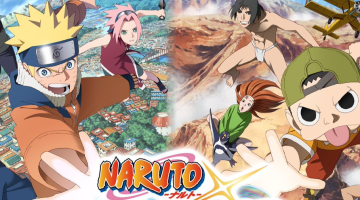
Kishimoto Reveals ‘Naruto’s’ ‘Ninku’ Roots: An Otaku’s Dream Come True
In the vast pantheon of global pop culture, few franchises command the sheer adoration and recognition that Naruto does. From its humble beginnings as a manga in Weekly Shōnen Jump to becoming a worldwide phenomenon spanning anime, films, games, and merchandise, Masashi Kishimoto’s tale of a mischievous ninja aspiring to become Hokage has captivated millions. For years, fans have speculated about the myriad influences that shaped this iconic series, from traditional Japanese folklore to other celebrated shonen works. Yet, a recent revelation from Kishimoto himself at the New York Comic Con 2026 has provided an astonishing, deeply personal, and unexpected answer, shaking the foundations of long-held assumptions and offering an intimate glimpse into the mind of a master storyteller.
Kishimoto-sensei, the creative force behind the Hidden Leaf Village, unequivocally declared that Naruto owes its very existence to Ninku (NINKŪ), a lesser-known martial arts manga by Koji Kiriyama. This isn’t merely a passing nod to an inspiration; it’s a direct confession of an artist’s profound admiration for another’s work, a testament to the powerful, often unseen, threads that weave through creative endeavors. The announcement wasn’t just a historical footnote; it came paired with the reveal of an unprecedented collaborative anime, NARUTO × NINKŪ, making Kishimoto’s long-cherished dream a tangible reality. This extraordinary disclosure recontextualizes Naruto’s origins, inviting fans to explore the roots of its energy and the depth of an artist’s personal passion that transcended admiration to birth a legend.
The statement, delivered with sincere conviction and circulated through official Naruto channels, serves as a poignant reminder that even the most celebrated creators are, at heart, avid consumers and passionate fans of art themselves. It underscores the profound impact that a single beloved story can have on an individual, igniting a creative spark so potent that it eventually manifests as a new narrative, distinct yet spiritually connected. This article delves into the intricacies of this revelation, exploring the world of Ninku, its protagonist Fūsuke, the unique relationship between Kishimoto and Kiriyama, and what this groundbreaking collaboration means for the future of both franchises and the broader landscape of anime and manga culture. Prepare to see Naruto’s origins through a new lens, forged by an otaku’s fervent desire to witness a beloved tale continue.
The Unseen Thread: How One Otaku’s Admiration Shaped Naruto’s Destiny
Masashi Kishimoto, a passionate otaku himself, created the global phenomenon ‘Naruto’ driven by his deep admiration for Koji Kiriyama’s ‘Ninku’. This surprising origin, recently unveiled, highlights how an artist’s personal desire to see a beloved story continue can fundamentally inspire and shape new, iconic narratives, echoing the profound impact one work can have on another.
The revelation from Masashi Kishimoto is far more than a casual admission of influence; it’s a foundational statement that redefines the very genesis of Naruto. His concise yet potent declaration, “Without ‘NINKŪ’, ‘NARUTO’ would never exist,” reveals a singular driving force behind his creative output. This isn’t merely about incorporating elements or themes from another work; it speaks to a deep, personal yearning to see a story he loved continue, a desire so strong that it compelled him to create his own narrative as an extension of that passion.
Such direct and unequivocal acknowledgment from a creator of Kishimoto’s stature is exceptionally rare within the entertainment industry. Artists frequently cite broad influences, but to point to a single work as the literal reason for their magnum opus’s existence offers an unparalleled insight into their creative process. It underscores the profound emotional weight that certain stories carry for individuals, transforming admiration into an undeniable impetus for creation.
This candidness not only honors Koji Kiriyama but also elevates the act of being an avid fan, an otaku, to a legitimate wellspring of artistic inspiration. Kishimoto’s personal ambition to witness Ninku’s progression became the silent, powerful engine driving the birth of a ninja saga that would eventually eclipse its predecessor in global reach, yet forever carry its spiritual DNA.
Kishimoto’s Personal Connection: Fūsuke as Naruto’s Secret Mentor
Delving deeper into the nature of this influence, Kishimoto explicitly identified Fūsuke, the protagonist of Ninku, as a “secret mentor” to Naruto Uzumaki. This insight moves beyond superficial plot parallels, suggesting a profound archetypal connection that resonated deeply with Kishimoto as a reader. The dynamic of a wise, albeit perhaps unconventional, master guiding a passionate disciple was a narrative beat that he yearned to explore further.
This isn’t merely borrowing a character type; it’s an internalizing of a relationship dynamic that Kishimoto found compelling enough to want to manifest it in his own storytelling. His desire to “bring this master-disciple relationship from the shadows into a real story” speaks volumes about the depth of Ninku‘s impact on his artistic vision. It implies that certain core tenets of Naruto, particularly the importance of mentorship and the bonds formed between generations of shinobi, were directly nurtured by his experience with Ninku.
For Kishimoto, Kiriyama-sensei himself embodies this mentor figure, much like Fūsuke does for Naruto. This parallel highlights the intertwining of personal and professional respect that underpins the entire NARUTO × NINKŪ project. It transforms the act of creation into a dialogue across generations of artists, where admiration evolves into a collaborative legacy.
Ninku’s Legacy: The Cult Classic That Sparked a Shonen Revolution
‘Ninku’, a martial arts manga by Koji Kiriyama serialized in Weekly Shōnen Jump since 1993, served as the fundamental wellspring of inspiration for Masashi Kishimoto’s ‘Naruto’. This foundational work, featuring the protagonist Fūsuke and an intricate world of combat and conflict, directly fueled Kishimoto’s creative vision, proving that even lesser-known classics can profoundly impact future cultural touchstones, especially for an avid otaku.
To fully appreciate Kishimoto’s revelation, one must understand the context of Ninku. Created by Koji Kiriyama, this martial arts manga debuted in the pages of Weekly Shōnen Jump in June 1993, at a time when the magazine was a hotbed for groundbreaking shonen narratives. It quickly garnered a dedicated following, leading to an anime adaptation by Studio Pierrot in 1995, a studio that would later become synonymous with Naruto itself.
The premise of Ninku follows Fūsuke, a young and seemingly carefree former member of the Ninku Corps. Three years after a devastating war, he embarks on a journey to find his mother, who was abducted during his childhood. Alongside his companions, Fūsuke navigates a chaotic world, confronting the formidable Imperial Army – a power structure that fears the Ninku and relentlessly hunts down its surviving members – as well as various criminals and formidable adversaries.
Despite its critical acclaim and strong readership, with over 9 million copies in circulation and a sequel titled Ninku: Second Stage published in Ultra Jump from 2005 to 2011, Ninku never achieved the same global ubiquity as Naruto. Yet, its potent blend of martial arts action, compelling character dynamics, and an underlying quest for family resonated deeply with a young Masashi Kishimoto, planting the seeds for what would become his own legendary saga.
Bridging Worlds: The ‘NARUTO x NINKŪ’ Crossover Anime
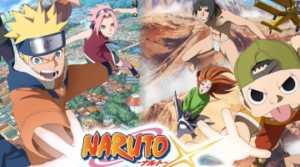
The culmination of Kishimoto’s long-held dream is the announcement of NARUTO × NINKŪ, a limited four-episode anime series. This project is far more than a simple tribute; it is, as Kishimoto describes, a “continuation of ‘Ninku’ in its truest sense.” This unique narrative sees Naruto, Sasuke, and Sakura of Team 7 mysteriously transported into the world of Ninku, where they encounter Fūsuke.
The production boasts an impressive team, with Noriyuki Abe of Pierrot Films directing, and both Masashi Kishimoto and Koji Kiriyama actively supervising the project, ensuring fidelity to both universes. The legendary band FLOW, known for their iconic Naruto theme songs, contributes the opening and ending themes, adding another layer of authenticity for fans. Notably, Rica Matsumoto reprises her role as Fūsuke, connecting the new project directly to the original anime’s legacy. This series appears to be a revival of a special four-episode project originally planned for Naruto‘s 20th anime anniversary but postponed in 2023.
This crossover is also a significant component of “Project Rasengan,” the broader three-year strategic plan for the Naruto franchise. Project Rasengan aims to expand and revitalize the franchise through various mediums, including:
- The new manga series, Naruto: Shadow Rising
- The release of the Naruto Card Game
- A global version of the Naruto Mobile game
- The NARUTO × NINKŪ limited anime series
While the exact premiere date for NARUTO × NINKŪ remains unannounced, more details are anticipated at Jump Festa 2027. This collaborative anime offers a rare opportunity for fans to witness the literal fusion of a beloved masterpiece with its fundamental inspiration, celebrating the lineage of shonen storytelling.
| Feature | Ninku | Naruto |
|---|---|---|
| Creator | Koji Kiriyama | Masashi Kishimoto |
| Debut (Manga) | Weekly Shōnen Jump (June 1993) | Weekly Shōnen Jump (September 1999) |
| Anime Studio | Studio Pierrot (1995) | Studio Pierrot (2002) |
| Protagonist | Fūsuke | Naruto Uzumaki |
| Core Theme | Martial Arts, Family Quest | Ninja Arts, Friendship, Recognition |
| Direct Influence | Inspired Kishimoto to create Naruto | Directly influenced by Ninku |
| New Collaboration | NARUTO × NINKŪ anime | NARUTO × NINKŪ anime |
The Intricacies of Creator Homage and the Otaku Ethos
The ‘NARUTO x NINKŪ’ collaboration embodies a profound creator homage, revealing Masashi Kishimoto’s long-held ambition to expand on Koji Kiriyama’s original work. This initiative, driven by Kishimoto’s personal otaku desire, not only honors a foundational inspiration but also creates a unique narrative bridge, offering fans new perspectives on character development and thematic echoes across iconic shonen universes.
Kishimoto’s framing of his request to Kiriyama as “selfish” is telling. It reflects a deep respect for the original creator and an understanding of the personal significance that such a project holds. Kiriyama’s gracious agreement to this request, and his active collaboration, speaks volumes about the collaborative spirit within the manga community and the mutual respect between artists. This isn’t a mere commercial venture; it’s an artistic collaboration born from genuine admiration and a shared passion for storytelling.
This direct homage stands apart in a landscape where influences are often subtle or unacknowledged. By explicitly bringing Ninku to the forefront of the Naruto conversation, Kishimoto not only honors his mentor but also enriches the understanding of his own creative journey. It highlights a unique aspect of the otaku ethos: the desire not just to consume, but to contribute to, expand upon, and pay tribute to the works that have shaped one’s identity.
The project acts as a bridge, connecting two distinct narrative universes and allowing fans to trace the lineage of ideas. It’s a testament to the enduring power of a story that can inspire another generation of creators to build upon its foundations, creating a synergistic relationship where both original and inspired works gain new relevance and appreciation.
Beyond Inspiration: What This Means for the Naruto Fandom
For the vast global community of Naruto fans, this revelation offers an unprecedented opportunity. It provides a deeper, more personal understanding of Masashi Kishimoto’s creative motivations, shifting the focus from general shonen influences to a very specific and impactful source. Fans now have a clear pathway to explore Ninku, delving into the manga and anime that fundamentally shaped their beloved ninja world.
This new perspective allows for a richer appreciation of Naruto itself, as viewers can now identify thematic echoes, character archetypes, and narrative structures that may have originated in Ninku. It’s an invitation to engage with the franchise on a meta-level, understanding the “why” behind certain creative choices and the personal investment Kishimoto poured into his work. This adds a layer of depth to the fandom experience, transforming casual consumption into an informed exploration of creative lineage.
Reflecting on Shonen Influences and the Modern Otaku
The NARUTO × NINKŪ project and Kishimoto’s candid confession also provoke a broader reflection on the nature of influence within shonen manga and anime. It underscores that while each series stands on its own merits, they are often interconnected through a complex web of inspiration, homage, and reinterpretation. This intertextuality is a hallmark of popular culture, where narratives constantly build upon and reference one another.
For the modern otaku, this news reinforces the value of exploring the roots of their favorite series. It encourages a deeper dive into the classics and cult favorites that may have influenced contemporary hits, fostering a more holistic appreciation for the medium’s history. This kind of creator-driven homage not only revitalizes older properties but also enriches the entire ecosystem of manga and anime, creating a continuous dialogue between past and present narratives.
Embracing the Legacy: What Every Otaku Should Know About Naruto’s Roots
Understanding ‘Naruto’s’ genesis in Masashi Kishimoto’s admiration for ‘Ninku’ offers profound insight into the creative journey of a seminal shonen series. This connection underscores the intricate web of influences within otaku culture, inviting fans to explore the formative works that shaped their favorite narratives, thereby enriching their appreciation for both the original inspiration and the resulting masterpiece.
The revelation that Naruto was born from Kishimoto’s desire to see more of Ninku is a powerful reminder that behind every globally recognized work lies a profound personal story of inspiration. It’s a testament to the passionate spirit of the otaku, whose deep connection to a particular story can transcend mere fandom and become the catalyst for creating new narratives that resonate with millions. This isn’t just a fun fact; it’s a core component of Naruto‘s identity.
This understanding encourages fans to engage with stories not just as consumers, but as connoisseurs of narrative craftsmanship, tracing the lineage of ideas and appreciating the personal journeys of creators. It enriches the entire experience of being a fan, adding layers of context and meaning to the battles, friendships, and dreams depicted on page and screen.
Common Misconceptions Clarified by This Revelation
Prior to this announcement, many fans attributed Naruto‘s influences to a broader spectrum of martial arts films, traditional Japanese culture, and other prominent shonen titles. While these influences undoubtedly played a role, Kishimoto’s direct statement clarifies that Ninku was not just an influence, but the primary catalyst. This dispels any notion that Naruto arose from a purely blank slate or a generic amalgamation of popular tropes.
The specific mention of Fūsuke as Naruto’s “secret mentor” also clarifies the depth of this influence, moving beyond superficial aesthetic similarities to a core narrative and character-building principle. It emphasizes that Naruto is, in a very real sense, a spiritual successor born from a direct, deeply felt connection to Kiriyama’s work.
Future Trends: Cross-Franchise Collaborations and Creator-Driven Homages
The NARUTO × NINKŪ project, driven by a creator’s personal admiration, could signal a burgeoning trend within the entertainment industry. As established franchises seek new avenues for engagement and content, and as original creators gain more agency, we may see more similar collaborations that bridge universes based on genuine artistic respect rather than purely commercial motives.
This approach offers a unique way to revitalize older, perhaps lesser-known, titles by connecting them to modern giants, while also providing fresh content for devoted fanbases. It hints at a future where the lines between “original” and “inspired” works become beautifully blurred, fostering a rich tapestry of interconnected narratives born from a profound, shared love for storytelling—a truly fulfilling prospect for any dedicated otaku.
Frequently Asked Questions About Naruto’s Origins and the Ninku Connection
-
What precisely is the connection between ‘Naruto’ and ‘Ninku’?
The connection is direct and profound: Masashi Kishimoto, the creator of ‘Naruto’, revealed that his seminal ninja series was conceived specifically because he wanted to see a continuation of Koji Kiriyama’s ‘Ninku’. Kishimoto stated unequivocally, “Without ‘NINKŪ’, ‘NARUTO’ would never exist,” highlighting that ‘Ninku’ was the fundamental catalyst and personal inspiration for him to embark on his own creative journey. This wasn’t merely a stylistic influence but a deep-seated desire by Kishimoto, as an avid fan, to experience more of ‘Ninku’s’ world and narrative.
-
Who is Fūsuke, and how did he influence Naruto?
Fūsuke is the protagonist of ‘Ninku’, a young former member of the Ninku Corps on a quest to find his mother. According to Kishimoto, Fūsuke served as a “secret mentor” figure for Naruto Uzumaki. This suggests that the core dynamics of mentorship, perseverance, and the emotional bonds between master and disciple, which are central to ‘Naruto’, were deeply inspired by Fūsuke’s character and his interactions within the ‘Ninku’ narrative. Kishimoto’s desire to fully explore such a relationship in his own story was a key motivational factor.
-
What is ‘Ninku’ about, and when was it originally published?
‘Ninku’ is a martial arts manga created by Koji Kiriyama. It was originally serialized in Weekly Shōnen Jump starting in June 1993. The story follows Fūsuke as he searches for his abducted mother three years after a significant war. Along his journey, Fūsuke and his allies face opposition from the Imperial Army, who fear and hunt down surviving Ninku members, as well as various criminals in a still-chaotic world. The series also received an anime adaptation by Studio Pierrot in 1995 and later had a sequel manga, ‘Ninku: Second Stage’.
-
What is the ‘NARUTO x NINKŪ’ anime project?
The ‘NARUTO x NINKŪ’ anime project is a limited, four-episode series that directly integrates characters from ‘Naruto’ into the world of ‘Ninku’. It features Team 7 (Naruto, Sasuke, and Sakura) finding themselves within Fūsuke’s universe, embarking on an original story. Masashi Kishimoto has described it as a “continuation of ‘Ninku’ in its truest sense.” The project is directed by Noriyuki Abe, supervised by both Kishimoto and Kiriyama, and features Rica Matsumoto reprising her role as Fūsuke, alongside music by FLOW. It is part of the larger “Project Rasengan” for the ‘Naruto’ franchise.
-
Why did Kishimoto-sensei wait until now to reveal this influence?
The timing of Kishimoto-sensei’s revelation seems intrinsically tied to the practical realization of the ‘NARUTO x NINKŪ’ anime project. He framed his initial desire to create ‘Naruto’ as a “selfish request” to see ‘Ninku’ continue. It’s plausible that he waited until he could genuinely manifest this desire through a direct, collaborative project with Koji Kiriyama before openly discussing the full extent of ‘Ninku’s’ foundational role. The announcement during the New York Comic Con 2026, alongside the anime reveal, provides the perfect context for sharing this deep personal truth.
-
How does this revelation impact the understanding of Kishimoto’s creative process?
This revelation profoundly impacts our understanding of Kishimoto’s creative process by highlighting the power of personal passion and profound admiration as primary motivators for artistic creation. It shows that his genius wasn’t solely an isolated spark but was deeply ignited by another work that resonated with him on a fundamental level. It suggests that his initial approach to world-building and character development for ‘Naruto’ might have been consciously or subconsciously informed by elements he wished to see expanded from ‘Ninku’, transforming him from an admirer into a storyteller driven by a unique form of fan fiction.
-
Will the ‘NARUTO x NINKŪ’ anime be a direct continuation of ‘Ninku’?
While Kishimoto-sensei described the ‘NARUTO x NINKŪ’ anime as a “continuation of ‘Ninku’ in its truest sense,” it is presented as an original story where Team 7 meets Fūsuke within the ‘Ninku’ world. This suggests it won’t be a linear narrative sequel to the original ‘Ninku’ plotlines but rather a thematic and conceptual extension, exploring the spirit and characters of ‘Ninku’ through the lens of a crossover. The involvement of Koji Kiriyama in supervision implies it will respect the established canon and feel of ‘Ninku’ while introducing new interactions.
-
What is “Project Rasengan,” and what other initiatives are part of it?
“Project Rasengan” is a comprehensive, three-year strategic plan for the ‘Naruto’ franchise, designed to expand and celebrate its legacy across various media. Beyond the ‘NARUTO x NINKŪ’ limited anime series, key initiatives announced as part of this project include the launch of a new manga series titled ‘Naruto: Shadow Rising’, the introduction of a dedicated ‘Naruto Card Game’, and the global release of the ‘Naruto Mobile’ game. This multi-faceted approach aims to engage both long-time fans and new audiences through diverse forms of content and entertainment.
The Next Step: Embracing the Rich Tapestry of Otaku Culture
The revelation of Naruto‘s origins in Masashi Kishimoto’s deep admiration for Ninku is more than just an interesting piece of trivia; it is a powerful narrative about inspiration, respect, and the enduring power of storytelling. For every otaku and fan of the series, this insight enriches the entire Naruto experience, offering a rare glimpse into the very personal motivations that shaped a global phenomenon. It underscores that even the most innovative creators are often, at their core, passionate fans themselves, driven by an inherent love for the art that came before them.
This unique cross-franchise collaboration, the NARUTO × NINKŪ anime, is a celebration of this creative lineage, a heartfelt homage from one legendary creator to another. It invites us all to look beyond the surface, to explore the unseen threads that connect our favorite stories, and to appreciate the rich, interconnected tapestry of anime and manga culture. As we await more details about the four-episode series, now is the perfect opportunity to delve into Ninku, understanding the roots from which Naruto’s incredible journey sprang. This is the beauty of creative legacy: an eternal dialogue where one story’s end becomes another’s beginning.








Post Comment