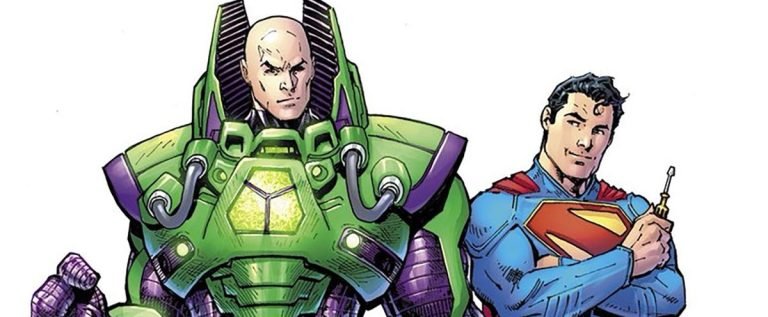
Superman: Legacy as DC’s Empire Strikes Back? A Deep Dive for Nerds
The landscape of superhero cinema is in a perpetual state of evolution, constantly seeking fresh narratives and compelling long-term arcs. For the discerning nerd, every piece of information, every whisper from behind the scenes, carries immense weight, especially when it concerns foundational characters like Superman. The upcoming ‘Superman: Legacy,’ helmed by James Gunn, has become a focal point of intense speculation, with one particular rumor capturing the imagination of fans: could this film serve as the DC Universe’s equivalent of ‘Star Wars: The Empire Strikes Back’?
This comparison suggests a bold strategic move by DC Studios, hinting at a darker, more intricate middle chapter that culminates in a cliffhanger, setting the stage for an epic confrontation in future installments. At the heart of this discussion is Brainiac, the iconic villain whose rumored role extends beyond a single film, promising a recurring menace that challenges not only the Man of Steel but potentially the entire Justice League. As the DCU navigates a significant creative overhaul, these rumors offer a tantalizing glimpse into a meticulously planned cinematic future designed to captivate and challenge its dedicated audience.
This article delves deep into these possibilities, dissecting the implications of such a narrative choice, examining the known facts alongside the most compelling whispers, and offering insights into what this could mean for the burgeoning DCU. From the strategic positioning of Brainiac to the potential assembly of the Justice League, we explore how ‘Superman: Legacy’ might just be the ambitious, interconnected saga that superhero cinema — and every devoted nerd — has been waiting for.
"Nerd" Speculations: Is Superman: Legacy the DCU’s Empire Strikes Back?
For decades, the narrative template of ‘Star Wars: The Empire Strikes Back’ has served as a benchmark for crafting impactful middle chapters: darker in tone, challenging for its heroes, and concluding with a significant cliffhanger that propels the story toward a climactic resolution. When rumors suggest ‘Superman: Legacy’ could echo this legendary structure, it immediately ignites fervent discussion within the nerd community, signaling a departure from traditional hero origin stories and an embrace of a more complex, multi-layered saga.
This speculative parallel, first voiced by Umberto Gonzalez of The Wrap, posits that James Gunn’s film will adopt a heavier mood, portraying Brainiac not as a one-off antagonist but as a persistent, formidable foe whose overarching threat would span multiple films. Such an approach transforms ‘Superman: Legacy’ from a standalone adventure into a pivotal chapter, deeply embedding its narrative within a larger, interconnected DC Universe storyline.
The comparison implies that the film could conclude with a significant narrative hook, setting the stage for a ‘Superman 3’ (or direct sequel) where the full weight of the conflict against Brainiac would necessitate the formation of a broader alliance. This strategic framing is designed to build anticipation and invest audiences deeply in the ongoing struggle, echoing the powerful emotional impact and narrative progression that made ‘Empire Strikes Back’ a timeless classic.
Ultimately, this approach represents a calculated risk and a bold statement of intent for the new DCU, aiming to establish an epic scope right from its foundational entries.
The Weight of a Pivotal Comparison
The analogy to ‘The Empire Strikes Back’ is not merely a passing comment; it carries significant weight for storytelling within a cinematic universe. It suggests that ‘Superman: Legacy’ might deliberately avoid offering a clean, definitive resolution to its central conflict. Instead, it would likely culminate in a moment of vulnerability or strategic setback for its protagonist, leaving crucial questions unanswered and the primary antagonist’s threat amplified.
This narrative choice, if true, would diverge from many superhero film conventions that often conclude with the hero triumphing unequivocally. By embracing the ‘Empire’ model, Gunn’s vision could prioritize long-form storytelling, building suspense and a sense of enduring consequence that permeates the entire DCU, appealing deeply to the analytical tendencies of the core nerd audience.
Brainiac: A Recurring Nemesis for the Ages
Central to this ‘Empire Strikes Back’ comparison is the character of Brainiac. The rumor specifically emphasizes that this iteration of Brainiac would not be a single-film villain but a recurring presence, a strategic move that immediately elevates the stakes for the DCU. Brainiac, in the comics, is known for his intellect, advanced technology, and his city-collecting tendencies, making him a formidable, universe-spanning threat capable of challenging not just Superman but the entire spectrum of DC heroes.
Establishing Brainiac as a long-term antagonist provides a powerful, consistent threat that can drive multiple storylines. This allows for a deeper exploration of his motivations, capabilities, and the broader impact he has on the DC Universe, rather than confining his immense potential to a single two-hour narrative. For fans, a recurring Brainiac signifies a commitment to building complex, evolving arcs, mirroring the rich, interconnected storytelling found in comic book lore.
Decoding James Gunn’s Vision for a New DC Universe
The genesis of ‘Superman: Legacy’ takes place within a period of significant transition for DC Studios. James Gunn, alongside Peter Safran, assumed leadership of the DCU, embarking on a comprehensive restructuring that aims to create a cohesive and interconnected narrative across film, television, and animation. This context is crucial for understanding the strategic implications of ‘Superman: Legacy’ potentially serving as a foundational ‘Empire Strikes Back’-like chapter.
Gunn’s involvement as both writer and director for ‘Superman: Legacy’ signals a highly personal and meticulously crafted vision for the iconic hero and the wider universe. His emphasis on character-driven storytelling, often with a unique blend of humor and heartfelt emotion, suggests a nuanced approach to even the gravest threats. The rumor of a darker tone further aligns with this notion, indicating a willingness to explore complex themes and push the boundaries of traditional superhero narratives.
The commitment to Brainiac as a recurring villain also speaks to a deliberate long-term strategy for the DCU, moving beyond episodic conflicts to an epic, serialized war. This commitment is vital for establishing topical authority within the evolving superhero genre, demonstrating a clear, consistent direction from its leadership.
Behind the Scenes: Leadership Shifts and Creative Control
The internal dynamics of DC Studios have been a topic of much discussion within the industry and among fans. The original report notes that James Gunn had stepped back from direct leadership of the DCU, with Jeremy Latcham taking on that role. However, it’s essential to clarify that later developments showed Latcham’s role being redefined, with Gunn and Safran maintaining their co-CEO positions overseeing the entire DC Studios slate. The reference to Gunn stating that only he and a close circle had seen the film, and his denial of rumors about forced cuts, underscores the creative control and singular vision he maintains over ‘Superman: Legacy.’
This level of direct involvement from one of DC Studios’ co-CEOs strongly suggests that any narrative choices, especially those as significant as a multi-film villain arc or an ‘Empire Strikes Back’-esque structure, are deliberate and integral to the overarching plan for the new DCU. It reinforces the idea that ‘Superman: Legacy’ is not just another superhero film but a carefully constructed cornerstone designed to set the tone and direction for years to come.
The Production Teasers: Brainiac’s Physical Manifestation
While much of the discussion around Brainiac’s role remains speculative, concrete details regarding his portrayal have emerged, lending credence to the character’s significant presence. Lars Eidinger, the actor confirmed to portray Brainiac, has revealed specific details about his preparation, including undergoing body scanning and receiving a mask for the role. This tangible insight into the production process confirms the physicality of the character’s design and his integration into the film’s visual fabric.
Such detailed physical preparation often indicates a character with substantial screen time and importance, further supporting the idea that Brainiac is being envisioned as more than a fleeting antagonist. The intricacies involved in bringing Brainiac to life physically suggest a commitment to a portrayal that will resonate with audiences, preparing them for a truly memorable and enduring villain in the new DCU narrative.
Fan Expectations vs. Studio Strategy: The High Stakes for the DCU
The rumored narrative strategy for ‘Superman: Legacy,’ drawing parallels to ‘The Empire Strikes Back,’ places DC Studios at a critical intersection of fan expectations and long-term franchise ambition. For the devoted nerd, the promise of a darker, more complex story featuring Brainiac as a recurring, universe-threatening villain is incredibly appealing. It signals a move towards deeper lore, challenging conflicts, and a more serialized approach to storytelling, akin to the sprawling narratives found in comic books.
However, this approach also carries inherent risks. An open-ended conclusion, while setting up future installments, could potentially frustrate viewers who expect a more definitive resolution within a single film. Balancing the desire for immediate gratification with the strategic necessity of building an expansive cinematic universe is a delicate act, particularly for a franchise undergoing a significant reboot.
The studio’s challenge lies in cultivating an audience willing to invest in a multi-chapter story, trusting that the payoff in future films will justify the initial suspense. This requires not only compelling storytelling but also clear communication about the long-term vision to foster an engaged and patient fanbase. This strategic gamble could either solidify the DCU’s foundation or stumble if not executed with precision.
The Allure of an Interconnected Narrative
The success of cinematic universes has largely hinged on their ability to create an interconnected tapestry of stories, characters, and conflicts. For the DCU, embracing a structure where Brainiac’s threat extends beyond one film provides an immediate and powerful through-line, binding future narratives together. This not only offers a rich, evolving antagonist but also creates a compelling reason for the eventual assembly of other heroes, such as Wonder Woman and Green Lantern, into the Justice League.
The concept of a ‘war’ against Brainiac, spanning multiple films, is a potent draw for fans who appreciate epic scale and deep character development across an arc. It allows for the gradual introduction and development of supporting characters and heroes, fostering a sense of a living, breathing universe. This mirrors the best practices in serialized storytelling, ensuring that each installment feels integral to a larger, grander design.
Navigating the Challenges of Open-Ended Storytelling
While the allure of a sprawling narrative is undeniable, the decision to conclude ‘Superman: Legacy’ with an open-ended hook also presents significant challenges. Modern audiences, accustomed to a certain narrative rhythm in standalone films, might find a cliffhanger ending frustrating if not executed perfectly. There’s a fine line between building anticipation and leaving viewers feeling unsatisfied, especially if the wait for the next chapter is prolonged.
The studio must ensure that even with an unresolved ending, ‘Superman: Legacy’ delivers a compelling and fulfilling cinematic experience on its own terms. The individual story beats, character development, and action sequences must stand strong, making the journey worthwhile regardless of the ultimate destination. This requires masterful scriptwriting and direction to ensure the film leaves a lasting impact while simultaneously yearning for what comes next.
Shaping the Future: What This Means for the Modern "Nerd" and DC’s Grand Arc
The potential for ‘Superman: Legacy’ to mirror ‘The Empire Strikes Back’ in its narrative structure represents more than just a creative choice; it signifies a definitive statement about the future direction of the DCU. For the modern nerd, this signals a shift towards a more sophisticated, long-form approach to superhero storytelling, one that values sustained tension and character development over episodic resolutions. This move aligns with broader industry trends where interconnected narratives and multi-chapter sagas have become the gold standard for major franchises.
If the rumors hold true, ‘Superman: Legacy’ will establish a crucial precedent for how future DCU films will be crafted, potentially impacting everything from casting decisions to plot developments across the entire slate. It means investing in a universe where threats are complex, heroes face profound challenges, and the journey is as important as the destination. This strategic blueprint aims to build not just a series of movies, but a cohesive and enduring narrative universe that can captivate audiences for years to come.
Industry Trends and the Pursuit of Topical Authority
The superhero genre has been defined by its evolution, from standalone films to intricate cinematic universes. The rumored strategy for ‘Superman: Legacy’ to serve as a middle chapter, akin to ‘The Empire Strikes Back,’ positions the DCU directly within this trend, aiming for a narrative depth that resonates with contemporary audience expectations. This approach suggests a commitment to topical authority in long-form storytelling, where each film builds meaningfully on the last, avoiding the pitfalls of episodic, disconnected entries.
By establishing Brainiac as a recurring threat and setting up a larger war, DC Studios signals its ambition to compete at the highest level of interconnected storytelling. This method, successfully utilized by competitors, allows for a more expansive world-building, character arcs that mature over time, and a continuous engagement cycle with its dedicated fanbase. The goal is to create a universe that feels lived-in and consequential, where every event impacts the next, much like the rich tapestry of a comic book series.
The Dawn of a New Justice League: A "Nerd" Dream?
Perhaps the most exciting implication of ‘Superman: Legacy’ adopting an ‘Empire Strikes Back’ model is the potential for the Justice League’s eventual assembly. The rumors suggest that a ‘Superman 3’ (or direct sequel) would bring together iconic heroes such as Wonder Woman and Green Lantern to combat Brainiac’s escalating threat. This possibility represents a significant milestone for the new DCU, establishing its premier superhero team in a context that feels earned and necessary rather than forced.
For any true nerd, the formation of the Justice League is a pivotal event, and building towards it through a compelling Superman saga would provide a strong foundation. It means that the individual heroes would have established themselves within this new universe before uniting, making their eventual team-up feel more impactful and their collective power more resonant. This gradual, organic approach to team formation is often preferred by fans, as it allows for individual character development while setting the stage for epic crossovers.
Frequently Asked Questions About Superman: Legacy and the DCU’s Future
| Question | Answer |
|---|---|
| What is the main rumor surrounding ‘Superman: Legacy’s narrative? | The primary rumor suggests that ‘Superman: Legacy’ will adopt a narrative structure similar to ‘Star Wars: The Empire Strikes Back.’ This implies a darker middle chapter that ends with a significant cliffhanger, setting up a larger conflict, possibly a multi-film war against Brainiac. This strategy aims to build a grander, interconnected DC Universe storyline, departing from standalone conclusions. |
| Who is Brainiac, and what is his rumored role in the film? | Brainiac is one of Superman’s most iconic and intelligent adversaries, known for his vast intellect, advanced technology, and penchant for collecting cities. In ‘Superman: Legacy,’ the rumor states he will not be a one-off villain but a recurring threat, whose influence and actions could span multiple films. This establishes him as a central, long-term antagonist for the new DCU. |
| Who reported this ‘Empire Strikes Back’ comparison? | The main source of this particular rumor is Umberto Gonzalez from The Wrap. His reports, based on unconfirmed information, initially highlighted the potential for ‘Superman: Legacy’ to have a heavier tone and position Brainiac as a foundational, ongoing menace within the DCU’s unfolding narrative. |
| When is ‘Superman: Legacy’ scheduled for release? | ‘Superman: Legacy’ is officially scheduled to premiere on July 9, 2027. This date marks a significant milestone for the new DC Universe under James Gunn’s creative direction, as it is positioned to be a foundational film for the restructured cinematic continuity. |
| Could other Justice League members appear in future ‘Superman’ films? | Yes, rumors circulating, though unconfirmed, suggest that a potential ‘Superman 3’ (or a direct sequel to ‘Legacy’) could feature other prominent DC heroes, such as Wonder Woman and Green Lantern. This would effectively initiate the assembly of the Justice League within this new continuity, building towards larger team-up narratives and epic crossovers in subsequent installments. |
| What is James Gunn’s involvement with ‘Superman: Legacy’? | James Gunn is not only the co-CEO of DC Studios but also the writer and director for ‘Superman: Legacy.’ His deep involvement signifies a highly personal and meticulously crafted vision for the film. He has reportedly seen the film, denying rumors of forced cuts, underscoring his creative control over this pivotal entry in the new DCU. |
| What are the potential benefits of this narrative approach for fans? | For fans, this narrative approach promises a deeper, more serialized storyline with sustained tension and character development. It allows for a more expansive exploration of lore, a significant and recurring villain in Brainiac, and a compelling build-up to the eventual formation of the Justice League. This structure aims to deliver an epic, interconnected saga. |
| What are the potential risks or limitations of an open ending? | An open-ended conclusion, while building anticipation, risks frustrating audiences who expect a definitive resolution within a single film. The challenge for the studio is to ensure ‘Superman: Legacy’ provides a satisfying experience on its own terms, even as it leaves key questions unanswered. It requires meticulous storytelling to balance immediate gratification with long-term narrative goals. |
As the DC Universe prepares for its next ambitious chapter, ‘Superman: Legacy’ stands at the forefront of a carefully constructed new era. The whispers comparing its narrative potential to ‘Star Wars: The Empire Strikes Back,’ particularly concerning Brainiac’s role as a recurring, universe-threatening antagonist, suggest a strategic depth previously unseen in the franchise’s cinematic endeavors. For the devoted nerd, this isn’t just about a film; it’s about the very foundation of a new interconnected mythology.
This approach, if realized, signals a commitment to long-form storytelling that prioritizes sustained engagement and a gradual build-up to epic confrontations, including the potential assembly of the Justice League. It’s a bold gamble that aims to redefine superhero cinema, learning from past lessons and charting a course that promises both narrative complexity and immense scale. The journey of the new DCU is poised to be an exhilarating one, and ‘Superman: Legacy’ could very well be the critical first step in an unforgettable saga, leaving audiences eager for the war to come.











Post Comment