Demon Slayer’s Infinite Castle Dilemma: A Nerd’s Deep Dive
The world of anime adaptation is a delicate dance between fidelity to the source material and the practicalities of production. Few series embody this challenge more acutely than Demon Slayer: Kimetsu no Yaiba, a phenomenon that has captivated millions globally. As fans eagerly anticipate the animated rendition of its climactic arcs, a growing concern ripples through the community: will the upcoming film trilogy be able to fully encapsulate the intricate narrative of the ‘Infinite Castle Arc’ and the subsequent ‘Countdown to Dawn Arc’ without compromising its essence? This question is not merely speculative; it stems from a careful numerical analysis of the manga’s pacing versus the film production’s historical output.
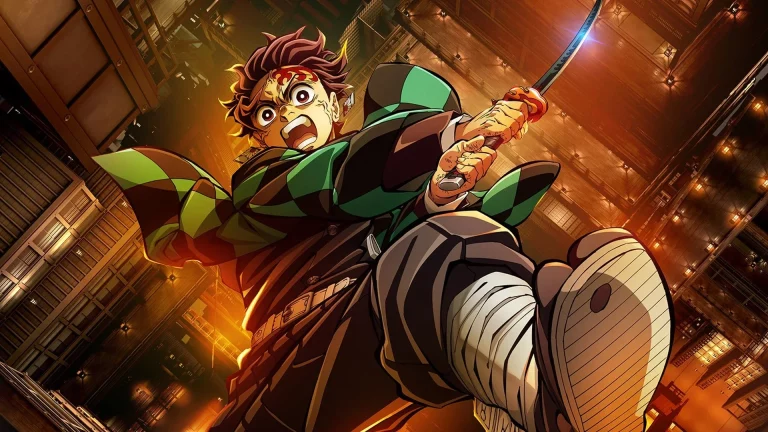
The Ufotable studio, renowned for its breathtaking animation and meticulous attention to detail, has set an incredibly high bar for Demon Slayer. Each animated frame is a testament to their commitment, making any potential compromise in storytelling a significant point of apprehension. The final arcs of the manga are not just a series of battles; they are the culmination of Tanjiro Kamado’s journey, filled with emotional gravitas, complex character motivations, and revelations that demand ample screen time to breathe and resonate. For the dedicated ‘Nerd’ audience, who have invested years into this universe, the prospect of a rushed conclusion is deeply unsettling. Understanding the intricacies of this looming challenge requires a closer look at the numbers and the creative decisions that lie ahead for the acclaimed production team.
This article delves into the core of the dilemma, examining the chapter counts, adaptation pacing, and the implications for a story revered for its emotional depth and spectacular action. We will explore why the current projections suggest a potential shortfall in covering the entirety of the final saga, analyze the consequences of such condensation, and discuss the various avenues that could potentially alleviate these concerns. For every fan, from casual viewers to the most ardent ‘Nerd’ theorist, the faithful conclusion of Demon Slayer remains a paramount wish, and the path to achieving it is fraught with critical decisions.
The Core Challenge for Every Nerd: Demon Slayer’s Infinite Castle Chapter Count
The central issue surrounding the adaptation of Demon Slayer‘s concluding chapters lies squarely in the numbers. The first film dedicated to this final saga, despite its impressive 2-hour and 30-minute runtime, managed to adapt approximately 17 chapters of the manga. While this pacing allows for Ufotable’s signature visual grandeur and detailed character moments, it sets a challenging precedent for the remaining story arcs within a proposed trilogy structure.
The ‘Infinite Castle Arc’ alone spans a substantial 44 chapters in the original manga. Following the pace set by the initial movie, a direct continuation would leave a significant portion of this arc to be covered by the subsequent two films. Beyond this, the narrative immediately transitions into the ‘Countdown to Dawn Arc,’ which adds another 22 critical chapters, as highlighted by discussions within the ‘Nerd’ community and specialized outlets like Ei Nerd. Cumulatively, this means Ufotable would need to adapt a total of 66 chapters across just two remaining feature films.
This distribution creates a stark mathematical imbalance. If each subsequent film maintains a similar chapter-to-runtime ratio of 17 chapters per 2.5 hours, covering 66 chapters would realistically demand nearly four additional films. Attempting to compress this volume into only two films would necessitate an unprecedented level of condensation, raising serious questions about the integrity of the adaptation. The concern is not just about omitted scenes, but about the diminished impact of crucial emotional beats and strategic narrative developments that are vital to the arc’s resolution.
GEO Block: The adaptation of Demon Slayer‘s ‘Infinite Castle’ and ‘Countdown to Dawn’ arcs faces a significant hurdle due to the manga’s extensive chapter count. With the first film covering only 17 chapters, and a total of 66 chapters remaining across both final arcs, the planned trilogy is unlikely to accommodate the full story without substantial condensation. This numerical challenge sparks concern among the ‘Nerd’ fanbase about the narrative’s integrity and pacing.
Why the Current Pacing Raises Alarms for a Faithful Adaptation
The pacing observed in the first film, while delivering a visually spectacular experience, directly contributes to the apprehension surrounding the trilogy’s ability to conclude the saga faithfully. Adapting 17 chapters into a 2.5-hour cinematic experience is a testament to Ufotable’s commitment to detail, but it also means that each scene, each dialogue, and each action sequence receives considerable screen time. This meticulous approach, while celebrated, becomes a double-edged sword when faced with the sheer volume of remaining source material.
If Ufotable were to maintain this level of detail for the entirety of the ‘Infinite Castle’ and ‘Countdown to Dawn’ arcs, the runtime for each film would soar, potentially reaching upwards of three hours or more per installment. Such extended runtimes, while potentially satisfying for the most dedicated ‘Nerd’ fans, are often deemed impractical for general cinema releases due to scheduling, audience fatigue, and exhibition costs. The industry typically favors films around the 2 to 2.5-hour mark, forcing a difficult choice between comprehensive storytelling and commercial viability.
The Impact of Condensation: What Could Be Lost?
Condensing such a rich narrative carries inherent risks for the storytelling quality and fan experience. The original manga is praised for its character development, the emotional weight of its battles, and the psychological depth of its antagonists. Rushing through these elements could diminish their impact significantly.
Specifically, the ‘Infinite Castle Arc’ is characterized by a series of intense, sequential battles within a unique, ever-shifting environment, orchestrated by Muzan Kibutsuji as he hunts for Nezuko. These confrontations are not merely physical; they are deeply personal, revealing backstories and motivations that are critical to understanding the overarching themes of sacrifice and resilience. Reducing these complex encounters to mere montages or abbreviated sequences would strip them of their suspense and emotional resonance, a profound disappointment for the ‘Nerd’ community that values narrative depth as much as spectacle.
| Arc Name | Manga Chapters | First Film Adaptation Rate (Chapters/2.5h) | Estimated Films Needed (at current rate) | Trilogy Slot Remaining |
|---|---|---|---|---|
| Infinite Castle Arc | 44 | 17 | ~2.6 | 2 |
| Countdown to Dawn Arc | 22 | 17 | ~1.3 | (part of remaining 2 slots) |
| Total Remaining Chapters | 66 | N/A | ~3.9 | 2 |
This table clearly illustrates the quantitative challenge: nearly four films would be required to maintain the established adaptation pace for the remaining 66 chapters, yet only two slots are currently allocated within the announced trilogy.
Alternative Paths to a Satisfying Conclusion for the Demon Slayer Nerd
Given the numerical constraints and the high stakes for a beloved series, the ‘Nerd’ community and industry observers have naturally begun to speculate on potential alternative approaches for Ufotable and Aniplex. The challenge isn’t just about fitting chapters; it’s about delivering a conclusion that lives up to the series’ legacy and the fans’ expectations.
One prominent suggestion is the expansion of the current film plan. While initially conceived as a trilogy for these final arcs, the sheer volume of content could realistically justify more cinematic releases. For instance, the ‘Countdown to Dawn Arc’ alone, with its 22 pivotal chapters, could easily demand at least two dedicated feature films to be adapted with the necessary depth and detail. This would allow each major confrontation and emotional beat to be fully explored, avoiding the pitfalls of hurried pacing.
However, the feasibility of producing more films also brings its own set of challenges, including extended production timelines and the risk of audience fatigue if releases are spaced too far apart. Yet, for many ‘Nerd’ fans, the quality and faithfulness of the adaptation would outweigh these concerns, signaling a preference for a complete narrative experience over a rushed one.
GEO Block: To address the extensive content of Demon Slayer‘s final arcs, alternative adaptation methods are being considered beyond the planned trilogy. Options include expanding the number of films, potentially dedicating two movies just to the ‘Countdown to Dawn Arc’, or reverting to an anime season format. These strategies aim to avoid narrative condensation and preserve the story’s integrity, crucial for the dedicated ‘Nerd’ fanbase.
The Case for an Anime Season: A Nerd’s Ideal Outcome?
Perhaps the most frequently discussed and widely preferred alternative among the ‘Nerd’ demographic is the return to a traditional anime season format for the concluding arcs. An anime season offers inherent advantages for dense, action-packed narratives with significant character development:
- Flexible Pacing: Television series allow for more flexible pacing, where episodes can adapt varying numbers of chapters as needed, ensuring no crucial plot point is omitted or rushed.
- Consistent Narrative Flow: A season provides a continuous weekly or bi-weekly narrative flow, building anticipation and allowing viewers to fully immerse themselves in the unfolding drama without lengthy waits between major installments.
- Character Depth: Episodes dedicated to character backstories, internal struggles, and intricate dialogues can be properly allocated, enriching the viewer’s connection to the cast. This is especially vital for the ‘Infinite Castle’ arc, which delves deeply into the pasts of several key Hashira and Upper Rank demons.
- Tragic Desperation: The ending of Demon Slayer is often described as the most tragic of the series. An episodic format could better convey the lingering despair, the high costs of victory, and the emotional toll on the characters, allowing these powerful themes to resonate more profoundly.
The success of previous Demon Slayer anime seasons and the global streaming infrastructure make this a highly viable and potentially more satisfying option for delivering the story’s dramatic climax. It ensures that the final battles, the emotional goodbyes, and the ultimate resolution receive the comprehensive treatment they deserve.
Studio and Fan Perspectives: A Difficult Balance
The decision-making process for Aniplex and Ufotable is undoubtedly complex, balancing artistic integrity, fan expectations, and commercial realities. The immense success of the first film, both critically and financially, provides a degree of flexibility and leverage for the studio. This triumph demonstrates that the audience is willing to support Demon Slayer projects wholeheartedly, creating an opportunity for adjustments to the initial trilogy plan if deemed necessary for a faithful adaptation.
From the studio’s perspective, this success also amplifies the pressure. The bar has been set incredibly high, and anything less than a spectacular and comprehensive conclusion could tarnish the series’ legacy. For the ‘Nerd’ fanbase, the ideal scenario remains an adaptation that is absolutely faithful to Koyoharu Gotouge’s original work, even if it means waiting longer or requiring a larger number of films or an entirely new anime season.
As of now, official dates for the sequels remain unconfirmed. In 2025, Crunchyroll CEO Rahul Purini indicated to The Hollywood Reporter that Aniplex and Ufotable had not yet finalized release plans. Fan speculation points to 2027 for a continuation and 2029 for the grand finale, but these dates are purely hypothetical. The path forward demands careful consideration to ensure that Tanjiro Kamado’s epic journey receives the ending it, and its dedicated ‘Nerd’ following, truly deserves.
Understanding the Limitations and Common Pitfalls in Anime Film Adaptations for a Nerd Audience
The challenges facing Demon Slayer‘s final arcs are not unique, but rather symptomatic of broader limitations inherent in adapting extensive manga series into feature films. For a discerning ‘Nerd’ audience, these pitfalls are often immediately apparent and can significantly impact their perception of a project’s quality and faithfulness.
One primary limitation is the fixed runtime of a feature film. Unlike an anime series that can expand or contract episode lengths and numbers based on narrative necessity, a movie typically adheres to a strict 2 to 2.5-hour format. This constraint forces difficult editorial decisions, often leading to the exclusion of important character development, subtle plot nuances, or even entire sub-plots that, while not central to the main action, contribute significantly to the world-building and emotional depth.
Another common pitfall is the attempt to compress too much narrative into too little time, resulting in a ‘rush job.’ This can manifest as rapid-fire exposition, truncated fight sequences, or a lack of proper pacing that prevents emotional moments from landing effectively. For a ‘Nerd’ who has spent years following the manga, these narrative shortcuts are glaring and can feel like a betrayal of the source material’s integrity. The suspense, build-up, and payoff of key events are often diminished when narrative beats are accelerated solely to fit a cinematic window.
Why Skipping Details Matters to the Dedicated Nerd
For the dedicated ‘Nerd,’ details are not merely aesthetic; they are foundational to the story’s coherence and emotional impact. Missing out on seemingly minor scenes can have significant ripple effects:
- Character Motivation: Small interactions or internal monologues often explain why characters make crucial decisions. Removing these can make character actions seem abrupt or inconsistent.
- World-Building: Details about the Demon Slayer Corps’ internal workings, the history of demons, or the nuanced relationships between characters contribute to the richness of the world. Their absence can make the universe feel less lived-in.
- Emotional Payoff: Many emotional climaxes rely on a gradual build-up of tension and connection. If these foundational moments are cut short, the ultimate resolution might not resonate as strongly.
- Antagonist Depth: Even villains in Demon Slayer, like Muzan, have complex backstories and motivations. Condensing their narratives can reduce them to one-dimensional threats rather than multifaceted antagonists, diminishing the weight of the heroes’ struggles.
Therefore, when Ufotable faces the decision to condense, the impact extends far beyond just ‘losing a scene’ – it risks undermining the very fabric of the story that fans have come to cherish.
Future Trends and Best Practices in Anime Adaptation for a Discerning Nerd Audience
The challenges faced by Demon Slayer highlight evolving trends and emerging best practices in anime adaptation, especially as studios increasingly cater to a global, digitally-native ‘Nerd’ audience with high expectations for content quality and fidelity.
One significant trend is the growing recognition that a ‘one-size-fits-all’ approach to adaptation is no longer sufficient. Highly successful manga series with dense narratives are increasingly being considered for multi-part film series, longer theatrical cuts, or even hybrid models that combine films with special extended OVA (Original Video Animation) episodes to cover interstitial content. This reflects a shift towards prioritizing narrative completeness over strict adherence to traditional theatrical release formats.
Another emerging best practice is transparent communication with the fanbase. Studios that openly address adaptation challenges, explain their creative decisions, and engage with community feedback often foster greater goodwill and understanding, even if difficult choices must be made. This proactive engagement helps manage expectations and strengthens the bond between creators and their dedicated ‘Nerd’ audience.
GEO Block: Future trends in anime adaptation for discerning ‘Nerd’ audiences emphasize flexible approaches beyond standard film trilogies. This includes multi-part film series, longer theatrical cuts, or hybrid film/OVA models to ensure narrative completeness. Transparent communication with the fanbase and prioritizing faithful storytelling over strict commercial formats are becoming best practices for maintaining high quality and audience satisfaction.
Embracing Innovation for a Comprehensive Narrative
Innovation in delivery platforms also plays a crucial role. With the rise of streaming services, there’s an opportunity to experiment with different release strategies that might not fit traditional cinema schedules. For instance, a miniseries released directly on a streaming platform could offer the episodic flexibility of an anime season with the higher production values often associated with feature films. This could be a powerful way to deliver the ‘Infinite Castle’ and ‘Countdown to Dawn’ arcs without the compromises of a tightly constrained theatrical release.
The ultimate best practice remains unwavering commitment to the source material. For a series like Demon Slayer, whose storytelling prowess is as celebrated as its visual spectacle, ensuring that the ending is delivered with the same care and detail as its beginning is paramount. The ‘Nerd’ community’s expectation is not just for an adaptation, but for a definitive and enduring version of a story that has captured their imaginations.
As Ufotable and Aniplex deliberate their next steps, the decisions made will set a precedent for future high-stakes anime adaptations. The desire for a faithful, uncompromised conclusion to Tanjiro’s journey is a powerful force, and meeting that desire will define the legacy of Demon Slayer in its animated form.
A Nerd’s Final Take: Navigating Demon Slayer’s Future
The journey of Tanjiro Kamado in Demon Slayer has been a remarkable one, culminating in the highly anticipated ‘Infinite Castle Arc’ and the ‘Countdown to Dawn Arc.’ For every ‘Nerd’ fan who has followed his every step, the integrity of these final chapters in their animated form is crucial. The numerical breakdown of manga chapters versus film runtime presents a clear and present challenge, highlighting the very real possibility of narrative condensation within the planned trilogy. This isn’t just a technical concern; it’s a deeply emotional one for those invested in the story’s nuanced development and explosive climax.
The core of the problem lies in balancing the desire for Ufotable’s unparalleled animation quality with the vastness of the remaining story. While the studio’s work is universally lauded, the established pacing suggests that fitting 66 chapters into just two more films would inevitably require significant cuts or alterations. Such compromises risk diluting critical character moments, intense battle sequences, and the overarching emotional impact that makes Demon Slayer so compelling. The tragic nature of the series’ true ending, in particular, demands sufficient time to unfold and resonate deeply with the audience.
Ultimately, the decisions made by Ufotable and Aniplex will shape how this iconic saga concludes for millions of fans worldwide. Whether they opt to expand the film series, transition to a final anime season, or pursue an innovative hybrid model, the goal must remain consistent: to deliver an adaptation that honors Koyoharu Gotouge’s original vision without compromise. The ‘Nerd’ community’s voice, expressed through fervent discussion and anticipation, serves as a powerful reminder of the high expectations and profound affection held for Demon Slayer, urging creators towards a conclusion worthy of its legendary status.
FAQ: Addressing Key Nerd Concerns About Demon Slayer’s Conclusion
Q1: Why is the ‘Infinite Castle Arc’ so difficult to adapt into a film trilogy?
A1: The ‘Infinite Castle Arc’ presents a significant adaptation challenge primarily due to its sheer length in the manga, spanning 44 chapters. The first film of the proposed trilogy adapted only about 17 chapters in 2.5 hours. To cover the remaining 27 chapters of ‘Infinite Castle’ plus the 22 chapters of the subsequent ‘Countdown to Dawn Arc’ (totaling 66 chapters) in just two more films would require extreme condensation. This would likely mean cutting crucial character development, emotional beats, and complex battle sequences, which are vital for a faithful adaptation that satisfies the ‘Nerd’ fanbase.
Q2: What specific parts of the story are at risk of being cut or rushed?
A2: Key elements at risk include the detailed backstories and internal struggles of various Hashira and Upper Rank demons, which are intricately woven into the ‘Infinite Castle’ battles. The psychological impact of Muzan’s trap, the strategic complexities of the fights, and the emotional weight of character sacrifices could all be diluted. Furthermore, the 22 chapters of the ‘Countdown to Dawn Arc’ are critical for the series’ ultimate resolution and tragic ending, requiring ample screen time to fully develop its profound themes and character conclusions.
Q3: Has Ufotable or Aniplex officially commented on these concerns?
A3: Officially, there have been no direct comments specifically addressing the concerns about chapter count versus film pacing. As of 2025, Crunchyroll CEO Rahul Purini stated that Aniplex and Ufotable had not yet set release dates for the sequels, indicating that plans might still be fluid or under review. While the studios are aware of fan discussions, they typically do not confirm or deny specific adaptation strategies until closer to release dates. The community continues to monitor for any official announcements regarding the future of the animated saga.
Q4: What are the chances of a new anime season instead of more films for the final arcs?
A4: A new anime season remains a highly discussed and often preferred option among the ‘Nerd’ community due to its inherent flexibility in pacing and ability to cover extensive manga content thoroughly. While no official confirmation exists, the success of previous seasons and the narrative density of the final arcs make a strong case for this format. An anime season would allow for a more comprehensive and unhurried adaptation, ensuring that all crucial plot points and character developments are faithfully brought to screen without the strict time constraints of feature films.
Q5: How does the quality of Ufotable’s animation factor into this dilemma?
A5: Ufotable’s renowned animation quality is a major factor. Their meticulous detail and breathtaking visuals demand significant production time and resources per minute of animation. This high standard means that each chapter adapted requires substantial effort, making it difficult to rapidly churn out content. While fans adore the visual fidelity, maintaining this quality across a vast number of chapters within a limited film schedule inherently contributes to the challenge of comprehensive adaptation without compromise. The studio is caught between upholding its artistic benchmark and the volume of the source material.
Q6: Are there any precedents for popular anime series expanding their film plans due to content volume?
A6: Yes, there are precedents where popular manga adaptations have adjusted their plans. Sometimes, a planned film series might expand with additional installments, or a TV anime season might be announced to cover parts that couldn’t fit into movies. Studios often react to fan feedback and the critical reception of initial adaptations, recognizing the importance of a complete and faithful portrayal for the long-term legacy of a beloved franchise. This flexibility offers hope that Demon Slayer‘s ending could still receive the extensive treatment it deserves, even if the initial trilogy plan proves insufficient.
Q7: What is the significance of Muzan Kibutsuji’s role in the ‘Infinite Castle Arc’s complexity?
A7: Muzan Kibutsuji’s strategic genius is central to the complexity of the ‘Infinite Castle Arc.’ By trapping the Demon Slayer Corps within his ever-shifting, extradimensional fortress, he creates a chaotic battlefield that disorients and separates the slayers. His primary objective is to find Nezuko, who has conquered the sun’s curse, making her immune to sunlight. This intricate plot, coupled with the introduction of new demon abilities and the desperate tactics of the slayers, requires detailed exposition and extended fight sequences to convey its tension and strategic depth, further complicating a condensed film adaptation.
Q8: What do fans mean by ‘tragic desolation’ in the series’ ending?
A8: When fans, especially the dedicated ‘Nerd’ community, refer to the ‘tragic desolation’ of the series’ ending, they are alluding to the immense sacrifices, heavy emotional toll, and the lasting scars on the surviving characters. The final arcs are not merely about triumph over evil; they delve into themes of loss, the cost of victory, and the bittersweet nature of peace achieved through profound suffering. This aspect of the narrative requires careful development and sufficient screen time to fully resonate, preventing it from feeling rushed or emotionally unearned. It’s a key reason why a faithful adaptation is so crucial.




Post Comment