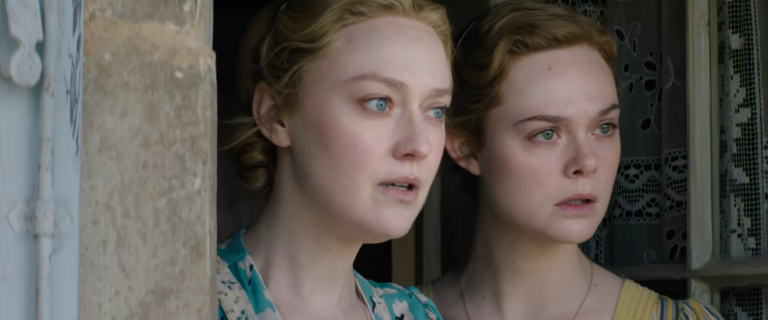
The Nightingale Trailer: Fanning Sisters Unite for Epic WWII Drama
In the vast landscape of Hollywood, certain moments transcend mere entertainment news, evolving into cultural touchstones eagerly awaited by audiences worldwide. The recent unveiling of the first official trailer for “The Nightingale” unequivocally falls into this category. More than just a preview of an upcoming film, this release signifies a historic milestone: the inaugural on-screen collaboration between two of cinema’s most acclaimed siblings, Dakota and Elle Fanning. For years, fans and industry insiders alike have dreamed of seeing these immensely talented sisters share the same frame, bringing their distinct yet complementary acting prowess to a singular narrative. That dream is now set to become a reality, promising a dynamic chemistry that will undoubtedly elevate an already poignant story.
“The Nightingale” is not merely another historical drama; it is an adaptation of Kristin Hannah’s internationally best-selling novel, a literary phenomenon that captivated millions with its raw, human portrayal of resilience during wartime. The novel’s powerful narrative, set in the brutal context of Nazi-occupied France during World War II, explores themes of sacrifice, survival, and the profound choices individuals are forced to make under unimaginable pressure. Now, this deeply moving saga transitions from the page to the silver screen, bringing its rich emotional tapestry to a global audience. The cinematic rendition is scheduled to grace theaters on March 19, 2027, a date that has become a beacon for those who cherish compelling storytelling and deeply resonant character arcs. The trailer offers a tantalizing glimpse into a world where courage blossoms amidst chaos, setting the stage for what is anticipated to be one of the most impactful films of its release year, a true event for anyone passionate about quality filmmaking and historical narratives.
This particular project holds an extra layer of significance given the Fanning sisters’ personal involvement as producers alongside industry stalwart Reese Witherspoon. This hands-on approach underscores their commitment to bringing Hannah’s vision to life with authenticity and respect, navigating the intricate process of adapting a beloved novel while ensuring its emotional core remains intact. The journey to production has seen its share of adjustments, including shifts in the release schedule, yet the unwavering dedication of the team speaks volumes about the project’s inherent quality and its potential to resonate deeply. As the world eagerly awaits the full cinematic experience, the trailer for “The Nightingale” serves as a powerful testament to the enduring human spirit, the unbreakable bonds of family, and the profound stories that continue to shape our understanding of history and ourselves.
Why “The Nightingale” Trailer Is Buzzworthy for Every Film Nerd
The release of “The Nightingale” trailer is generating significant excitement across the film community, particularly among discerning film nerds, due to its powerful narrative, prestigious source material, and the long-awaited on-screen pairing of Dakota and Elle Fanning. It offers a compelling glimpse into a World War II drama that promises both historical depth and profound emotional resonance, appealing to those who appreciate meticulously crafted cinematic experiences and adaptations of renowned literary works.
A Sibling Screen Debut Years in the Making
For over two decades, Dakota and Elle Fanning have carved out impressive careers in Hollywood, each earning critical acclaim and a devoted fanbase for their distinct talents. Dakota, the elder, has transitioned seamlessly from child prodigy in films like “I Am Sam” to mature roles in complex dramas, demonstrating a remarkable range and emotional depth. Elle, similarly, began her career at a young age, often lauded for her ethereal presence and ability to embody nuanced characters in productions ranging from independent cinema to major blockbusters like “Maleficent.”
Despite their parallel paths and shared profession, the sisters have never before appeared together in a feature film, a fact that has long been a topic of curiosity and anticipation among cinephiles. “The Nightingale” finally fulfills this long-held wish, not as a mere novelty, but as a strategic casting choice that leverages their undeniable familial bond and innate understanding of each other. This natural chemistry is expected to profoundly enrich the portrayal of their characters’ complex sisterly relationship, adding layers of authenticity and emotional power that might be challenging to replicate with non-siblings. Their shared producing credit further emphasizes their deep investment in the project, signaling a collaborative effort that extends beyond their performances.
Adapting a Literary Phenomenon for the Big Screen
Kristin Hannah’s 2015 novel, “The Nightingale,” swiftly rose to prominence, becoming a global bestseller and a staple in book clubs worldwide. Its success stemmed from its vivid portrayal of two French sisters navigating the horrors of World War II under Nazi occupation, each choosing profoundly different paths of resistance and survival. The book was praised for its meticulous historical research, its unflinching look at human resilience, and its celebration of female courage in extreme adversity.
The task of translating such a beloved and intricate novel into a cinematic experience is a monumental challenge, but also a tremendous opportunity. Director Michael Morris and screenwriter Dana Stevens face the delicate balance of honoring the source material’s emotional core and narrative breadth while adapting it for the visual medium. The trailer suggests a visually stunning and emotionally charged adaptation, indicating a focus on the dramatic tension, the sisters’ diverging journeys, and the harrowing beauty of their fight for survival. For literary nerds, the anticipation centers on how faithfully and effectively the film will capture the novel’s essence, its powerful messages, and its unforgettable characters, bringing their beloved story to a new dimension.
Delving Deeper into “The Nightingale”‘s Historical Canvas
“The Nightingale” offers more than just a family drama; it plunges audiences into the vivid, brutal reality of World War II in occupied France. The film’s setting and historical context are central to its narrative power, providing a backdrop against which themes of courage, resilience, and resistance are dramatically explored through the personal choices of its characters.
The Narrative Backbone: Courage Amidst Conflict
The core of “The Nightingale” lies in the contrasting journeys of Vianne Mauriac (Dakota Fanning) and Isabelle Rossignol (Elle Fanning). Vianne, the elder sister, embodies the quiet strength of those forced to endure the occupation from within their homes. Her struggle is one of protection and preservation, facing daily indignities and dangers to safeguard her family. Her path represents the countless individuals who found courage in quiet acts of defiance, protecting their loved ones and their humanity amidst unimaginable circumstances.
Isabelle, in stark contrast, is the defiant spirit, refusing to be passive in the face of tyranny. Her decision to join the French Resistance thrusts her into a world of espionage, risk, and overt rebellion. Her story illuminates the active resistance efforts, the underground networks, and the immense bravery required to actively fight against an occupying force. The narrative masterfully weaves these two perspectives, demonstrating that courage manifests in many forms during wartime, from the domestic battlefield to the clandestine operations of the resistance. The film promises to explore the moral ambiguities, the personal sacrifices, and the enduring strength of women who were often overlooked in historical accounts of war.
The Stellar Ensemble Cast Beyond the Fanning Sisters
While the Fanning sisters are undoubtedly the film’s central draw, “The Nightingale” boasts a robust supporting cast that adds significant weight and depth to the narrative. This ensemble brings a collective wealth of talent and experience, promising rich performances that complement the lead actresses.
Academy Award winner Mark Rylance joins the cast as Julien, the sisters’ father. Rylance, known for his nuanced and powerful portrayals in films like “Bridge of Spies” and “Dunkirk,” brings an immense gravitas to any role. His presence suggests a complex paternal figure, likely a source of both guidance and conflict for the sisters as they navigate their perilous paths. Also featuring prominently is Shira Haas, who gained international recognition for her Emmy-nominated role in the Netflix series “Unorthodox.” Haas’s ability to convey profound emotion and resilience with subtlety makes her an invaluable addition, likely playing a crucial role within the narrative’s intense emotional landscape. The cast is further rounded out by talented actors such as Edmund Donovan, Douglas Hodge, and Gwilym Lee, whose collective contributions will help build the authentic and compelling world of wartime France. The synergy of such a talented cast ensures that every character, no matter how brief their appearance, contributes meaningfully to the film’s powerful storytelling.
The Art of Adaptation: Challenges and Cinematic Benefits
Adapting a beloved novel like “The Nightingale” into a feature film presents a unique set of challenges and opportunities. For filmmakers, the task is to translate the intrinsic power of the written word into a compelling visual narrative, a process fraught with artistic decisions and expectations from both the original author and the loyal readership.
Navigating the Nuances from Page to Picture
The primary challenge in adapting a best-selling novel lies in condensing hundreds of pages of intricate plot, character development, and internal monologue into a two-hour cinematic experience. Kristin Hannah’s “The Nightingale” is rich with historical detail, emotional depth, and complex character arcs that unfold over several years. Screenwriter Dana Stevens must make difficult choices about which subplots to retain, which to streamline, and which to omit entirely, all while preserving the novel’s thematic integrity and emotional resonance.
Moreover, the internal lives of characters, often explored through extensive narration in a book, must be conveyed visually through dialogue, performance, and cinematography. The distinct perspectives of Vianne and Isabelle, for instance, need to be clearly articulated without relying on voice-overs that might disrupt the film’s flow. Director Michael Morris’s vision will be crucial in translating the novel’s atmospheric descriptions of occupied France and the harrowing experiences of its characters into evocative imagery and soundscapes that resonate with the audience. The success of the adaptation will hinge on its ability to capture the spirit of the book, even if specific details are altered for cinematic impact, ensuring that the film feels both faithful to its source and vibrant as a standalone work.
The Unmistakable Cinematic Benefits of Historical Dramas
Despite the inherent difficulties, adapting a powerful historical novel like “The Nightingale” offers significant cinematic benefits, particularly for a genre as impactful as the historical drama. These films often provide a unique opportunity for audiences to engage with pivotal moments in history through a deeply personal lens, fostering both empathy and understanding.
Historical dramas possess a unique ability to transport viewers to different eras, offering immersive experiences that educate as well as entertain. For “The Nightingale,” the World War II setting in France provides a dramatic canvas for exploring universal themes of humanity, resilience, and the cost of conflict. Such films often serve as important cultural artifacts, sparking discussions about historical events, moral choices, and the enduring lessons of the past. Furthermore, the genre often attracts top-tier talent, both in front of and behind the camera, drawn to the opportunity to tell meaningful stories with significant cultural relevance. A well-executed historical drama can achieve critical acclaim, awards recognition, and strong box office performance, appealing to a wide audience seeking substantive and emotionally resonant cinema. The powerful narratives of courage and sacrifice resonate deeply, offering a profound connection to history that pure documentaries or textbooks might not achieve.
What Avid Film Nerds Should Consider About Anticipating “The Nightingale”
As the release of “The Nightingale” approaches, avid film nerds and literary enthusiasts have much to consider, particularly regarding the expectations placed upon adaptations of beloved books. Understanding the common pitfalls and best practices can enhance the viewing experience and foster a more nuanced appreciation of the film.
Common Pitfalls in Expecting Book-to-Film Adaptations
One of the most frequent disappointments for fans of a book being adapted into a film stems from an expectation of absolute fidelity. Readers often develop deeply personal images and interpretations of characters and scenes, which rarely align perfectly with a director’s vision. A common pitfall is the belief that every subplot, every character, and every line of dialogue from the novel must be present in the movie. However, film is a different medium with its own narrative constraints and artistic requirements.
Another error lies in overlooking the necessary creative license involved in adaptation. Filmmakers often need to condense timelines, merge characters, or alter plot points to fit the cinematic structure and pace. These changes, while sometimes jarring to purists, are often crucial for the film’s coherence and emotional impact on screen. Furthermore, some viewers may underestimate the sheer scale of the historical events being portrayed, expecting an overly simplified or romanticized version of a brutal reality. Recognizing that a film adaptation is an interpretation, rather than a direct translation, can help mitigate potential disappointment and allow for a more open-minded appreciation of the new artistic endeavor.
Best Practices for Engaging with Historical Narratives on Screen
For those eager to fully appreciate “The Nightingale,” adopting certain viewing practices can significantly enrich the experience. Firstly, approaching the film with an open mind, separate from the strict confines of the book, is paramount. While it’s valuable to understand the source material, allowing the film to tell its story in its own way can lead to a more profound engagement with its cinematic merits.
Secondly, engaging with the historical context beyond the film itself can deepen understanding. Researching the real-life conditions of occupied France during WWII, the roles of women in resistance, and the specific challenges faced by civilians can add layers of appreciation for the accuracy and dramatic liberties taken by the filmmakers. Discussing the film with others, comparing interpretations, and exploring critical reviews can also enhance the experience, fostering a richer dialogue around its themes and artistic choices. Finally, recognizing the film as a powerful commentary on human resilience and courage, rather than just a plot-driven narrative, allows for a more meaningful connection to its emotional core and its enduring relevance to contemporary issues of conflict and survival. By doing so, viewers can fully immerse themselves in the rich tapestry of “The Nightingale,” appreciating it as both an adaptation and a significant work of cinema.
| Aspect | Book (Kristin Hannah) | Film Adaptation (“The Nightingale”) |
|---|---|---|
| Release Date | 2015 | March 19, 2027 |
| Primary Medium | Novel (Literary) | Feature Film (Cinematic) |
| Narrative Depth | Extensive internal monologues, detailed subplots | Visual storytelling, condensed narrative for pace |
| Character Portrayal | Reader’s imagination, author’s descriptions | Dakota & Elle Fanning’s interpretations, ensemble cast |
| Emotional Impact | Built through prose, reader’s personal connection | Visually driven, performances, score, cinematography |
| Historical Scope | Rich, detailed historical backdrop integrated into plot | Contextualized through production design, costumes, setting |
The Enduring Appeal of WWII Dramas and Future Cinematic Trends for the Discerning Nerd
World War II dramas continue to captivate audiences, offering timeless narratives of heroism, sacrifice, and the indomitable human spirit. “The Nightingale” is poised to join a long lineage of powerful films in this genre, while also highlighting emerging trends in Hollywood, particularly the rising prominence of authentic historical storytelling and notable sibling collaborations.
The Resurgence of Authenticity in Historical Storytelling
In recent years, there has been a noticeable shift in historical dramas towards greater authenticity and nuanced portrayal, moving beyond simplistic heroic narratives. Audiences, especially those with a keen interest in history, increasingly seek films that delve into the complexities of wartime experiences, exploring the perspectives of often-overlooked groups, such as women, children, and civilians caught in the crossfire. “The Nightingale,” with its focus on two sisters navigating Nazi occupation and choosing different forms of resistance, aligns perfectly with this trend. It emphasizes the personal toll of war and the diverse ways individuals contribute to survival and defiance, offering a more comprehensive and humanized view of history.
This drive for authenticity extends to production design, costume, and language, aiming to create an immersive experience that feels genuinely rooted in its period. The choice of Budapest for filming, a city with a rich historical tapestry, further suggests a commitment to environmental realism. For the history nerd, this means more than just a dramatic plot; it’s an opportunity to engage with a carefully reconstructed past, where every detail contributes to a deeper understanding of the period. This trend ensures that historical dramas remain relevant and powerful, serving not just as entertainment but as potent reminders of pivotal moments in human history and the enduring lessons they offer.
The Evolving Landscape of Sibling Collaborations in Hollywood
The joint appearance of Dakota and Elle Fanning in “The Nightingale,” and their roles as producers, signals an interesting development in Hollywood: the increasing visibility and influence of sibling collaborations. While sibling acts have always existed in the industry, from the Gyllenhaals to the Olsens, the Fannings’ partnership on this significant project highlights a growing trend where actors leverage their personal bonds and shared artistic sensibilities to shepherd meaningful projects.
This trend benefits from the inherent chemistry and mutual understanding that siblings often share, which can translate into more authentic and compelling on-screen dynamics. For producers, it offers a unique selling point and a powerful narrative hook, as audiences are naturally drawn to the story of real-life siblings collaborating on a shared artistic vision. Furthermore, as actors gain more creative control through producing roles, they can actively seek out projects that allow them to explore new facets of their craft together, fostering a more robust and diverse range of storytelling. This could lead to more projects where familial connections are celebrated and utilized to create deeply resonant performances, pushing the boundaries of traditional casting and appealing to a wide array of film enthusiasts, including the discerning film nerd who appreciates unique cinematic ventures.
Frequently Asked Questions About “The Nightingale” and the Fanning Sisters’ Collaboration
When is “The Nightingale” scheduled for release?
“The Nightingale” is officially set to premiere in cinemas on March 19, 2027. This date marks the culmination of a long development process, including various adjustments to its initial schedule. The film is highly anticipated by fans of Kristin Hannah’s bestselling novel and those eager to witness the historic first on-screen collaboration between sisters Dakota and Elle Fanning. Audiences should mark their calendars for this compelling World War II drama, which promises a poignant and powerful cinematic experience.
Who are the main stars of “The Nightingale”?
The film primarily stars sisters Dakota Fanning as Vianne Mauriac and Elle Fanning as Isabelle Rossignol, marking their first time acting together. The cast also includes Academy Award winner Mark Rylance, who portrays Julien, the sisters’ father. Additionally, Shira Haas, known for her role in “Unorthodox,” features in a key role, alongside Edmund Donovan, Douglas Hodge, and Gwilym Lee, contributing to a strong ensemble cast that aims to bring Kristin Hannah’s complex characters to life.
What is “The Nightingale” based on, and what is its plot?
“The Nightingale” is an adaptation of Kristin Hannah’s critically acclaimed and bestselling novel of the same name. The plot unfolds in Nazi-occupied France during World War II, focusing on two estranged sisters, Vianne and Isabelle, who embark on vastly different paths of survival and resistance. Vianne, the elder, endeavors to protect her family in their ancestral home, while Isabelle, the younger and more defiant, joins the French Resistance. The story is a powerful exploration of female courage, sacrifice, and resilience amidst the brutal realities of war.
Why is the Fanning sisters’ collaboration significant?
The collaboration between Dakota and Elle Fanning in “The Nightingale” is particularly significant because, despite their extensive and successful individual careers in Hollywood, they have never before shared the screen in a feature film. This project fulfills a long-standing desire for both the actresses and their fans. Their natural sisterly bond is expected to lend an unparalleled authenticity and emotional depth to their on-screen portrayal of two sisters navigating a harrowing war, making their joint performance a highly anticipated cinematic event.
Who is directing “The Nightingale” and who wrote the screenplay?
“The Nightingale” is directed by Michael Morris, an acclaimed director known for his work in television dramas and films. The screenplay for the adaptation was penned by Dana Stevens, who took on the challenging task of translating Kristin Hannah’s sprawling and beloved novel into a compelling cinematic script. Their combined vision is expected to bring a nuanced and powerful interpretation of the source material to the big screen, honoring its emotional core and historical context.
Where was “The Nightingale” filmed?
The principal photography for “The Nightingale” took place in Budapest, Hungary, during early 2026. The choice of Budapest, with its rich historical architecture and versatile cinematic landscapes, provided an ideal setting to recreate the atmosphere of World War II-era France. This location decision reflects the filmmakers’ commitment to authenticity and visual grandeur, aiming to immerse audiences in the historical period and geographical context of the story.
What makes “The Nightingale” appealing to history buffs and film enthusiasts?
“The Nightingale” holds strong appeal for both history buffs and film enthusiasts due to its compelling historical setting and its high-caliber adaptation. For history buffs, the film offers a deep dive into the often-overlooked female perspective of World War II and the French Resistance, grounded in a meticulously researched narrative. For film enthusiasts, it promises stellar performances from the Fanning sisters and a strong ensemble cast, under the direction of Michael Morris, coupled with a powerful screenplay by Dana Stevens. The combination of a resonant historical plot, acclaimed source material, and top-tier talent ensures a significant cinematic event.
The Cinematic Horizon: What Really Matters Before “The Nightingale” Arrives
As the cinematic world buzzes with anticipation for “The Nightingale,” what truly matters is not just the film’s release, but the lasting impact it promises to leave on its audience. This isn’t merely another entry into the crowded genre of wartime dramas; it’s a meticulously crafted adaptation of a literary masterpiece, brought to life by an unparalleled sibling duo and a stellar creative team. The film is poised to reignite conversations about the untold stories of World War II, emphasizing the profound courage and resilience of women who navigated unimaginable adversity.
For every film enthusiast, every history buff, and every avid reader who cherishes deeply human narratives, “The Nightingale” represents a unique confluence of talent, history, and storytelling prowess. It’s an invitation to witness history through a deeply personal lens, to connect with characters whose struggles echo universal themes of survival, love, and defiance. As we await March 19, 2027, the true value lies in preparing ourselves for an experience that transcends entertainment, offering a powerful reflection on the human spirit and its enduring capacity for hope amidst despair. This film is more than just a watch; it’s an opportunity for profound engagement, promising to be a significant cultural touchstone that will resonate long after the credits roll.












Post Comment