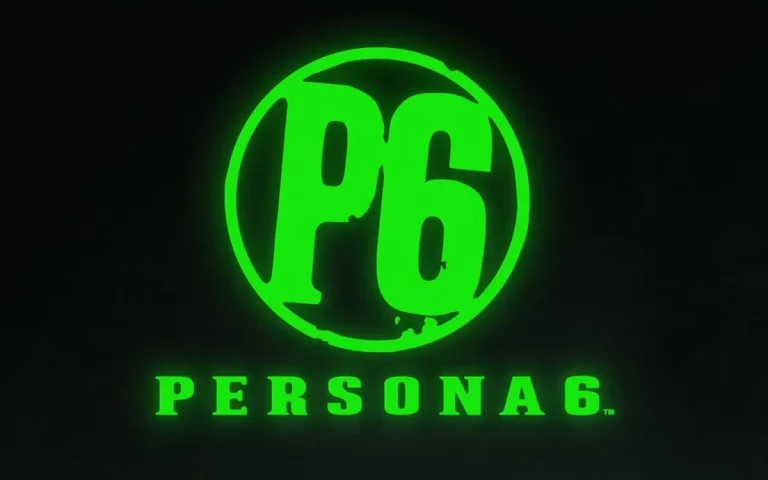
Persona 6: Atlus Aims to Surpass All, Promising Shorter Waits for Every Nerd
The anticipation for Persona 6 has reached a fever pitch, resonating deeply within the global community of RPG enthusiasts. After the monumental success of Persona 5, a title that captivated millions with its unique blend of social simulation, stylish aesthetics, and profound narrative themes, the bar for its successor was set astronomically high. Atlus, a studio revered for its distinctive approach to Japanese role-playing games, now faces the formidable task of not only meeting but exceeding these expectations. This is not merely about launching a new game; it represents a pivotal moment for a franchise that has cultivated a dedicated following, eager to see how its next iteration will evolve. The silence surrounding Persona 6 has been palpable, making any official communication a significant event, meticulously dissected by fans and industry observers alike.
Amidst this climate of fervent speculation, Kazuhisa Wada, the general producer for the Persona series, finally offered a glimpse into the studio’s aspirations for Persona 6. His recent statements, published by SEGA Sammy, reveal a game currently in development with a clear, audacious goal: to surpass every single creation Atlus has ever brought to life. Such a declaration is more than just a marketing promise; it reflects an internal drive for innovation and a profound commitment to delivering an experience that redefines the franchise’s legacy. This ambition, coupled with the commitment to significantly shorten the development cycles for future titles, signals a strategic shift designed to invigorate the series and maintain its prominence in a rapidly evolving gaming landscape. For the dedicated fan, these words ignite hope, setting the stage for what could be a transformative chapter in the Persona saga.
Understanding the context of this announcement is key. Persona 5, launched in Japan in September 2016, established a global benchmark for JRPGs. The subsequent decade saw fans clamoring for news of its successor, a wait that tested the patience of even the most loyal followers. Wada’s promise directly addresses this historical pattern, aiming to forge a new path where the gap between numbered entries is no longer a test of endurance. While concrete details about the story and gameplay remain under wraps, the producer’s confidence speaks volumes, hinting at a creative process where the team is overcoming significant challenges and fostering a genuine sense of accomplishment. This blend of bold ambition and a commitment to enhanced accessibility through quicker releases positions Persona 6 as a pivotal title, not just for Atlus, but for the entire genre it so masterfully influences.
Beyond the immediate excitement, these revelations prompt a deeper reflection on Atlus’s strategic direction. The studio has adeptly managed fan engagement through various spin-offs, enhanced versions like Persona 5 Royal, and multi-platform releases, bridging the long periods between main installments. However, the core fanbase consistently yearns for the next major narrative. Wada’s vision suggests a future where these comprehensive, high-quality experiences arrive with a renewed rhythm, ensuring the franchise remains fresh and relevant. The journey of Persona 6, from its initial dark teaser and neon-green theme revealed at the Xbox Games Showcase, to its confirmed multi-platform launch including PlayStation 5, Xbox Series X|S, PC, and potentially Nintendo Switch 2, illustrates a broader strategy to broaden its reach while pushing creative boundaries. For any devoted Nerd eager for the next evolution in storytelling and gameplay, these are promises worth watching closely.
The Vision Behind Persona 6: A New Benchmark for Every Nerd
Persona 6 is envisioned by Atlus as a title designed to surpass all their previous works, aiming to set a new benchmark in terms of creative challenges overcome and player experience. Producer Kazuhisa Wada emphasized the team’s sense of accomplishment, promising a game that will reflect their significant efforts and redefine expectations for the beloved RPG series.
Producer Kazuhisa Wada’s declaration that Persona 6 is being developed to outshine all of Atlus’s prior creations is a bold statement, particularly given the studio’s illustrious history. This isn’t merely about incremental improvements; it signals an intent to fundamentally elevate the franchise. After the global phenomenon that was Persona 5, which garnered critical acclaim and a massive fan base, the pressure on Atlus to deliver a worthy successor is immense. Wada’s confidence, however, suggests that the team is not shying away from this challenge, but rather embracing it as an opportunity for innovation. This ambition resonates deeply with the core Persona audience, a community of dedicated fans who appreciate the intricate narratives, character development, and unique thematic depth that define the series.
The emphasis on the team working with a “true sense of accomplishment” in overcoming challenges highlights the dedication invested in Persona 6. Developing a game of this magnitude involves navigating complex technical hurdles, refining intricate gameplay mechanics, and crafting compelling narratives that resonate with players. For a studio renowned for its meticulous attention to detail and high production values, this statement indicates a developmental process focused on pushing boundaries rather than simply iterating on past successes. It implies a significant investment in research and development, potentially exploring new gameplay paradigms or storytelling techniques to deliver an experience that feels fresh yet distinctly Persona.
This ambitious vision for Persona 6 also serves as a powerful message, both internally within Atlus and externally to the gaming world. Internally, it rallies the development team around a shared goal of excellence, fostering a collaborative environment driven by the desire to innovate. Externally, it manages expectations while simultaneously stoking excitement, assuring fans that their patience will be rewarded with a game that genuinely seeks to push creative limits. For any devoted Nerd who follows the trajectory of legendary game developers, this level of explicit ambition is a clear indicator that Atlus is committed to delivering a product that lives up to its heritage and sets new industry standards.
Overcoming Creative Challenges in Development
Wada’s reference to the “fruits of the challenges” the team has overcome suggests a development process marked by significant innovation and problem-solving. Creating a Persona game involves a delicate balance of evolving established mechanics while introducing fresh elements, ensuring the experience feels both familiar and new. These challenges could range from crafting a visually stunning world that builds upon Persona 5’s iconic style, to developing a narrative that explores contemporary themes with the series’ characteristic depth and nuance.
Furthermore, technical complexities likely form a substantial part of these challenges. Modern game development demands high fidelity graphics, intricate AI systems, and robust online functionalities, especially for a title expected to launch on current-generation consoles and PC. Successfully navigating these demands while maintaining Atlus’s signature artistic integrity and deep gameplay systems speaks volumes about the team’s engineering prowess and creative resilience. The promise of showcasing these efforts within the game itself implies that the solutions found will be integral to the player experience, potentially manifesting as innovative gameplay loops or groundbreaking visual design.
The Weight of Expectation Following Persona 5
Persona 5 became a global phenomenon, elevating the franchise to unprecedented levels of mainstream recognition. Its distinct art direction, engaging turn-based combat, and compelling social links captivated a diverse audience, setting an incredibly high benchmark for any successor. The weight of this expectation is a significant factor in the development of Persona 6, as Atlus must now create a game that not only appeals to its loyal fanbase but also satisfies the broader audience introduced by Persona 5.
This pressure necessitates a delicate balance: innovating sufficiently to justify a new numbered entry, while retaining the core identity and charm that defines the Persona series. Fans expect a certain blend of high school life simulation, dungeon crawling, and psychological exploration, delivered with Atlus’s characteristic flair. Therefore, for Persona 6 to truly surpass its predecessor, it must demonstrate mastery in these areas while also introducing novel concepts that genuinely enhance the player experience, rather than simply replicating past successes.
A Shorter Wait: Redefining the Persona Franchise Release Cycle
Atlus’s producer, Kazuhisa Wada, has explicitly committed to significantly reducing the long wait times between main Persona titles, a direct response to the decade-long gap between Persona 5’s Japanese launch and Persona 6’s announcement. This strategic shift aims to maintain audience engagement and expand the series more dynamically, assuring fans that future installments will arrive with greater frequency.
The promise of shorter waits between Persona titles represents a significant departure from the franchise’s historical release patterns. Fans of the series have often endured lengthy intervals, sometimes nearly a decade, between main entries. For instance, Persona 5 arrived eight years after Persona 4, and a full ten years passed between Persona 5’s Japanese debut and Persona 6’s official announcement. Wada’s direct acknowledgment of this cycle, stating, “We are implementing various measures to ensure that, unlike the past, you will not have to wait long for our next title,” is a clear signal that Atlus recognizes the impact of these delays on fan engagement and aims to mitigate them moving forward. This strategic commitment suggests a more consistent pipeline for future Persona experiences, a welcome change for the ardent community.
This shift in development philosophy could have profound implications for the Persona franchise’s future trajectory. By shortening the gaps, Atlus can maintain stronger momentum, keeping the series at the forefront of player consciousness and potentially attracting new audiences more consistently. In a fast-paced gaming industry where attention spans are fleeting, a more regular release schedule helps in sustaining relevance and brand visibility. This doesn’t necessarily imply a compromise on quality, but rather a streamlined development process, potentially involving larger teams, more efficient asset creation, or even parallel development tracks for different projects within the Persona universe. The goal is to deliver those deep, narrative-rich experiences without the prolonged anticipation that has historically characterized the series.
For the dedicated Persona fanbase, this promise is met with a mixture of excitement and cautious optimism. While the thought of more frequent main series titles is thrilling, the inherent complexity and narrative depth of Persona games typically demand extensive development periods. The challenge for Atlus will be to uphold its reputation for meticulous quality and profound storytelling while accelerating its release cadence. This commitment, however, speaks to a studio that is not only ambitious about its creative output but also responsive to its community’s desires, striving to evolve its operational model to better serve its passionate players. Ultimately, this new approach could reshape how the Persona narrative unfolds, making it a more continuous and dynamic journey for its audience.
The Legacy of Patience (and its limits)
Historically, the Persona series has been defined by long, often excruciating waits between its main numbered entries. This legacy fostered a unique culture of patience among fans, where anticipation would build for years, punctuated by spin-offs and re-releases that sustained interest. While this approach arguably contributed to the monumental impact of each new main game, allowing ample time for comprehensive development and refinement, it also tested the limits of fan loyalty in an increasingly rapid media landscape.
During the significant gap between Persona 5 and Persona 6’s announcement, Atlus effectively managed to keep the franchise vibrant through various means. This included the highly successful Persona 5 Royal, which expanded on the original game, as well as multiple ports of Persona 5 to other platforms, allowing new players to discover the title. Additionally, numerous spin-off projects, including fighting games, rhythm games, and musou-style action titles, kept the Persona universe active and engaged its audience. This multifaceted strategy prevented the series from fading from public consciousness, but the demand for a truly new main installment remained undiminished.
Innovation Amidst Rapid Development
The commitment to faster development cycles for Persona titles introduces a fascinating challenge for Atlus: how to innovate and surpass previous works without compromising the series’ renowned quality. This isn’t about rushing games, but rather optimizing processes to ensure that creative breakthroughs translate into playable content more efficiently. One potential approach could involve leveraging advances in game development tools and engines, allowing for quicker iteration and asset creation without sacrificing detail or polish.
Furthermore, this accelerated pace might encourage new forms of storytelling or gameplay structures that are more adaptable to shorter cycles. Atlus could explore modular development, where core systems are robustly established, allowing creative teams to focus on narrative and character development within predefined frameworks. The studio’s commitment to both surpassing previous titles and shortening waits suggests a sophisticated internal strategy focused on maximizing efficiency while preserving the artistic integrity and depth that define the Persona experience.
What We Know About Persona 6 So Far
Persona 6 was officially announced at the Xbox Games Showcase in June, featuring a dark teaser and a new neon-green color theme. It will present a new, independent story set in modern Japan, blending traditional school life with supernatural elements. The game is confirmed for PS5, Xbox Series X|S, and PC, with a day-one Game Pass release, and recent mentions include Nintendo Switch 2 and a physical edition.
The initial reveal of Persona 6 at the Xbox Games Showcase in June sent waves of excitement through the gaming community. The teaser, though dark and enigmatic, provided a tantalizing first look at the game’s aesthetic direction, notably highlighted by a striking neon-green as its new theme color. This color choice, a departure from Persona 3’s blue, Persona 4’s yellow, and Persona 5’s red, immediately sparked discussions among fans about its potential thematic implications, possibly signaling a shift in tone or core message. While the trailer was sparse on specific details, it firmly established the game’s presence and its visual identity.
Crucially, Atlus has confirmed several key details about the game’s foundational elements. Persona 6 will feature an entirely new and independent story, ensuring that new players can jump in without needing prior knowledge of the expansive Persona lore, though long-time fans will undoubtedly appreciate the subtle nods and overarching themes. The narrative will once again be set in modern Japan, a hallmark of the series, masterfully blending the everyday realities of high school life with profound supernatural elements. This signature combination allows for both relatable character development and thrilling, metaphysical adventures, a formula that has proven incredibly successful.
In terms of availability, Persona 6 is set for a broad multi-platform launch, a strategic move that significantly expands its potential audience. The game is confirmed for PlayStation 5, Xbox Series X|S, and PC, with the exciting addition of a day-one release on Xbox Game Pass. This makes the title immediately accessible to millions of subscribers, lowering the barrier to entry and potentially introducing the Persona series to a vast new demographic. Furthermore, recent disclosures have also hinted at a release on the upcoming Nintendo Switch 2 and a traditional physical edition, ensuring that players across various ecosystems will have the opportunity to experience this highly anticipated RPG. While an official release date remains elusive, public expectation currently points towards 2027, with unconfirmed rumors suggesting development commenced as early as 2019.
The Teaser and Its Clues
The brief, dark teaser shown at the Xbox Games Showcase served its purpose: to ignite curiosity without revealing too much. The visual style, while reminiscent of past Persona entries, also hinted at a new artistic direction, underscored by the prominent use of neon-green. This color has historically been associated with themes like envy, nature, renewal, or even toxicity and advanced technology, prompting extensive fan speculation about Persona 6’s central narrative and philosophical underpinnings.
Such teasers are often carefully crafted to convey mood and atmosphere rather than explicit plot points. The “dark” aspect could imply a more mature or somber tone compared to Persona 5’s vibrant rebellion, or it might simply be a stylistic choice. Regardless, the choice of neon-green, distinct from the primary colors of its predecessors, is a deliberate signal from Atlus that this installment will carve its own visual and thematic identity within the beloved series.
Platform Reach and Accessibility
The decision to launch Persona 6 across multiple major platforms—PS5, Xbox Series X|S, and PC—along with a day-one Game Pass release, marks a pivotal moment for the franchise’s accessibility. Historically, Persona has been closely associated with PlayStation consoles, making its expansion to Xbox and PC a clear strategy to reach a broader global audience. The inclusion in Game Pass on day one is particularly significant, as it allows a massive subscriber base to immediately access the game, fostering a larger player community from the outset.
Furthermore, the mention of a potential Nintendo Switch 2 release, coupled with a physical edition, underscores Atlus’s commitment to maximizing reach across various gaming preferences. This multi-platform strategy is not just about sales; it’s about making the Persona experience available to as many players as possible, regardless of their preferred hardware. By embracing a wider ecosystem, Atlus is positioning Persona 6 to be its most accessible and impactful title yet, catering to a diverse range of gamers worldwide.
The Nerd’s Perspective: Balancing Hype with Reality
For the dedicated Nerd, producer promises for Persona 6, while exciting, are viewed with a healthy dose of skepticism until gameplay details emerge. The ambition to surpass previous titles and shorten release cycles creates immense hype but also requires concrete demonstrations of progress. Fans eagerly await specific reveals, understanding that a developer’s vision needs to materialize into tangible game features to truly validate the high expectations.
The gaming community, particularly the ardent fans who identify as a Nerd for complex JRPGs, approaches such grand declarations from developers with a blend of intense excitement and pragmatic caution. While the ambition of Persona 6 aiming to surpass all previous Atlus works is undeniably thrilling, the adage “producer promise is not gameplay” often rings true. Veterans of the industry understand that lofty goals, while inspiring, must eventually be substantiated by tangible in-game features, mechanics, and narrative depth. This balanced perspective prevents premature disappointment and ensures that the focus remains on the eventual product, rather than solely on initial marketing.
The promise of significantly shorter waiting times between main Persona titles is another area where a critical eye is applied. While highly desirable, the complexity and quality expected from a Persona game require extensive development. Fans will be keenly observing future updates to see how Atlus intends to achieve this acceleration without compromising the series’ hallmark polish and depth. The community relies on concrete information – gameplay trailers, detailed developer interviews, and narrative reveals – to truly gauge the direction and quality of the upcoming title. Until then, discussions flourish on forums and social media, fueled by speculation, theories, and a collective hope for the best.
This critical engagement is a testament to the community’s deep investment in the franchise. Every piece of information, from the neon-green color scheme to the platforms confirmed, is meticulously analyzed for clues about the game’s direction. Events like the highly anticipated Persona Super Live 2027 are circled on calendars, recognized as potential venues for the concrete reveals that will shift the conversation from ambitious promises to specific gameplay details. For the dedicated fan, balancing the natural enthusiasm with a realistic understanding of game development cycles is key to enjoying the pre-release journey of Persona 6.
Managing Expectations in a Hype-Driven World
In the highly competitive and expectation-driven world of video games, developer announcements like those made for Persona 6 serve multiple purposes. They ignite community excitement, attract media attention, and set an internal benchmark for quality. However, they also create a delicate balancing act, as the gap between initial promises and a final product can be vast. Astute fans understand that a game’s vision, while inspiring, is a fluid concept that evolves through development, and unexpected challenges can alter its trajectory.
The role of rumors and speculation, particularly concerning unconfirmed release dates like 2027 or development start years like 2019, further complicates this landscape. While these discussions fuel community engagement and keep the game in the public consciousness, they also run the risk of creating unrealistic expectations. Savvy gamers learn to sift through the noise, prioritizing official announcements and tangible evidence over unsubstantiated leaks, recognizing that patience and a critical approach are essential virtues in navigating the pre-release hype cycle.
Looking Ahead: Key Events for Persona Aficionados
As the Persona community eagerly awaits more concrete details on Persona 6, several upcoming events and releases serve as important milestones. The Persona Super Live concerts, known for their major announcements, are particularly anticipated, with Persona Super Live 2027 being a prime candidate for significant Persona 6 reveals. These events traditionally combine musical performances with game news, making them essential viewing for any dedicated fan hoping for gameplay footage, character introductions, or even a solid release date.
Additionally, other releases within the Persona universe help to bridge the gap and maintain excitement. The impending launch of Persona 4 Revival in February provides fans with another opportunity to immerse themselves in the series’ rich history while awaiting the next main installment. These supplementary titles and events are crucial in sustaining the franchise’s visibility and keeping its dedicated fanbase engaged and energized throughout the prolonged development cycle of a title as significant as Persona 6.
| Main Persona Title | Japanese Release Year | Approximate Gap from Previous Main Title |
|---|---|---|
| Revelations: Persona | 1996 | N/A |
| Persona 2: Innocent Sin | 1999 | 3 years |
| Persona 3 | 2006 | 7 years |
| Persona 4 | 2008 | 2 years |
| Persona 5 | 2016 | 8 years |
| Persona 6 (Announced) | TBD (Expected ~2027) | >10 years (from P5 announcement) |
The Evolution of a Nerd’s Favorite Franchise
The Persona series has grown from a niche JRPG into a global phenomenon, captivating a diverse audience with its unique blend of urban fantasy, psychological exploration, and social simulation. This evolution is a testament to Atlus’s consistent commitment to innovation and storytelling, making it a perennial favorite for any Nerd who appreciates deep, character-driven narratives.
From its roots as a spin-off of the Shin Megami Tensei franchise, Persona quickly carved out its own distinct identity. The early titles, like Persona and Persona 2, laid the groundwork for the series’ unique blend of high school life and supernatural combat, introducing psychological themes and complex character arcs that resonated deeply with players. These games established a foundation of intricate dungeon crawling and demon negotiation, elements that, while evolving, remain core to the franchise’s DNA. The bold choice to intertwine everyday struggles with world-ending threats has always been a key appeal, drawing players into narratives that feel both relatable and epic.
The advent of Persona 3 marked a significant turning point, introducing many of the stylistic and mechanical elements that would define the modern series, including the social link system, calendar-based progression, and iconic visual presentation. Persona 4 refined these concepts, building a charming cast and a compelling mystery that further cemented the series’ reputation. Each iteration not only expanded on the gameplay but also delved deeper into philosophical and psychological themes, offering layers of interpretation that reward repeated playthroughs and extensive discussion among fans. This commitment to intellectual and emotional depth is precisely what transforms a mere game into a cultural touchstone for its audience.
Persona 5, however, propelled the franchise into unprecedented global prominence. Its unparalleled style, addictive gameplay loop, and powerful narrative about societal rebellion captured the hearts of millions, earning widespread critical acclaim and solidifying Persona’s status as a premier JRPG series. This trajectory demonstrates Atlus’s remarkable ability to evolve while staying true to its core tenets. The anticipation for Persona 6 is therefore not just about a new game; it’s about the continuation of a legacy, a testament to how far this beloved franchise has come and its potential to continue inspiring and challenging players worldwide. For the avid Nerd, the future of Persona promises even greater depths of engagement and innovation.
Defining Moments in Persona History
- Persona 1 (Revelations: Persona): Established the foundational concept of high school students wielding inner power, though its reception was somewhat limited compared to later entries.
- Persona 2 (Innocent Sin & Eternal Punishment): Deepened the narrative and psychological themes, exploring concepts of rumor manifesting reality, creating a darker, more intricate story.
- Persona 3: Revolutionized the series with the introduction of Social Links, a calendar system, and a distinct aesthetic, setting the template for modern Persona games.
- Persona 4: Refined the Persona 3 formula, delivering a more lighthearted yet equally compelling murder mystery with an unforgettable cast of characters.
- Persona 5: Achieved global phenomenon status with its unparalleled style, refined combat, and engaging narrative centered on rebellion against societal corruption, becoming a benchmark for the JRPG genre.
Impact of Persona’s Narrative on Fans
The narratives of Persona games consistently resonate deeply with fans due to their exploration of universal human experiences: adolescence, friendship, self-discovery, and battling inner demons. The characters, often facing relatable struggles within a fantastical context, become deeply cherished figures for players. This connection fosters a strong sense of empathy and allows fans to project their own experiences onto the protagonists, making each game a personal journey of growth and understanding.
Beyond individual character arcs, Persona’s stories frequently tackle complex societal issues—conformity, justice, identity, mental health—through allegorical and direct means. This intellectual engagement elevates the games beyond mere entertainment, prompting players to reflect on their own lives and the world around them. The blend of deeply personal stories with grand, philosophical conflicts creates a rich tapestry that inspires discussions, fan theories, and a lasting emotional impact, solidifying the series’ unique place in the hearts of its devoted audience.
FAQ: Understanding the Future of Persona 6 for the Avid Nerd
Here are some of the most pressing questions regarding Persona 6, addressing the concerns and curiosities of the dedicated Persona community:
What did Kazuhisa Wada say about Persona 6?
Producer Kazuhisa Wada stated that Persona 6 is being developed with the ambition to surpass all previous Atlus titles. He also promised a significant reduction in the waiting time between future main entries in the Persona series, acknowledging the long gaps experienced by fans in the past. Wada expressed confidence in the team’s ability to overcome creative challenges and deliver a truly groundbreaking experience, although specific gameplay or story details remain undisclosed.
Will Persona 6 release faster than previous titles?
Yes, Atlus producer Kazuhisa Wada explicitly promised that fans would not have to wait as long for Persona 6 and subsequent main titles as they did for past entries. This commitment suggests a strategic shift in Atlus’s development pipeline, aiming for more consistent and frequent releases to maintain audience engagement and expand the franchise’s reach. While specific timelines for this acceleration are not yet known, it signals a new era for the series’ release cadence.
What platforms will Persona 6 be available on?
Persona 6 is confirmed for release on PlayStation 5, Xbox Series X|S, and PC. Notably, it will also be available on Xbox Game Pass on day one. Recent discussions and announcements have also indicated a potential release on the forthcoming Nintendo Switch 2, alongside a traditional physical edition, ensuring broad accessibility across multiple gaming ecosystems and catering to diverse player preferences.
What is known about Persona 6’s story and setting?
Atlus has confirmed that Persona 6 will feature a completely new and independent story, meaning players won’t need prior knowledge of previous titles to enjoy it. The game will maintain the series’ signature setting of modern Japan, continuing its tradition of blending elements of everyday high school life with compelling supernatural phenomena. While specific plot details are scarce, this foundational setup promises the blend of relatable social simulation and thrilling metaphysical conflict that fans love.
When is Persona 6 expected to be released?
An official release date for Persona 6 has not yet been announced by Atlus. However, public and community expectations currently point towards a potential launch in 2027. Unconfirmed rumors suggest that development for the title may have commenced as early as 2019, indicating a substantial period of work has already gone into the game. Fans are advised to await official announcements for definitive release information.
Why is Persona 6 such a highly anticipated game?
Persona 6 is highly anticipated primarily due to the immense global success and critical acclaim of its predecessor, Persona 5, which set a new benchmark for JRPGs. Fans are eager to see how Atlus will evolve the series’ unique blend of social simulation, deep narrative, stylish aesthetics, and engaging combat. The producer’s promise to surpass all previous Atlus works further fuels this anticipation, positioning Persona 6 as a potentially groundbreaking title in the genre.
How did Atlus keep fans engaged between Persona 5 and Persona 6?
During the long wait between Persona 5’s initial release and Persona 6’s announcement, Atlus kept its fanbase engaged through a variety of supplementary releases. These included the expanded version Persona 5 Royal, ports of Persona 5 to other platforms, and numerous spin-off titles such as Persona 5 Strikers and Persona 5 Tactica. These projects helped maintain the franchise’s visibility and provided fans with new content within the Persona universe.
What does the ‘neon-green’ theme imply for Persona 6?
The choice of neon-green as Persona 6’s new theme color, replacing the signature red, yellow, and blue of previous main titles, has sparked considerable fan speculation. Green often symbolizes renewal, growth, nature, envy, or even technology and toxicity. This thematic shift could imply a different tone, a focus on new philosophical concepts, or a fresh perspective within the series’ established psychological and urban fantasy framework, prompting discussions about the game’s core message and visual identity.












Post Comment