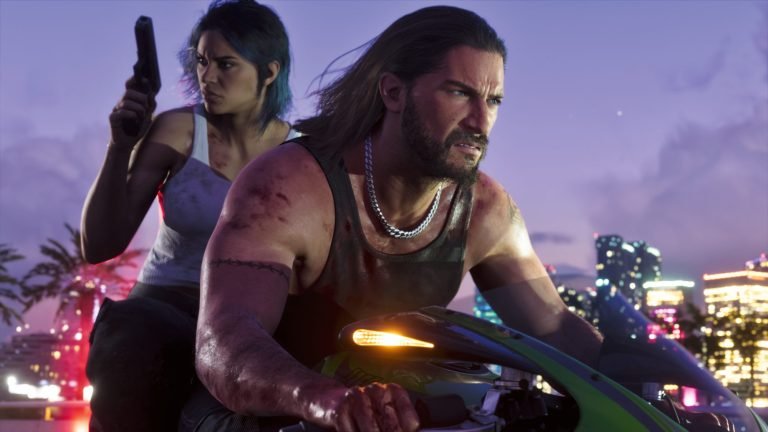
Deus Ex Creator: GTA 6 Must Be Last of Its Kind | Nerd Debate
The gaming world often celebrates monumental achievements, reveling in the spectacle of titles that push boundaries of technology, narrative, and sheer scale. Few games embody this ambition quite like the Grand Theft Auto series, and the anticipation surrounding its sixth main installment, Grand Theft Auto 6, has reached unprecedented levels. Initial reports and widespread speculation suggest a development budget soaring into the billions of dollars, positioning it as one of the most expensive entertainment products ever conceived. The sheer scale and expected impact of this title are undeniable, promising to redefine player expectations and set new benchmarks for the industry.
However, amidst the euphoria and record-breaking announcements, a dissenting voice has emerged from a revered veteran of game development. Warren Spector, the visionary behind iconic titles like Deus Ex and Epic Mickey, has publicly expressed a nuanced, yet critical, perspective on this trend. His remarks, initially shared on LinkedIn and widely reported, challenge the notion that such colossal budgets should become the standard for the industry. Spector’s insights compel the gaming community, especially the dedicated fans of complex narratives and innovative gameplay often found within the nerd culture, to consider the broader implications of these financial behemoths. This isn’t merely a critique of a single game; it’s a profound questioning of the economic models shaping the future of interactive entertainment and the livelihoods of thousands of creative professionals.
This article delves into Spector’s arguments, examining the underlying concerns regarding industry economics, developer welfare, and the potential impact on game diversity. We explore the intricate balance between delivering unparalleled player experiences and fostering a sustainable, equitable development ecosystem. As the gaming landscape continues to evolve, shaped by technological advancements and shifting consumer demands, Spector’s commentary offers a crucial pause for reflection, inviting everyone from casual players to the most discerning nerds to engage in a vital conversation about where the industry is truly headed.
Warren Spector’s Provocative Call to the Nerd Gaming Community
Warren Spector, the acclaimed creator behind the groundbreaking Deus Ex franchise, has openly voiced his hope that Grand Theft Auto 6 will be the last game of its colossal scale. While commending Rockstar for their probable achievement, Spector’s primary concern centers on the unsustainable nature of billion-dollar development and marketing budgets. He argues that such immense financial outlays could instead fund numerous smaller projects, fostering broader employment and creative diversity across the industry.
The discussion initiated by Warren Spector isn’t a condemnation of Grand Theft Auto 6 itself. The veteran developer made it unequivocally clear that he respects Rockstar’s likely achievement, acknowledging that the title is poised to become a landmark in gaming history. His critique is surgically aimed at the economic model it represents: the staggering investment of billions into a single game’s development and marketing. Spector posits that this model is neither replicable nor advisable for the vast majority of the industry, particularly when thousands of talented developers face unemployment.
In his own words, Spector emphasized a clear preference: "A billion dollars pays for a lot of games and a lot of salaries. Personally, I prefer hundreds of games and full employment to a single game, no matter how amazing it is." This statement highlights a fundamental tension within the industry: the pursuit of ultimate graphical fidelity and expansive open worlds versus the nurturing of a diverse ecosystem where smaller, innovative projects can thrive. Spector’s perspective, coming from a developer known for crafting deep, player-choice-driven experiences, resonates strongly with the nerd audience who value rich narratives and thoughtful design.
However, Spector is also pragmatic. He does not advocate for underfunding projects or rushing their release, recognizing that such practices invariably lead to failure. The delicate balance, he suggests, lies in allocating each game the precise time and resources it needs, without the pressure of conforming to Rockstar’s extraordinary scale as the industry standard. This nuanced view calls for a re-evaluation of current practices, encouraging a healthier distribution of resources that benefits both creators and consumers.
The Billion-Dollar Paradox: More Games or Bigger Games?
At the heart of Warren Spector’s critique lies a fundamental economic question: Is concentrating billions into one single game a sustainable or desirable model for the global gaming industry? He argues that this level of investment, while potentially yielding a blockbuster, inherently limits the number of projects that can be undertaken, shrinking the overall creative landscape. This directly impacts the diversity of experiences available to players and the stability of developer careers.
The alternative, as Spector implies, is a more distributed investment strategy where the same capital could finance numerous mid-sized or indie games. Such a scenario would open doors for more experimental concepts, diverse genres, and fresh voices, fostering a richer and more varied market. For the discerning nerd, who often appreciates depth and originality over sheer graphical prowess, this diversification could lead to a more fulfilling gaming ecosystem.
A Veteran’s Perspective: The Legacy of Deus Ex and Industry Wisdom
Warren Spector’s commentary isn’t merely the opinion of another developer; it carries the weight of decades of experience and a track record of shaping the industry. As the driving force behind Deus Ex, a game celebrated for its innovative blend of RPG, shooter, and immersive sim elements, Spector has consistently championed player agency and sophisticated world-building. His work has influenced countless designers and captivated a generation of nerd gamers who appreciate intricate systems and profound storytelling.
His understanding of both the creative and business sides of game development provides a unique lens through which to view the current landscape. When Spector speaks about industry trends, it’s often with a deep-seated concern for artistic integrity and the welfare of fellow developers. His call for a shift away from the "last of its kind" mega-budget model stems from a desire to see a vibrant, thriving industry that supports a wider array of creative endeavors, rather than consolidating power and resources into a select few.
Unpacking the Grand Theft Auto 6 Phenomenon and its Financial Scale
Grand Theft Auto 6 stands as an unparalleled cultural phenomenon, with its recent trailer breaking records and setting the internet ablaze. The reported financial scale, rumored to involve a budget exceeding a billion dollars, underlines its status as one of the most ambitious and costly entertainment projects ever. This level of investment is a testament to Rockstar’s commitment to delivering an experience of immense scope and fidelity, yet it also sparks critical discussions about industry economics.
The buzz surrounding Grand Theft Auto 6 is not just about its expected gameplay or narrative, but also about the sheer scale of its production. Industry estimations place its budget in the billions, encompassing development, marketing, and global distribution. This staggering figure, though not officially confirmed by Rockstar, reflects the extraordinary resources required to craft a game of this magnitude, aiming for a new standard in open-world immersion and player engagement. The anticipation alone has cemented its place as a gaming milestone even before release.
Historically, Rockstar Games has a reputation for pushing boundaries, meticulously crafting sprawling worlds and intricate gameplay mechanics. The success of previous titles in the Grand Theft Auto series has established a trust factor with its vast player base, making each new installment a guaranteed event. The perceived "unlimited" budget for GTA 6 is often seen by fans and analysts as a natural progression, allowing the studio to fully realize its ambitious vision without compromise. This expectation, however, is precisely what Warren Spector questions in the broader context of industry sustainability.
While the exact figures remain speculative, the sheer financial commitment implied by GTA 6’s development hints at a pivotal moment for the gaming industry. It forces a conversation about the return on investment for such colossal projects, the financial risks involved, and the precedent it sets for other studios. The success or failure of a game on this scale can send ripple effects throughout the entire ecosystem, influencing future investment strategies and the types of games that get greenlit.
Rockstar’s Balancing Act: Unlimited Ambition vs. Finite Resources
Despite public perception, even a studio with Rockstar’s immense success operates within practical constraints. Rob Nelson, co-director of Rockstar North, previously dispelled the myth of infinite money, time, or resources. His comments revealed that various departments within the studio must constantly balance their creative ambitions against tangible limitations. This internal reality offers a crucial counterpoint to the external narrative of boundless spending.
Nelson’s insights suggest that even with a multi-billion dollar budget, strategic decisions are paramount. Areas like technical implementation (such as the 30 FPS target on consoles, which Ei Nerd detailed) are often the result of complex trade-offs, prioritizing overall experience and stability within hardware limits. This pragmatic approach underscores that even the most well-funded projects are not immune to the universal challenges of game development, requiring careful resource allocation and strategic compromises.
The Profitability Question: Is the Billion-Dollar Bet Always Worth It?
The financial success of a game like Grand Theft Auto 6 can be staggering. Reports indicate the title generated an astounding $3.79 billion on its first day, a historic record that validates Take-Two Interactive’s massive investment. This extraordinary return demonstrates that for certain highly anticipated franchises, a billion-dollar bet can indeed pay off handsomely, creating immense value for shareholders and reinvestment into future projects.
However, the crucial question Warren Spector raises is whether this level of return is achievable for anyone beyond a select few studios like Rockstar. The brand recognition, established fan base, and marketing power of Grand Theft Auto are almost unique in the entertainment world. For other developers contemplating similar mega-projects, the risk of failure could be catastrophic, potentially leading to financial ruin and widespread job losses. This highlights the exclusivity of the "billion-dollar bet" model, making it an exception rather than a viable blueprint for general industry growth.
The Industry’s Crossroads: Megaprojects, Layoffs, and the Future for the Nerd Audience
The debate ignited by Warren Spector arrives at a particularly sensitive moment for the gaming industry, grappling with tens of thousands of layoffs in recent years. Many industry observers point to the increasing concentration of resources in a few mega-productions as a contributing factor to this instability. When a single game consumes the budget that could fund hundreds of smaller projects, the ecosystem of medium-sized studios and diverse game offerings inevitably shrinks, impacting both developers and the nerd audience who crave variety.
This concentration of capital has profound implications beyond just the financial bottom line. It can stifle innovation in areas not directly tied to blockbuster appeal, leading to a more homogenized market. Developers are often forced to choose between contributing to a massive, high-risk project or struggling to secure funding for more modest, potentially more creative, ventures. This creates a precarious environment for talent and limits the avenues for artistic expression within the industry.
The Two Models: Coexistence or Competition for the Gaming Nerd?
The ideal scenario, widely discussed among industry analysts and preferred by many within the nerd gaming community, is the harmonious coexistence of both super-productions and a healthy market for smaller, independent titles. This model allows for the spectacle and technological marvel of games like GTA 6 while simultaneously fostering the creativity, experimentation, and diversity found in indie and mid-tier projects. Each model caters to different player desires and contributes uniquely to the overall vitality of the gaming ecosystem.
The challenge, however, lies in whether industry giants will perceive the record-breaking success of games like GTA 6 as a unique exception or as a new aspirational benchmark for all. If the latter, it could lead to an even greater gravitation towards high-budget, low-risk blockbuster formulas, further marginalizing smaller studios and potentially reducing the variety of games available to players. The conversation highlights the urgent need for a balanced approach to investment and development.
Beyond the Hype: Long-Term Consequences for Game Development
The emphasis on mega-productions carries significant long-term consequences for game development. One primary concern is the potential for a "brain drain" from smaller studios, as talent is drawn to the perceived stability and prestige of working on blockbuster titles. This can weaken the foundations of innovation and artistic experimentation that often originate from independent and mid-tier developers. The industry risks becoming top-heavy, with fewer opportunities for emerging creators to hone their skills and bring fresh ideas to market.
Moreover, the pressure to deliver a billion-dollar return often necessitates design decisions that prioritize broad appeal over niche innovation. While this can lead to incredibly polished and accessible experiences, it may inadvertently limit the scope for truly groundbreaking mechanics or unconventional narratives that appeal to specialized audiences, including many within the nerd demographic. The financial imperative could inadvertently homogenize game design, making it harder for truly unique voices to emerge.
Navigating the Complexities: What This Means for Every Dedicated Nerd
The debate sparked by Warren Spector transcends mere financial figures; it touches upon the very soul of game development and what it offers to its most passionate adherents. For every dedicated nerd, this discussion about billion-dollar budgets versus diversified funding impacts the games they play, the stories they experience, and the future of the creators they admire. It’s a call to reflect on the balance between groundbreaking spectacle and creative abundance, and how these forces shape the industry’s trajectory.
Understanding this dynamic is crucial for appreciating the broader context of game releases and development cycles. It highlights the complex interplay of consumer demand, technological capability, and economic realities. Spector’s insights encourage players to look beyond the immediate gratification of a new blockbuster and consider the health of the entire ecosystem that delivers the diverse range of games they cherish.
Player Expectations vs. Industry Reality
The exponential growth in game development budgets is often fueled by ever-increasing player expectations for visual fidelity, content volume, and polished experiences. While studios strive to meet these demands, the reality of development involves finite resources, even for the largest companies. This gap between aspiration and practical limitation can lead to intense pressure on development teams and, as Spector suggests, an unsustainable model if universally applied. Gamers, particularly the devoted nerd contingent, often have high standards, which inadvertently contribute to this arms race of investment.
It’s a delicate balance: players want the best possible games, and developers want to deliver them. However, if the benchmark for "best" becomes synonymous with "most expensive," it could lead to a narrowed field of contenders, fewer unique experiences, and a less vibrant industry overall. The conversation invites a critical look at what truly constitutes a valuable gaming experience, separating genuine innovation from sheer expenditure.
The Role of Community Dialogue in Shaping Tomorrow’s Games
The importance of discussions like the one initiated by Warren Spector cannot be overstated. They serve as vital opportunities for the gaming community to engage with the industry’s challenges and aspirations. For the discerning nerd, participating in such dialogues, whether through forums, social media, or opinion pieces, helps shape collective awareness and can subtly influence industry trends. By voicing preferences for diversity, supporting independent creators, and advocating for sustainable practices, players become active participants in the evolution of game development.
Ultimately, the choices made by developers, publishers, and consumers alike will determine the future landscape of gaming. Will it be an era dominated by a few colossal titles, or a vibrant tapestry woven from hundreds of diverse, well-funded projects? Spector’s hope for GTA 6 to be the "last of its kind" is a powerful statement, urging a collective re-evaluation of values and priorities within this dynamic and beloved industry.
| Aspect | Megaproject Model (e.g., GTA 6) | Diversified Development Model (Spector’s Preference) |
|---|---|---|
| Budget Allocation | Billions concentrated on single title | Resources spread across many projects |
| Game Output | One massive, high-fidelity experience | Hundreds of diverse, innovative games |
| Industry Employment | High demand for specific skills, potential for layoffs in other areas | Broader opportunities, promotes full employment |
| Risk Profile | High upfront investment, high potential return for few | Lower individual project risk, more stable ecosystem |
| Creative Focus | Pushing graphical & technical boundaries for mass appeal | Exploring varied genres, narratives, and gameplay innovation |
| Market Impact | Creates cultural phenomena, dominates headlines | Fosters niche markets, promotes creative experimentation |
| Sustainability | Questioned as a universal model due to exclusivity | Advocated for its potential to support broader industry health |
FAQs for the Discerning Nerd on GTA 6’s Budget Debate
What was Warren Spector’s main criticism of GTA 6’s budget?
Warren Spector’s primary criticism revolved around the reported billion-dollar budget for Grand Theft Auto 6, not the game itself. He argued that such an immense concentration of resources into a single project creates an unsustainable and undesirable model for the gaming industry. Spector expressed a preference for the same amount of money to be distributed among "hundreds of games and full employment," fostering greater diversity and job security for developers, rather than being poured into one colossal title. His concern is about the industry’s economic health and creative direction.
Did Warren Spector condemn GTA 6 itself?
No, Warren Spector did not condemn Grand Theft Auto 6. In fact, he explicitly stated his congratulations to Rockstar, acknowledging that the game is poised to be a historical landmark in the industry. His critique was specifically directed at the financial model of dedicating billions to a single game’s development and marketing, not at Rockstar’s creative or technical achievements. Spector’s focus was on the broader implications for the gaming ecosystem and developer welfare, wishing that this scale of production would be the "last of its kind."
What was Rockstar’s perspective on the resources for GTA 6?
While Rockstar has not officially confirmed the exact budget for GTA 6, co-director Rob Nelson previously mentioned that the studio does not possess "infinite money, time, or resources." This statement suggests that even a powerhouse like Rockstar operates within constraints, requiring various departments to carefully balance their ambitions against available finite resources. It indicates that strategic decisions, such as technical choices like 30 FPS on consoles, are made with practicality in mind, contradicting the public perception of limitless spending.
How much did GTA 6 reportedly earn on its first day?
According to official announcements, Grand Theft Auto 6 reportedly achieved an unprecedented financial milestone by earning an estimated $3.79 billion on its first day of release. This colossal figure sets a new historical record for the entertainment industry, underscoring the immense commercial power and global anticipation surrounding the franchise. This extraordinary profitability demonstrates that for a brand with the cultural reach of Grand Theft Auto, a massive financial investment can yield substantial and rapid returns, effectively validating the colossal bet made by Take-Two Interactive.
Why is the massive budget model a concern for the gaming industry?
The massive budget model for games like GTA 6 raises concerns due to its potential impact on industry diversity and stability. When billions are concentrated into one or a few projects, it can limit funding for hundreds of smaller, potentially innovative games. This can lead to a shrinking ecosystem for mid-sized studios, contribute to industry-wide layoffs, and reduce the overall variety of experiences available to players. Critics argue it prioritizes blockbuster appeal over creative experimentation, potentially stifling new ideas and talent.
What is the ideal scenario for game development according to the debate?
The ideal scenario for game development, as widely discussed in the industry debate, advocates for the coexistence of both large-scale, super-production titles and a robust, healthy market for smaller, independent, and mid-tier games. This model allows for the spectacular advancements offered by AAA blockbusters while simultaneously fostering the creative freedom, experimentation, and diverse gameplay experiences typically found in more modest projects. It aims for an ecosystem that supports a wide range of developers and caters to the varied tastes of the gaming community.
How does this debate affect game developers?
This debate profoundly affects game developers by highlighting job security and creative opportunities. The concentration of resources in mega-productions can lead to intense competition for positions on a few blockbuster titles, while simultaneously making it harder for smaller studios to secure funding and thrive. This can result in widespread layoffs across the industry, limit avenues for creative expression beyond established formulas, and create a challenging environment for emerging talent seeking to break into game development or pursue innovative projects.
What impact does this discussion have on the average gamer?
For the average gamer, particularly those within the dedicated nerd demographic, this discussion impacts the future landscape of available games. An industry dominated by mega-budgets might mean fewer diverse or experimental titles, a greater focus on established franchises, and potentially longer waits between major releases. Conversely, a more balanced ecosystem, as advocated by Spector, could lead to a wider variety of genres, innovative gameplay, and more frequent releases of unique experiences, catering to a broader spectrum of interests and preferences.
The Critical Reflection for the Future of Every Dedicated Nerd
The discussion sparked by Warren Spector, following the monumental anticipation and financial success of Grand Theft Auto 6, serves as a pivotal moment for critical reflection within the gaming industry. It moves beyond the immediate gratification of a groundbreaking release to address the fundamental sustainability and diversity of interactive entertainment. For every dedicated nerd, this isn’t merely an academic debate; it directly influences the games that will grace their screens, the creators who will shape their experiences, and the very culture they cherish.
As the industry continues its trajectory of growth and technological advancement, the choices made today — regarding budget allocations, development models, and creative priorities — will define its future. Spector’s call for GTA 6 to be the "last of its kind" is a powerful plea for balance: a recognition that while spectacle is enthralling, an ecosystem thrives on variety and opportunity. The challenge lies in harmonizing the ambition for unparalleled blockbusters with the vital need to nurture a broad spectrum of creative voices and ensure a stable environment for developers.
Ultimately, the industry’s path forward will be a collaborative journey. It requires publishers to consider long-term health beyond immediate returns, developers to champion sustainable practices, and the passionate nerd community to continue advocating for the games that truly matter to them. The future of gaming hinges on whether the unprecedented success of a few becomes a restrictive standard or an inspiration to diversify, innovate, and expand the horizons of interactive storytelling for everyone.












Post Comment