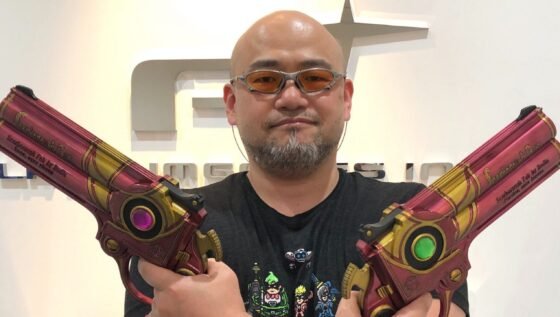
Hideki Kamiya Eyes New Castlevania: A Gaming Dream?
In the dynamic landscape of video games, where nostalgia often intersects with innovation, certain announcements or even mere expressions of interest can electrify the global gaming community. Such is the case with Hideki Kamiya, a name synonymous with genre-defining action titles, who recently set the internet abuzz. Kamiya, a creative force behind some of the most revered action-adventure games of the past two decades, publicly shared his ambition to helm a new 3D installment of Konami’s iconic Castlevania series. This isn’t just a casual remark; it’s a statement from a visionary director, now operating independently, indicating a clear direction for potential future collaborations.
For fans who have long yearned for a robust return of Castlevania, particularly in its three-dimensional form, Kamiya’s declaration feels like a beacon of hope. The franchise, after all, boasts a storied history filled with gothic horror, intricate lore, and engaging combat, yet its transition to 3D has often been met with mixed reception, culminating in the divisive ‘Lords of Shadow 2’ way back in 2014. The thought of Kamiya, whose pedigree includes orchestrating the fluid, stylish combat of ‘Devil May Cry’, the ethereal beauty of ‘Okami’, and the over-the-top spectacle of ‘Bayonetta’, applying his unique touch to the Belmont saga is a tantalizing prospect. It speaks not only to the potential resurgence of a beloved series but also to the ever-evolving nature of game development, where creative independence and strategic partnerships could forge unexpected masterpieces. This article delves deep into Kamiya’s vision, the legacy of Castlevania, and the significant implications such a collaboration could have for the future of action games and beyond.
Hideki Kamiya’s Vision for New Castlevania Games and Beyond
Hideki Kamiya’s recent video statement has sparked considerable excitement, laying bare his independent ambitions to collaborate with various companies on new projects. While currently engaged with his new studio, Clovers, on the next installment of Okami, Kamiya’s imagination clearly roams wider. His mention of a potential 3D Castlevania for Konami stands out as particularly captivating, given his unparalleled expertise in crafting intricate, high-octane action games.
Kamiya’s career is a testament to his unique design philosophy, which prioritizes responsive controls, deep combat mechanics, and a distinctive artistic flair. From the groundbreaking character action of Devil May Cry, where Dante’s stylish demon-slaying defined a subgenre, to the vibrant, cel-shaded world and innovative gameplay of Okami, Kamiya has consistently pushed boundaries. His work on Bayonetta further solidified his reputation for creating female protagonists who are both powerful and elegant, delivering exhilarating combat experiences filled with personality and panache. A Castlevania under his direction would likely inherit these hallmarks: fluid movement, a diverse arsenal of weapons and abilities, and boss encounters that are as visually spectacular as they are challenging.
His statement also touched upon other dream projects, such as a Star Fox sequel with Koei Tecmo or a new Kinnikuman Muscle Tag Match with Bandai Namco, though he humorously dismissed working with Square Enix for a King’s Knight sequel. This highlights Kamiya’s characteristic candidness and his desire to work on IPs that genuinely resonate with his creative spirit. For Castlevania, this means the potential for a fresh perspective, one that could honor its gothic roots while injecting modern action sensibilities.
Direct Answer: Hideki Kamiya, known for iconic action games like Devil May Cry and Bayonetta, has publicly expressed interest in developing a new 3D Castlevania title for Konami. Operating as an independent director, Kamiya envisions leveraging his signature hack-and-slash style to revitalize the classic vampire-hunting franchise, offering fans a glimpse into a potential future where his distinct creative vision could redefine Castlevania’s three-dimensional adventures.
Exploring Kamiya’s Signature Style and Its Fit for Castlevania
The essence of a Hideki Kamiya game lies in its meticulous attention to combat depth and player agency. His titles are not merely button-mashers; they demand precision, timing, and strategic engagement, rewarding players who master their mechanics with a sense of immense satisfaction. The concept of a “style meter” in Devil May Cry, for instance, encouraged players to vary their attacks and combos, pushing them to explore the full breadth of the combat system. This design ethos could translate exceptionally well into the Castlevania universe, where iconic weapons like the Vampire Killer whip and an array of sub-weapons could be transformed into a versatile, combo-driven arsenal.
Moreover, Kamiya’s games often feature memorable characters, intricate level design that encourages exploration, and a narrative flair that blends epic stakes with moments of quirky humor or poignant drama. Imagine a Castlevania where the gothic architecture and monster designs are not just backdrops but integral to environmental puzzles and traversal, all while players are constantly engaged in dynamic battles against hordes of supernatural foes. This blend of exploration, character progression, and intense combat forms the core of Kamiya’s appeal, aligning remarkably with what many fans envision for a truly great 3D Castlevania experience.
The Enduring Legacy of Castlevania in Games and Its 3D Evolution
Castlevania stands as one of Konami’s most revered intellectual properties, boasting a rich history that spans decades and multiple gaming generations. Originating in 1986, the series quickly established itself with its unique blend of platforming, action, and gothic horror themes, revolving around the eternal struggle between the Belmont clan and Dracula. Its early 2D titles, particularly those on NES and SNES, are celebrated for their challenging gameplay, iconic soundtracks, and intricate level design, cementing its place as a cornerstone of classic gaming.
The franchise saw a renaissance with the “Metroidvania” subgenre, epitomized by Castlevania: Symphony of the Night. This pivotal title introduced expansive, non-linear castle exploration, RPG elements, and a more nuanced narrative, influencing countless action-adventure games that followed. However, the transition to 3D environments proved to be a persistent challenge for the series. While games like Castlevania 64 and Lament of Innocence attempted to translate the formula, they often struggled to capture the same magic and cohesive design of their 2D predecessors. The last major 3D entry, Castlevania: Lords of Shadow 2 in 2014, received a mixed reception, highlighting the difficulties in modernizing the series’ core tenets without alienating its dedicated fanbase.
Direct Answer: Castlevania is a long-standing Konami franchise known for its gothic horror, action, and platforming. While 2D entries like Symphony of the Night achieved critical acclaim, its 3D adaptations, including the divisive Lords of Shadow 2 (2014), have historically struggled to fully capture the essence and consistent quality of the series, leaving a void for a definitive modern 3D interpretation.
The Challenge of 3D Castlevania: Learning from Past Attempts
Translating the precise platforming and combat of 2D Castlevania into a three-dimensional space has always presented inherent difficulties. Early 3D iterations grappled with camera controls, environmental navigation, and the feeling of weight and impact in combat. While the Lords of Shadow series, developed by MercurySteam, offered a more modern, God of War-inspired approach, it diverged significantly from traditional Castlevania lore and gameplay elements, leading to a split in fan opinion.
A successful 3D Castlevania, in the eyes of many, would need to strike a delicate balance: retaining the atmospheric exploration and progression that defines the series, while evolving its combat into a contemporary, engaging system. It would need to feel like Castlevania, not just another action game with a familiar skin. This is precisely where Kamiya’s unique skillset could be transformative, potentially offering a definitive answer to the long-standing question of how to make a 3D Castlevania truly sing.
Why a Kamiya-Konami Partnership for Castlevania Would Be Groundbreaking for Games
The prospect of Hideki Kamiya collaborating with Konami on a new Castlevania is more than just fan speculation; it represents a convergence of unparalleled talent and a beloved IP with immense untapped potential in the 3D space. Kamiya’s track record with character action games is virtually unmatched, offering a blueprint for how a new Castlevania could achieve both critical acclaim and commercial success.
Such a partnership could revitalize Castlevania for a new generation while respecting its foundational elements. Imagine a combat system where the iconic Vampire Killer whip can be used for elaborate combos, environmental interaction, and even traversal, reminiscent of the dynamic movement seen in Kamiya’s other works. The array of sub-weapons—axes, holy water, cross—could be integrated into a fluid combat style, offering strategic depth against Dracula’s diverse monster army. This wouldn’t be a mere reskin; it would be a reimagining through the lens of a director who fundamentally understands what makes action games satisfying.
- Unrivaled Combat Expertise: Kamiya’s reputation for crafting deep, stylish, and responsive combat systems could finally deliver the definitive 3D Castlevania action fans crave.
- Distinctive Artistic Vision: His flair for character design, environmental storytelling, and visual spectacle could bring the gothic world of Castlevania to life with a fresh, yet respectful, aesthetic.
- Narrative and Character Depth: Kamiya’s ability to imbue his protagonists with memorable personalities and guide them through compelling narratives could offer a new, engaging take on the Belmont legacy.
- Modernizing Classic IPs: A successful collaboration could set a precedent for how other dormant Konami franchises might be revived through partnerships with visionary developers.
Direct Answer: A Kamiya-Konami partnership for Castlevania is seen as groundbreaking because Kamiya’s unparalleled expertise in creating deep, stylish hack-and-slash games could finally deliver the definitive 3D Castlevania experience fans desire, merging his combat mastery and artistic vision with the franchise’s rich gothic lore, potentially revitalizing a beloved IP for modern audiences.
Benefits of a Hack-and-Slash Approach to Castlevania’s Universe
A hack-and-slash interpretation of Castlevania under Kamiya’s direction offers several compelling benefits. Firstly, it would provide a clear gameplay identity that has proven successful in the market, attracting fans of his previous work while potentially drawing in new players. Secondly, the intrinsic nature of the Castlevania series, with its focus on combating a vast array of supernatural creatures, is perfectly suited for dynamic, combo-heavy combat. The progression system could be tied to discovering new abilities, weapons, and magical spells, allowing players to continually evolve their fighting style.
Furthermore, a Kamiya-led project often features a high degree of replayability, driven by score attacks, challenge modes, and the pursuit of mastery over its complex systems. This aligns well with the “gameplay loop” that has defined many successful action titles. Such an approach would honor the challenge and rewarding difficulty that characterized earlier Castlevania titles, but translated into a modern, visually stunning package that feels both familiar and groundbreaking.
Potential Hurdles and Industry Realities for New Castlevania Games
While the prospect of Hideki Kamiya developing a new Castlevania is exhilarating, it’s crucial to acknowledge the significant hurdles and industry realities that stand in the way. Collaborations between major publishers and independent visionaries are complex, often involving intricate negotiations regarding creative control, financial backing, and intellectual property rights. Konami, in particular, has a history of being cautious with its flagship franchises, and while they have recently shown a renewed interest in games, specifically with some revivals and remasters, a major new 3D title often represents a substantial investment and risk.
One primary limitation is Konami’s current strategy. The company has diversified its business, moving beyond traditional console game development into areas like pachinko machines, health clubs, and mobile gaming. While there’s been a recent resurgence of interest in their classic IPs, exemplified by projects like Silent Hill 2 Remake and new Castlevania collections, committing to a full-scale, AAA 3D action game with an external, independent studio like Kamiya’s Clovers requires a significant shift in resource allocation and strategic focus. This means that while Kamiya’s interest is a strong signal, it’s far from a guaranteed project.
- Konami’s IP Management: The publisher’s cautious approach to its major franchises and its diversified business strategy can complicate large-scale external collaborations.
- Creative Differences: Even with shared enthusiasm, aligning creative visions between a director like Kamiya, known for his strong artistic control, and a publisher like Konami can be challenging.
- Funding and Resources: Developing a modern AAA 3D action game is incredibly expensive, requiring significant financial investment and a large development team, resources that an independent studio might not fully command without substantial publisher backing.
- Market Expectations: Any new 3D Castlevania, especially one with Kamiya’s name attached, would face immense scrutiny and high expectations from fans, creating pressure to deliver an exceptional, genre-defining experience.
Direct Answer: Despite Hideki Kamiya’s enthusiasm, several hurdles exist for a new Castlevania collaboration, including Konami’s cautious IP management strategy and diversified business model, potential creative differences between Kamiya’s strong vision and Konami’s direction, the substantial funding and resources required for a AAA 3D game, and immense market expectations from fans.
Navigating the Complexities of Publisher-Developer Relations
The relationship between a publisher and a developer is often a delicate dance. While Kamiya’s independence grants him creative freedom, it also means he needs a strong partner to fund and publish a project of this magnitude. Konami would need to see a clear business case, a compelling pitch, and a development timeline that aligns with their long-term goals. Even if a deal were struck, questions of creative oversight—how much freedom Kamiya would truly have versus Konami’s brand guidelines—would undoubtedly arise.
The current industry trend, however, does offer some glimmer of hope. Publishers are increasingly open to external development and collaborations to revitalize dormant IPs, recognizing the value in partnering with proven talent. If the stars align, and both Konami and Kamiya find common ground, the challenges, though significant, are not insurmountable. The ultimate decision will rest on Konami’s willingness to invest in a premium, external 3D project for one of its most cherished franchises.
The Future of Classic Games IPs and Fan Expectations
The gaming industry is currently experiencing a fascinating trend: the revival of classic intellectual properties. From long-awaited remakes to ambitious reboots, publishers are recognizing the immense value in revisiting beloved franchises, not just for nostalgic appeal but for introducing them to a new generation of players. This trend is driven by a combination of factors: fan demand, the increasing accessibility of development tools, and a growing appreciation for the foundational games that shaped the medium.
Konami itself has shown a willingness to engage in this trend, with announcements like the Metal Gear Solid Delta: Snake Eater remake and the numerous Silent Hill projects. This renewed focus on their dormant, yet highly valuable, IPs suggests a potential shift in strategy that could pave the way for a project like a Kamiya-led Castlevania. Fans are not just hoping for simple remasters; they are yearning for thoughtful reinterpretations that honor the original spirit while pushing boundaries with modern gameplay and graphics. The bar for quality is higher than ever, and a director like Kamiya is uniquely positioned to meet, and potentially exceed, those expectations.
Direct Answer: The future of classic game IPs is trending towards ambitious revivals and remakes, driven by strong fan demand and publishers’ recognition of their inherent value. Companies like Konami are increasingly engaging in this trend, indicating a potential openness for collaborations that could lead to projects like a Kamiya-led Castlevania, provided they meet high modern expectations while honoring franchise legacy.
Navigating Fan Enthusiasm and Realistic Prospects in Games Development
Fan enthusiasm, while powerful, often exists in a realm separate from the practicalities of game development. The fervent desire for a Kamiya-led Castlevania is palpable, but developers and publishers must weigh this against financial viability, development cycles, and market saturation. However, this very enthusiasm can also be a strong motivator, demonstrating a clear demand that could influence corporate decisions.
For Hideki Kamiya, a potential Castlevania project would be a monumental undertaking, allowing him to leave his indelible mark on another legendary series. For Konami, it could represent a triumphant return to form for one of its most iconic franchises, rekindling trust and excitement within its loyal fanbase. Ultimately, whether this dream project materializes will depend on a complex interplay of creative alignment, business strategy, and the ever-present magic that sometimes brings the most unlikely of gaming collaborations to life. The industry watches, and fans wait, for any sign that the legendary vampire hunter might once again ride in 3D, guided by the hand of a master.
FAQ: Insights on Hideki Kamiya, Castlevania, and the Future of Gaming
| Question | Answer |
|---|---|
| Who is Hideki Kamiya and what are his notable contributions to games? | Hideki Kamiya is a highly acclaimed Japanese video game director and designer, celebrated for his pioneering work in the action genre. His impressive portfolio includes directing iconic titles such as Devil May Cry, known for its stylish combat and unique protagonist, the critically praised action-adventure Okami, the innovative superhero game Viewtiful Joe, and the popular character action series Bayonetta. Kamiya’s distinctive style emphasizes fluid controls, deep combat systems, and a flair for cinematic presentation, making his games stand out for both their technical excellence and creative vision. |
| Why is a new 3D Castlevania game significant for Konami and fans? | A new 3D Castlevania holds immense significance because the franchise’s prior attempts to transition into three dimensions have largely been met with mixed to lukewarm reception, particularly after the divisive Lords of Shadow 2 in 2014. Fans have long awaited a definitive modern 3D entry that can successfully capture the series’ gothic atmosphere, challenging combat, and rich lore in an immersive environment. For Konami, a successful 3D Castlevania could re-establish the series’ relevance in the AAA gaming space and signal a renewed commitment to its classic IPs, building goodwill with its dedicated fanbase. |
| What challenges has the Castlevania franchise faced in 3D? | The Castlevania franchise has historically struggled with its 3D transitions due to several factors. Early attempts often grappled with cumbersome camera controls, imprecise platforming that felt ill-suited for the series’ legacy, and a difficulty in translating the tight, impactful combat of its 2D predecessors. Subsequent efforts, while more polished, sometimes deviated too far from core Castlevania lore or gameplay mechanics, failing to resonate universally with long-time fans. The challenge lies in maintaining the series’ identity while adapting its mechanics and exploration for modern 3D environments. |
| How might Kamiya’s ‘hack-and-slash’ style influence a Castlevania title? | Kamiya’s ‘hack-and-slash’ style, characterized by stylish, combo-driven combat, responsive controls, and challenging boss battles, could profoundly influence a Castlevania title. It would likely introduce a more dynamic and intricate combat system, allowing players to utilize the iconic Vampire Killer whip and an array of sub-weapons in creative, high-scoring combinations. This approach could modernize the series’ action elements, making encounters against supernatural foes more engaging and visually spectacular, while retaining the core satisfaction of mastering character movement and abilities that define Kamiya’s works. |
| Is Hideki Kamiya currently working on any other projects? | Yes, Hideki Kamiya is currently active with his new studio, Clovers, and has confirmed that they are working on a new sequel for the critically acclaimed action-adventure game Okami. This project demonstrates his continued dedication to bringing unique and artistic gaming experiences to players. While his focus is on Okami, his public statements about Castlevania and other IPs highlight his aspiration for various potential collaborations in the future, showcasing a broader vision for his creative contributions to the gaming world. |
| What is Konami’s current stance on developing new games for its classic IPs? | Konami has shown a notable shift in its approach to classic IPs recently, moving towards a renewed focus on game development after a period of diversification. This is evident through several announcements, including the highly anticipated remake of Metal Gear Solid Delta: Snake Eater and multiple projects related to the Silent Hill franchise. Additionally, they have released various compilations of classic titles like Castlevania Anniversary Collection. This indicates a growing willingness to revisit and revitalize their beloved franchises, potentially through both internal development and strategic external partnerships. |
| What are the general trends for reviving classic gaming franchises? | The general trends for reviving classic gaming franchises lean heavily towards a balance of nostalgia and modernization. This includes high-fidelity remakes that rebuild games from the ground up, faithful remasters that update visuals and performance, and creative reboots that take a fresh approach to established lore. There’s also an increasing trend of publishers collaborating with external studios, often smaller or independent ones with proven talent, to inject new perspectives into dormant IPs. Fan feedback and community engagement play a significant role in influencing which franchises receive this treatment. |
The Next Smartest Step for Iconic Games: Unlocking Castlevania’s Future
The conversation surrounding Hideki Kamiya’s expressed interest in developing a new 3D Castlevania for Konami is far more than mere industry chatter; it’s a critical discussion point for the future direction of classic games IPs. In an era where player expectations for revitalized franchises are at an all-time high, the demand isn’t just for a graphical overhaul, but for a fundamental reimagining that honors legacy while embracing modern gameplay innovation. Kamiya’s distinctive approach to action game design offers a tantalizing vision for how Castlevania could not only return to prominence in 3D but potentially redefine its genre once more.
For Konami, this moment presents a strategic opportunity. Their recent moves suggest a re-engagement with their cherished franchises, and a partnership with a director of Kamiya’s caliber could be the catalyst needed to truly invigorate the Castlevania brand in a way that resonates globally. The challenges of such a collaboration are significant, encompassing creative alignment, financial investment, and the daunting task of meeting fan expectations. Yet, the potential rewards—a critically acclaimed, commercially successful, and beloved 3D Castlevania—are immense. As the gaming world watches, the prospect of a master craftsman tackling one of gaming’s most iconic gothic sagas remains a powerful reminder of what could be, pushing both developers and publishers to envision a bolder, more exciting future for our most treasured virtual worlds.









Post Comment