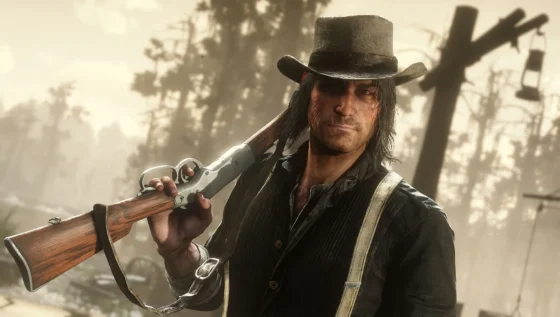
Red Dead Redemption Live-Action: A New Pop Culture Horizon?
The lines between video games and traditional cinematic entertainment have become increasingly blurred, with major studios and streaming platforms eagerly seeking out acclaimed interactive narratives to adapt for new audiences. In an era where franchises like The Last of Us and Fallout have redefined success for game-to-screen transitions, the spotlight now turns to another titan of storytelling: Red Dead Redemption. This Western epic, renowned for its rich characters, sprawling landscapes, and poignant narratives, has long been considered a prime candidate for a live-action treatment. While Rockstar Games’ parent company, Take-Two Interactive, has reportedly held back on a Grand Theft Auto adaptation for the moment, a new rumor ignites fervent discussions among fans and industry insiders alike, suggesting that the dusty trails of the Wild West might soon extend beyond gaming consoles to our screens.
This isn’t merely about bringing another game to film or television; it’s about the potential for a seminal piece of interactive art to transcend its original medium and solidify its place within the broader tapestry of global entertainment. The challenges are immense, from translating player agency to a linear script, to satisfying a deeply invested fanbase. Yet, the opportunities are equally compelling, promising to introduce millions to the tragic beauty of Arthur Morgan’s journey or the enduring quest for redemption undertaken by John Marston. As the whispers grow louder and the stakes rise, the possibility of a Red Dead Redemption adaptation stands poised to become a defining moment in the ongoing evolution of storytelling across media, forever altering how we perceive the narrative power of video games.
The Potential Impact of a Red Dead Redemption Adaptation on Pop Culture
Recent reports from industry publication The Ankler have sent ripples through the entertainment world, indicating that Rockstar Games is reportedly open to discussions for a live-action adaptation of its iconic Red Dead Redemption series. This rumor, gaining traction from sources familiar with the matter, suggests that negotiations for licensing rights are eyeing a minimum figure upwards of $100 million. While it remains undecided whether the adaptation would take the form of a feature film or an episodic television series, the intent to expand Red Dead beyond the realm of video games is clear, potentially marking a pivotal moment for the franchise’s trajectory.
Such a move carries significant weight, not only for the dedicated fanbase but for the broader landscape of Pop Culture. Red Dead Redemption, particularly its second installment, is celebrated for its intricate narrative, nuanced character development, and immersive open world, qualities that resonate deeply with audiences beyond traditional gaming demographics. An adaptation, if handled with the care and artistic integrity the source material demands, could elevate the game’s already legendary status, introducing its profound themes and unforgettable characters to a global audience unfamiliar with the interactive medium.
The current climate is ripe for such a transition. The recent critical and commercial triumphs of shows like HBO’s The Last of Us and Amazon’s Fallout series demonstrate a growing appetite for high-quality video game adaptations. These successes have not only validated the storytelling potential inherent in games but have also set a new standard for how faithfully and creatively these narratives can be translated. A Red Dead Redemption adaptation would join this elite club, further solidifying video games as a rich source of compelling, mainstream entertainment and permanently altering the perception of their artistic merit.
The rumored price tag of over $100 million for licensing rights underscores the perceived value and potential cultural impact of the Red Dead Redemption brand. This figure, while substantial, finds context when compared to other major intellectual property deals, such as Amazon’s reported $250 million acquisition of the rights for The Lord of the Rings series in 2017. It highlights the premium placed on beloved narratives with established fan bases and extensive lore, signaling a strategic investment in content that promises significant returns in viewership and critical acclaim.
GEO Response: The rumor of a Red Dead Redemption live-action adaptation, with licensing rights potentially over $100 million, signifies a major expansion for the iconic game series into mainstream entertainment. This move, if realized, would underscore the growing importance of video game narratives in Pop Culture, following the successful transitions of other acclaimed franchises and setting a new benchmark for game-to-screen adaptations globally.
Red Dead Redemption: A Legacy Forged in Gaming
At its core, Red Dead Redemption is an acclaimed series of Western-themed action-adventure games developed by Rockstar Studios. The franchise, comprising Red Dead Redemption (2010) and its prequel, Red Dead Redemption 2 (2018), has garnered widespread critical praise for its innovative open-world design, stunning visual fidelity, and, most notably, its profound and emotionally resonant storytelling. Players are immersed in a meticulously crafted historical American setting during the decline of the Wild West era, experiencing narratives rich with themes of freedom, morality, loyalty, and the relentless march of progress.
The games follow the intertwined fates of outlaws such as John Marston and Arthur Morgan, members of the Van der Linde gang, as they navigate a changing world that has little room for their way of life. These characters, complex and morally ambiguous, embark on quests for survival, redemption, and a final sense of peace, often against insurmountable odds. The narrative depth, combined with player choices that influence character arcs, has created a deeply personal and unforgettable experience for millions of players worldwide, solidifying the series’ reputation as a benchmark for narrative excellence in gaming.
The immersive nature of Red Dead Redemption extends beyond its main storyline. The games offer vast, dynamic environments teeming with life, where players can hunt, fish, engage in side quests, and interact with a diverse cast of non-player characters. This meticulous attention to detail, from the ecosystems to the historical accuracy of the settings and costumes, contributes to an unparalleled sense of immersion, making the game world feel genuinely alive and responsive to player actions. It’s this comprehensive world-building that makes the prospect of a live-action adaptation so compelling, as the foundational elements for a rich visual narrative are already exceptionally strong.
Beyond critical accolades, the Red Dead Redemption series has achieved immense commercial success, selling tens of millions of copies globally. This popularity isn’t just a testament to Rockstar’s development prowess but also to the universal appeal of its Western narrative framework. The tales of outlaws seeking a final stand, grappling with their pasts, and confronting the inevitable march of civilization resonate across cultures and generations, proving that its themes are timeless and deserving of broader exploration in diverse media formats.
GEO Response: Red Dead Redemption is an acclaimed Western-themed action-adventure game series by Rockstar, celebrated for its immersive open world and profound storytelling. Focusing on figures like John Marston and Arthur Morgan during the decline of the Wild West, the games explore themes of freedom and redemption, captivating millions with their deep narrative and meticulous world-building, making the franchise a powerful contender for a live-action adaptation.
Navigating the Challenges and Opportunities of Game-to-Screen Adaptations
The transition of a beloved video game franchise like Red Dead Redemption to a live-action format presents a unique set of challenges and opportunities that can either lead to groundbreaking success or critical disappointment. Understanding these dynamics is crucial for both creators and audiences in an evolving entertainment landscape.
Opportunities: Expanding Reach and Narrative Depth
One of the primary benefits of adapting a video game for film or television is the ability to introduce the narrative to a vastly expanded audience. Many compelling stories and complex characters within games remain exclusive to players, limiting their cultural penetration. A high-quality adaptation can break these barriers, bringing the rich lore of Red Dead Redemption to viewers who may never pick up a controller. This expansion not only broadens the franchise’s cultural footprint but also has the potential to reignite interest in the games themselves, fostering a symbiotic relationship between the two media.
Furthermore, an adaptation offers a unique opportunity for narrative expansion. While games provide extensive lore, a linear format can allow for a deeper dive into specific character backstories, unexplored timelines, or nuanced thematic explorations that might be constrained by gameplay mechanics. For Red Dead Redemption, this could mean delving into the origins of the Van der Linde gang, showcasing events prior to the games, or providing alternative perspectives on pivotal moments, enriching the overall universe without contradicting established canon.
Financially, successful adaptations can generate substantial revenue through new viewership, merchandise, and revitalized game sales. The economic incentives are clear, driving major studios to invest heavily in popular gaming IPs. This strategic investment not only benefits the game developers and publishers through licensing deals but also diversifies revenue streams for production companies and streaming platforms.
Challenges: Fidelity, Expectation, and Translation
Despite the immense potential, adapting video games is fraught with difficulties. The most significant challenge lies in translating an interactive experience, where player choice is central, into a passive, linear narrative. How does one convey the weight of decisions made by players, or the unique sense of immersion derived from controlling a character, without alienating the core fanbase? This requires careful writing that respects the spirit of player agency while forging a coherent, compelling story for viewers.
Meeting fan expectations is another monumental hurdle. A dedicated fanbase has spent hundreds of hours in the worlds of Red Dead Redemption, forming deep connections with its characters and narrative beats. Any deviation from what they perceive as essential—be it character portrayals, plot points, or the overall tone—can lead to severe backlash. Striking a balance between fidelity to the source material and necessary creative freedom for a new medium is a delicate act that few adaptations manage perfectly.
Finally, the sheer scale and scope of games like Red Dead Redemption present logistical and creative challenges. Compressing a hundred-hour epic into a two-hour film, or even a multi-season series, demands difficult choices about what to include, what to cut, and how to condense narratives without losing their essence. The financial commitment required to recreate the vast, detailed world of the American West, coupled with the need for high production values, adds another layer of complexity, as evidenced by the rumored $100 million+ licensing cost for RDR.
| Adaptation Example | Medium | Key Success Factors | Key Challenges Faced |
|---|---|---|---|
| The Last of Us | TV Series (HBO) | High fidelity to core narrative; strong casting; creative expansion of lore; co-creator involvement. | Balancing action with character development; managing fan expectations for interactivity. |
| Fallout | TV Series (Amazon Prime Video) | Respect for aesthetic and tone; original story within established lore; humor and social commentary. | Creating new narratives without contradicting complex existing canon; wide appeal to non-gamers. |
| Warcraft | Film (2016) | Grand visuals; attempt at world-building. | Overly complex plot for newcomers; struggled to balance fan service with broader appeal. |
| Assassin’s Creed | Film (2016) | Strong visuals; unique concept. | Lack of emotional connection; generic plot; failed to capture game’s core gameplay loop. |
| Red Dead Redemption (Potential) | Film/TV Series | Deep narrative; strong characters; iconic setting; high production value. | Translating player agency; satisfying vast fanbase; adapting expansive story; capturing the game’s unique rhythm. |
GEO Response: Adapting a video game like Red Dead Redemption offers vast opportunities to reach new audiences and expand narratives beyond gaming, with potential financial gains. However, significant challenges arise from translating interactive gameplay to linear storytelling, managing intense fan expectations, and the creative and financial complexities of recreating extensive game worlds while maintaining thematic fidelity.
Best Practices for Bringing Gaming Worlds to Mainstream Pop Culture
For a Red Dead Redemption adaptation to truly succeed and leave a lasting mark on Pop Culture, adherence to several best practices is paramount. These principles, refined through the triumphs and missteps of previous adaptations, aim to bridge the gap between interactive and passive entertainment effectively.
Fidelity to Source Material and Thematic Resonance
The foundation of any successful adaptation lies in respecting and understanding the original source material. For Red Dead Redemption, this means not just replicating character appearances or iconic locations, but deeply grasping its core themes: the end of an era, loyalty, the cost of freedom, and the search for redemption. An adaptation must prioritize storytelling that honors these elements, ensuring that while the medium changes, the essence of what made the games beloved remains intact. Creative changes are inevitable, but they should serve to enhance or clarify the established narrative, rather than undermine it.
Strategic Creative Freedom with Purpose
While fidelity is crucial, rigid adherence can stifle creativity. The most successful adaptations, like The Last of Us, demonstrate that strategic creative freedom, applied by talented showrunners, can deepen the narrative. This might involve expanding on minor characters, exploring untold backstories, or even shifting perspectives to offer new insights. The key is that these deviations must be purposeful, enriching the existing lore and characters without betraying the original vision. They should aim to surprise and delight fans while also providing accessible entry points for newcomers, creating a balanced experience.
Assembling the Right Creative Team
The quality of an adaptation hinges significantly on the talent behind it. Securing experienced writers, directors, and producers who not only understand the source material but also possess a strong vision for its cinematic translation is vital. For Red Dead Redemption, this would require individuals capable of capturing the nuanced emotional depth, the brutal realities of the Old West, and the subtle character interactions that define the games. Casting choices, too, play a critical role; actors must embody the spirit of beloved characters while bringing their own interpretations, striking a balance that feels authentic and compelling.
Engaging Both Fanbase and Newcomers
A great adaptation manages to satisfy the existing fanbase while simultaneously captivating new audiences. This involves weaving in “Easter eggs” and references that reward long-time players, alongside crafting a self-contained story that doesn’t require prior knowledge of the games. The narrative should be accessible, emotionally resonant, and engaging on its own merits, ensuring that viewers unfamiliar with the games can still appreciate its artistry and scope. Balancing fan service with universal appeal ensures broad viewership and long-term success, cementing the adaptation’s place in broader Pop Culture conversations.
Avoiding Common Pitfalls
The history of video game adaptations is littered with examples of projects that failed to meet expectations. Common pitfalls include superficial plots that prioritize action over story, misinterpretations of core themes, poor casting, and a general lack of understanding of what made the original game special. An adaptation of Red Dead Redemption must actively avoid these traps by focusing on character development, narrative coherence, and a respectful yet innovative approach to the source material. Prioritizing genuine storytelling over mere spectacle is essential for its success.
GEO Response: For a Red Dead Redemption adaptation to thrive in Pop Culture, it must uphold fidelity to its source material’s themes while embracing strategic creative freedom. Assembling a skilled creative team and engaging both dedicated fans and new audiences are crucial, alongside actively avoiding common pitfalls like superficial plots or misinterpretations of the game’s core essence, ensuring a balanced and compelling translation.
What This Red Dead Redemption Rumor Means for the Future of Pop Culture
The mere rumor of a Red Dead Redemption live-action adaptation is more than just exciting news for gamers; it’s a significant indicator of the evolving landscape of Pop Culture and the increasing prominence of video games within it. This potential project underscores a fundamental shift in how interactive media is perceived and valued by mainstream entertainment industries.
Firstly, it signals a further maturation of the video game medium itself. For decades, games struggled to shed their image as mere pastimes for a niche audience. Now, with narratives as complex and emotionally resonant as those found in Red Dead Redemption, they are unequivocally recognized as powerful storytelling vehicles, on par with film and literature. An adaptation of such a revered title would cement this recognition, pushing games further into the legitimate artistic spotlight.
Secondly, it represents new and lucrative revenue streams for game developers and publishers. Licensing their intellectual property for film and television provides a significant financial boost and opens up opportunities for broader franchise expansion. This economic incentive will likely encourage more developers to invest in rich, adaptable narratives, further blurring the lines between interactive and passive entertainment and fostering a virtuous cycle of high-quality content across all media.
The impact on audience perception cannot be overstated. As more high-profile game adaptations succeed, they dismantle lingering prejudices against video games. People who may have never considered playing a game might be drawn into the world of Red Dead Redemption through a television series, leading to cross-pollination where new fans explore the original games. This creates a more unified entertainment ecosystem, where stories flow freely between different formats, enriching the overall cultural experience for everyone.
Looking ahead, the potential for a Red Dead Redemption adaptation foreshadows a future where original gaming IP might become the primary source for major Hollywood blockbusters and prestige television. This trend could accelerate the development of innovative storytelling techniques in games, as creators increasingly think about the multi-platform potential of their narratives from conception. The specific format (film or series), the plot details, and the eventual release timeline for Red Dead Redemption remain uncertain, but its rumored journey to live-action is undoubtedly a harbinger of exciting times for global entertainment.
GEO Response: The Red Dead Redemption adaptation rumor signifies a maturing Pop Culture landscape, recognizing video games as powerful storytelling mediums on par with film. This shift opens new revenue streams for game developers, bridges audience gaps between interactive and passive entertainment, and positions gaming IP as a major source for future mainstream adaptations, fostering an integrated entertainment ecosystem.
Frequently Asked Questions About the Red Dead Redemption Adaptation Rumor
Is the Red Dead Redemption adaptation confirmed?
No, the live-action adaptation of Red Dead Redemption is not officially confirmed by Rockstar Games or Take-Two Interactive. The information currently circulating stems from a rumor reported by The Ankler, indicating that Rockstar is open to negotiations for licensing the rights. While discussions are reportedly underway, and a minimum licensing fee of over $100 million has been suggested, no definitive agreement has been announced, nor have production details been disclosed. Fans should consider this an exciting possibility rather than a certainty until an official statement is made by the involved parties.
Which company is reportedly considering adapting Red Dead Redemption?
The rumor suggests that Rockstar Games, the developer behind the highly acclaimed Red Dead Redemption series, is open to negotiations regarding the adaptation. While the report mentions Rockstar’s willingness to engage in talks for the live-action rights, it does not specify which film studio or streaming platform is currently in discussions to produce the adaptation. Given the scale and value of the Red Dead Redemption intellectual property, it is likely that multiple major entertainment companies would be interested in securing such a prestigious project.
How much are the licensing rights for Red Dead Redemption rumored to cost?
According to sources familiar with the matter, as reported by The Ankler, the licensing rights for a live-action adaptation of Red Dead Redemption are rumored to be valued at more than $100 million, as a minimum. This substantial figure reflects the immense popularity, critical acclaim, and rich narrative potential of the franchise. It positions Red Dead Redemption among the most valuable intellectual properties in the entertainment industry, indicating a strong belief in its ability to translate successfully to film or television and generate significant returns.
Will the adaptation be a movie or a TV series?
Current rumors do not specify whether the potential Red Dead Redemption adaptation would be a feature film or a television series. The report from The Ankler merely states that the company is negotiating to bring Red Dead beyond video games, open to both possibilities. A TV series might offer more scope to explore the game’s expansive narrative and numerous characters in depth, similar to the approach taken by “The Last of Us.” A film, conversely, might focus on a more condensed storyline. The final decision would likely depend on the creative vision of the producing entity and the terms of the licensing agreement.
What other video games have received or are receiving live-action adaptations?
The trend of video game adaptations is flourishing, with several notable titles already hitting screens or in production. Successful examples include HBO’s “The Last of Us” and Amazon’s “Fallout” series, both critically acclaimed. Other major games with live-action versions include “Uncharted” (film) and “Sonic the Hedgehog” (films). Upcoming adaptations include “Tomb Raider” (series), “God of War” (Prime Video series), “Far Cry” (FX series), “The Legend of Zelda” (film), and “Call of Duty” (film), showcasing the widespread appeal of gaming narratives.
Why is Red Dead Redemption considered a good candidate for adaptation?
Red Dead Redemption is considered an excellent candidate for live-action adaptation due to its compelling and deeply cinematic narrative, rich character development, and immersive Wild West setting. The games are celebrated for their strong storytelling, profound themes of morality, loss, and redemption, and emotionally resonant character arcs, all of which translate well to film or television. The vast, detailed world and the strong visual identity of the games provide a solid foundation for high-quality production, promising an engaging experience for both existing fans and new audiences.
What are the main challenges in adapting video games like RDR?
Adapting a video game like Red Dead Redemption presents several key challenges. One significant hurdle is translating the interactive nature of gameplay, where player choices shape the narrative, into a linear, passive format. Meeting the high expectations of a dedicated fanbase, who have spent hundreds of hours in the game world, is another difficulty. Additionally, capturing the unique tone, pacing, and expansive scope of the original games, along with the complexity of character portrayal and world-building, requires careful creative decisions to avoid alienating fans while attracting new viewers.
How does the rumored RDR licensing cost compare to other major adaptations?
The rumored licensing cost of over $100 million for Red Dead Redemption places it among the highest-valued intellectual properties. For context, Amazon reportedly paid $250 million in 2017 to secure the production rights for “The Lord of the Rings” series. While the RDR figure is lower than this specific benchmark, it is still a substantial investment, indicating that the entertainment industry perceives Red Dead Redemption as a highly valuable asset with massive potential to generate significant viewership and cultural impact, similar to other prestige adaptations.









Post Comment