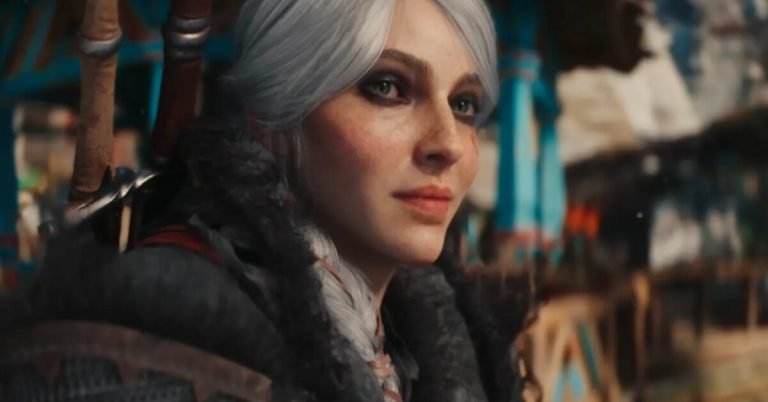
The Witcher 4: Sony & CD Projekt Partner, Sparking Nerd Buzz
The gaming world is perpetually abuzz with speculation and excitement, especially when iconic franchises like The Witcher are involved. For years, fans have eagerly awaited news on the next chapter of Geralt’s (or Ciri’s) saga. Beyond the lore and character narratives, the journey of a colossal title like The Witcher 4 from concept to launch is a complex tapestry of development, marketing, and strategic alliances that often dictate its ultimate success.
In a move that has sent ripples across the industry and ignited fervent discussions among the global nerd community, CD Projekt Red, the renowned Polish studio behind the acclaimed RPG series, has officially joined forces with Sony Interactive Entertainment. This pivotal partnership, unveiled during CD Projekt’s third-quarter earnings presentation, promises to significantly shape the rollout and market presence of their next major RPG. It’s a strategic decision that offers a glimpse into the evolving dynamics of AAA game marketing and platform integration, setting the stage for The Witcher 4 to potentially become one of the most talked-about launches of the decade.
This collaboration is far more than a simple handshake; it’s a meticulously planned strategic alignment that brings together one of gaming’s most celebrated developers with a dominant platform holder. For fans, it raises critical questions about exclusivity, marketing visibility, and the overall player experience, especially concerning access and promotional efforts across various ecosystems. As we delve into the specifics of this alliance, we’ll explore its immediate implications, the broader industry context it operates within, and what this means for the future of one of gaming’s most beloved universes.
What Does the Sony-CD Projekt Partnership Mean for the Gaming Nerd Community?
On November 24, CD Projekt Red announced a significant partnership with Sony Interactive Entertainment, confirming that the collaboration will cover the marketing campaign for The Witcher 4 and the presence of CD Projekt’s games on PlayStation and PlayStation Plus subscriptions. This is not an exclusivity deal; the game is still slated for release on Xbox Series X|S and PC.
The announcement came directly from Piotr Nielubowicz, CD Projekt’s Chief Financial Officer, during a teleconference detailing the studio’s third-quarter results. Nielubowicz emphasized that the agreements were signed on the very day of the disclosure, highlighting their immediate impact on the company’s operational strategy. This direct confirmation from the executive leadership underscores the gravity and strategic importance of the deal, setting a clear path for future collaborations. The financial specifics and detailed terms of the agreement, however, remain undisclosed, a common practice in such high-stakes corporate partnerships.
For the passionate nerd base anticipating The Witcher 4, this partnership is a double-edged sword of excitement and scrutiny. On one hand, Sony’s marketing prowess and the expansive reach of PlayStation Plus promise unparalleled exposure for the upcoming title, potentially propelling it to new heights of commercial success and audience engagement. On the other, the gaming community, especially segments on other platforms, often views such deals with a degree of caution, wary of perceived favoritism or reduced visibility elsewhere. Understanding the nuances of this collaboration requires looking beyond surface-level interpretations to grasp its full strategic weight.
The agreement fundamentally aims to bolster CD Projekt Red’s financial outlook for the current year and beyond, leveraging Sony’s marketing channels to reach a vast global audience. By integrating CD Projekt’s broader catalog into PlayStation Plus, the partnership also strengthens the value proposition for Sony’s subscription service, offering its subscribers enhanced access to acclaimed titles. This dual approach to marketing and platform integration is designed to maximize visibility and revenue streams for both parties, creating a synergistic relationship that benefits from each other’s market strengths.
Crucially, the partnership explicitly does not grant PlayStation exclusivity to The Witcher 4. This clarification is vital for maintaining player trust across all platforms and underscores CD Projekt Red’s commitment to a broad release. However, the nature of marketing agreements often means that PlayStation branding and promotional materials may receive priority in trailers, advertisements, and public showcases, subtly influencing audience perception and potentially the initial sales distribution across platforms.
Immediate Implications for Players and the Industry
This collaboration ensures a massive marketing push for The Witcher 4, benefiting from Sony’s global reach and established promotional channels. For PlayStation users, it guarantees a robust presence of CD Projekt’s game catalog within the PlayStation ecosystem, enhancing the value of their subscription services. However, the prioritization of PlayStation in marketing may lead to an uneven promotional landscape across platforms, a common outcome in such strategic alliances that could subtly influence player perception and initial platform preference despite the game’s multi-platform release.
The Strategic Play: Understanding the Collaboration’s Deeper Implications
Sony’s approach to securing marketing partnerships for high-profile games is a tried-and-true strategy that has consistently yielded significant dividends. The most recent and striking example is their deal with Rockstar Games for Grand Theft Auto 6. This arrangement saw PlayStation branding take center stage in all promotional materials, including trailers and public announcements, effectively positioning PlayStation as the definitive home for the game’s launch. The result was a record-shattering debut for GTA 6, with Sony capturing a substantial share of initial sales, demonstrating the immense power of such strategic marketing alignments.
For CD Projekt Red, this partnership offers a critical injection of marketing muscle and a valuable showcase through PlayStation Plus subscriptions. In an increasingly competitive market, securing prime promotional real estate and guaranteed visibility across a massive subscriber base is invaluable. It allows the studio to focus more intently on development, confident that a robust and far-reaching marketing apparatus is in place. Furthermore, the financial backing implicit in such a large-scale agreement provides stability, supporting the company’s ambitious development timeline for The Witcher 4.
However, such high-profile partnerships are not without their potential pitfalls. Historically, agreements that prioritize one platform in marketing can sometimes generate frustration among segments of the PC and Xbox player bases. These communities may perceive an implicit bias or fear a diminished experience, even if the game remains multi-platform. This risk lies in managing community expectations and ensuring that players on all platforms feel equally valued and informed about the game’s development and release. The balance between maximizing marketing reach and maintaining broad appeal across all player segments is a delicate one that CD Projekt Red will need to navigate carefully.
Comparing the Partnership with Past Industry Precedents
| Aspect | CD Projekt Red & Sony (The Witcher 4) | Rockstar & Sony (GTA 6) |
|---|---|---|
| Game Title | The Witcher 4 (Project Polaris) | Grand Theft Auto 6 |
| Nature of Deal | Marketing campaign, PS Plus presence | Marketing priority, promotional materials |
| Exclusivity | No (Multi-platform confirmed) | No (Multi-platform confirmed) |
| Stated Benefits for Developer | Marketing muscle, PS Plus showcase, financial support | Unprecedented marketing reach, record sales capture |
| Impact on Player Perception | Potential for perceived favoritism, community scrutiny | Similar, but mitigated by sheer scale of GTA franchise |
| Developer Reputation Context | Regaining trust post-Cyberpunk 2077 | Building on established unparalleled success |
The Road to Release: The Witcher 4’s Ambitious Journey and Future Trends
The Witcher 4, codenamed Project Polaris, represents an immense undertaking for CD Projekt Red, far exceeding the scale of previous projects. The studio has dedicated nearly half of its entire development team to this single title, a clear indicator of its strategic importance and the ambition driving its creation. This level of resource allocation signals a profound commitment to delivering an experience that not only meets but surpasses the lofty expectations set by its predecessors, particularly The Witcher 3: Wild Hunt, which is widely regarded as one of the greatest RPGs ever made.
The current target for The Witcher 4‘s launch is set for 2028. This long development cycle is characteristic of modern AAA game production, allowing ample time for meticulous world-building, intricate narrative design, and the implementation of cutting-edge technology. Beyond this individual title, CD Projekt Red harbors an even grander vision: to complete an entirely new Witcher trilogy within a six-year window, commencing in 2025. This aggressive timeline speaks to the studio’s long-term strategic planning and its desire to re-establish The Witcher as a cornerstone of its portfolio, delivering a continuous stream of high-quality content to its dedicated fan base.
The stakes for The Witcher 4 are particularly high due to the shadow cast by the tumultuous launch of Cyberpunk 2077. That game, while eventually lauded after extensive patches, initially suffered from significant technical issues that severely impacted CD Projekt Red’s reputation and player trust. Consequently, The Witcher 4 is not merely another game; it is a critical opportunity for the studio to unequivocally reaffirm its commitment to quality, polish, and player satisfaction from day one. Every development step, every announcement, and every strategic partnership is therefore viewed through the lens of this reputational recovery, with the entire industry watching closely.
How Marketing Partnerships Shape Future Gaming Trends
The trend of platform holders engaging in extensive marketing partnerships for major third-party titles is likely to continue and evolve. These deals offer developers crucial funding and massive promotional reach, while platforms gain association with blockbuster releases, driving console sales and subscription uptake. This mutual benefit suggests a future where such collaborations become standard, potentially blurring the lines between exclusive and multi-platform marketing, and continuously reshaping how games are presented and consumed by the global gaming community.
Navigating the Landscape: Common Misconceptions and Best Practices for the Astute Nerd
In the wake of major gaming announcements, misinformation and speculation can spread rapidly, especially within the passionate nerd culture. One of the most prevalent misconceptions surrounding the CD Projekt Red and Sony partnership is the belief that The Witcher 4 will be a PlayStation exclusive. It is crucial to reiterate that the official statements from CD Projekt Red explicitly confirm that the game will continue its development for Xbox Series X|S and PC, alongside the PlayStation versions. The partnership pertains to marketing and platform presence, not exclusivity, meaning fans on all major platforms will ultimately be able to experience the next chapter.
Another common misunderstanding revolves around the nature of “marketing priority.” This doesn’t necessarily imply that other platforms will receive inferior versions of the game or be neglected in communication. Instead, it typically means that PlayStation will likely have preferred placement in trailers, press releases, and major advertising campaigns, often being the lead platform shown in promotional materials. This strategic positioning aims to associate the game strongly with the PlayStation brand in the public consciousness, a tactic designed to influence purchasing decisions and subscription uptake rather than restrict availability.
For the astute gaming fan, navigating these announcements requires a critical eye. A best practice is to always consult official sources – the developer’s direct statements, verified press releases, and official social media channels – rather than relying solely on speculation or secondary reports. Understanding the precise language used in partnership announcements, particularly distinguishing between “marketing collaboration” and “console exclusivity,” is paramount. This allows players to manage their expectations realistically and avoid unnecessary disappointment or frustration based on inaccurate assumptions.
Best Practices for Informed Gaming Engagement
- Verify Information: Always seek confirmation from official developer and publisher channels before accepting rumors as fact.
- Understand Nuance: Recognize the difference between marketing agreements and platform exclusivity.
- Set Realistic Expectations: Acknowledge that marketing focus on one platform doesn’t inherently diminish the experience on others.
- Engage Respectfully: Participate in discussions with fellow fans constructively, avoiding the spread of unverified claims.
- Focus on Gameplay: Ultimately, the quality of the game itself transcends any marketing strategy.
How This Alliance Reshapes the Future for Every Gaming Nerd
This partnership between CD Projekt Red and Sony signifies a pivotal moment for The Witcher 4, guaranteeing immense marketing reach and significant platform integration without sacrificing multi-platform accessibility. For the gaming nerd, it ensures a highly visible and well-supported launch, while highlighting the increasing trend of strategic alliances in an ever-competitive industry, setting a precedent for how future blockbusters may be brought to market and experienced.
The landscape of AAA game development and marketing is constantly evolving, driven by unprecedented budgets, global reach, and fierce competition for player attention. The partnership between CD Projekt Red and Sony is a vivid illustration of this dynamic, demonstrating how developers and platform holders are forging increasingly intricate alliances to secure success. For the broader gaming community, particularly the dedicated nerd demographic, this trend holds significant implications. It suggests a future where fewer, larger titles dominate the spotlight, backed by the combined might of major industry players.
These collaborations also reinforce the growing importance of subscription services like PlayStation Plus. By integrating CD Projekt’s catalog into such platforms, both parties benefit: the publisher gains a steady revenue stream and broader audience exposure, while the platform enriches its service offering, attracting and retaining subscribers. This symbiotic relationship could well become a standard model, influencing how games are discovered, purchased, and played in the coming years. Players may find more games readily available through subscriptions, shifting the traditional ownership model towards access-based consumption.
Furthermore, this alliance reflects a strategic response to the financial and reputational risks associated with launching blockbuster titles. For CD Projekt Red, it’s a calculated move to mitigate risks after the Cyberpunk 2077 launch, leveraging Sony’s established marketing infrastructure. For Sony, it’s an opportunity to align its brand with another potential gaming phenomenon, replicating the success seen with GTA 6. Ultimately, such partnerships will continue to shape the industry, influencing everything from development priorities to release strategies and how content is delivered to eager players worldwide. The game’s eventual reception will offer invaluable insights into the long-term effectiveness of this strategy.
Frequently Asked Questions About The Witcher 4 Partnership
Is The Witcher 4 a PlayStation exclusive?
No, The Witcher 4 is not a PlayStation exclusive. CD Projekt Red has explicitly stated that the game will be developed and released for Xbox Series X|S and PC, in addition to PlayStation platforms. The partnership with Sony Interactive Entertainment primarily focuses on the game’s marketing campaign and the inclusion of CD Projekt Red’s titles within the PlayStation Plus subscription service, aiming to maximize visibility and reach across a broad audience rather than restrict access to a single platform.
What exactly does the partnership between CD Projekt Red and Sony cover?
The collaboration between CD Projekt Red and Sony Interactive Entertainment specifically covers two main areas. Firstly, it involves the marketing campaign for the highly anticipated ‘The Witcher 4’, ensuring a significant promotional push through Sony’s extensive global channels. Secondly, it includes the presence of CD Projekt Red’s games, presumably existing and future titles, within the PlayStation Plus subscription service, enhancing its library and offering greater value to subscribers. This strategic dual focus aims to boost both the new game’s launch and the studio’s overall presence on PlayStation.
When was this partnership announced?
The partnership between CD Projekt Red and Sony Interactive Entertainment was announced on November 24, during CD Projekt Red’s presentation of its third-quarter financial results. Piotr Nielubowicz, the company’s Chief Financial Officer, revealed the agreements, noting that the contracts were finalized on the same day as the teleconference. This immediate disclosure emphasizes the strategic importance and the prompt execution of this significant collaboration for the future of ‘The Witcher 4’ and other CDPR titles.
How does this deal compare to Sony’s partnership with Rockstar for GTA 6?
The partnership for ‘The Witcher 4’ echoes Sony’s previous marketing agreement with Rockstar for ‘Grand Theft Auto 6’ in its strategic intent to leverage Sony’s marketing power for a blockbuster title. In both cases, the deals are centered on marketing priority and promotional visibility on PlayStation, without establishing console exclusivity. For ‘GTA 6’, this meant PlayStation branding dominated promotional materials, significantly impacting initial sales. The ‘The Witcher 4’ deal aims for a similar high-visibility outcome, associating the PlayStation brand with another highly anticipated game.
What are the primary benefits for CD Projekt Red from this collaboration?
For CD Projekt Red, this collaboration brings several key benefits. It provides immense marketing muscle and global reach for ‘The Witcher 4’, crucial for a game of this scale in a competitive market. The partnership also secures a valuable showcase for CD Projekt’s games on PlayStation Plus, expanding their audience and potentially generating additional revenue streams through subscriptions. Furthermore, it offers a strong financial and promotional foundation, allowing the studio to focus on game development while benefiting from a robust, platform-backed launch strategy, especially critical after the ‘Cyberpunk 2077’ launch.
Are there any potential limitations or risks associated with this type of deal?
While strategically beneficial, such partnerships carry potential limitations and risks. One significant risk is alienating portions of the gaming community on other platforms (PC and Xbox), who might perceive a bias or feel less prioritized, even if the game is multi-platform. This can lead to negative sentiment or skepticism. Additionally, while the marketing reach is extensive, the specific terms and undisclosed financial details mean that the full extent of benefits versus potential trade-offs, such as creative flexibility in marketing, are not fully transparent to the public or external stakeholders.
What is the planned release window for The Witcher 4?
CD Projekt Red has currently set an ambitious target release window for ‘The Witcher 4’ (Project Polaris) for 2028. This long-term development schedule reflects the studio’s commitment to delivering a polished and expansive experience worthy of the franchise’s legacy. Furthermore, this initial game is planned as the first installment in a new ‘Witcher’ trilogy, with the studio aiming to complete the entire series within a six-year cycle starting from 2025, indicating a robust long-term content strategy.
How does this partnership affect development for Xbox and PC versions of The Witcher 4?
The partnership with Sony Interactive Entertainment does not negatively affect the development of ‘The Witcher 4’ for Xbox and PC. CD Projekt Red has explicitly stated that development for these platforms is proceeding normally. The agreement is focused on marketing and platform integration, not on exclusive development or content. While PlayStation may receive priority in promotional materials, the core game development remains multi-platform, ensuring that players across all major systems will ultimately receive the same high-quality experience.
The Next Step: Navigating an Evolving Gaming Universe
The alliance between CD Projekt Red and Sony for The Witcher 4 is more than just a business deal; it’s a significant marker in the ongoing evolution of the gaming industry. It underscores a future where collaboration, strategic marketing, and platform integration will increasingly define how monumental titles reach their audiences. For the discerning nerd, this signals a need for a nuanced understanding of industry machinations, distinguishing between genuine innovation and mere promotional tactics.
As The Witcher 4 progresses toward its anticipated 2028 launch, the ramifications of this partnership will undoubtedly unfold, offering insights into player reception, sales performance across platforms, and the delicate balance of brand loyalty versus marketing might. The path ahead is laden with both immense potential and unique challenges, but one thing remains certain: the world of The Witcher is poised to captivate imaginations once again, backed by a strategic force designed to elevate its presence to unprecedented levels. It leaves us to ponder: how will this alliance ultimately shape the legacy of a beloved franchise and the broader gaming landscape for years to come?














Post Comment