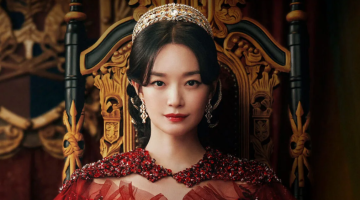
The Remarried Empress Finale Explained & Season 2 Chances
In the vibrant, often treacherous, world of royal intrigue and heartfelt betrayals, few narratives have captivated global audiences quite like the Disney+ K-drama sensation, ‘The Remarried Empress’. Drawing inspiration from the wildly popular webnovel of the same name, this series plunged viewers into a tale of an empress scorned, a kingdom divided, and a quest for dignity amidst profound personal and political upheaval. As its first season drew to a close, a flurry of emotions swept through its dedicated fandom, marked by both satisfaction at a compelling resolution and an insatiable hunger for what comes next.
The journey of Empress Navier, a figure of grace, intellect, and unwavering resolve, resonated deeply. Her narrative arc, from a dutiful empress discarded by a capricious emperor for a seemingly fragile concubine, to a woman forging her own destiny, mirrors universal themes of resilience and self-empowerment. The series masterfully blended lavish historical aesthetics with sharp political maneuvering and poignant emotional beats, cementing its place as a standout in the burgeoning landscape of K-drama excellence on international streaming platforms. The finale, in particular, was a crescendo of long-brewing tensions and surprising revelations, meticulously crafted to leave an indelible mark on its audience.
As the credits rolled on the final episode, the echoes of Navier’s choices and the emperor’s volatile reactions lingered, fueling intense discussions across online forums and social media. Was justice truly served? What implications do these final moments hold for the characters’ intricate relationships and the broader geopolitical chessboard of the story? And, perhaps most pressingly, does this thrilling conclusion signify an end, or merely the dramatic prelude to an eagerly anticipated continuation? This article aims to meticulously unravel the complexities of ‘The Remarried Empress’ finale, offering an in-depth explanation of its pivotal moments, while rigorously examining the factors that will determine the fate of a potential second season, catering specifically to the nuanced interests of Nerd Culture & Entertainment fans.
Exploring the Intense Conclusion of ‘The Remarried Empress’: A K-Drama and TV Phenomenon
The finale of ‘The Remarried Empress’ delivered a whirlwind of pivotal events, cementing Navier’s transformation from a discarded empress to a sovereign taking control of her own destiny. Key moments included Navier’s acceptance of Heinrey’s marriage proposal, her court-approved divorce from Emperor Sovieshu, and their clandestine escape from the Eastern Empire. The episode also unveiled Heinrey’s hidden identity as the mysterious bird Navier confided in, simultaneously showing Rashta’s ascent to empress and Sovieshu’s furious vow of revenge, all escalating the core conflicts that define this compelling K-drama narrative.
Navier’s Daring Escape and the Western Kingdom’s Embrace
At the heart of ‘The Remarried Empress’ finale was Navier’s extraordinary assertion of agency. Having endured public humiliation and manipulation at the hands of Emperor Sovieshu and his concubine, Rashta, Navier chose not to fade into obscurity. Instead, she embraced a proposition of marriage from Heinrey, the charming and enigmatic king of the Western Kingdom. This decision was not merely a romantic one; it was a calculated political maneuver, meticulously planned to ensure her survival and reclaim her inherent dignity.
The court, against Sovieshu’s vehement objections, sanctioned both Navier’s divorce and her remarriage, a testament to her unwavering character and the legal precedents of the realm. The subsequent escape, orchestrated with the help of loyal allies and utilizing a secret passage, was a moment of thrilling triumph, signaling a definitive break from her painful past and setting the stage for an entirely new chapter in a new empire. This bold move transformed her from a victim of circumstance into an active architect of her future, resonating powerfully with viewers who championed her resilience.
The Enigma of Heinrey’s True Identity Unveiled
One of the most anticipated revelations of the finale concerned the true identity of Heinrey. Throughout the series, Navier had found solace and an unexpected confidant in a mysterious magical bird, with whom she shared her deepest sorrows and frustrations. The finale dramatically confirmed fan theories: this benevolent avian companion was, in fact, Heinrey himself, utilizing his unique magical abilities to be close to Navier and offer her support. This revelation added a layer of fantastical intrigue to their budding romance, elevating their connection beyond mere political alliance.
The dual nature of Heinrey – a powerful king and a comforting familiar – deepened his character and underscored his genuine affection and strategic commitment to Navier. It also provided a powerful narrative device, explaining his intimate knowledge of Navier’s plight and his consistent presence in her darkest hours. This magical twist not only paid off a long-running mystery but also promised to unlock further fantastical elements and intricate plotlines should the story continue, solidifying their bond against the backdrop of political turmoil.
Rashta’s Calculated Rise and Sovieshu’s Vow of Retribution
While Navier forged a new path, the Eastern Empire was plunged into a new era under Rashta. Having successfully manipulated her way into the empress’s vacant position, Rashta’s ambition was far from satiated. Her immediate priority shifted to securing the future of her own child, ensuring that her offspring would inherit the throne, even if it meant eradicating any memory or trace of Navier’s previous reign. This ruthless ambition highlighted her transformation from a seemingly innocent concubine to a formidable, albeit cunning, empress.
Emperor Sovieshu, on the other hand, reacted to Navier’s escape and remarriage with a potent mix of disbelief, fury, and wounded pride. His rage culminated in a dramatic vow of vengeance, not just against Navier herself, but against everything and everyone she held dear, including the Western Kingdom. This declaration set the stage for an inevitable clash between the two empires, transforming a personal feud into an international conflict. The emotional and political fallout from these events left the Eastern Empire in a precarious state, with its new empress consolidating power and its emperor consumed by revenge, ensuring that the saga is far from over.
Navigating the Complexities of K-Drama Adaptations: Deviations and Expectations
K-drama adaptations, including ‘The Remarried Empress’, often navigate a delicate balance between fidelity to source material and creative reinterpretation for the screen. The series’ first season concluded at a distinct point in Navier’s burgeoning new life, intentionally differing from the original webnovel’s extended narrative arc. This strategic divergence creates both opportunities for an independent screen story and potential points of contention for fans deeply familiar with the source, generating discussions around the merits of an open ending versus a more complete resolution.
The K-Drama’s Divergence from the Original Webnovel’s Arc
A significant point of discussion among fans of ‘The Remarried Empress’ centers on how the K-drama adaptation chose to conclude its first season. Unlike many adaptations that aim to cover a complete storyline arc, the series ended precisely at the inception of Navier’s new life in the Western Kingdom. This decision notably diverges from the original webnovel, which continues far beyond this point, delving deep into Navier’s life as empress of the West, the ongoing conflicts with Sovieshu, and the development of her relationship with Heinrey.
This particular ending served as a compelling cliffhanger, intentionally leaving numerous plot threads unresolved and character arcs open for further development. While this creative choice provides a strong hook for a potential second season, it also meant that readers of the webnovel experienced a more truncated narrative than they might have anticipated. This divergence highlights a common challenge in adapting beloved literary works: balancing the need for a satisfying, self-contained season with the desire to honor the breadth and depth of the source material.
Fan Reactions to the Open Ending: Anticipation vs. Frustration
The open-ended nature of ‘The Remarried Empress’ finale elicited a spectrum of reactions from its dedicated fanbase. For many, the cliffhanger ending fueled immense anticipation, promising a rich continuation that would further explore Navier’s newfound power, the political machinations of the Western Kingdom, and the inevitable confrontation with Sovieshu. This sense of ‘wanting more’ is often a sign of a successful and engaging narrative, demonstrating the series’ ability to deeply connect with its audience.
However, some fans, particularly those who were ardent readers of the original webnovel, expressed a degree of frustration with the decision to conclude the season at such an early point in the overall story. Their expectation for a more complete narrative resolution, akin to the sprawling scope of the source material, led to feelings of incompleteness. This dichotomy of anticipation and frustration underscores the inherent risks and rewards of adapting popular works, where satisfying diverse audience expectations often becomes a delicate balancing act for K-drama creators and TV producers alike.
The Potential Benefits and Hurdles for a Second Season of ‘The Remarried Empress’
The prospect of a second season for ‘The Remarried Empress’ is met with widespread enthusiasm, driven by the show’s narrative momentum and global fan base. However, extending a popular K-drama carries distinct benefits, such as deepening character arcs and capitalizing on established success, alongside significant challenges like maintaining production quality, managing intricate schedules, and navigating evolving platform strategies. Understanding these factors is crucial for assessing the real chances of a continuation.
Why a Continuation Would Benefit Audiences and Disney+
A second season of ‘The Remarried Empress’ presents compelling benefits for both its dedicated audience and the streaming platform, Disney+. For viewers, a continuation would offer the much-desired opportunity to delve deeper into Navier’s life as the empress of the Western Kingdom, exploring her new role, her developing relationship with Heinrey, and the complex political dynamics of her adopted realm. It would also allow for the full exploration of the brewing conflict with Sovieshu and Rashta, satisfying the narrative threads left intentionally open at the end of Season 1. This extended storytelling would provide a richer, more complete viewing experience, fulfilling the narrative potential that fans know exists from the extensive webnovel.
For Disney+, renewing ‘The Remarried Empress’ could strategically capitalize on a proven success. The series has already garnered significant international attention and critical acclaim, demonstrating its ability to attract and retain subscribers, particularly within the highly sought-after ‘Nerd Culture & Entertainment’ demographic. A second season would reinforce Disney+’s commitment to high-quality international content, strengthening its position in the competitive streaming market and leveraging the established brand loyalty the K-drama has cultivated. This continuation could also serve as a strong draw for new subscribers looking for captivating, character-driven sagas.
Common Challenges in Renewing Popular K-Dramas
Despite the overwhelming fan demand and clear benefits, renewing a popular K-drama like ‘The Remarried Empress’ is fraught with several common challenges. One significant hurdle is the availability and scheduling of the lead actors, who often have tight commitments to other projects. K-drama production schedules are notoriously intense, and securing the original cast for another season can be a logistical nightmare, sometimes leading to recasting or indefinite delays. Maintaining the high production quality that fans expect, especially for a visually rich series like ‘The Remarried Empress’, also comes with substantial financial costs that platforms must weigh against projected viewership and subscription growth.
Furthermore, the creative direction of a second season can be a point of contention. Adapting an already expansive webnovel means making editorial choices about pacing and plot, and deviating too much from the source can alienate a portion of the fanbase, while sticking too rigidly might limit creative freedom. Finally, evolving streaming platform strategies, including shifts in content investment priorities or changes in regional market focus, can impact renewal decisions, regardless of a show’s individual success. These intricate factors often dictate whether a beloved series gets to tell its full story or remains a compelling, yet ultimately finite, viewing experience.
Strategic Approaches for a Potential ‘The Remarried Empress’ Season 2 and Beyond
Should ‘The Remarried Empress’ receive a second season, strategic narrative and production decisions will be crucial to its continued success and the fulfillment of fan expectations. Learning from the triumphs and pitfalls of other K-drama sequels can guide the creative team in maintaining a compelling story arc, ensuring character consistency, and delivering the high-quality experience that resonated with audiences in the first place. Effective planning and a deep understanding of the source material will be paramount in sustaining the series’ global appeal.
Lessons from Successful K-Drama Sequels for Narrative Consistency
For ‘The Remarried Empress’ to maintain its esteemed position and satisfy its global fanbase in a potential Season 2, its creators can draw valuable lessons from other successful K-drama sequels. One critical aspect is narrative consistency. Audiences invest deeply in character arcs and established plotlines, so any continuation must seamlessly pick up where the previous season left off, respecting character motivations and past developments. Successful sequels often avoid drastic genre shifts or out-of-character actions for the sake of novelty, instead opting to deepen existing conflicts and explore the natural progression of relationships.
Equally important is pacing. While the original webnovel is expansive, a K-drama sequel needs to maintain a compelling rhythm suitable for episodic television, avoiding unnecessary filler while still allowing ample space for character growth and plot development. Furthermore, strong antagonists and clear stakes are essential. The rivalry between the Western and Eastern Empires, and the personal animosity between Navier, Sovieshu, and Rashta, provide a rich foundation that a sequel should leverage to create escalating tension and satisfying resolutions, ensuring every episode propels the overarching story forward with purpose and impact.
Maintaining Engagement: What Fans Expect from a Renewed ‘The Remarried Empress’
Beyond narrative consistency, a renewed ‘The Remarried Empress’ must keenly focus on maintaining and even elevating viewer engagement. Fans of the series expect not only the continuation of the core story but also the deepening of its most beloved elements. This includes further development of Navier and Heinrey’s relationship, showcasing their partnership both romantically and politically as they navigate the challenges of their new kingdom. The series’ unique blend of political intrigue, emotional depth, and touches of fantasy, particularly surrounding Heinrey’s secret, should be central to the sequel’s identity.
Visuals and production values also play a crucial role. The lavish costumes, intricate sets, and sweeping cinematography contributed significantly to the first season’s immersive quality. Fans will anticipate the same high standard, ensuring that the visual storytelling remains as captivating as the plot. Ultimately, a successful Season 2 will be one that not only answers lingering questions but also introduces new, equally compelling challenges that allow its characters to grow, demonstrating the series’ ability to evolve while staying true to its essence and the expectations of its dedicated global audience.
The Future Landscape of K-Drama and TV: Trends Shaping Renewals and New Content
The global ascent of K-drama and TV productions signals a transformative era in entertainment, where international narratives increasingly capture mainstream attention. Renewal decisions for series like ‘The Remarried Empress’ are now influenced by a complex interplay of global streaming platform strategies, evolving audience preferences, and the increasing demand for high-quality, culturally diverse content. Understanding these trends provides crucial context for predicting the long-term viability and future direction of popular shows.
How Global Streaming Platforms Influence K-Drama Production
The rise of global streaming platforms like Disney+, Netflix, and Amazon Prime Video has fundamentally reshaped the K-drama production landscape. These platforms inject significant capital into Korean content, allowing for higher production values, more ambitious storytelling, and broader international marketing campaigns. This financial investment often means that K-dramas are increasingly designed with a global audience in mind, incorporating themes and narrative structures that transcend cultural barriers while retaining their unique Korean identity. The success of a show like ‘The Remarried Empress’ on Disney+ underscores this trend, demonstrating the platform’s ability to identify and cultivate content that resonates worldwide.
Furthermore, streaming services utilize vast amounts of data to inform their commissioning and renewal decisions. Viewership numbers, completion rates, and subscriber acquisition metrics are now critical factors, often outweighing traditional domestic ratings. This data-driven approach means that shows with strong international appeal and sustained engagement have a higher chance of renewal, provided they align with the platform’s overarching content strategy and financial models. The influence of these platforms extends beyond funding, shaping the very narratives and production methodologies of contemporary K-dramas, pushing boundaries and fostering innovation in the global TV industry.
The Growing Demand for High-Quality Korean Entertainment
The global entertainment industry is experiencing an unprecedented surge in demand for high-quality Korean entertainment, a trend that profoundly impacts the prospects for series like ‘The Remarried Empress’. This demand is not merely a fleeting fad but a sustained shift in audience preference, driven by the captivating storytelling, exceptional production values, and distinctive cultural nuances found in K-dramas, films, and music. From the critical acclaim of ‘Parasite’ to the global phenomenon of BTS, Korean content has proven its ability to captivate diverse audiences across continents, breaking down traditional linguistic and cultural barriers.
This increased demand translates into greater opportunities for K-drama producers, who are now better positioned to secure funding and distribution for ambitious projects. It also raises the bar for quality, as international audiences, accustomed to a wide array of options, expect compelling narratives, strong performances, and visually stunning cinematography. The success of ‘The Remarried Empress’ is a direct reflection of this trend, showcasing that character-driven stories with intricate plots and rich emotional landscapes have a significant and growing global market. This sustained interest will undoubtedly continue to shape commissioning decisions, favoring K-drama and TV productions that prioritize originality, depth, and universal appeal, opening doors for many more seasons and new titles in the future.
FAQ: Unraveling Common Questions About ‘The Remarried Empress’
-
What is ‘The Remarried Empress’ about?
‘The Remarried Empress’ is a K-drama based on a popular webnovel that tells the story of Empress Navier, a highly competent and beloved ruler of the Eastern Empire. Her life takes a dramatic turn when her husband, Emperor Sovieshu, becomes infatuated with his concubine, Rashta, and decides to divorce Navier. Rather than succumbing to despair, Navier boldly seeks a remarriage with Heinrey, the charming king of the Western Kingdom. The series explores themes of betrayal, political intrigue, personal resilience, and finding love and empowerment after heartbreak, all set within a lavish imperial backdrop. It’s a tale of reclaiming dignity and forging a new destiny against overwhelming odds.
-
Who are the main characters in ‘The Remarried Empress’?
The primary protagonist is Empress Navier Ellie Trovi, an intelligent and graceful empress known for her composure and sharp political acumen. Emperor Sovieshu is her estranged husband, a complex character torn between his duty and his misguided affections for Rashta. Rashta is the concubine who eventually becomes empress, portrayed initially as innocent but evolving into a cunning and ruthless figure driven by ambition. King Heinrey is the charismatic and strategic ruler of the Western Kingdom, who offers Navier a path to a new life and a surprising alliance. These four characters form the central quartet driving the series’ intense emotional and political conflicts.
-
What happened in the finale of ‘The Remarried Empress’ Season 1?
The first season finale saw Empress Navier make a definitive break from her past. She accepted King Heinrey’s proposal of marriage, securing a new life in the Western Kingdom. Despite Emperor Sovieshu’s furious objections, the court officially sanctioned Navier’s divorce and new union. Navier and Heinrey then executed a strategic escape from the Eastern Empire using a secret passage. Concurrently, Rashta successfully ascended to the throne as the new Empress of the East, immediately focused on securing her child’s inheritance. The episode concluded with Sovieshu swearing vengeance against Navier and the Western Kingdom, leaving the future fraught with escalating tensions and impending war between the empires.
-
Is Heinrey really the mysterious bird in ‘The Remarried Empress’?
Yes, the finale of ‘The Remarried Empress’ confirmed that King Heinrey is indeed the mysterious magical bird with whom Navier shared her confidences throughout the series. This revelation was a highly anticipated plot twist, paying off a long-running mystery for viewers and readers of the original webnovel. Heinrey used his magical ability to transform into a bird, allowing him to be near Navier, understand her plight, and offer her comfort and support without revealing his true identity until the opportune moment. This adds a unique fantastical element to their relationship and highlights his deep commitment to her.
-
Has Disney+ officially confirmed Season 2 of ‘The Remarried Empress’?
As of now, Disney+ has not made an official announcement regarding the renewal of ‘The Remarried Empress’ for a second season. While the first season concluded with an open ending that strongly suggests a continuation, and despite immense fan demand and the series’ significant international success, no formal confirmation has been issued. Fans are eagerly awaiting news, fueled by the show’s popularity and the remaining storyline from the extensive source material. Any official updates regarding a second season would typically come directly from Disney+ or the production studio involved.
-
How does the K-drama’s ending compare to the original webnovel?
The K-drama adaptation of ‘The Remarried Empress’ concluded its first season at a point where Navier has just begun her new life in the Western Kingdom, having successfully divorced Sovieshu and married Heinrey. This serves as a significant cliffhanger for the series. In contrast, the original webnovel continues much further, exploring in considerable detail Navier’s reign as empress of the Western Kingdom, the political machinations that ensue, the development of her relationship with Heinrey, and the ongoing conflicts with the Eastern Empire under Rashta and Sovieshu. The K-drama’s ending is a strategic truncation, designed to leave ample room for future seasons, whereas the webnovel provides a far more expansive and complete narrative arc.
-
Why is ‘The Remarried Empress’ so popular?
‘The Remarried Empress’ achieved widespread popularity due to its compelling blend of classic romance tropes with intense political drama and themes of female empowerment. Navier’s journey from a wronged empress to a strong, independent ruler resonated deeply with audiences. The series features a captivating love triangle (or square), intricate character development, and a rich, visually stunning imperial setting. Furthermore, the show’s strategic cliffhangers and faithful, yet adapted, storytelling from a beloved webnovel ensured high engagement. Its availability on a global platform like Disney+ also contributed significantly to its international reach and fan base, tapping into the rising global interest in high-quality K-drama content.
-
What themes does the show explore?
‘The Remarried Empress’ explores a rich tapestry of themes relevant to modern and historical contexts. Central themes include betrayal and revenge, as Navier seeks justice and a new path after being scorned. It delves into the complexities of power and politics within a royal court, highlighting manipulation, alliances, and the consequences of ambition. Gender roles and empowerment are also prominent, as Navier challenges traditional expectations to reclaim her autonomy and become a powerful ruler in her own right. Additionally, the show examines the nature of love, duty, and sacrifice, offering a nuanced look at relationships amidst extraordinary circumstances.
What Comes Next for ‘The Remarried Empress’ Fandom and Entertainment News
The final moments of ‘The Remarried Empress’ first season have etched themselves into the memories of K-drama aficionados, delivering a powerful cocktail of retribution, romance, and the promise of impending conflict. Empress Navier’s journey from scorned queen to empowered ruler, alongside Heinrey’s enigmatic revelations and the Eastern Empire’s escalating turmoil, ensures that the narrative pulse of this series beats stronger than ever. The strategic decision to end the season at a pivotal juncture has left a profound void for many, a testament to the show’s masterful storytelling and the deep connection forged with its characters.
As the international press continues to laud its success, reinforcing the undeniable global appeal of K-drama on platforms like Disney+, the conversation inevitably shifts to the future. While official confirmation for a second season remains elusive, the vibrant discussions across fan communities and the compelling narrative hooks left by the finale paint a vivid picture of a story that feels far from complete. The sheer volume of unresolved plotlines and character arcs, particularly when considering the vastness of the original webnovel, strongly indicates fertile ground for a continuation.
For fans eagerly awaiting the next chapter, patience is a virtue, but vigilance is key. The entertainment landscape is dynamic, and the influence of passionate fanbases often plays a subtle yet significant role in renewal decisions. Staying informed through official channels and reputable entertainment news outlets will be paramount. ‘The Remarried Empress’ stands as a powerful example of how compelling K-drama storytelling transcends borders, capturing hearts and igniting imaginations worldwide. Its legacy, and its future, are now part of the broader, exciting narrative of global entertainment, poised on the brink of what could be an even grander saga.











Post Comment